
BS EN 1276 Certified Disinfectants are an important part of workplace hygiene because they are tested against harmful bacteria under controlled conditions. For Oldham businesses, using certified disinfectants supports cleaner environments, safer facilities, and improved confidence among employees and visitors.
Whether you manage an office, retail premises, healthcare facility, or educational setting, understanding how certified disinfectants work can help you make better cleaning and sanitisation decisions.
Understanding BS EN 1276 Certification
BS EN 1276 is a recognised European testing standard used to measure the bactericidal effectiveness of disinfectants. To meet this standard, products must demonstrate a significant reduction in specific bacteria when used according to the manufacturer’s instructions. The standard is widely referenced across commercial hygiene sectors because it provides a measurable benchmark rather than relying on general marketing claims. Businesses that use certified products can verify that their cleaning chemicals have undergone independent testing. This creates greater confidence in daily hygiene practices and cleaning procedures.
Many business owners assume all disinfectants perform equally, but certification standards reveal major differences. Products that achieve BS EN 1276 compliance have been tested against bacteria such as E. coli, Salmonella, and Staphylococcus aureus under specified conditions. The certification focuses on bactericidal activity and helps organisations establish a more structured cleaning programme. It also supports compliance expectations in sectors where hygiene standards are closely monitored.
Why Hygiene Standards Matter for Oldham Businesses
Modern workplaces experience constant contact with shared surfaces throughout the day. Door handles, reception desks, keyboards, meeting rooms, kitchens, washrooms, and communal equipment can all contribute to bacterial transfer when cleaning procedures are inconsistent. A structured cleaning strategy helps reduce contamination risks while creating a healthier environment for staff and visitors. Businesses that prioritise hygiene often benefit from improved workplace confidence and professional presentation.
In customer-facing industries, cleanliness can directly influence reputation. Clients often notice the condition of a workplace before assessing products or services. A visibly clean environment demonstrates professionalism and attention to detail. This is particularly relevant in offices, retail premises, healthcare facilities, hospitality venues, and educational buildings where hygiene expectations remain high. Maintaining these standards requires both effective cleaning processes and suitable cleaning-equipment selections.
BS EN 1276 and Antiviral Sanitisation Services in Oldham
Many business owners confuse antibacterial and antiviral standards. BS EN 1276 specifically relates to antibacterial performance, while antiviral effectiveness is generally associated with BS EN 14476 certification. Understanding the distinction is important when selecting products and services for workplace hygiene programmes. Businesses often require a combination of cleaning, disinfection, and sanitisation measures depending on their environment and risk profile.
Professional Antiviral Sanitisation Services in Oldham frequently incorporate certified products and carefully controlled application methods. The goal is not only to clean visible dirt but also to reduce microbial contamination on frequently touched surfaces. Proper product selection, correct dilution rates, and recommended contact times all contribute to effective sanitisation outcomes. These factors are often overlooked when businesses rely solely on routine surface cleaning.
How Certified Disinfectants Work
A disinfectant’s effectiveness depends on more than the label. Certified products must be applied according to specific instructions regarding concentration, coverage, and contact time. Contact time refers to the period the disinfectant remains on a surface before drying or being wiped away. If the recommended time is ignored, the product may not achieve its intended level of performance. This is why professional cleaning teams follow detailed procedures rather than simply spraying and wiping surfaces immediately.
Cleaning also remains an essential first step. Dirt, grease, and organic matter can reduce disinfectant effectiveness by creating barriers between the chemical and the surface. Professional cleaning programmes therefore combine physical cleaning with disinfectant application to maximise results. This two-stage approach helps ensure surfaces are properly prepared before sanitisation begins.
The Role of Cleaning Equipment in Effective Disinfection
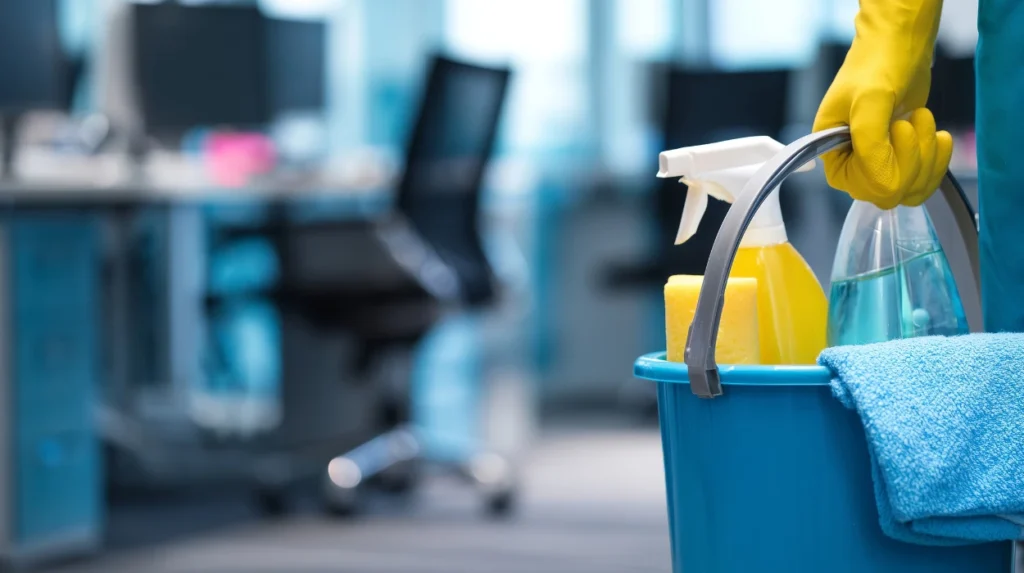
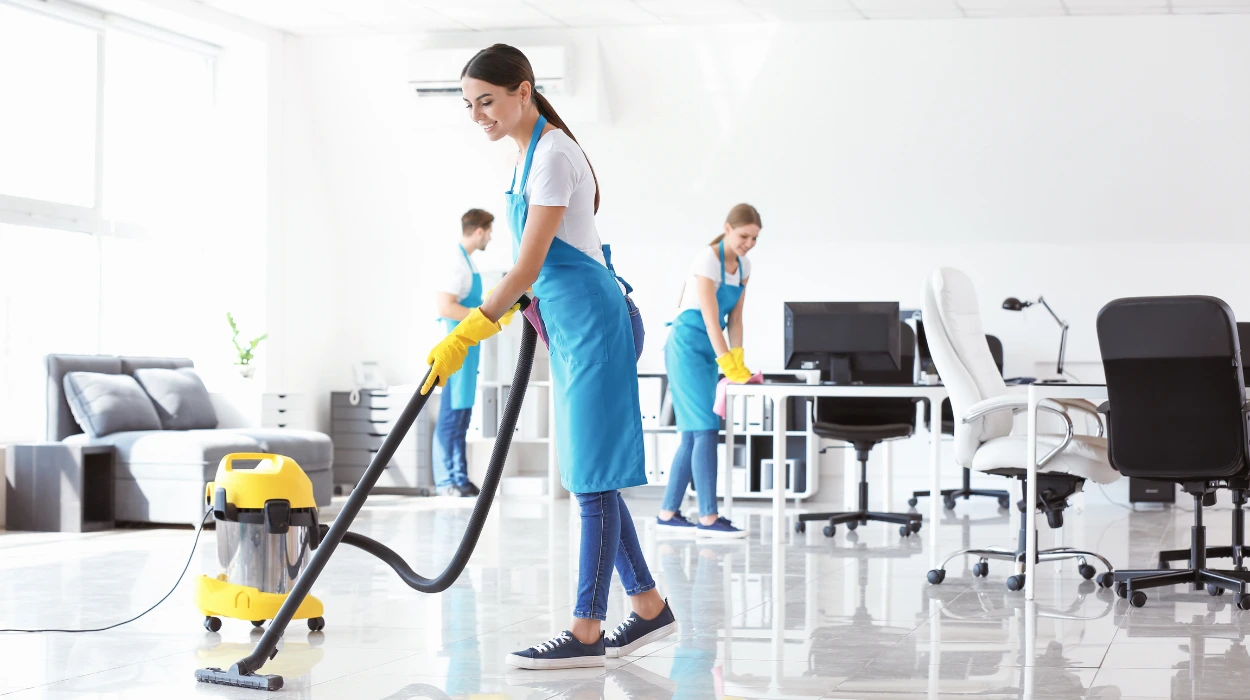
Even the best disinfectant cannot deliver consistent results without appropriate cleaning-equipment. Commercial cleaning teams use specialised tools that improve coverage, efficiency, and hygiene control across large premises. Equipment selection depends on the building type, traffic levels, and surface materials involved.
Microfibre systems, colour-coded cloths, HEPA-filter vacuum cleaners, scrubber dryers, and specialist sanitisation equipment all contribute to better cleaning outcomes. Proper equipment reduces cross-contamination risks and helps maintain consistent hygiene standards across different areas of a facility. Businesses that invest in professional cleaning solutions often achieve more reliable and measurable results than those relying solely on basic in-house methods.
High-Touch Surface Management
High-touch surfaces require particular attention because they experience frequent contact throughout the working day. Reception counters, lift buttons, keyboards, telephones, door handles, and shared equipment should be included in routine cleaning schedules. Professional cleaning providers assess usage patterns to determine appropriate cleaning frequencies. This targeted approach helps allocate resources effectively while focusing attention on areas with the greatest contamination potential.
Choosing the Right Disinfectant for Your Business
Selecting a disinfectant should involve more than comparing prices. Business owners should review certification details, application requirements, safety documentation, and intended usage environments. Commercial facilities often require products suitable for large-scale use while maintaining compliance with health and safety regulations. Reviewing technical data sheets can provide valuable information regarding effectiveness and recommended application methods.
Businesses should also ensure cleaning teams receive appropriate training. Even highly effective products can produce inconsistent results when applied incorrectly. Staff should understand dilution requirements, storage procedures, safety measures, and contact times. A documented cleaning process creates greater consistency and accountability across the organisation.
When Should Businesses Consider Professional Sanitisation?
Professional sanitisation services can be valuable in several situations. High-traffic workplaces often benefit from enhanced cleaning support because of increased surface contact. Shared offices, healthcare environments, educational settings, and customer-facing premises frequently require more comprehensive hygiene measures than standard cleaning routines alone can provide.
Businesses may also seek specialist support following illness outbreaks, seasonal infection concerns, building renovations, or occupancy changes. Professional providers evaluate the environment, identify high-risk areas, and implement appropriate cleaning and sanitisation procedures. This structured approach helps organisations maintain hygiene standards while reducing operational disruption.
For business owners seeking additional information about workplace hygiene planning, our guide on commercial cleaning investment benefits provides useful insights into maintaining professional business environments.
What Business Owners Should Ask Their Cleaning Provider
Before selecting a cleaning contractor, business owners should understand the products, methods, and standards being used. Asking informed questions helps ensure services align with organisational requirements and hygiene objectives.
Important considerations include certification standards, staff training procedures, risk assessments, COSHH documentation, cleaning frequencies, and equipment selection. Providers should be able to explain their processes clearly and demonstrate how their services contribute to workplace hygiene objectives. Transparency in these areas often indicates a more professional and reliable service.
Businesses interested in specialised hygiene solutions can learn more about professional antiviral sanitisation services for workplaces and how structured cleaning programmes support safer commercial environments.
How Bee Cleaning Services Manchester Supports Oldham Businesses
Bee Cleaning Services Manchester works with organisations that require reliable cleaning and sanitisation support. Through professional cleaning methods, appropriate cleaning-equipment, and structured hygiene procedures, businesses can maintain cleaner working environments throughout the year. Effective hygiene management involves more than surface appearance; it requires consistent processes and evidence-based cleaning practices.
Antiviral Sanitisation Services in Oldham are most effective when integrated into a broader cleaning strategy that includes routine maintenance, targeted disinfection, and ongoing hygiene monitoring. By combining these elements, businesses can create cleaner, safer, and more professional environments for employees and visitors alike.
For organisations evaluating service providers, our article on trusted office cleaning solutions in Oldham explores key considerations when choosing professional cleaning support.
BS EN 1276 Certified Disinfectants provide a recognised benchmark for antibacterial performance and remain an important component of workplace hygiene programmes. While certification alone does not guarantee effective cleaning, it helps businesses select products that have undergone independent testing. When combined with appropriate cleaning-equipment, trained operatives, and structured procedures, certified disinfectants contribute to safer and more hygienic commercial environments.
Bee Cleaning Services Manchester supports businesses seeking practical cleaning and sanitisation solutions through professional services designed to maintain consistent hygiene standards across a wide range of commercial settings.
Frequently Asked Questions
What does BS EN 1276 mean in commercial cleaning?
BS EN 1276 is a European testing standard that measures antibacterial effectiveness. Products meeting this standard must demonstrate a significant reduction in specific bacteria under controlled conditions. It helps businesses identify disinfectants that have been independently tested. The certification is commonly used in commercial hygiene environments. Many organisations consider it a baseline requirement for professional disinfection.
Does BS EN 1276 certification kill viruses?
BS EN 1276 focuses on antibacterial performance rather than antiviral performance. Products intended to target viruses are commonly tested under BS EN 14476 standards. Businesses should review product specifications carefully before selecting disinfectants. Different environments may require different certification standards. Understanding this distinction improves hygiene planning.
How often should office surfaces be disinfected?
The required frequency depends on workplace traffic levels and surface usage. High-touch points often require more frequent attention than low-contact areas. Shared equipment and communal spaces generally benefit from enhanced cleaning schedules. Risk assessments can help determine suitable frequencies. Professional cleaning providers can develop tailored programmes for specific workplaces.
Why is contact time important when using disinfectants?
Contact time refers to how long a disinfectant must remain on a surface to work effectively. Removing the product too quickly may reduce its effectiveness. Manufacturers provide recommended contact times based on testing data. Following these instructions supports better hygiene outcomes. Proper application is just as important as product selection.
What cleaning equipment improves sanitisation results?
Professional cleaning-equipment such as microfibre systems, HEPA-filter vacuums, scrubber dryers, and specialised sanitisation tools can improve consistency and coverage. Equipment helps reduce cross-contamination risks and supports efficient cleaning. The right tools depend on the building type and operational requirements. Professional providers assess these factors before recommending solutions. Effective equipment supports long-term hygiene management.