
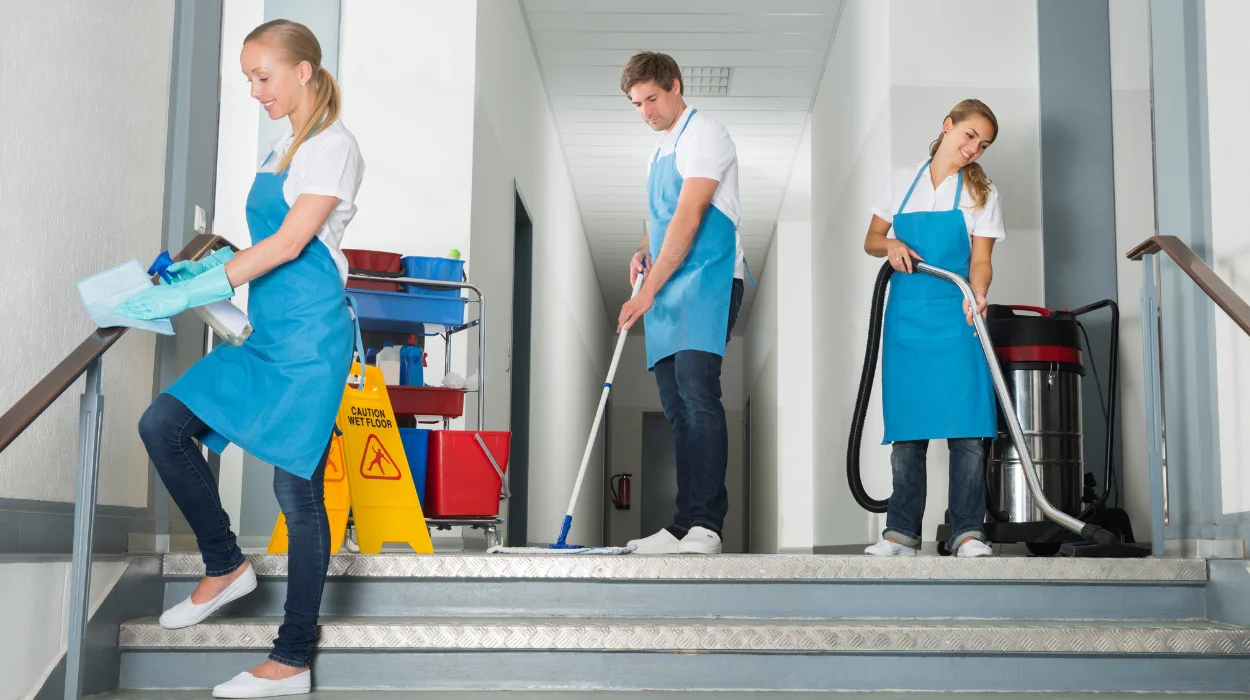
Antiviral sanitisation helps reduce harmful microorganisms in workplaces and supports a cleaner, safer commercial environment. For offices, shops, and public premises in Farnworth, it strengthens hygiene standards and builds trust among employees and customers.
Importance of Antiviral Sanitisation in Commercial Spaces
Commercial environments experience constant movement of employees, visitors, and deliveries throughout the day. Each interaction increases the chance of microbes transferring onto desks, counters, handles, and shared equipment. Antiviral sanitisation focuses on eliminating viruses and bacteria that traditional surface cleaning may not fully remove. This process uses specialist disinfectants and techniques designed for high-contact commercial areas. When applied correctly, it helps reduce contamination risks that can affect workplace productivity and public health. Businesses in Farnworth often operate in busy local environments where hygiene expectations have grown significantly. A structured sanitisation routine ensures that workplaces remain safe and compliant with modern cleanliness standards.
Many organisations now treat antiviral sanitisation as an essential part of their cleaning strategy rather than an occasional deep clean. Routine disinfecting protects surfaces that employees and customers touch frequently during daily activities. Door handles, payment machines, keyboards, shared phones, and reception desks can accumulate microorganisms within hours. Sanitising these areas regularly limits the spread of pathogens between individuals. It also creates a workplace culture that prioritises hygiene and safety. Commercial cleaning providers such as Bee Cleaning Services Manchester apply professional products that meet recognised disinfection standards. Their antiviral sanitisation cleaning services in Farnworth are designed to support businesses that require consistent and reliable hygiene management.
How Antiviral Sanitisation Differs From Standard Cleaning
Standard commercial cleaning focuses on removing visible dirt, dust, and debris from surfaces. While this improves appearance and general hygiene, it may not eliminate microscopic viruses and bacteria. Antiviral sanitisation goes further by applying disinfectants that target specific microorganisms responsible for illness and contamination. These solutions are formulated to break down viral structures and prevent them from surviving on surfaces. The process usually involves controlled application methods that ensure full coverage across high-touch areas. This deeper level of sanitation is particularly important in workplaces where many people interact with the same environment daily.
Professional sanitisation services also follow structured procedures to maximise effectiveness. Surfaces are first cleaned to remove dirt that could block disinfectant action. Sanitising products are then applied using spraying, wiping, or fogging techniques depending on the area and materials involved. Adequate contact time allows the solution to neutralise microorganisms before surfaces are used again. This methodical approach ensures consistent results across large commercial premises. Businesses that invest in proper antiviral sanitisation benefit from a cleaner environment that supports both staff wellbeing and operational continuity.
Why Farnworth Businesses Are Increasing Their Sanitisation Standards
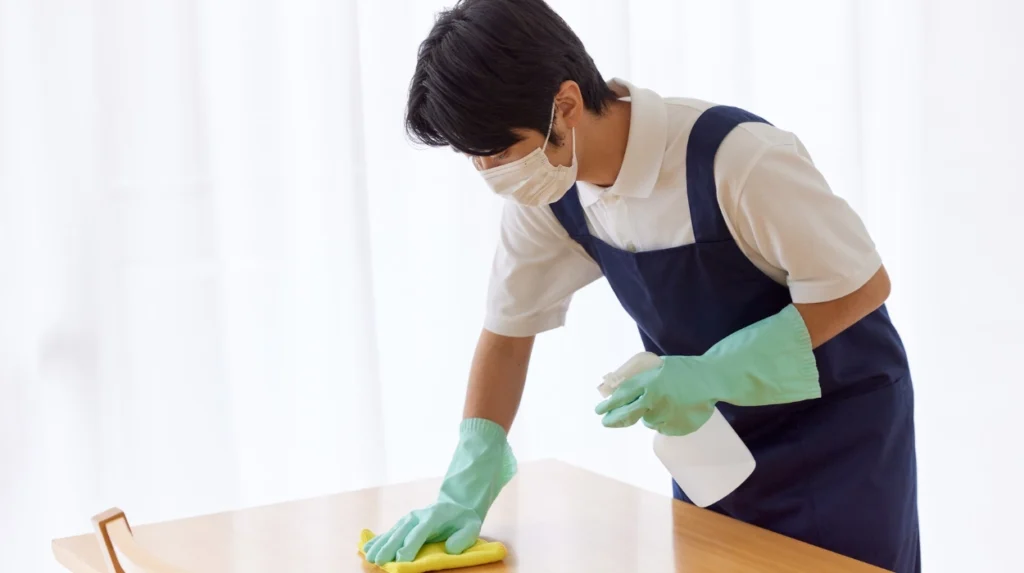
Businesses in Farnworth operate in diverse sectors including retail, offices, hospitality, and community services. Each sector faces different hygiene challenges due to varying levels of public interaction and shared workspace use. After global health awareness increased in recent years, many organisations reassessed how they manage workplace cleanliness. Antiviral sanitisation became a practical solution for maintaining safer environments where many individuals gather daily. Regular sanitisation reassures employees that their health is taken seriously by their employers. It also demonstrates to visitors that the business maintains professional hygiene standards.
Local authorities and industry guidelines have also encouraged stronger hygiene practices in commercial settings. Businesses must often maintain documented cleaning schedules and risk management procedures. Professional antiviral sanitisation services support these requirements by providing structured cleaning protocols. Bee Cleaning Services Manchester offers antiviral sanitisation cleaning services in Farnworth that align with these modern hygiene expectations. Their approach helps companies maintain consistent standards across office spaces, retail premises, and shared work environments. By integrating sanitisation into routine cleaning plans, organisations create safer and more reliable workplaces.
Protecting Employee Health and Workplace Productivity
Employee health plays a major role in business continuity and productivity. When viruses or bacteria spread within a workplace, staff absences can increase and operations may slow down. Antiviral sanitisation reduces the presence of harmful microorganisms that contribute to illness transmission. By disinfecting high-contact areas regularly, businesses can limit the chances of workplace outbreaks. This proactive approach supports a healthier workforce and reduces disruptions caused by sickness. Clean and sanitised environments also improve employee confidence in the safety of their workplace.
A well maintained workplace contributes to better morale and focus among staff members. Employees often feel more comfortable working in environments that visibly prioritise cleanliness and hygiene. Sanitised surfaces reduce concerns about contamination from shared equipment or communal spaces. This is particularly relevant in open plan offices or workplaces with shared desks and meeting rooms. Professional services ensure that sanitisation procedures are performed thoroughly and consistently. Businesses can explore structured hygiene strategies through professional workplace antiviral hygiene practices that explain how sanitisation fits into modern office maintenance.
Building Customer Trust in Retail and Public Premises
Retail stores and public facing businesses depend heavily on customer trust. Shoppers expect environments where hygiene standards are clearly maintained and visible. Antiviral sanitisation helps create that reassurance by ensuring that high contact areas remain disinfected throughout the day. Payment terminals, counters, door handles, and display areas are common touchpoints where microbes accumulate. Regular sanitisation reduces contamination risks and promotes a safer shopping experience. Customers are more likely to return to businesses that maintain visibly clean and hygienic spaces.
In competitive retail environments, cleanliness can influence how customers perceive a brand. A well sanitised store suggests professionalism, organisation, and attention to detail. This perception supports positive customer experiences and strengthens business reputation. Professional cleaning teams understand which areas require frequent sanitisation and how to maintain hygiene without disrupting daily operations. Bee Cleaning Services Manchester applies systematic methods to disinfect commercial environments effectively. Their antiviral sanitisation cleaning services in Farnworth help businesses maintain high hygiene standards that align with modern consumer expectations.
The Role of Professional Equipment and Approved Disinfectants
Effective antiviral sanitisation relies on the correct use of professional grade products and equipment. Commercial disinfectants are designed to neutralise specific microorganisms and must be applied according to manufacturer guidelines. Proper dilution ratios, application techniques, and contact times determine whether the disinfectant performs as intended. Professional cleaning teams are trained to follow these procedures carefully. This ensures that sanitisation treatments achieve consistent and reliable results across all surfaces. Incorrect application may reduce effectiveness or leave untreated areas within the environment.
Advanced equipment also plays an important role in large commercial sanitisation projects. Spraying systems and electrostatic tools help distribute disinfectants evenly across complex surfaces. These technologies allow disinfectant particles to reach difficult areas such as corners, equipment edges, and irregular surfaces. Consistent coverage ensures that high traffic areas receive adequate protection from microbial contamination. Businesses seeking long term hygiene management can benefit from professional commercial disinfection solutions for workplaces that explain how specialised equipment improves sanitisation efficiency.
Integrating Antiviral Sanitisation Into Routine Cleaning Programs
Antiviral sanitisation is most effective when integrated into a regular commercial cleaning schedule. Occasional disinfecting may reduce contamination temporarily but microorganisms can return quickly in busy environments. Routine sanitisation ensures that surfaces remain protected even with constant workplace activity. Cleaning schedules often prioritise high touch areas that experience frequent use throughout the day. Reception desks, kitchen facilities, washrooms, and shared meeting spaces require consistent attention. Maintaining these areas supports both hygiene compliance and workplace comfort.
Professional cleaning providers evaluate each business environment before designing a sanitisation routine. Factors such as employee numbers, visitor traffic, and workspace layout influence how often sanitisation should occur. Offices may require daily sanitisation of shared equipment, while retail stores might prioritise counters and payment areas. Structured schedules help businesses maintain hygiene without interrupting daily operations. Organisations considering dedicated sanitisation programs can learn more through why offices and shops need antiviral sanitisation to understand how consistent cleaning strategies support safer workplaces.
Long Term Benefits for Commercial Property Maintenance
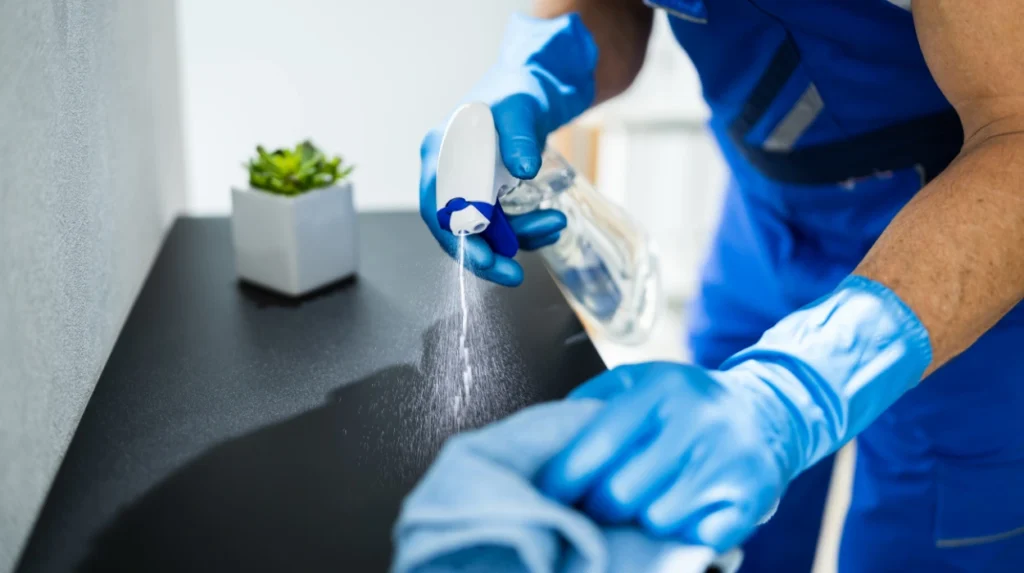
Beyond immediate hygiene improvements, antiviral sanitisation also contributes to long term commercial property maintenance. Regular disinfection prevents the buildup of biological contaminants that can affect surfaces over time. Certain bacteria and microbes can contribute to unpleasant odours or deterioration of materials if left untreated. Sanitisation reduces these risks by maintaining cleaner environmental conditions within the property. This proactive maintenance supports the longevity of fixtures, furnishings, and shared equipment.
Property managers also benefit from improved compliance with health and safety expectations. Maintaining documented sanitisation procedures demonstrates responsibility toward employee and visitor wellbeing. Many organisations now include sanitisation as part of broader workplace risk management strategies. Professional cleaning services help businesses maintain consistent documentation and routine schedules. Bee Cleaning Services Manchester supports commercial premises by delivering structured antiviral sanitisation cleaning services in Farnworth. Their approach ensures that workplaces maintain both hygienic standards and long term property care.
Antiviral sanitisation has become an essential part of maintaining safe and hygienic commercial environments. Offices, shops, and shared workplaces experience continuous interaction that increases the potential spread of microorganisms. Professional sanitisation methods target viruses and bacteria that traditional cleaning may not fully eliminate. Consistent disinfection of high contact surfaces supports employee health, customer confidence, and workplace productivity. Businesses that integrate antiviral sanitisation into their cleaning strategies create environments that align with modern hygiene expectations.
Bee Cleaning Services Manchester provides structured antiviral sanitisation cleaning services in Farnworth designed to support commercial hygiene standards. Through professional equipment, approved disinfectants, and organised cleaning schedules, businesses can maintain safer workplaces that protect both employees and visitors.
How effective are cleaning agents in killing bacteria?
Professional cleaning agents and disinfectants are highly effective when used correctly, as they break down bacteria and viruses on surfaces. In commercial spaces, antiviral sanitisation helps ensure these microorganisms are significantly reduced, improving overall workplace hygiene.
How does cleaning prevent the spread of disease?
Regular cleaning removes dirt, germs, and contaminants from frequently touched surfaces like desks, door handles, and equipment. This reduces the chances of bacteria and viruses spreading between employees and visitors in commercial properties.
What are the three levels of decontamination?
The three main levels are cleaning, disinfection, and sterilisation. Cleaning removes visible dirt, disinfection kills many harmful microorganisms, and sterilisation eliminates nearly all microbial life on surfaces or equipment.
What are the 4 types of contamination?
The four common types are physical, chemical, biological, and allergenic contamination. In commercial environments, biological contamination from bacteria and viruses is the main concern addressed by antiviral sanitisation.
What is the difference between sanitation and sanitization?
Sanitation generally refers to maintaining overall cleanliness and hygiene conditions in an environment. Sanitization specifically focuses on reducing microorganisms on surfaces to safe levels using disinfectants.