

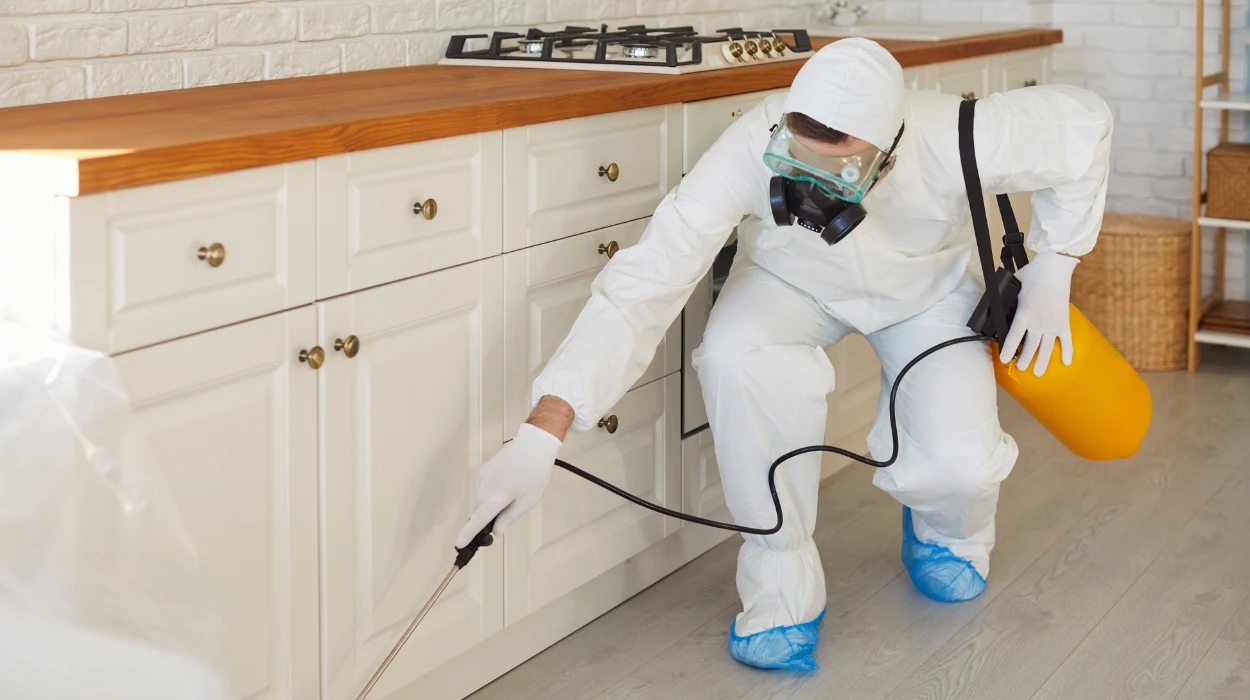
The Covid period changed how kitchens were used and cleaned. For many households, the kitchen became the most active space in the home. Even after recovery, Biohazards Lurking in Post-Covid Kitchens remain a real concern. These risks are not always visible. They include bacteria, viral residue, and contamination left behind on food preparation surfaces. In busy family homes across Cheadle, this matters more than people realise. A clean looking kitchen does not always mean a hygienic one. Understanding what lingers helps households make informed decisions without fear or panic.
Biohazards in Post-Covid Kitchens
Biohazards refer to microorganisms that can affect human health. After Covid, kitchens may hold surface contamination from coughing, handling packaging, and preparing meals while unwell. Viruses and bacteria can survive longer on smooth, frequently touched areas. Kitchen taps, fridge handles, worktops, and appliance controls are common contact points. Moisture and warmth allow microorganisms to remain active. This creates a cycle where contamination can transfer from surface to food. For families with young children or elderly relatives, this exposure deserves attention.
Why Kitchens Retain Contamination More Easily
Unlike other rooms, kitchens combine moisture, heat, and constant movement. Steam from cooking lifts particles into the air before they settle elsewhere. Raw food introduces bacteria that can spread without careful control. During illness, cleaning routines are often disrupted. This allows contamination to build gradually. Post-Covid kitchens may appear tidy but still contain harmful residue. Without targeted sanitisation, bacteria and viruses remain active on overlooked surfaces. This makes the kitchen one of the highest risk areas in the home.
Hidden Areas Where Biohazards Commonly Build Up
Many households focus on visible cleaning only. Less obvious areas are often missed. Fridge seals, cupboard interiors, drawer handles, and extractor fans collect residue over time. Sponges and cloths used during illness can spread contamination further. Even bin lids and recycling containers hold bacteria. Appliance buttons and light switches are touched repeatedly and rarely sanitised properly. These areas allow microorganisms to survive and spread. Addressing them requires a more systematic approach than everyday cleaning.
Why Routine Cleaning Alone Is No Longer Sufficient
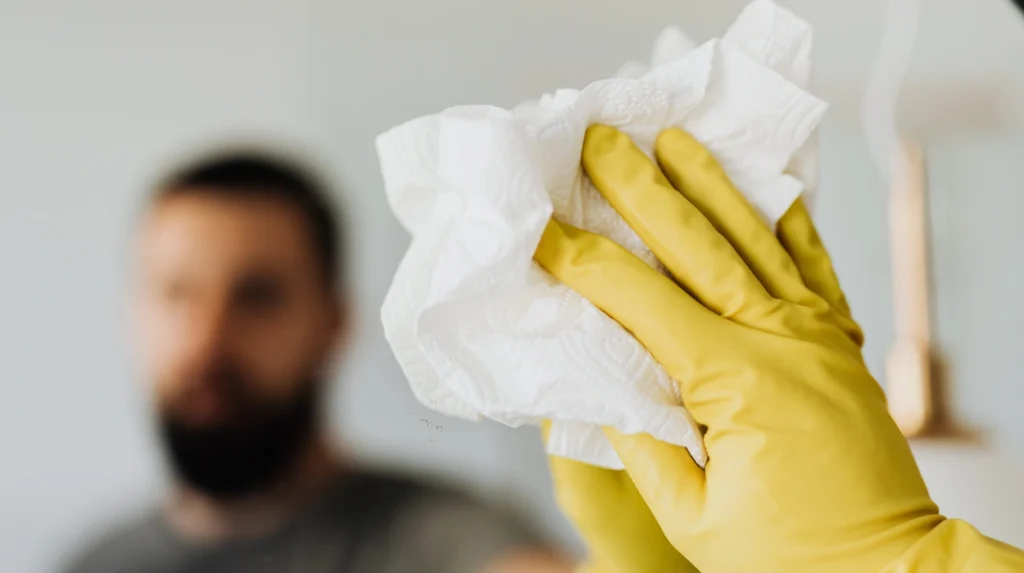
Standard household cleaners are designed to remove grease and surface dirt. They are not always effective against pathogens. Post-Covid kitchens need deeper attention. Effective sanitisation depends on correct product strength and sufficient contact time. Quick wiping does not eliminate microorganisms. Without professional methods, contamination may remain even after cleaning. This gap between appearance and hygiene is where health risks continue. Medical-grade processes focus on eliminating pathogens, not just improving appearance.
What Medical-Grade Deep Sanitisation Involves
Medical-grade deep sanitisation follows principles used in healthcare environments. It targets bacteria and viruses at a microscopic level while remaining safe for domestic kitchens. Approved disinfectants are used carefully on food contact surfaces. High-touch areas receive focused treatment. Airborne settlement zones are also considered. This approach reduces the risk of cross contamination. It supports safer food preparation and aligns with UK hygiene guidance. The goal is practical protection, not harsh chemical exposure.
Bee Cleaning Services and Post-Covid Kitchen Care
Bee Cleaning Services approach post-Covid kitchen sanitisation with care and precision. Each kitchen is assessed individually. Attention is given to appliances, surfaces, and overlooked areas where biohazards persist. Medical-grade methods are applied safely within the home environment. This ensures thorough sanitisation without disruption. For households in Cheadle, this service provides reassurance that cleaning goes beyond routine standards. The focus remains on health, safety, and long-term hygiene.
Supporting Health and Confidence in Cheadle Homes
Health concerns after illness can affect daily routines. A properly sanitised kitchen supports confidence. Families can prepare food without worry. Children can safely participate in cooking again. Guests can be welcomed comfortably. This sense of normality matters. Proper kitchen sanitisation supports both physical health and emotional wellbeing. It allows households to move forward with greater peace of mind.
How Airflow and Ventilation Affect Kitchen Hygiene After Illness
Airflow plays a bigger role in kitchen hygiene than most homeowners realise. During and after illness, tiny particles released into the air can settle on nearby surfaces. Poor ventilation allows these particles to remain suspended longer. Kitchens with limited extractor use or blocked vents often experience higher contamination levels. Grease, steam, and moisture trap airborne residue. Over time, this settles on cupboards, worktops, and appliances. Post-Covid kitchens benefit from proper airflow combined with deep sanitisation. Addressing ventilation reduces surface recontamination and supports healthier indoor air quality. This is especially important in compact kitchens common in Cheadle homes.
Food Storage Safety and Cross Contamination Risks After Covid
Food storage areas often escape attention during deep cleaning. Fridges, freezers, and pantry shelves can hold contamination long after illness. Packaging touched with unwashed hands introduces bacteria to shared surfaces. Condensation inside fridges creates ideal conditions for microbial growth. Without sanitisation, contamination transfers easily between raw and cooked food. Post-Covid kitchens require careful attention to food storage zones. Cleaning alone may not remove harmful residue. Medical-grade sanitisation supports safer food handling and reduces cross contamination risks. This protects households from avoidable stomach and respiratory illnesses.
Protecting Vulnerable Household Members Through Proper Kitchen Sanitisation
Some households face higher health risks than others. Older adults, young children, and individuals with existing conditions are more affected by kitchen biohazards. Even low-level contamination can cause illness in vulnerable people. Post-Covid kitchens must be treated with this in mind. Professional sanitisation focuses on prevention rather than reaction. It reduces exposure to bacteria and viruses during daily food preparation. For families in Cheadle caring for vulnerable members, this approach supports safer living. It offers reassurance that the kitchen environment supports wellbeing, not risk.
Can Covid Germs Still Live on Kitchen Surfaces After Recovery
Many people search this question because they want certainty, not alarm. After recovery, Covid itself may no longer be active, but surface contamination can remain. Kitchen surfaces touched during illness may hold bacteria and viral residue from hands, packaging, and food preparation. Smooth surfaces like worktops and appliance handles allow germs to survive longer. Moist areas increase this risk. This does not mean kitchens are dangerous, but it does mean routine cleaning may not fully remove contamination. Understanding this helps households make informed hygiene decisions rather than relying on assumptions.
Is Professional Kitchen Sanitisation Necessary After Illness
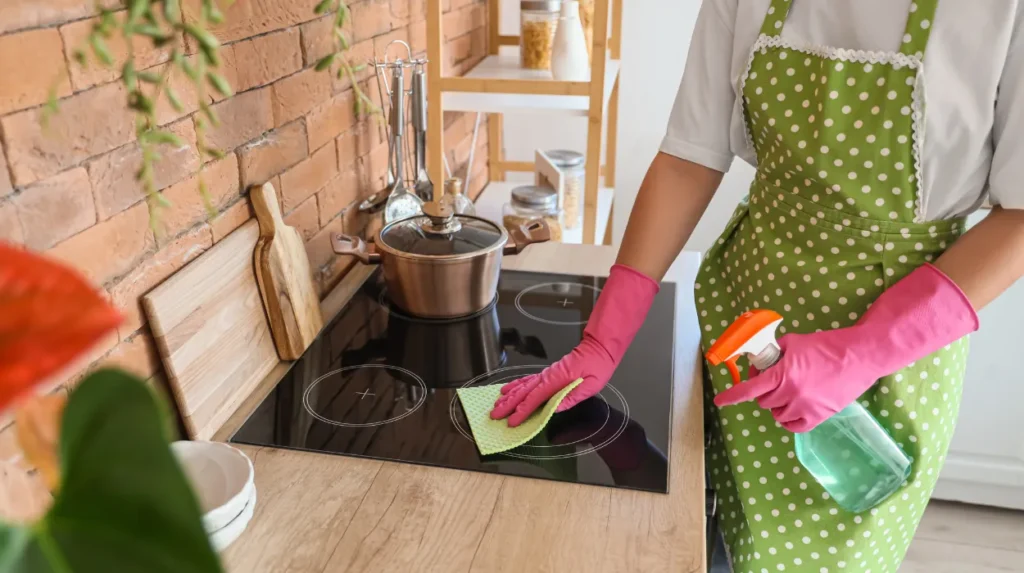
This is a common concern for households weighing safety against cost. Professional kitchen sanitisation becomes necessary when illness disrupts normal hygiene routines. During recovery, cleaning often becomes inconsistent. This allows contamination to spread quietly. Professional services use controlled methods that reach areas often missed at home. Medical-grade sanitisation focuses on reducing pathogens that affect food safety. For families with shared kitchens, this level of cleaning offers reassurance. It supports healthier routines without adding daily cleaning pressure.
What Are the Health Risks of an Unsanitised Kitchen After Covid
People often search this when unexplained illness continues at home. An unsanitised kitchen can contribute to stomach infections, respiratory irritation, and recurring minor illnesses. Cross contamination between food and surfaces increases risk. Vulnerable household members are affected first. While symptoms may be mild, repeated exposure adds strain to the immune system. Addressing kitchen hygiene after Covid reduces this risk. Proper sanitisation helps break contamination cycles and supports long-term household health.
Long-Term Benefits of Professional Kitchen Sanitisation
Addressing Biohazards Lurking in Post-Covid Kitchens has lasting value. Medical-grade sanitisation reduces recurring contamination. It improves overall kitchen hygiene and food safety. Over time, this lowers the risk of illness spreading within the home. It also supports cleaner air and surfaces in one of the most used rooms. Investing in proper sanitisation helps households maintain higher hygiene standards well into the future.
If your kitchen has experienced heavy use during illness or recovery, professional support may be worth considering. Bee Cleaning Services Manchester provide medical-grade deep sanitisation designed specifically for real homes. For residents in Cheadle seeking reliable kitchen hygiene after Covid, this service offers a calm and practical solution. Visit Bee Cleaning Services Manchester to take the next step towards a safer, healthier kitchen environment.