
The pandemic altered the way we consider cleanliness, particularly in the house. To most Biohazards still lurking in Altrincham kitchens in Altrincham, the kitchen turned into the home center during lockdowns. Cooking meals was done more frequently, surfaces were wiped more frequently and hygiene was more in control than it used to be. However, many residents of Canada continue to be asked questions. Biohazards that remain in the Altrincham kitchens even after COVID cannot always be noticed or identified by normal observation.
Other risks became part of the daily lives and settled down. The rest were left behind as restrictions were lifted and people focused on other things. Having an idea about what is still left and why it is important can make households feel safer without generating unnecessary concern and long-term stress.
Life After Covid Changed the Way We Clean Our Homes
COVID made an indelible mark on cleaning behaviours. The use of surface disinfectants became a common practice in the majority of households during the peak of the pandemic period, and it was repeated multiple times a day. Fatigue was a natural state as time progressed, specifically as individuals juggled between work, family and constant stresses. Since life had gone back to normal, standards had been lowered by a large number of people without even being consciously aware of it.
Such a gradual change also permitted a certain amount of the post covid kitchen hygiene practices to decay, which provided the lingering kitchen germs the room to re-establish themselves silently.
Why kitchens are the most overlooked risk zone
Most people are comfortable with kitchens. Food is made daily, tables are clean, and smells are an indication of freshness and comfort. But this consolation may conceal ills that grow gradually. Where there is warmth, moisture and contact, germs feed well on the daily encounters. The clean appearance of a worktop does not necessarily imply the presence of a hygienic worktop. This is where the sense of security is falsely given, and the lurking kitchen germs in busy family homes have limited time to clean the kitchen.
Biohazards in a Domestic Kitchen
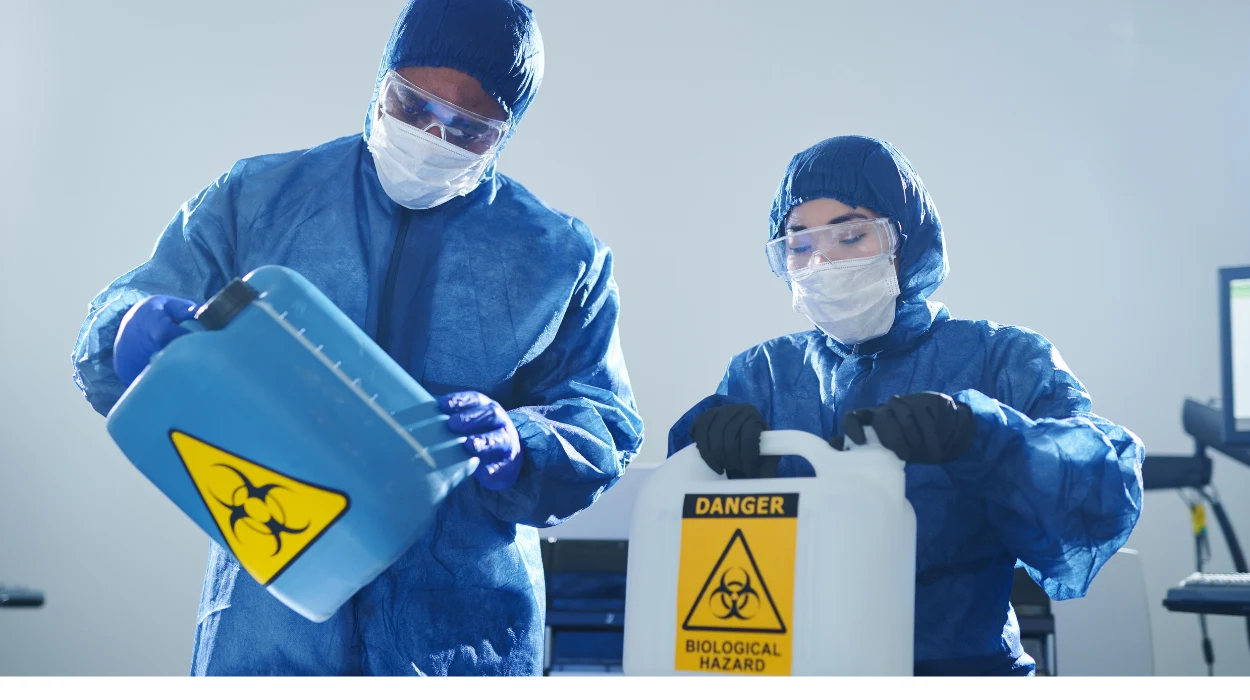
It is not only the laboratories and hospitals that have biohazards. They contain bacteria, viruses, mould spores and organic residues in homes and present health risks. All hazards are naturally focused on kitchens because of food waste and moisture, as well as, warmth that are a daily occurrence. Domestic biohazards may take a long period to fade despite the appearance of cleanliness without regular deep cleaning, thus exposing a greater risk of contamination of the kitchen through the passage of time.
Common biohazards in kitchens are raw food, waste bins, wet cloths and communal utensils used within the day. Even aerosols may be deposited on the surfaces without the attention of the dwellers. Residual viral presence in closed spaces, particularly in poorly ventilated spaces are also a concern after COVID. Such risks are more prevalent in smaller kitchens that are usually present in older properties.
How Covid Shifted Household Hygiene Habits
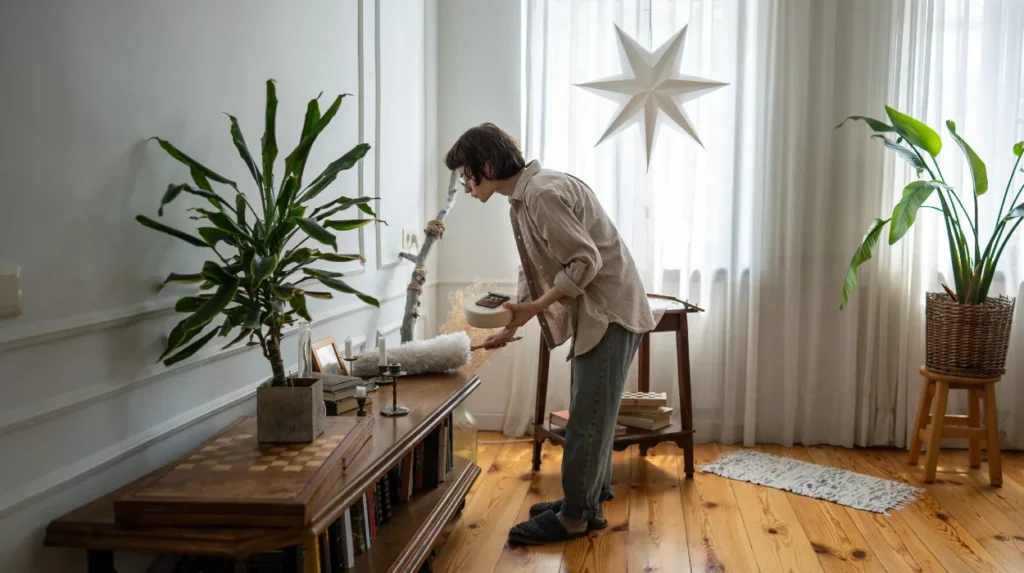
In Lockdown situations, households paid much attention to touchpoints that are obvious. Handles of the doors, taps, and the fronts of the appliances were regularly and carefully cleaned. Those areas that were not much in view were usually neglected in these routines altogether. Gradually, the practice of hygiene was hastened or streamlined, and there were still areas of contamination that could no longer be handled satisfactorily by the usual method of wiping.
Hidden Areas Where Germs Still Settle
There are parts of the kitchen that do not even require cleaning every day. Such areas enable bacteria to reproduce secretly without any clear indications. In the long run, underestimated biohazards in domestic kitchens may be transferred to food preparation zones, where households pose a high risk of getting ill without knowing the origin at an early stage.
Food Preparation Surfaces and Cross Contamination
Board chopping, counter chopping, and sink edge chopping frequently harbour long-term bacteria even after preparing and clearing meals. Cross-contamination can be caused by accidental contact of raw and cooked food with surfaces or utensils. Germs are prone to easy and repeated contagion without the right disinfection. This danger is compounded in the houses where home cleaning supplants the intensive food preparationand surface cleaning efforts.
Handles on cupboards, switches on appliances and switches on lights are all touched repeatedly in the course of the day. They are not frequently sanitized like visible worktops. In the long term, they turn into biohazard centres in the country. These touchpoints silently pass bacteria between hands, food and surfaces, particularly in the bustling household processes.
Poor airflow, Steam, cooking fumes, and the absence of air encourage the airborne particles to hang in the kitchen environment. This is a risk that is highly diversified in the smaller kitchens in Altrincham. The particles remain on surfaces even after cleaning, and that causes post covid hygiene risks in houses without even paying attention.
Why Altrincham Homes Face Unique Post-Covid Risks
Kitchen hygiene issues depend on local housing styles. The age and layout of the property, as well as the patterns of occupancy, all influence the ease with which biohazards can settle and persist. All these contribute to making kitchen biohazards in households somewhat different in comparison with newer developments.
Altrincham has a lot of houses that have outdated designs, poor ventilation, and a small size of the kitchen. Lack of sufficient ventilation will cause moisture to accumulate around the sinks, cupboards, and appliances. This promotes moulds and growth of bacteria, particularly in areas that are hard to access when engaging in regular cleaning activities.
Shared homes and flats experience a high rate of occupancy every year. With every new resident, he or she comes with new hygienic habits and expectations. Without an intensive cleaning of the kitchen, Altrincham properties tend to get cleaned up in between tenancies, bio-hazards build up and are passed onto other households.
When the restrictions were removed, most individuals took the risk to be entirely over. This ideology gave the perception of security that was not necessarily true. Gradually, the vigilance was overtaken by hygiene complacency, and the danger of contamination of the kitchen grew back into the usual routine without any noise.
Deep cleaning practices were replaced with quick wipes in the long run. The disinfectants were either diluted, reused or not used at all to save time. With time, the routines were eroded, and bacteria that were remaining on the kitchen surfaces came back. This change usually goes unnoticed until the time when issues start to interfere with the health of houses.
Why Visual Cleanliness Is Not Enough
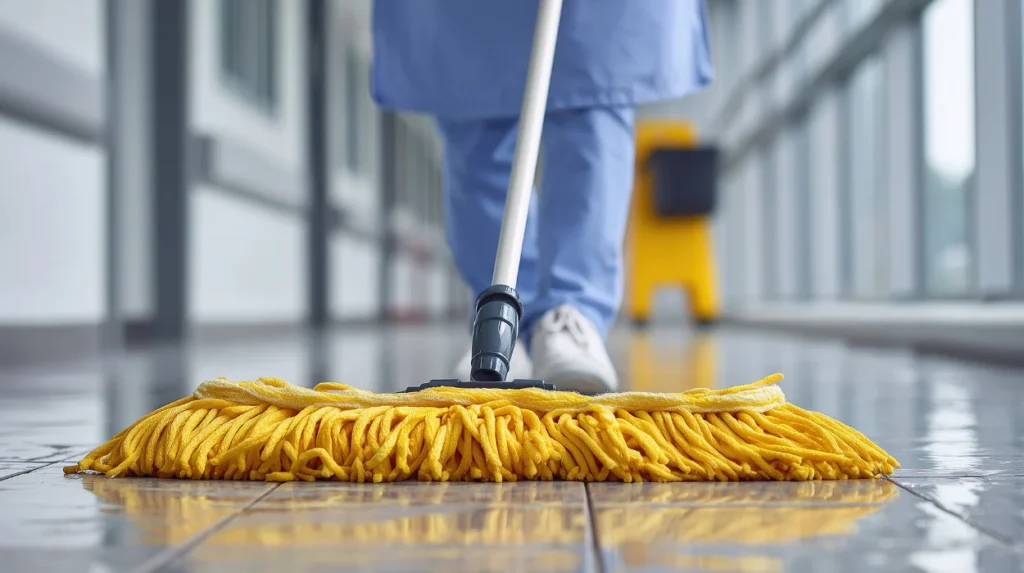
A surface may be shiny but may harbour dangerous germs. The olfactory sense and the look are faulty indicators of cleanliness. This perception/reality gap is what makes biohazards remain. Most of the household believes in appearance and fails to understand what is happening behind the scenes.
The daily cleaning can be used to limit the risk, but it has its limits. Some biohazards demand more than domestic goods and fast practices. These risks accumulate over tim,e particularly in busy houses with kitchens that are used on a daily basis.
Signs of Lingering Kitchen Contamination
Repeat of odours, viscous residues and without evident causes can be an indication of underlying problems. These are experienced more by vulnerable households that have children or older adults in their households. These indicators usually refer to those places that are not accessed by the routine cleaning processes.
Why Professional Knowledge Matters
Acquiring the right products and training is the only way to know how biohazards act. The professional cleaning service works on the places that are usually neglected by the household cleaning routines. The method contributes to the safety of the area for a long time without being a disturbance, thus providing households that are still in doubt about the hygiene and safety of the post-pandemic period with reassurance.
Biohazards still present in Altrincham kitchens post-COVID are not a reason for panic; nonetheless, they are definitely a matter of concern. Over time, awareness leads to better practices and safer houses. For the households that need reassurance or deeper cleaning support, Bee Cleaning Services Manchester offers professional kitchen cleaning that is suited for real homes and real risks. A kitchen that is clean is not only beautiful but it is also a source of peace and well-being throughout the day.