
The main difference is moisture and cleaning depth. Steam or hot-water extraction provides deeper soil removal, while dry or low-moisture cleaning is better suited to moisture-sensitive fabrics and situations requiring faster drying.
The correct method depends on the upholstery fibre, manufacturer care code, construction, stain type, and drying requirements. A method that works safely on polyester may be unsuitable for viscose, silk, suede, or solvent-only upholstery. Professional assessment therefore matters more than choosing a cleaning method simply because it is marketed as stronger or faster.
What is the difference between steam and dry upholstery cleaning?
Steam cleaning generally uses heated water and extraction to loosen and remove embedded soil, while dry upholstery cleaning uses very little moisture and may rely on specialist solvents, powders, or low-moisture compounds. The better method depends on the fabric and its care requirements.
In professional upholstery cleaning, the term steam cleaning is often used for hot-water extraction rather than literal steam-only treatment. Heated cleaning solution is applied to the fabric, allowed to loosen soil, and then removed using strong vacuum extraction. This process can reach deeper contamination than surface cleaning when the upholstery is suitable for water-based treatment.
Dry cleaning follows a different principle. A specialist low-moisture compound or solvent is selected according to the fabric and applied in a controlled way. The treatment is designed to reduce moisture exposure while lifting surface soil, oils, and stains. This makes the approach useful for fabrics that could react badly to excessive water or heat.
The choice is therefore not simply steam versus dry. It is a fabric-care decision involving moisture tolerance, fibre stability, dye behaviour, backing material, stain composition, and the required turnaround time.
Which upholstery fabrics can usually be steam cleaned?
Durable water-tolerant upholstery such as many polyester, microfiber, cotton-blend, and performance fabrics can often tolerate controlled hot-water extraction, provided the manufacturer’s instructions allow it and the cleaner controls heat, moisture, pressure, and extraction.
Synthetic upholstery is commonly suitable for water-based cleaning because many synthetic fibres have relatively good resistance to moisture and controlled heat. Polyester and microfiber are frequently cleaned using extraction equipment when their care labels permit water-based treatment. Cotton blends may also be suitable, although fibre construction and dye stability still need to be checked.
The care label should always be checked before cleaning. A W code generally indicates that a water-based cleaning method may be permitted, while WS indicates that either water-based or solvent-based cleaning can be acceptable. An S code indicates solvent-based cleaning, meaning water-based treatment should normally be avoided. An X code generally means vacuuming or very limited surface treatment only.
Even when a fabric appears suitable, professional cleaners should test an inconspicuous area first. This helps identify colour bleeding, texture changes, shrinkage, or unexpected reactions before the main cleaning process begins.
Which fabrics should not be steam cleaned?
Silk, suede, leather, some velvet constructions, viscose or rayon, delicate wool, antique upholstery, and fabrics marked solvent-only or vacuum-only may require alternatives to steam cleaning because moisture or heat can cause distortion, staining, shrinkage, or other damage.
The word “fabric” alone does not determine cleaning suitability. Upholstery can contain blends, coatings, backing materials, adhesives, foam, or decorative finishes that change how it reacts to moisture and heat. Viscose is a particularly important example because it can be highly sensitive to water and may develop texture or appearance changes when incorrectly cleaned.
Silk and some delicate natural fibres also require careful handling. Leather and suede are not equivalent to conventional woven upholstery and should be cleaned using products and procedures designed specifically for those materials. Antique furniture may contain older dyes, fragile stitching, or construction materials that make aggressive cleaning inappropriate.
For this reason, a professional should inspect the care label and fabric condition before selecting cleaning equipment. Applying steam simply because a sofa looks dirty can create a greater problem than the original stain.
Why does the upholstery care code matter?
The upholstery care code provides the starting point for selecting a safe cleaning process because it indicates whether water, solvents, both, or neither are appropriate. Ignoring the code can increase the risk of colour transfer, shrinkage, watermarks, texture changes, and permanent fabric damage.
Care codes are particularly important when homeowners are deciding between steam and dry cleaning. A sofa marked W may be compatible with a water-based extraction process, while an S-coded sofa requires a solvent-oriented approach. WS provides greater flexibility, but the fabric should still be tested before treatment.
An X-coded item requires additional caution because it generally indicates that liquid cleaning should not be used. Vacuuming and manufacturer-approved surface maintenance may be the appropriate approach instead.
The care label should also be considered alongside the furniture’s construction. Two sofas made from similar-looking fibres can respond differently because their backing, filling, dye, or finish differs. A professional assessment combines the label with physical inspection rather than relying on appearance alone.
Is steam cleaning better for deep stains and embedded dirt?
Steam or hot-water extraction is generally the stronger option for suitable water-tolerant upholstery when the objective is deep soil removal, because cleaning solution and controlled agitation loosen contamination while extraction removes dissolved soil and moisture from the fabric.
Heavy-use sofas can accumulate body oils, food residue, dust, pet hair, and other particles inside the fabric structure. Vacuuming removes loose debris, but it cannot provide the same extraction process as professional upholstery equipment.
A controlled extraction process introduces cleaning solution and then removes it through powerful suction. This combination helps separate contamination from the fibres rather than simply moving dirt around the surface. Professional equipment is specifically designed for this water-and-extraction process.
However, deeper cleaning does not mean stronger treatment is always better. Excessive moisture, unsuitable heat, or aggressive agitation can damage upholstery. The objective is controlled soil removal, not maximum water or maximum temperature.
When is dry upholstery cleaning the better option?
Dry or low-moisture upholstery cleaning is often preferable when the fabric is moisture-sensitive, solvent-compatible, or needs a shorter drying period. It can refresh suitable upholstery while reducing the amount of water introduced into the fabric and internal furniture structure.
Low-moisture cleaning is particularly relevant for fabrics that can develop watermarks or distortion. Specialist compounds or solvents can be applied in controlled quantities and removed according to the product and fabric requirements. The exact process varies by material and cleaning system.
Dry cleaning can also be useful when furniture needs to return to service quickly. Less moisture generally means less water needs to evaporate from the upholstery before normal use. This does not mean every dry method is automatically safer or better, because solvent compatibility and correct application remain essential.
The decision should therefore consider both fabric safety and the purpose of the cleaning. A quick refresh and a heavily soiled sofa do not necessarily require the same process.
How does drying time compare between the two methods?
Hot-water extraction normally requires more drying time because water is introduced into the upholstery, while low-moisture cleaning can reduce drying requirements. Actual drying depends on fabric, furniture construction, airflow, extraction efficiency, humidity, and the amount of moisture used.
Professional extraction equipment removes a significant proportion of applied moisture during cleaning, but upholstery may still remain damp for a period afterward. Typical furniture drying times can vary considerably, with professional sources reporting approximately 2 to 6 hours for many upholstery jobs.
Ventilation is important after water-based cleaning. Open windows where appropriate, increase airflow, and avoid covering damp upholstery with blankets or other materials that restrict evaporation.
Dry cleaning may provide a faster return to normal use because less moisture remains in the furniture. However, “dry cleaning” does not necessarily mean the furniture is instantly dry. The technician should explain the expected drying or curing period for the chosen process.
What cleaning-equipment is needed for each method?
Steam or extraction cleaning requires specialist upholstery equipment with controlled solution delivery and powerful recovery, while dry cleaning may require solvent-safe tools, low-moisture applicators, agitation equipment, and professional vacuum systems. Equipment must match the fabric and cleaning method.
A professional extraction system typically combines a solution tank, pump, upholstery tool, and powerful recovery vacuum. The cleaning head applies controlled solution while extracting loosened soil and moisture. This is fundamentally different from using a household garment steamer, which is designed primarily for steaming fabrics rather than extracting contaminated water.
Dry systems use different equipment depending on the method. Some use specialist solvents, others use absorbent compounds or low-moisture cleaning agents. Agitation and vacuum extraction may be used to remove the cleaning compound and suspended soil.
Choosing professional cleaning-equipment is therefore not simply about machine power. Pressure, temperature, water volume, suction, nozzle design, chemical compatibility, and operator technique all affect the final result.
How should you choose between steam and dry cleaning?
Choose the method according to five factors: fabric care code, fibre sensitivity, soil level, drying requirements, and furniture construction. Water-tolerant heavily soiled upholstery may benefit from extraction, while delicate or solvent-only materials may require low-moisture treatment.
The first decision is fabric compatibility. If the care code does not permit water, steam cleaning should not be selected simply because the furniture has stubborn stains.
The second decision is the level and type of contamination. Deep grease, body oils, embedded dirt, and heavy soil may favour extraction when the fabric permits it. Light surface contamination may be manageable with a low-moisture system.
The third factor is drying time. Furniture needed for immediate use may require a lower-moisture approach, but only where the fabric is compatible with that method.
Finally, furniture construction matters. Foam density, backing, stitching, adhesives, decorative trims, and internal materials can affect moisture retention and cleaning safety.
What does a professional upholstery cleaning process involve?
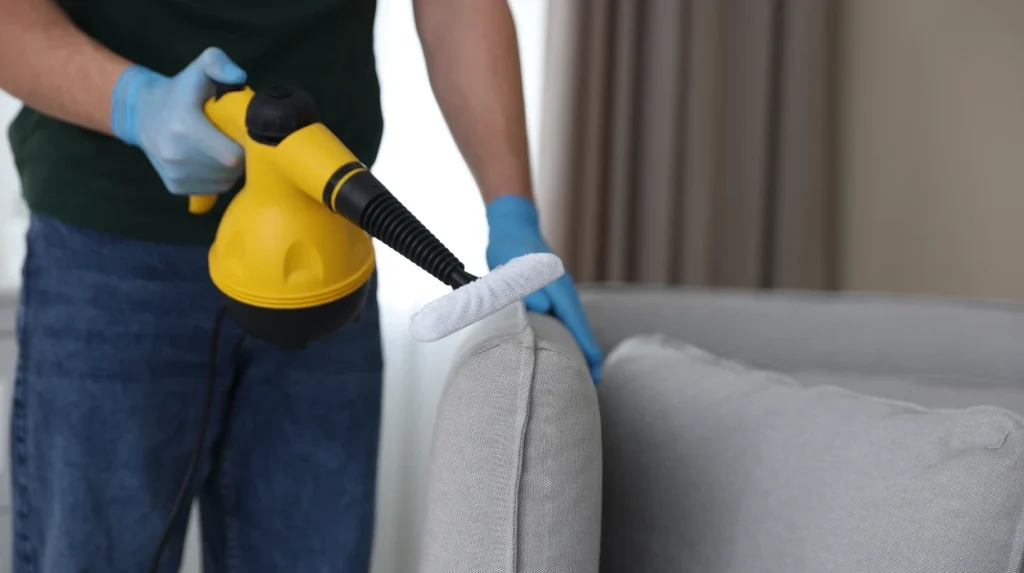
A professional process normally begins with inspection and fabric identification, followed by vacuuming, testing, stain treatment, method selection, controlled cleaning, extraction or compound removal, and drying guidance. This sequence reduces unnecessary moisture and helps protect the upholstery.
Inspection comes first because the cleaner needs to understand what material is being treated. The care code, visible condition, stain types, fabric texture, colour stability, and construction are considered before cleaning begins.
Loose soil is then removed through thorough vacuuming. Stains may receive targeted treatment using products compatible with the upholstery. A small test area can be used to check colour and fabric response before full treatment.
Once the correct method is selected, the technician uses suitable cleaning equipment and controls moisture, pressure, agitation, and heat. After cleaning, extraction or compound removal is completed as required.
Drying and post-cleaning inspection complete the process. The furniture should be checked for remaining marks, moisture, texture changes, and overall condition before the job is considered complete. Professional upholstery methods also emphasize matching treatment to fabric rather than applying one technique to every sofa.
Is professional upholstery cleaning better than DIY cleaning?
Professional upholstery cleaning provides an advantage when fabric identification, specialist equipment, deep soil removal, or delicate stain treatment is required. DIY cleaning can support routine maintenance, but incorrect moisture, chemicals, or equipment can create avoidable upholstery damage.
DIY cleaning is reasonable for regular vacuuming and small manufacturer-approved spot treatments. It becomes riskier when homeowners attempt to saturate furniture, use unsuitable detergents, or apply steam without checking the care label.
Professional cleaning is especially useful when the furniture is heavily soiled or made from a sensitive material. Technicians can identify whether extraction, low-moisture cleaning, solvent treatment, or another method is appropriate.
For households considering Upholstery Cleaning Services in Oldham, the key question should therefore be the cleaning requirement rather than whether steam or dry cleaning is universally superior. Bee Cleaning Services Manchester can use a fabric-focused approach where the method is selected according to the upholstery rather than applying the same treatment to every item.
How can upholstery be maintained between professional cleans?
Regular vacuuming, prompt treatment of fresh spills, protection from excessive moisture, and following manufacturer instructions can reduce soil accumulation between professional cleaning visits. Maintenance should preserve the fabric rather than introduce unnecessary chemicals or water.
Vacuum cushions, seams, edges, and areas beneath removable cushions because these locations collect loose debris. Fresh spills should normally be blotted rather than aggressively rubbed, as rubbing can spread contamination and disturb the fabric surface.
Avoid applying household cleaning products unless the manufacturer permits them. Products designed for hard surfaces, carpets, or clothing are not automatically suitable for upholstery.
Routine maintenance also helps identify problems early. A small fresh mark is generally easier to address than a stain that has remained in the fabric for months. Professional cleaning can then be scheduled when surface maintenance is no longer sufficient.
What should Oldham homeowners consider before booking upholstery cleaning?
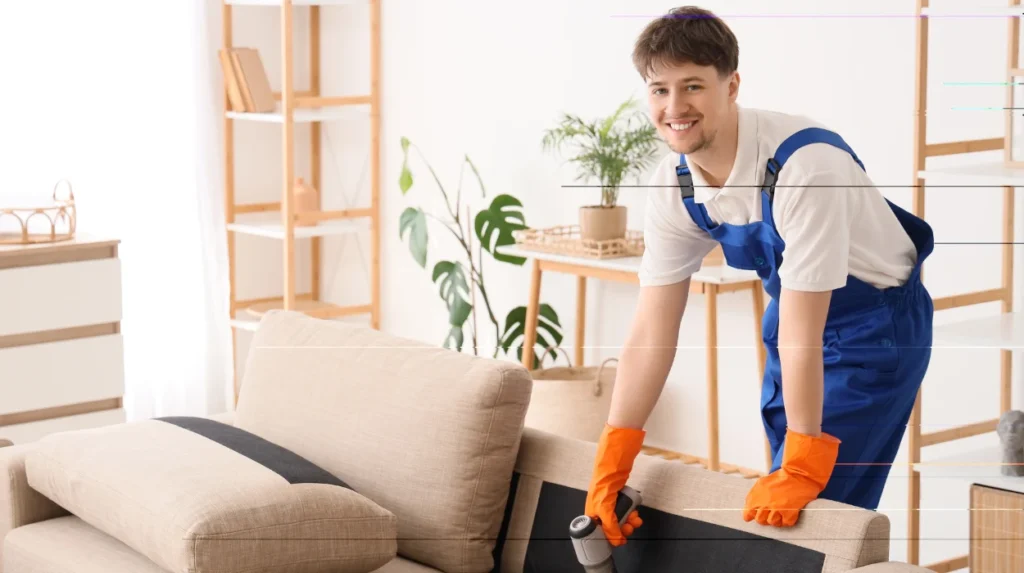
Oldham homeowners should confirm the upholstery fabric, care code, cleaning method, expected drying period, stain-treatment approach, and equipment used before booking. Clear information helps prevent unsuitable treatment and ensures the service matches the furniture’s actual cleaning requirements.
Ask whether the cleaner will inspect the fabric before treatment and whether a test area will be completed. This is particularly important for sofas with mixed fibres, delicate finishes, unusual colours, or unknown previous cleaning treatments.
It is also useful to establish whether the quoted service includes stain treatment, deodorising, extraction, drying advice, and post-cleaning inspection. Different cleaning methods can involve different preparation and drying requirements.
For local homeowners comparing Upholstery Cleaning Services in Oldham, the strongest decision is based on fabric safety and cleaning suitability rather than simply choosing the lowest price or the fastest advertised drying time.
What is the final difference between steam and dry upholstery cleaning?
Steam or hot-water extraction is primarily a deep-cleaning approach for compatible water-tolerant upholstery, while dry cleaning reduces moisture exposure for suitable sensitive materials. Neither method is universally superior because fabric compatibility determines the safest effective treatment.
The most important distinction is moisture management. Extraction introduces and removes water to reach deeper soil, whereas dry or low-moisture methods limit water exposure and can provide faster turnaround for appropriate materials.
A sofa made from durable polyester may be a strong candidate for controlled extraction, while solvent-only or moisture-sensitive upholstery may require a different process. Manufacturer instructions should always take priority.
For professional upholstery care, the objective is not to make every sofa wet or every sofa dry. It is to identify the material, understand the contamination, select appropriate cleaning-equipment, and apply the safest effective process. Bee Cleaning Services Manchester provides professional cleaning solutions based on the condition and requirements of the furniture rather than relying on a single universal method.
Frequently Asked Questions
Can all sofas be steam cleaned?
No, not all sofas can be steam cleaned safely.
The manufacturer’s care code should be checked first.
Water-sensitive fabrics may require dry or solvent-based cleaning.
Silk, suede, leather, viscose, and delicate upholstery need extra care.
Professional testing can reduce the risk of permanent fabric damage.Is steam cleaning or dry cleaning better for a fabric sofa?
Neither method is universally better because the fabric determines the safest option.
Steam or hot-water extraction can provide deeper cleaning on suitable water-tolerant upholstery.
Dry or low-moisture cleaning can be preferable for moisture-sensitive fabrics.
The care label, stain type, fabric construction, and required drying time should guide the decision.
Choosing the method based only on cleaning power can increase the risk of fabric damage.What happens if you put too much water on upholstery?
Excessive water can penetrate deeper into the upholstery and increase drying time.
It can also contribute to water marks, colour bleeding, shrinkage, or unwanted odours.
Some upholstery fabrics are particularly sensitive to moisture and should not be saturated.
Professional extraction equipment is designed to apply and recover controlled amounts of moisture.
This is why fabric identification should come before choosing a water-based cleaning method.How long does a sofa take to dry after steam cleaning?
A professionally cleaned sofa can take several hours to dry, depending on the material and cleaning process. Fabric type, moisture level, airflow, humidity, and extraction efficiency all affect drying time.
Good ventilation can help moisture evaporate more quickly after cleaning.
Low-moisture cleaning may provide a shorter drying period when the fabric is suitable.
The cleaner should give specific drying instructions after completing the upholstery treatment.Can I clean my sofa myself with a steam cleaner?
You can clean some suitable upholstery yourself, but first check the manufacturer’s cleaning code.
A household steam cleaner is not automatically suitable for every fabric or furniture construction.
DIY cleaning can cause problems when excessive moisture or unsuitable chemicals are used.