

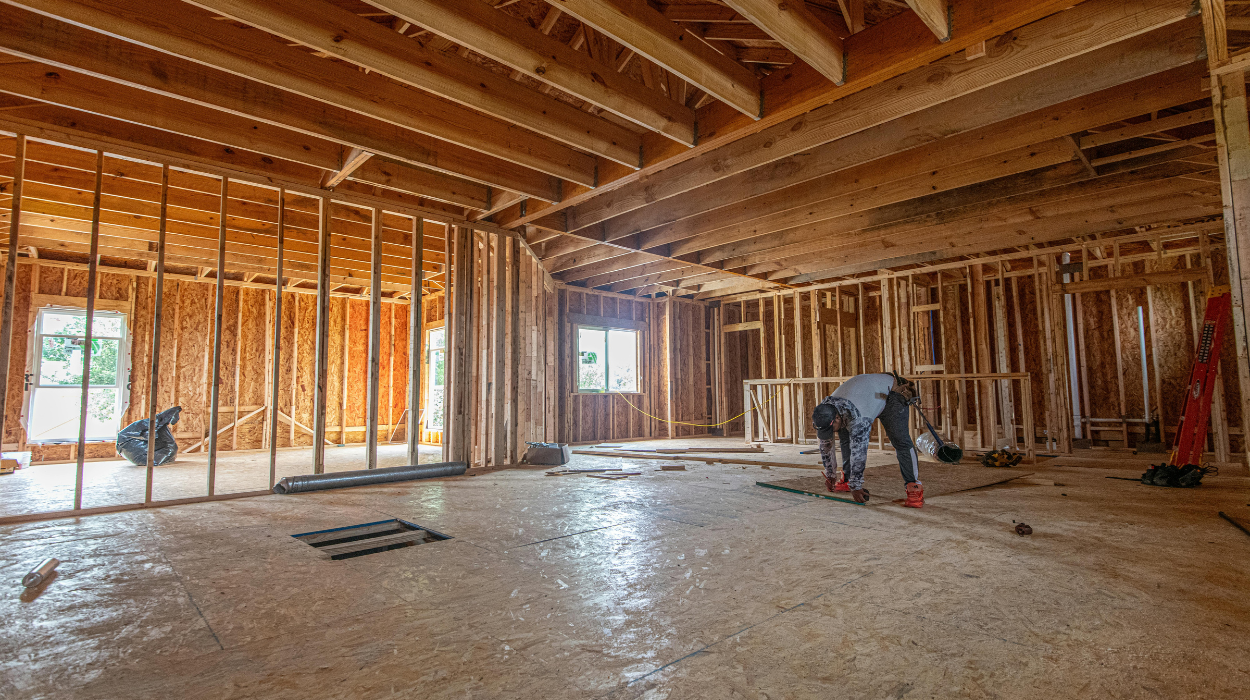
A builder’s clean removes bulk construction debris, a final clean prepares the space for handover, and a sparkle clean delivers a showroom-ready finish. Each stage serves a distinct purpose within the post-construction cleaning process, and using the wrong one at the wrong time can delay your project timeline and increase costs.
Why the Cleaning Stage You Choose Actually Matters
Construction projects produce layered waste. Dust, plaster residue, adhesive marks, and packaging debris accumulate across every surface throughout the build. Choosing the right cleaning phase is not simply about appearance; it is about matching the cleaning scope to the condition of the site. A space that has just had plastering completed requires a completely different approach compared to one that is two days away from a client walkthrough.
Many project managers assume a single cleaning visit will suffice, but that misunderstanding leads to delays during inspections and handovers. Understanding all three stages allows developers, contractors, and site managers to schedule cleaning in alignment with the construction programme. Getting this right from the start reduces the need for rework and protects the quality of finishes. Bee Cleaning Services Manchester structures all post-construction cleaning work around these three defined stages to ensure every site receives the appropriate level of service.
What Is a Builders Clean?
A builders clean is the first and most physically intensive phase of post-construction cleaning. It takes place once the main construction work has been completed but before any snagging or pre-handover inspection occurs. The primary objective is to remove the bulk waste and surface contamination left behind during the build. This includes clearing plaster dust from floors and walls, removing paint overspray, scraping adhesive residue from tiles and windows, and extracting construction packaging from within the building.
It also involves cleaning out internal drainage systems, removing stickers from glazing units, and vacuuming out newly installed joinery. The condition of the site at this point is often quite rough, so the work requires heavy-duty cleaning equipment and industrial-grade materials. This stage is also where any structural debris left around skirting boards, window reveals, or ductwork access points gets cleared for the first time. Without a thorough builders clean, subsequent cleaning stages become significantly harder and more time-consuming to complete.
What Is a Final Clean?
A final clean follows the builders clean and is typically carried out once all trades have finished their work on site. This stage is more detailed and methodical than the initial clean. It focuses on preparing every room and surface to a standard that is acceptable for a property inspection or practical completion sign-off. At this point, cleaning teams work through every area systematically, wiping down internal joinery, cleaning kitchen and bathroom units, polishing chrome fittings, and ensuring all glazing is free from smearing or residue.
Floor types are treated according to their specific requirements, whether that is scrubbing tile grout, buffing hardwood, or steam-cleaning carpeted areas. Electrical sockets, light switches, and door hardware are all cleaned in detail. The final clean is often the stage that construction site managers schedule directly before a client or building inspector visits the property. Providing construction site cleaning services in Farnworth that meet handover standards depends on executing this phase with precision and consistency.
What Is a Sparkle Clean?
A sparkle clean is the most refined stage of the three and is designed to take a property from clean to client-ready. It is typically scheduled immediately before a show home opening, a commercial premises launch, or a photography session for marketing purposes. The sparkle clean does not address construction residue since that should already have been resolved in the previous two stages. Instead, it focuses on achieving a near-perfect visual and hygienic standard across all surfaces.
This includes polishing mirrors and glass to a streak-free finish, buffing stainless steel appliances and fittings, deep-cleaning sanitary ware, and wiping down all horizontal surfaces including window ledges, shelving, and worktops. Any light dust that has resettled since the final clean is removed, and the overall appearance of the property is brought to its highest possible standard. The sparkle clean is often what creates the lasting first impression a developer or client experiences when they enter a newly completed space for the first time.
How These Three Stages Differ in Scope and Timing
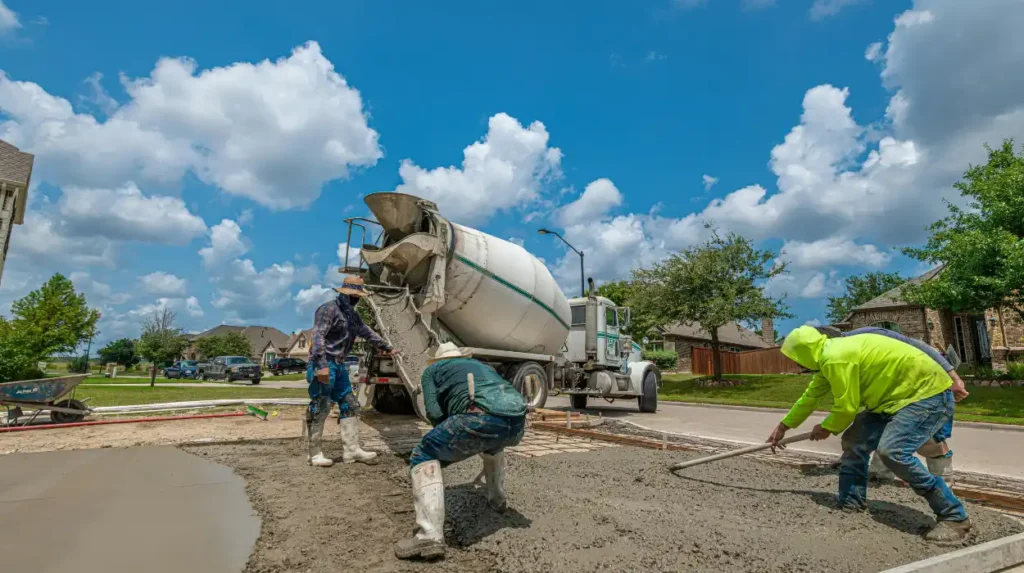
The most common point of confusion is treating these three stages as variations of the same job. In practice, they differ significantly in the equipment used, the labour time required, and the outcomes expected. A builders clean is reactive and removal-focused. A final clean is systematic and inspection-focused. A sparkle clean is detail-focused and presentation-focused. Timing is equally important. Running a sparkle clean too early, before all trades have finished, means the space will be contaminated again before anyone sees it.
Skipping the builders clean and moving straight to a final clean means the team is spending premium time on removal work that should have already been done. Understanding the key challenges involved in construction cleaning helps project teams anticipate which stage is appropriate at each phase of the build programme. Many project delays at handover can be traced back to insufficient planning around post-construction cleaning sequencing.
Which Stage Does Your Project Need Right Now?
The answer depends on where your project sits in the construction timeline. If you have just completed groundwork or internal fit-out and trades are still finishing, a builders clean is the appropriate choice. If trades have signed off and you are preparing for a snagging inspection or practical completion, a final clean is required. If the build is signed off and you are preparing for a client walkthrough, photography, or public launch, a sparkle clean is the correct stage to book.
In some projects, particularly larger commercial developments or residential schemes with multiple units, all three stages are scheduled in sequence as part of a single post-construction cleaning programme. It is also common for the sparkle clean to be repeated across individual units as they reach completion, while earlier units are still progressing through the builders clean phase. If you are currently weighing up which cleaning package matches your project scope and budget, reviewing construction cleaning package comparisons for your project type will help you make a well-informed decision before committing to a service.
The Role of Professional Cleaning Teams in Post-Construction Projects
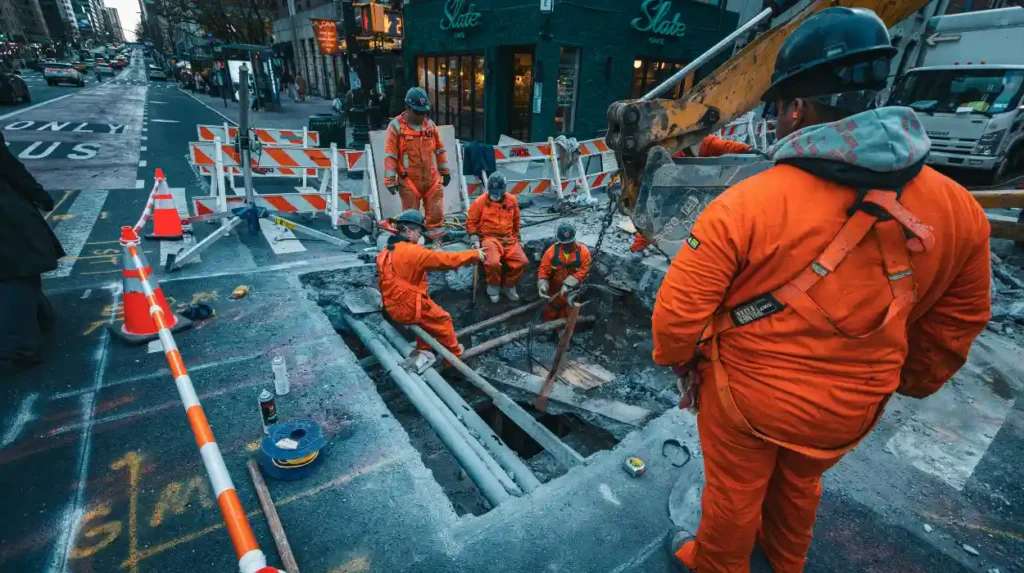
Post-construction cleaning is a specialised discipline that requires trained operatives, appropriate equipment, and an understanding of construction site safety. General domestic or commercial cleaners are not equipped to manage the volumes of dust, the chemical compositions of construction residues, or the protocols required to work safely on an active or recently completed construction site.
Professional teams bring COSHH-compliant cleaning products, industrial vacuums with HEPA filtration, and the procedural knowledge to protect newly installed surfaces during the cleaning process. They work to defined specifications that align with practical completion standards, which means less time renegotiating scope and fewer surprises at inspection. The difference between a satisfactory handover and a delayed one often comes down to whether the right cleaning team was engaged at the right stage.
Post-construction cleaning is not a single event but a structured process that moves a building from construction condition to occupancy-ready in measurable stages. Understanding the difference between a builders clean, a final clean, and a sparkle clean gives project teams the knowledge to schedule appropriately, manage expectations accurately, and protect the quality of finishes throughout the handover process.
Bee Cleaning Services Manchester delivers all three stages of post-construction cleaning as part of a professional, coordinated service, including specialist construction cleaning services in Farnworth, designed to meet the standards required at each phase of a construction project.
What are the three forms of clean?
The three forms of clean in post-construction settings are the builders clean, the final clean, and the sparkle clean. Each stage serves a different purpose, moving a property from rough construction condition through to a polished, client-ready finish.
What are the 5 methods of cleaning?
The five main methods of cleaning are sweeping, vacuuming, mopping, scrubbing, and wiping down surfaces. In construction cleaning, these methods are applied in a specific sequence, with heavy-duty techniques used during the builders clean and precision-based methods reserved for the sparkle clean stage.
What are the four elements of cleaning?
The four core elements of cleaning are time, temperature, mechanical action, and chemical concentration, often referred to as the Sinner’s Circle. Balancing these four elements correctly is what separates a basic clean from a professional post-construction clean.
What is the 90 90 rule for cleaning?
The 90 90 rule suggests that 90 percent of dirt is found in 10 percent of the space, typically high-traffic zones and contact surfaces. In a builders clean or sparkle clean, this principle helps cleaning teams prioritise the areas that will have the greatest visual and hygienic impact on the finished result.
What is the 33 closet rule?
The 33 closet rule is a decluttering principle where you keep only the items you actively use and remove the rest. While it originates from minimalist lifestyle practice, it is relevant to sparkle cleans in residential handovers where clearing storage areas is part of preparing a property for its new occupant.