
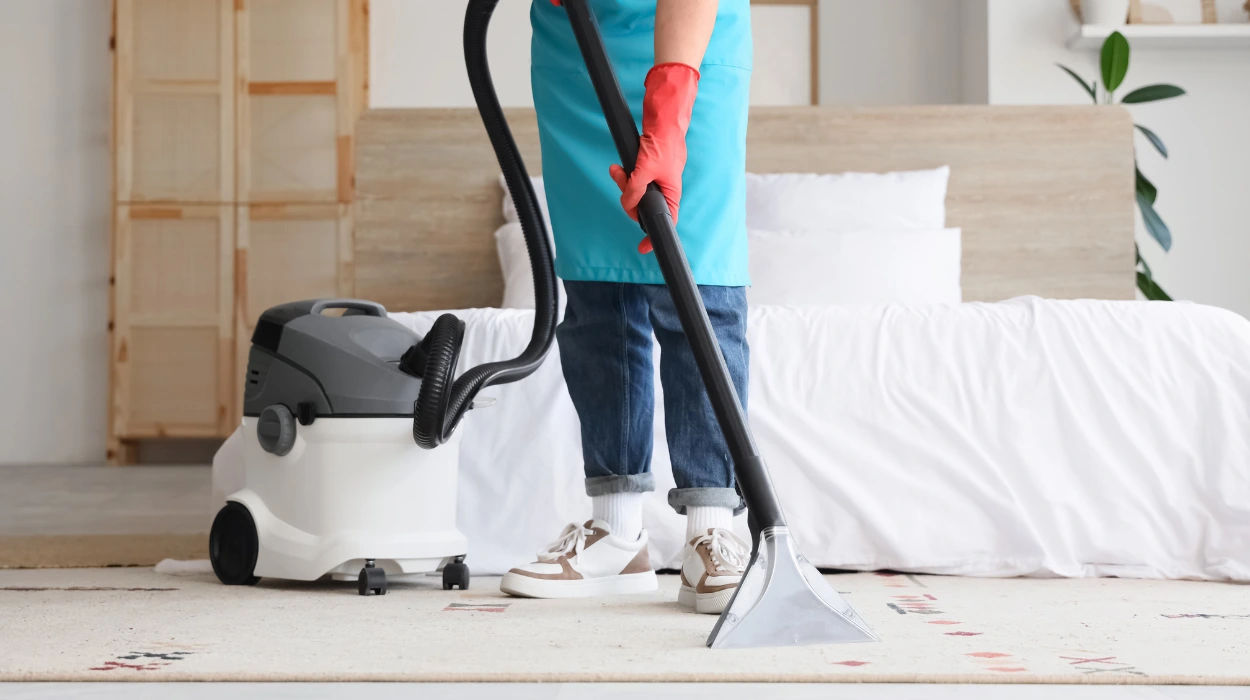
Professional deep carpet cleaning services in Farnworth can fully restore heavily soiled carpets by extracting embedded dirt, bacteria, and odour-causing residues that regular vacuuming simply cannot reach. With the right equipment, trained technicians, and industry-grade solutions, even carpets that appear permanently stained or discoloured can be brought back to a clean, hygienic, and refreshed condition.
Why Heavily Soiled Carpets Need More Than Surface Cleaning
Carpets in busy homes and commercial spaces go through significant daily wear. Foot traffic, spills, pet activity, and airborne particles all contribute to a build-up of soil that settles deep within carpet fibres over time. Standard vacuuming removes surface-level debris, but it does not address the layers of compacted dirt, moisture residue, and biological matter embedded further below. This distinction matters considerably when carpets begin to look flat, grey, or persistently stained despite regular upkeep. The longer soiling remains untreated, the more it bonds with carpet fibres, making removal increasingly difficult without professional intervention. Understanding the nature of deep soiling is the first step toward choosing a cleaning method that genuinely works.
Heavy soiling also affects indoor air quality. As carpets accumulate allergens, dust mites, mould spores, and bacteria, these particles can become airborne during movement, contributing to respiratory irritation and poor living conditions. In households with children, elderly residents, or individuals with allergies, this represents a meaningful health consideration. Professional carpet cleaning services in Farnworth address both the visible and invisible dimensions of carpet contamination, delivering results that go beyond aesthetics. The process reaches the carpet backing and underlay area, where the majority of biological contaminants reside, ensuring a thorough clean that restores both appearance and hygiene.
What the Deep Cleaning Process Actually Involves
The deep cleaning process used by professional services follows a structured sequence designed to maximise soil extraction without damaging carpet fibres. It typically begins with a thorough dry vacuuming pass to lift loose debris and prepare the surface for treatment. Pre-treatment solutions are then applied to heavily soiled areas and stain points, allowing active agents to break down bonded soil and loosen dried residues before the main cleaning stage begins. This pre-treatment stage is particularly important for carpets that have not been professionally cleaned for an extended period, as it significantly improves the overall extraction outcome. Different carpet materials, whether wool, nylon, polypropylene, or blended fibres, require specific solution types and dwell times to achieve safe yet effective results. A professional technician will assess the carpet type before selecting the appropriate pre-treatment product.
Hot water extraction, commonly referred to as steam cleaning, is the most widely used method for deep cleaning heavily soiled carpets. The process involves injecting heated water mixed with a cleaning solution deep into the carpet pile at controlled pressure, then immediately extracting it along with dissolved dirt, allergens, and biological residues using powerful suction. This dual action of injection and extraction is what makes the method so effective for deep soiling, as it physically removes contamination rather than simply pushing it further into the fibres. Modern professional machines operate at extraction efficiency levels that leave carpets only slightly damp, typically drying within a few hours under normal ventilation conditions. Bee Cleaning Services Manchester uses calibrated equipment to ensure extraction is thorough while protecting carpet pile integrity throughout the process.
How Stubborn Stains Are Treated During Professional Cleaning
Not all stains respond to the same treatment, and a skilled technician approaches each type with a targeted method rather than applying a single universal product. Organic stains, such as those from food, drinks, and pet accidents, require enzyme-based solutions that break down the biological matter at a molecular level. These products work by accelerating the natural decomposition of organic compounds, neutralising both the stain and the odour simultaneously. Synthetic stains from ink, paint, or cleaning product residue require different chemical approaches, often involving pH-adjusted solutions and controlled agitation to lift the stain without spreading or setting it further. Identifying the stain origin before treatment is therefore an important diagnostic step that professional technicians carry out as part of the pre-cleaning assessment.
Traffic lanes, which are the darkened strips that form along common walking paths, are among the most persistent soiling patterns in residential and commercial carpets. They develop when abrasive soil particles accumulate and physically wear down carpet fibres over time, creating areas that appear darker and flattened. Professional treatment for traffic lanes involves extended dwell time with penetrating cleaning agents and multiple extraction passes to progressively lift the compacted material. While very long-standing traffic lane soiling may have caused some degree of permanent fibre wear, significant visual improvement is achievable in most cases. This is one of the areas where professional results clearly exceed what domestic cleaning equipment can deliver, given the combination of solution strength and extraction power required.
Odour Removal and Sanitisation in Heavily Soiled Carpets
Persistent carpet odours are almost always the result of biological activity occurring within the carpet structure rather than on its surface. Pet urine, mould growth, food decomposition, and bacterial colonies all produce odour-generating compounds that remain active until the source is neutralised. Masking these odours with fragrance-based products provides only temporary relief and does nothing to address the underlying contamination. Professional deep cleaning targets the source of odour by removing the biological material itself through extraction and treating residual areas with sanitising agents that inhibit further microbial activity. Enzyme-based deodorising treatments are particularly effective for pet-related odour removal, as they break down the uric acid crystals that remain after drying and continue to emit odour over time.
Sanitisation as part of the deep cleaning process is also relevant in contexts such as post-illness recovery, rental property turnovers, and environments where vulnerable individuals are present. Professional-grade sanitising agents applied following extraction can significantly reduce the microbial load within the carpet, contributing to a healthier indoor environment. Bee Cleaning Services Manchester incorporates sanitisation steps into its deep cleaning procedures where required, ensuring that carpets are not only visually clean but also hygienically safe for everyday use. This combined approach to odour removal and sanitisation is one of the primary distinctions between a surface-level clean and a genuinely thorough deep cleaning service.
Factors That Affect Deep Cleaning Results
Several variables influence the outcome of a professional deep carpet clean, and understanding them helps set realistic expectations before the service takes place. The age and condition of the carpet matter significantly: newer carpets with intact fibres respond better to cleaning and achieve brighter results, while older carpets with worn pile may show improved cleanliness without a full restoration of colour depth. The type of soiling present also plays a role, as water-soluble stains are generally easier to remove than oil-based or chemically set ones. The length of time soiling has been present is another critical factor, since fresh stains are almost always more treatable than those that have dried, oxidised, or been ground deeper into the fibres over repeated foot traffic. A professional assessment before cleaning helps identify which areas require focused attention and which results are realistically achievable.
The quality of the equipment and the skill of the technician are equally important determinants of outcome. Industrial-grade hot water extraction machines deliver significantly higher water temperature and extraction pressure than consumer rental units, which directly affects how much embedded soil is removed during the clean. Technician training determines whether the correct products are selected for each carpet type and stain category, whether dwell times are properly managed, and whether the extraction sequence is carried out in a way that prevents resoiling or fibre damage. For carpets with heavy or complex soiling, a single cleaning pass is sometimes not sufficient, and a repeat treatment or specialist spot treatment may be recommended following the initial clean. Professional carpet cleaning services in Farnworth that operate with this level of attention to process consistency deliver the most reliable results across varying carpet conditions.
Carpet Type Considerations for Deep Cleaning
Different carpet materials require different handling during professional deep cleaning. Wool carpets are natural fibres that are sensitive to high temperatures and alkaline cleaning solutions, requiring carefully pH-neutral products and lower extraction temperatures to prevent shrinkage or pile distortion. Synthetic carpets made from nylon or polypropylene are generally more resilient and can tolerate a wider range of cleaning approaches, including higher temperature extraction methods. Blended carpets combine characteristics of both and should be treated according to the most sensitive fibre present within the blend to avoid damage. Understanding these material differences is not merely a technical preference; it directly affects whether the carpet emerges from the cleaning process in better or worse condition than before. A professional technician identifies carpet construction before applying any solution, ensuring that the cleaning method is appropriate for the specific material being treated.
Berber, loop pile, cut pile, and frieze carpets also differ in how they collect and retain soil, and in how they respond to agitation during cleaning. Loop pile styles such as Berber can be susceptible to fuzzing if agitated with rotary brushes, making extraction-only methods preferable for these constructions. Cut pile carpets with longer fibres require slower extraction passes to allow sufficient dwell time for the cleaning solution to reach the base of the pile. These technical considerations reinforce why professional assessment is a necessary first step before any deep cleaning begins, and why the quality of the service provider has a direct bearing on whether the carpet is cleaned effectively and safely. Bee Cleaning Services Manchester approaches each carpet type with the specific method it requires rather than applying a single technique across all situations.
How to Maintain Results After Professional Deep Cleaning
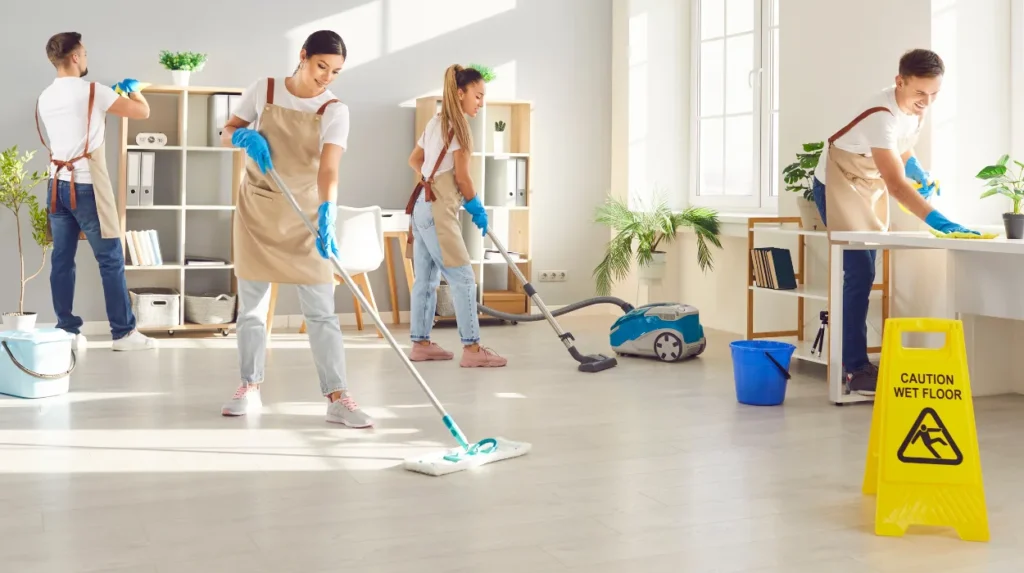
Following a professional deep clean, a few straightforward practices can help extend the cleanliness of the carpet and delay the next required professional service. Placing entrance mats at all doorways reduces the volume of soil tracked onto cleaned carpet surfaces, as a significant proportion of indoor soiling originates from footwear. Removing footwear indoors is a simple and effective complement to this approach, particularly in households with light-coloured carpeting. Attending to spills promptly with a clean absorbent cloth and blotting rather than rubbing can prevent liquids from penetrating to the backing before they have an opportunity to set. Avoiding the use of over-the-counter stain sprays that leave sticky residues is also advisable, as these residues attract further soiling and can make subsequent professional cleaning more difficult. Regular vacuuming, at least twice per week in high-traffic areas, keeps surface soil from working its way deeper into the pile.
For properties with pets, children, or high daily foot traffic, professional deep cleaning on an annual or bi-annual basis is a practical maintenance schedule that keeps carpets in consistently good condition. In commercial environments or heavily used residential spaces, more frequent cleaning may be necessary to maintain acceptable hygiene and appearance standards. Pairing routine professional cleaning with appropriate interim care creates a maintenance cycle that preserves carpet condition, extends the functional lifespan of the carpet, and supports a healthier indoor environment throughout the year. For homeowners considering the best approach to carpet maintenance in high-use areas, understanding what deep cleaning for heavily soiled carpets involves — and what professional carpet cleaning services in Farnworth can realistically achieve is an important starting point for making informed decisions about care and investment.
Deeply soiled carpets are not a permanent problem when approached with the right professional method and properly calibrated equipment. From pre-treatment and hot water extraction to targeted stain removal and odour neutralisation, professional deep cleaning addresses carpet contamination at every level of the fibre structure. Bee Cleaning Services Manchester provides professional carpet cleaning solutions in Farnworth that combine technical expertise with appropriate equipment to deliver consistent, thorough results across a wide range of carpet types and soiling conditions. Whether the goal is restoring a heavily neglected carpet, maintaining a high-traffic residential space, or preparing a property for a new occupancy, professional deep cleaning represents a practical and effective solution.
My carpet hasn’t been cleaned in 3 years, and it looks grey and flat. Is it even worth getting it professionally cleaned, or should I just replace it?
It is almost always worth trying a professional deep clean before replacing the carpet, especially if the greyness comes from embedded soil rather than fibre damage. Hot water extraction can remove years of compacted dirt and significantly restore both colour and texture in most carpet types. A professional technician can assess whether the carpet fibres are structurally intact or genuinely worn beyond recovery during the pre-clean inspection.
Why does my carpet smell worse after I cleaned it myself with a rental machine? I made it worse somehow.
This is one of the most common carpet cleaning complaints and it happens because rental machines do not extract enough moisture, leaving the carpet and its backing damp for too long. That trapped moisture creates ideal conditions for mould and mildew growth within the carpet structure, which produces a musty odour worse than the original soiling. Over-the-counter cleaning solutions also leave sticky residues that attract new dirt rapidly, making the carpet look soiled again within days.
Can carpet cleaning actually remove pet urine smell permanently, or does it just come back after a few weeks?
Standard carpet cleaning alone will not permanently eliminate pet urine odour unless enzyme-based treatment is used specifically on the affected areas. Pet urine leaves behind uric acid crystals that dry and become odourless temporarily, then reactivate with humidity and produce the smell again. Enzyme treatments break down these crystals at a molecular level, which is the only method that genuinely neutralises the odour source rather than masking it.
How do I know if a carpet cleaning company in my area is actually good or just going to make my carpets worse?
Look for companies that carry out a pre-clean assessment before quoting, ask about your carpet type, and explain what method they will use rather than offering a flat-rate price for everything. A legitimate professional service will identify stain types, discuss realistic outcomes, and use equipment that extracts moisture effectively rather than leaving carpets wet for days. Check whether they are using hot water extraction equipment or just a basic spray-and-scrub approach, as this distinction significantly affects results.
Is there any point getting carpets deep cleaned in a rented house before I move out, or will the landlord just charge me anyway?
Getting a professional end-of-tenancy carpet clean from a documented, receipted service is one of the most effective ways to protect your deposit, as most tenancy agreements specifically require professional cleaning upon vacating. Landlords and letting agents are generally unable to charge for carpet cleaning if you can produce evidence that a professional clean was carried out, provided the carpets are in a reasonable condition beyond normal wear and tear.