
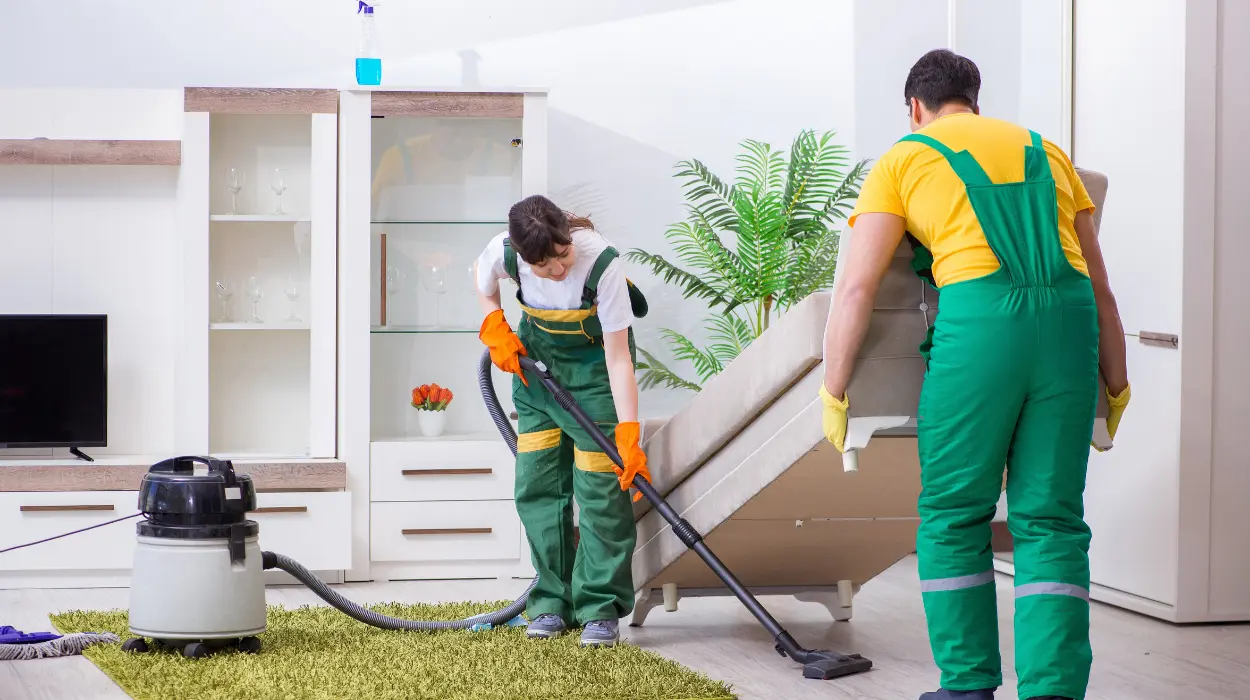
Carpet Cleaning Services in Farnworth can effectively remove deep stains and persistent odours using advanced equipment and specialised cleaning solutions. Professional methods target embedded dirt, bacteria, and allergens that standard household cleaning cannot fully eliminate.
Why Carpets Trap Stains and Odours
Carpets naturally act as filters, trapping dust, dirt, allergens, and moisture over time. While this helps improve indoor air quality initially, it also means contaminants settle deep into the fibres. Regular vacuuming only removes surface debris, leaving deeper particles untouched.
Spills, pet accidents, and everyday foot traffic gradually build layers of residue beneath the surface. These layers can create unpleasant smells and visible staining that worsen over time. Even if the carpet appears clean at first glance, underlying contamination may still exist.
Humidity and improper drying can also contribute to odour development. Moisture trapped in carpet padding creates an environment for bacteria and mould growth. This is often the hidden reason behind lingering smells after DIY cleaning attempts.
Professional cleaning addresses both visible and invisible contamination. By penetrating deeper layers, it removes the root cause rather than just masking the issue. This is particularly important for maintaining long-term hygiene and carpet durability.
Key Signs Your Carpet Needs Professional Cleaning
One of the most noticeable signs is persistent staining that does not respond to household cleaners. These stains often include wine, coffee, grease, or pet-related marks that bond with carpet fibres. Over time, they become harder to remove without specialised treatment.
Another indicator is lingering odours that remain even after vacuuming or deodorising. These smells typically come from bacteria, mould, or trapped organic matter deep within the carpet. If the odour returns quickly, it suggests the source has not been fully removed.
Discolouration or uneven shading across the carpet surface can also signal embedded dirt. High-traffic areas often appear darker due to accumulated grime. This not only affects appearance but also indicates fibre degradation over time.
Allergy symptoms increasing indoors may also point to dirty carpets. Dust mites, pollen, and allergens build up in fibres and become airborne when disturbed. Professional cleaning helps reduce these irritants significantly.
How Professional Cleaning Removes Tough Stains
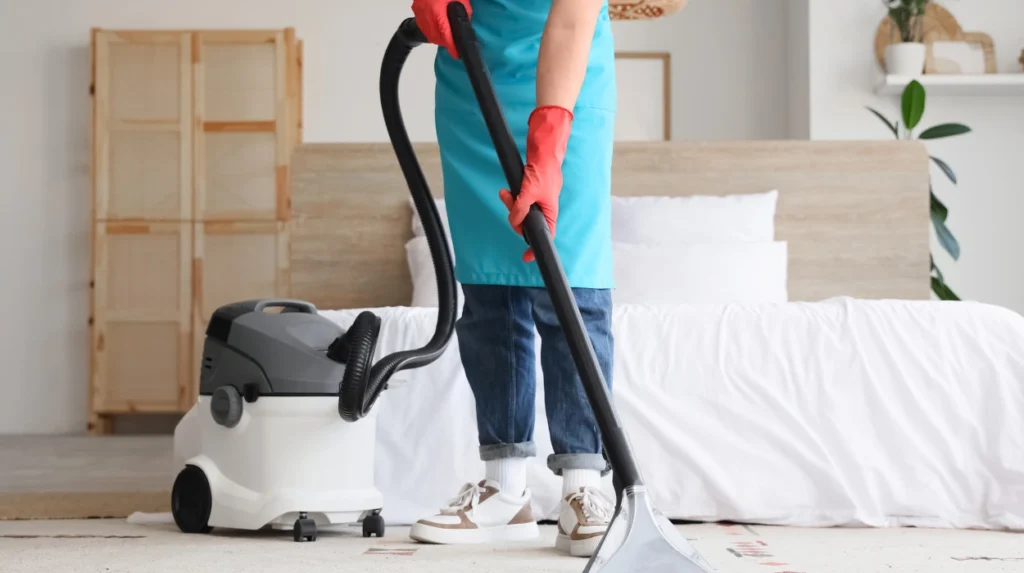
Professional carpet cleaning uses techniques such as hot water extraction, also known as steam cleaning. This method injects heated water and cleaning agents deep into the carpet, loosening dirt and stains. The solution is then extracted along with contaminants.
Specialised stain removal products are used depending on the type of stain. Protein-based stains, oil-based marks, and dye stains each require different treatment approaches. This targeted process increases the chances of complete removal without damaging fibres.
Advanced equipment provides stronger suction than domestic machines. This ensures that not only the stain but also the cleaning residue is removed effectively. As a result, carpets dry faster and are less likely to attract new dirt quickly.
Technicians also assess carpet material before treatment. Different fibres such as wool, nylon, or polyester react differently to cleaning solutions. Proper assessment prevents damage and ensures optimal cleaning results.
Eliminating Odours at the Source
Odour removal is not just about applying fragrance. Professional cleaning targets the bacteria and organic matter causing the smell. Enzyme-based cleaners are often used to break down these compounds at a molecular level.
Deep extraction removes moisture and residues that contribute to odour formation. This is particularly important in cases of pet accidents or spills that seep into the carpet padding. Without addressing the padding, odours can persist.
Drying techniques also play a critical role. Proper airflow and moisture control prevent mould and mildew growth after cleaning. This ensures that carpets remain fresh for longer periods.
Deodorising treatments may be applied after cleaning to neutralise any remaining smells. These treatments are designed to be safe for indoor environments and do not simply mask odours temporarily.
The Role of Carpet Cleaning Services in Farnworth
Carpet Cleaning Services in Farnworth provide tailored solutions based on local environmental conditions and common household needs. Factors such as weather, foot traffic, and property types influence how carpets accumulate dirt and moisture.
Professionals in this area often deal with high-traffic homes and commercial spaces. This requires a combination of deep cleaning techniques and protective treatments to maintain carpet quality. Regular professional cleaning extends the lifespan of carpets significantly.
Bee Cleaning Services Manchester applies industry-standard methods to ensure consistent results. Their approach focuses on both cleaning effectiveness and material safety. This balance is essential for preserving the texture and appearance of carpets.
In addition to stain and odour removal, professional services also help restore carpet colour and softness. This improves the overall look and feel of interior spaces without the need for replacement.
When DIY Cleaning Is Not Enough
Household carpet cleaning machines can handle minor surface dirt but often lack the power for deep cleaning. They may leave behind moisture, which can lead to further issues such as mould or odour development.
Incorrect use of cleaning products can also damage carpet fibres. Overuse of detergent may cause residue buildup, making carpets sticky and prone to faster re-soiling. This reduces the effectiveness of regular cleaning efforts.
DIY methods are also limited in dealing with specific types of stains. Without proper knowledge of stain chemistry, attempts to clean may set the stain permanently. Professional assessment ensures the right treatment is applied from the start.
For a more thorough approach, consider exploring a deep carpet cleaning process for long-term results. This provides a clearer understanding of what professional services offer.
The Process Behind Professional Carpet Cleaning
The process typically begins with an inspection to identify stains, fibre type, and areas requiring special attention. This step ensures that the cleaning method is tailored to the carpet’s condition.
Pre-treatment solutions are applied to loosen dirt and stains. This stage is crucial for breaking down stubborn residues before the main cleaning process begins. It enhances the effectiveness of extraction methods.
Hot water extraction or other suitable techniques are then used to clean the carpet deeply. High-powered machines remove dirt, bacteria, and cleaning agents simultaneously. This leaves the carpet cleaner and less prone to rapid re-soiling.
Post-cleaning inspection ensures that stains have been removed and the carpet is drying properly. Additional treatments such as stain protection may be applied if required.
How Often Should Carpets Be Professionally Cleaned?
The frequency of professional cleaning depends on factors such as foot traffic, household size, and presence of pets. In general, carpets should be professionally cleaned at least once or twice a year. Homes with children or pets may require more frequent cleaning due to increased spills and dirt accumulation. High-traffic areas such as living rooms and hallways tend to wear out faster without regular maintenance.
Regular cleaning not only improves appearance but also maintains hygiene. It prevents long-term damage and reduces the need for costly replacements. For more detailed insights, understanding how stains and odours develop in carpets over time can help determine the right cleaning schedule.
Benefits Beyond Stain and Odour Removal
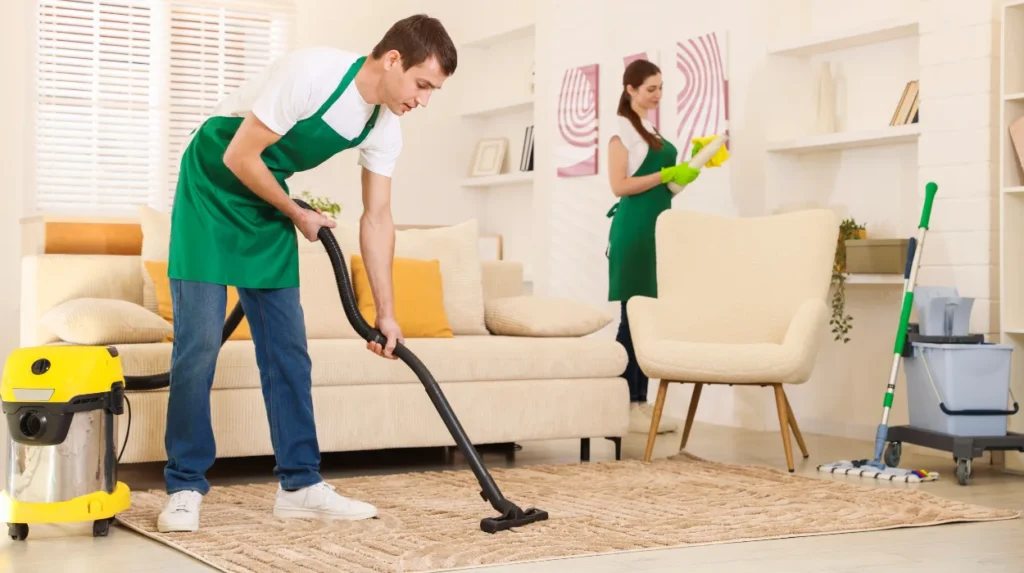
Professional carpet cleaning improves indoor air quality by removing allergens and pollutants. This is particularly beneficial for individuals with respiratory conditions or allergies. It also enhances the overall appearance of a space. Clean carpets contribute to a more organised and hygienic environment, whether in homes or workplaces.
Another advantage is the preservation of carpet fibres. Removing abrasive dirt particles reduces wear and tear, helping carpets maintain their texture and structure over time. In some cases, protective coatings can be applied to prevent future staining. These treatments create a barrier that makes it easier to clean spills before they become permanent stains.
Choosing the Right Time for Professional Cleaning
Timing plays an important role in achieving the best results. Seasonal changes, increased indoor activity, and specific events may influence when cleaning is needed. For instance, after winter months, carpets often accumulate more dirt and moisture. Spring cleaning is a common time to restore freshness and hygiene. Similarly, post-event cleaning helps remove heavy traffic stains.
Urgent situations such as spills or odour issues may require immediate attention. In such cases, reviewing same-day carpet cleaning service options for quick results can be helpful.
Professional carpet cleaning is an effective solution for removing tough stains and persistent odours. It addresses deep-seated contamination that regular cleaning methods cannot reach, ensuring better hygiene and longer carpet life.
Bee Cleaning Services Manchester delivers structured and reliable cleaning solutions tailored to different carpet types and conditions. Their approach focuses on thorough cleaning, material care, and consistent results, helping maintain cleaner and healthier indoor spaces.
Can new carpet smell cause headaches?
Professional carpet cleaning can reduce odours linked to chemicals or new carpet materials. Strong smells may release VOCs, which can sometimes trigger headaches. Proper ventilation and deep cleaning help minimise these effects and improve indoor air quality.
Why does my carpet still stink after shampooing it?
If your carpet still smells after shampooing, it usually means residue, moisture, or bacteria remain deep in the fibres or backing. Shampooing often cleans surface layers only, leaving hidden contaminants that continue producing unpleasant odours over time.
Will steam cleaning remove odors?
Steam cleaning can remove most odours by extracting deep dirt, bacteria, and moisture. However, severe contamination in carpet padding may require multiple treatments. It is one of the most effective methods for deep deodorising carpets.
How often should you deodorize carpets?
Carpets should typically be deodorised every 6 to 12 months depending on usage, pets, and traffic levels. Regular deodorising helps control bacteria build-up, prevents lingering smells, and keeps indoor environments fresher and healthier overall.
What do people sprinkle on their carpets before vacuuming?
People often sprinkle baking soda on carpets before vacuuming. It helps absorb odours and loosen dirt. However, it only offers temporary freshness and does not replace deep professional cleaning for removing embedded dirt and bacteria effectively.