

Professional deep extraction methods can remove most old, set-in stains from fabric sofas by breaking down embedded residues deep within the textile fibers. Advanced high-pressure hot water extraction and specialized pH-balanced treatments successfully lift stubborn spots without damaging the delicate underlying upholstery material.
Over time, everyday spills from coffee, wine, ink, or pet accidents bond with textile fibers, making standard household cleaners ineffective. Knowing how professional technicians tackle deep-seated spots helps homeowners choose the right restoration approach for their furniture.
Understanding Why Old Fabric Stains Become Permanent Over Time
When liquid spills land on upholstered furniture, the fluid penetrates beyond the surface microfibers into the structural cushioning beneath. As the moisture evaporates, organic compounds, sugars, and pigments crystallize and lock onto the woven threads.
Subsequent exposure to atmospheric oxygen, ambient indoor heat, and natural sunlight oxidizes these trapped particles over several months. Oxidation darkens the discoloration, turning light coffee or food marks into tough, rigid dark spots.
Standard domestic maintenance often fails because household spray cleaners only affect the uppermost surface layer of fabric. Rubbing stubborn marks with off-the-shelf retail solutions can push pigment particles deeper into padding or cause permanent color fading.
How Professional Cleaning Equipment Tackles Set-in Upholstery Spots
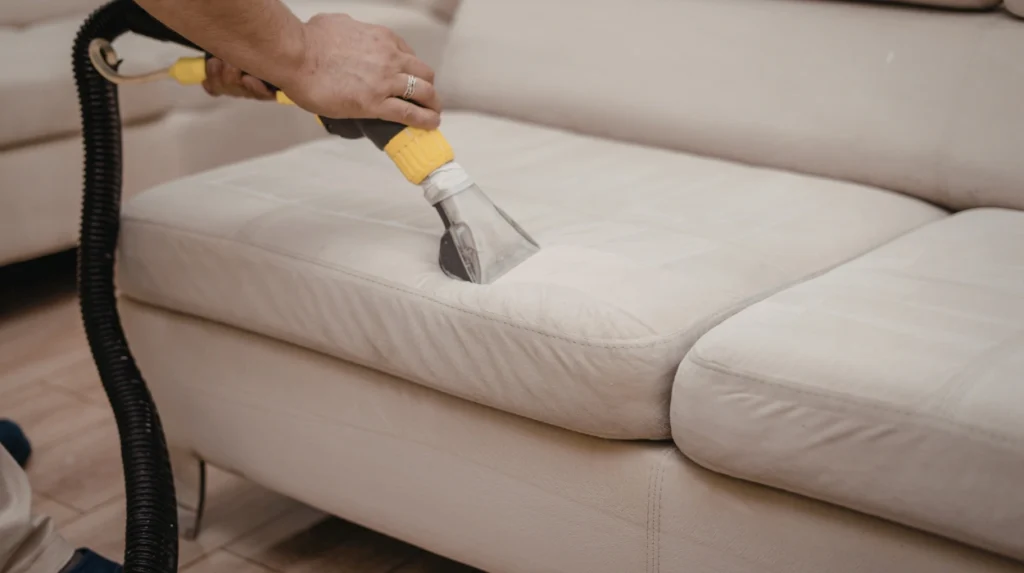
Commercial restoration relies on high-grade cleaning-equipment engineered to extract deeply embedded contaminants under controlled heat and pressure conditions. Heavy-duty hot water extractors heat water above ambient boiling thresholds while applying powerful suction force.
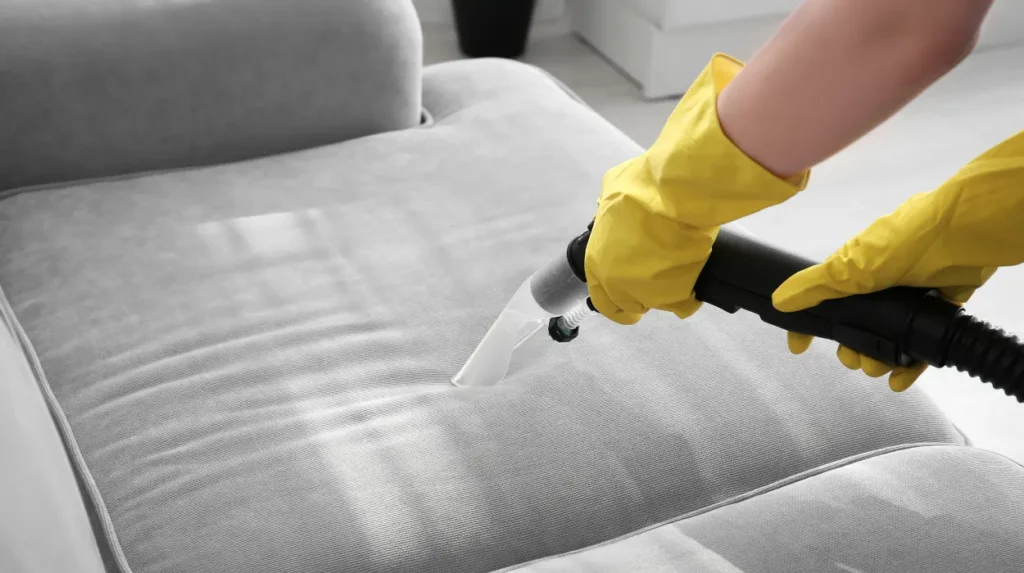
Specialized extraction units inject targeted cleaning solutions directly into structural weave before rapidly pulling back moisture. This simultaneous injection and suction prevents fabric oversaturation while completely removing suspended particulate matter.
Professional technicians match specific temperature and pressure settings to different textile compositions. Sensitive natural materials require gentle low-pressure vapor systems, whereas durable synthetic microfiber blends tolerate stronger thermal agitation.
Evaluating Different Fabric Types and Their Stain Retention Rates
Natural fibers like cotton, linen, and wool possess highly porous structures that readily absorb liquid spills and hold onto organic pigments. Because these threads absorb dyes quickly, aged spots require enzyme-based pre-treatments to break down complex molecular bonds.
Synthetic materials like polyester, nylon, and acrylic demonstrate higher natural stain resistance due to non-porous polymer strands. However, synthetic weaves attract body oils and grease, which create dull, sticky patches over extended periods.
Identifying the exact fabric code on furniture care tags ensures proper chemical selection. Using specialized upholstery cleaning services in Oldham guarantees that proper solvent ratios prevent dye bleeding, structural shrinkage, or fiber distortion.
Key Factors Determining Complete Removal Versus Stain Fading
The overall success rate of removing older spots depends heavily on prior DIY cleanup attempts made at home. Chemical reactions from mismatched grocery store spotters can permanently set dye molecules into textile matrixes.
The specific substance involved dictates the required chemical counter-agent for restoration. Protein-based stains from blood or dairy require cool enzyme digestion, while tannin marks from tea or wine require acidic rinse solutions.
Heat exposure from home steam irons or hair dryers can cook protein compounds into fabric matrices permanently. When complete elimination isn’t possible without risking fabric degradation, professional deep cleaning lightens discolored areas significantly while sanitizing inner cushioning.
Health Benefits of Removing Deep-Seated Stains and Residual Soil
Beyond improving visual appearance, deep extraction removes accumulated bio-pollutants, dead skin cells, and microscopic dust mite droppings trapped within furniture. These hidden particles circulate through home air systems whenever occupants sit on soft furnishings.
Old organic spills create ideal breeding grounds for mold spores and bacteria in humid indoor environments. Deep cleaning neutralizes bacteria at the root, eliminating musty odors and improving overall indoor air quality.
Understanding how upholstery care impacts indoor health helps homeowners maintain cleaner living environments. Removing buried allergens protects sensitive household members from chronic respiratory discomfort.
Protecting Upholstery After Deep Extraction and Stain Treatment
Once fabrics undergo deep cleaning, applying a high-grade fluoropolymer fabric protector creates a hydrophobic barrier around individual threads. This invisible shield prevents future liquid spills from penetrating deep into internal cushioning.
Protective treatments cause liquid droplets to bead up on surface materials, allowing easy cleanup with simple paper towels. This protective layer reduces surface friction, preventing premature wear on high-use seating cushions.
For households with leather components alongside fabric upholstery, distinct maintenance techniques maintain structural elasticity. Reviewing specialized leather restoration strategies helps prevent surface cracking and finish degradation on natural hides.
Restoring Fabric Sofas with Professional Care
Removing persistent discoloration requires specialized knowledge, calibrated thermal pressure equipment, and targeted neutralizers. Bee Cleaning Services Manchester provides comprehensive fabric care solutions that eliminate deep-seated spots while extending the lifespan of domestic furnishings.
Frequently Asked Questions
Can professional cleaning remove years-old coffee stains from fabric?
Yes, professional cleaning can often remove years-old coffee stains using targeted enzyme pre-sprays and high-pressure extraction. Coffee contains tannins that bind to textile fibers over time, requiring specialized acidic rinsing agents to break down oxidized pigments without lifting original fabric dyes.
Will hot water extraction shrink my fabric sofa covers?
Hot water extraction will not shrink fabric sofa covers when performed by trained technicians using calibrated temperature controls. Moisture levels are carefully managed through high-powered suction equipment that instantly recovers up to 95 percent of injected water, leaving fabrics dry within hours.
Is it safe to use supermarket stain removers on old sofa marks?
Supermarket stain removers often contain generic bleaching agents or high-pH detergents that can set stains permanently or cause discoloration. Off-the-shelf formulas can also leave sticky chemical residues behind, which attract surrounding atmospheric dust and accelerate future fabric soil build-up.
How long does a fabric sofa take to dry after deep stain removal?
A fabric sofa typically takes between 4 to 8 hours to dry completely following professional deep extraction. Drying times depend on ambient room temperature, indoor humidity levels, air movement, and the original density of the upholstery padding underneath.
Can all types of fabric sofa stains be 100% removed?
While most stains can be completely removed, spots caused by harsh chemical bleach, permanent dye transfers, or severe heat scorching cannot be fully erased. Professional cleaning will sanitize the area, neutralize odor sources, and lighten set-in marks to their absolute physical limit.