

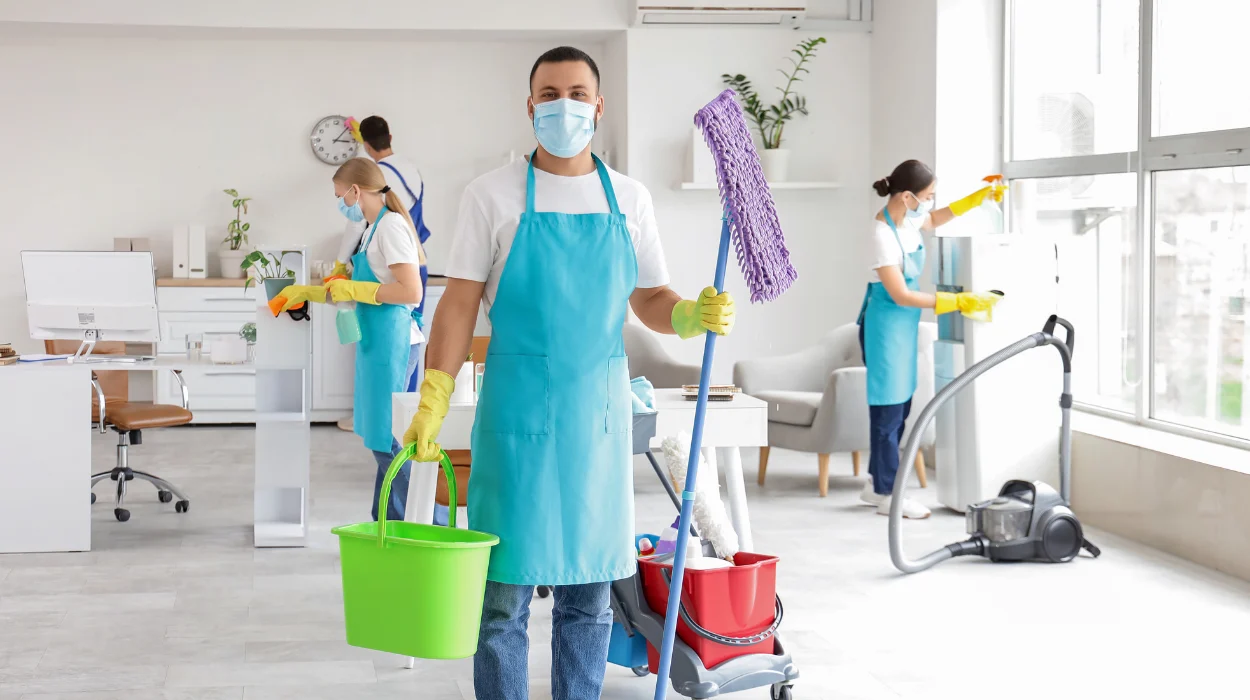
Commercial Cleaning Meaning: What Oldham Business Owners Should Know refers to the professional cleaning and maintenance of business premises to support hygiene, safety, and workplace standards.
For Oldham businesses, commercial cleaning is more than appearance. It helps create healthier environments, protects assets, and supports productivity across offices, retail units, warehouses, and other commercial facilities.
Commercial Cleaning Meaning: What Oldham Business Owners Should Know is a topic that many business owners research when evaluating workplace maintenance requirements. Commercial cleaning refers to professional cleaning services delivered in non-residential environments such as offices, retail stores, industrial facilities, schools, and healthcare premises. These services follow structured cleaning schedules and workplace hygiene standards rather than basic household cleaning methods. Professional cleaning providers use trained staff, specialist processes, and appropriate cleaning-equipment to maintain commercial spaces effectively. Commercial cleaning is designed to support cleanliness, safety, and operational efficiency across different industries.
Why Commercial Cleaning Is Different From Domestic Cleaning
Many Oldham business owners initially compare commercial cleaning with domestic cleaning. While both involve maintaining clean environments, commercial cleaning requires a broader approach. Commercial properties experience higher foot traffic, larger floor areas, shared facilities, and stricter hygiene expectations. Professional cleaners often work outside business hours to minimise disruption while maintaining consistent standards throughout the property. Commercial cleaning programmes are usually tailored according to business operations, industry requirements, and building usage patterns.
What Types of Businesses Need Commercial Cleaning?
Almost every commercial property benefits from professional cleaning services. Offices require regular workstation sanitisation, washroom cleaning, and floor maintenance. Retail businesses need clean customer-facing environments to support positive impressions. Warehouses often require dust management and safety-focused cleaning routines. Educational facilities and healthcare environments demand even higher standards due to frequent occupancy and hygiene considerations. The cleaning requirements vary, but the objective remains consistent: maintaining a safe and professional environment.
The Key Components of Professional Commercial Cleaning
Professional commercial cleaning normally includes routine and periodic tasks. Daily activities may involve vacuuming, dusting, waste removal, washroom sanitation, and cleaning communal areas. Scheduled deep cleaning may focus on carpets, hard floors, windows, kitchens, and high-touch surfaces. Businesses often benefit from customised schedules that match operational demands. This structured approach ensures cleaning standards remain consistent throughout the year rather than relying on occasional reactive cleaning.
Why Workplace Hygiene Matters More Than Ever
A clean workplace contributes to employee wellbeing and operational efficiency. Dust accumulation, poorly maintained washrooms, and neglected communal areas can negatively affect workplace experience. Clean environments help create a more professional atmosphere while supporting healthier working conditions. Businesses increasingly view commercial cleaning as part of their overall facility management strategy rather than a simple maintenance expense. Professional cleaning helps reduce contamination risks and supports compliance with workplace expectations.
The Role of Cleaning-Equipment in Commercial Cleaning
Modern cleaning-equipment plays an important role in delivering professional results. Commercial vacuum systems, floor scrubbers, steam cleaners, extraction machines, and specialised sanitation tools improve cleaning efficiency. These tools allow cleaning teams to achieve consistent results across large commercial properties. Advanced equipment also supports faster cleaning times and more effective removal of dirt, allergens, and contaminants. Businesses often underestimate how much equipment quality influences cleaning outcomes and long-term maintenance standards.
High-Level Cleaning and Why It Matters
Many commercial premises contain areas that are difficult to access, including ceilings, ventilation systems, lighting fixtures, beams, and elevated storage spaces. These locations accumulate dust and debris over time. Understanding the importance of high-level cleaning guidance for commercial buildings helps business owners recognise potential hygiene and safety concerns before they become larger maintenance issues.
For this reason, many facilities incorporate periodic high-level cleaning into their maintenance schedules. High-level cleaning supports air quality, workplace appearance, and equipment longevity. Businesses with warehouses, manufacturing facilities, and large office spaces often benefit most from these specialised cleaning activities.
How Commercial Cleaning Supports Employee Productivity
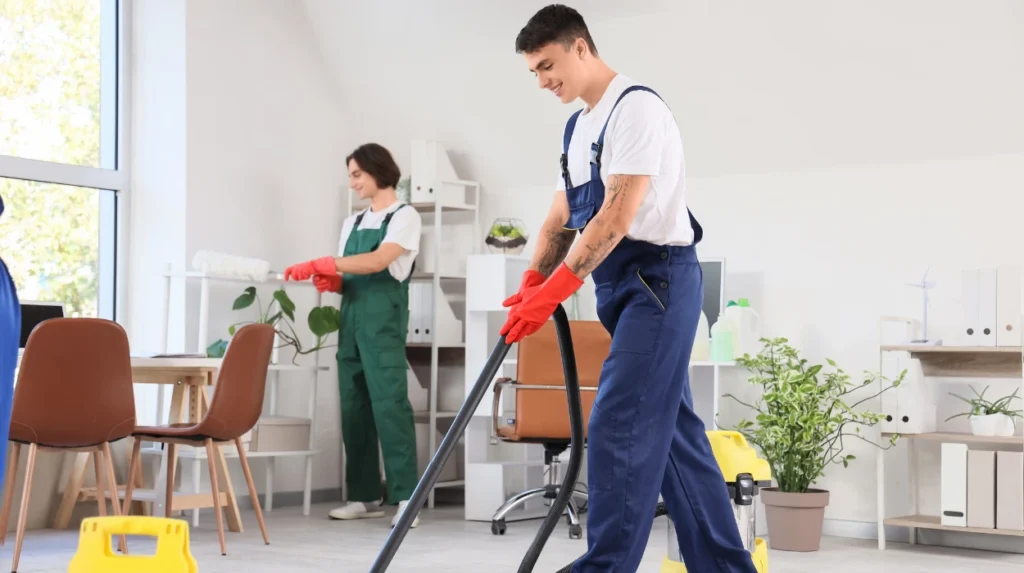
Clean working environments can positively influence employee morale and workplace satisfaction. Staff members generally prefer organised, hygienic surroundings where shared facilities are properly maintained. Clean break rooms, meeting rooms, washrooms, and workstations contribute to a more professional atmosphere. While cleaning alone does not determine productivity, workplace cleanliness remains an important factor within broader employee experience initiatives.
First Impressions and Customer Confidence
Visitors, customers, suppliers, and business partners often form opinions within moments of entering a property. Clean floors, sanitised washrooms, tidy reception areas, and dust-free surfaces create a positive first impression. Conversely, neglected premises may raise concerns about professionalism and attention to detail. Commercial cleaning supports brand presentation by ensuring facilities remain consistently presentable throughout business operations.
Choosing the Right Commercial Cleaning Schedule
Different businesses require different cleaning frequencies. Some offices operate effectively with daily cleaning, while others may need multiple visits throughout the week. Retail stores often require regular attention because of customer traffic. Warehouses may prioritise periodic deep cleaning and dust control. The most effective cleaning schedule depends on occupancy levels, building size, operational activities, and industry-specific requirements. Professional assessments help determine suitable service frequencies for each facility.
What Business Owners Should Expect From Professional Cleaning Providers
Professional providers typically conduct site assessments before recommending service plans. These assessments identify cleaning priorities, traffic patterns, facility challenges, and specialist requirements. Clear communication, documented cleaning schedules, risk assessments, and quality control procedures are often important parts of professional service delivery. Business owners should expect transparency regarding service scope and cleaning responsibilities.
Common Misconceptions About Commercial Cleaning
One common misconception is that commercial cleaning simply involves vacuuming and emptying bins. In reality, modern commercial cleaning covers sanitation, floor care, washroom maintenance, waste management, specialist cleaning, and preventive maintenance support. Another misconception is that commercial cleaning only becomes necessary when visible dirt appears. Effective cleaning programmes focus on ongoing maintenance rather than reactive responses to obvious cleanliness issues.
Commercial Cleaning Services in Oldham and Business Growth
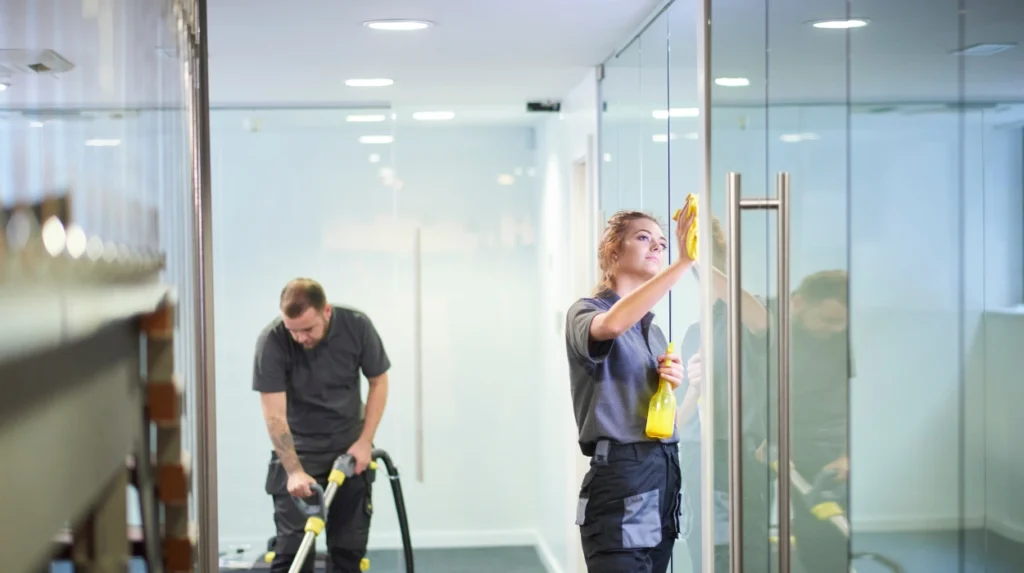
As businesses expand, cleaning requirements often become more complex. Larger teams, increased customer traffic, and additional workspace create greater maintenance demands. Professional Commercial Cleaning Services in Oldham help organisations manage these challenges through structured cleaning programmes. Businesses that maintain clean and organised environments often find it easier to create positive workplace experiences and maintain professional standards across their operations.
Bee Cleaning Services Manchester understands that every business environment has unique requirements. Commercial Cleaning Services in Oldham can be adapted according to building size, operational needs, and industry expectations. This flexible approach allows businesses to maintain consistent standards as they grow.
How Bee Cleaning Services Manchester Supports Commercial Properties
Bee Cleaning Services Manchester works with commercial clients seeking reliable workplace cleaning solutions. Professional cleaning programmes can help businesses maintain clean workspaces, support staff wellbeing, and create positive visitor impressions. From routine office cleaning to specialist cleaning requirements, structured cleaning plans contribute to long-term facility maintenance.
Businesses researching Commercial Cleaning Meaning: What Oldham Business Owners Should Know often discover that professional cleaning extends beyond appearance alone. Effective cleaning supports operational efficiency, workplace comfort, and property maintenance objectives. Bee Cleaning Services Manchester continues to provide Commercial Cleaning Services in Oldham that align with these practical business needs.
Commercial cleaning is the structured maintenance of business premises using professional processes, trained personnel, and specialised cleaning-equipment. It helps businesses maintain hygiene, improve workplace presentation, support employee wellbeing, and protect commercial assets. Understanding Commercial Cleaning Meaning: What Oldham Business Owners Should Know enables organisations to make informed decisions about workplace maintenance and facility management.
Bee Cleaning Services Manchester provides professional Commercial Cleaning Services in Oldham that support businesses across a variety of sectors. Through consistent cleaning practices and tailored service approaches, commercial properties can maintain cleaner, safer, and more welcoming environments throughout the year.
Frequently Asked Questions
How often should a business schedule commercial cleaning?
Cleaning frequency depends on business type, occupancy, and foot traffic. Offices commonly use daily or several-times-per-week cleaning schedules. Retail environments may require more frequent attention. Warehouses often combine routine cleaning with periodic deep cleaning. A professional site assessment usually determines the most suitable schedule.
What cleaning-equipment is used in commercial cleaning?
Commercial cleaning uses equipment designed for larger and more demanding environments. Examples include industrial vacuum cleaners, floor scrubbers, extraction machines, steam cleaners, and sanitation systems. These tools help improve efficiency and cleaning quality. Professional equipment often delivers better results than standard domestic alternatives. Equipment selection depends on the facility and cleaning objectives.
Why do businesses invest in commercial cleaning services?
Businesses invest in commercial cleaning to maintain hygiene, create positive impressions, and support workplace wellbeing. Clean facilities help employees and visitors feel more comfortable. Professional cleaning also protects surfaces and building assets. Regular maintenance can reduce long-term wear and contamination risks. Many organisations view cleaning as part of overall facility management.
What should I look for in a commercial cleaning provider?
Business owners should consider experience, service flexibility, communication, and quality control procedures. A provider should offer clear cleaning schedules and transparent service scopes. Insurance and health-and-safety procedures are also important considerations. Site assessments help identify business-specific requirements. Professional providers focus on consistency and measurable cleaning outcomes.