

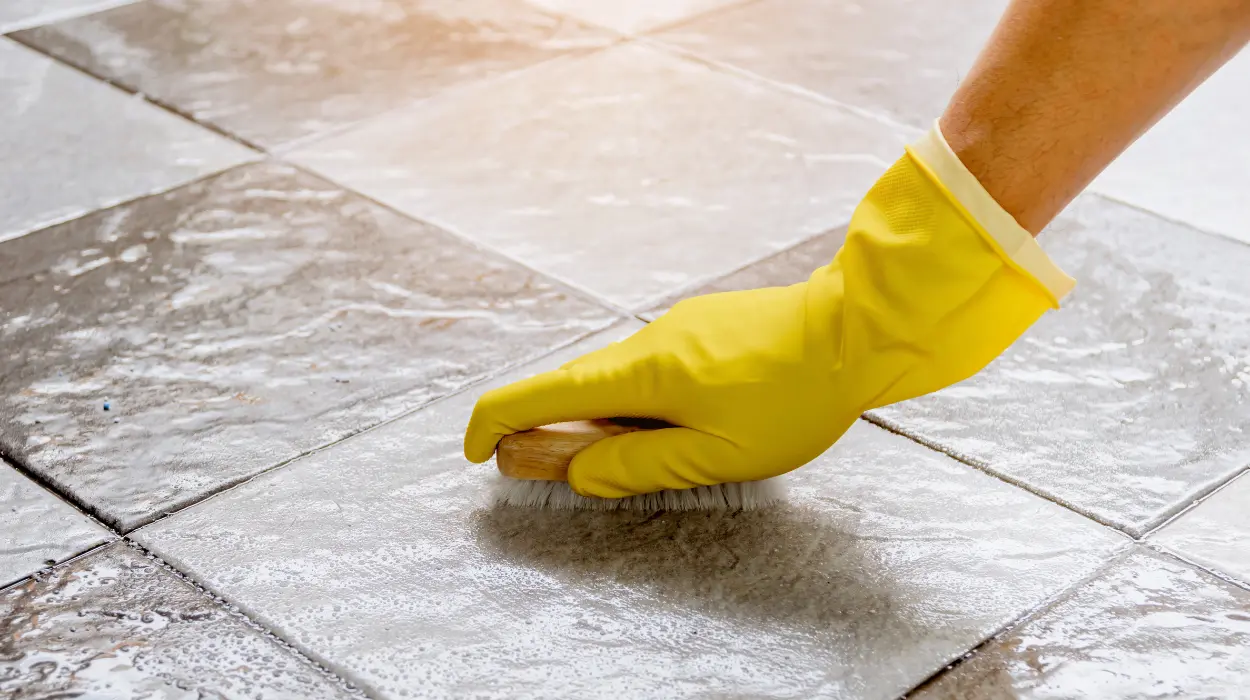
Damp smells after every clean can feel frustrating and confusing. You mop the floors, wipe the surfaces, and open the windows, yet that musty scent keeps coming back. Many homeowners in Cheadle deal with this problem, especially in older houses or properties with poor airflow. Bee Cleaning Services’ odour solutions for Cheadle houses focus on finding the real cause, not just covering the smell. Fresh air should last longer than a few hours. If your home smells damp again by the next morning, there is usually a deeper issue that needs proper care.
Why Damp Smells Keep Returning After Cleaning
Damp odour often comes from hidden moisture. You may clean visible surfaces, but moisture can sit behind skirting boards, under carpets, or inside walls. When water lingers in these areas, it creates the perfect space for mould and mildew. Even small leaks under sinks or near radiators can lead to that stale smell. Many people think strong disinfectant will fix it, but scent alone does not remove the source.
Poor ventilation is another common reason. Bathrooms without extractor fans and kitchens with blocked vents trap steam inside. Over time, this builds condensation. That moisture sinks into plaster, grout, and soft furnishings. Each time you clean, the surface looks fresh, yet the trapped damp remains. Without drying the area properly, the smell returns. Professional odour removal services focus on airflow, moisture control, and deep cleaning rather than quick fixes.
Hidden Moisture in Cheadle Homes
Cheadle houses often have a mix of old brickwork and modern insulation. This can sometimes trap moisture instead of letting it escape. Cavity wall issues, roof tile damage, and blocked gutters can all allow water to seep in slowly. The result is a damp smell that feels stronger in colder months. Many homeowners notice it in cupboards, loft spaces, or near exterior walls.
Carpets and underlay are also common trouble spots. If they absorb moisture from spills or condensation, they may hold that smell long after the surface dries. Soft furnishings like curtains and sofas can do the same. Over time, the house develops a musty odour that standard cleaning products cannot remove. Deep cleaning services in Cheadle focus on extracting moisture from these materials, not just washing the top layer.
The Link Between Damp and Mould Growth
Damp smells and mould often go hand in hand. Even if you cannot see black spots, mould spores may still be present. These spores thrive in humid areas like bathrooms, basements, and utility rooms. The smell is often the first warning sign before visible damage appears. Ignoring it can lead to bigger problems with walls, paint, and even health.
Mould removal and odour treatment should work together. Simply scrubbing mould off tiles may improve the look for a short time, but if moisture remains, it will return. Proper treatment includes drying the area, treating surfaces safely, and improving ventilation. A fresh smelling home should not rely on air fresheners. It should feel clean because the source of damp has been handled correctly.
Common Areas Where Odours Start
Bathrooms are a key area for damp smells. Steam from showers settles on ceilings and behind tiles. If grout lines crack or sealant fails, water seeps behind surfaces. Kitchens can also hold hidden moisture, especially around sinks and washing machines. Utility rooms with limited airflow often develop that heavy smell first.
Bedrooms and living rooms are not always safe either. External walls can attract condensation in winter. Wardrobes placed against cold walls may trap moisture, leading to a musty scent in clothes. Many Cheadle homeowners are surprised to find that the smell is stronger in closed spaces like cupboards or under the stairs. Targeted house cleaning services look closely at these overlooked spots to remove the cause, not just the symptom.
Why Surface Cleaning Is Not Enough
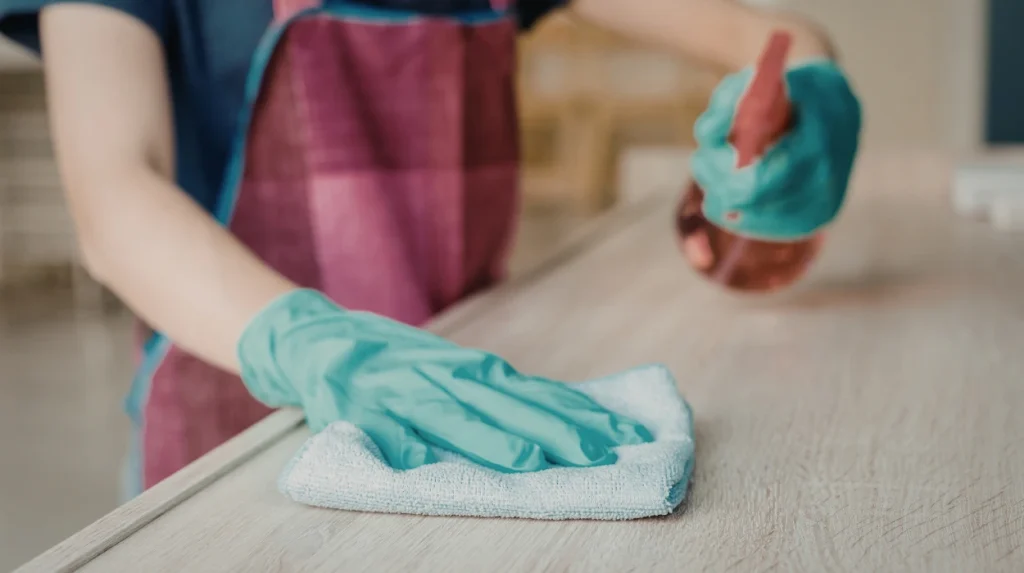
Regular cleaning is important, but it does not always solve damp odour. Mopping floors with water can even add more moisture if the area is not dried well. Using strong scented sprays may hide the smell for a short time, yet the damp remains underneath. This can make the problem worse over time.
Deep cleaning for damp smells requires proper tools. Professional equipment can extract water from carpets and reach into small gaps. Moisture meters help detect hidden damp behind walls. Odour neutralising treatments work at a deeper level than household sprays. When cleaning is combined with moisture control, the results last longer. That is why many homeowners turn to local cleaning experts who understand how damp behaves in Cheadle properties.
How Bee Cleaning Services Tackles Damp Odours
Bee Cleaning Services odour solutions for Cheadle houses focus on careful inspection first. Instead of guessing, the team checks for leaks, condensation build up, and poor airflow. This helps identify whether the smell comes from mould, trapped moisture, or another issue. Every house is different, so the solution must match the cause.
Deep cleaning includes carpet extraction, surface sanitising, and safe mould treatment where needed. Attention is given to corners, under furniture, and along skirting boards. The aim is to remove damp smell at its source. Advice is also provided on simple steps like improving ventilation and reducing indoor humidity. This balanced approach helps prevent the odour from returning after the next clean.
Signs Your Home Has a Damp Problem
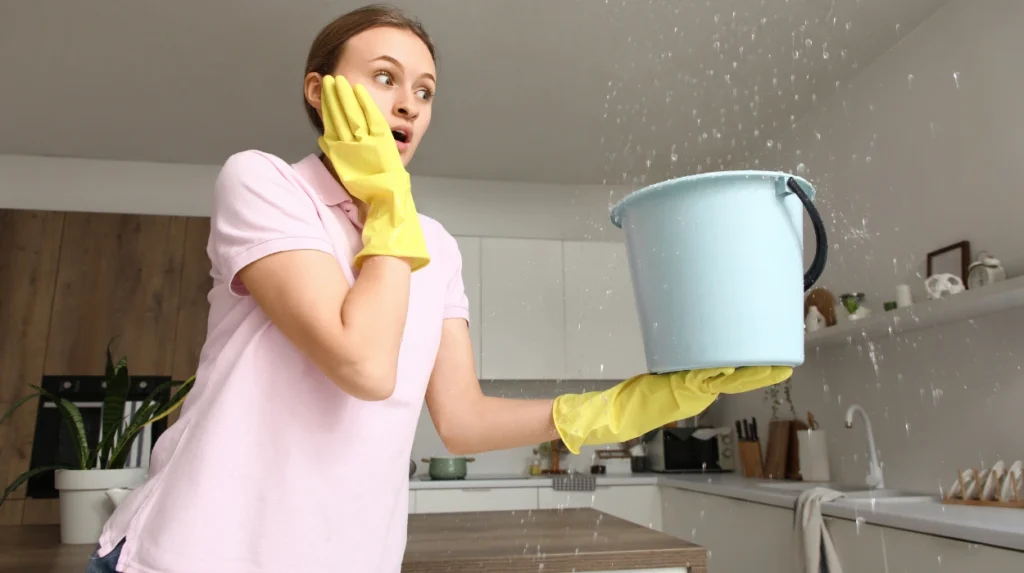
Many people search for signs of damp in house because the smell is not always the first clue. You might notice peeling paint, bubbling wallpaper, or dark patches on walls. Sometimes there is a cold, clammy feel in certain rooms even when the heating is on. Windows may collect heavy condensation each morning. Skirting boards can start to warp, and carpets may feel slightly wet near the edges. These small changes often point to excess moisture hiding beneath the surface. Acting early can stop minor damp issues from turning into mould growth or structural damage. If you spot these warning signs, it is wise to check ventilation, inspect for leaks, and consider a deeper clean before the problem spreads further.
Preventing Damp Smells in the Future
Prevention is just as important as treatment. Simple habits can make a big difference. Opening windows after showers, wiping down wet surfaces, and using extractor fans help reduce moisture. Keeping furniture slightly away from cold walls allows air to move freely. Small changes can stop condensation from settling in hidden areas.
Regular property checks also help. Look for peeling paint, dark patches, or a change in smell. Early action can prevent costly repairs later. In Cheadle houses, seasonal weather shifts can increase damp risk, especially in winter. Planning a periodic deep clean can support a fresh and healthy home. When moisture is managed properly, the air feels lighter and more comfortable for everyone inside.
A Healthier Home Without Musty Smells
Living with a damp smell can affect daily comfort. It may make rooms feel unclean even when they look tidy. For families, it can also raise concerns about indoor air quality. Addressing damp odour is about more than scent. It is about protecting walls, flooring, and soft furnishings from long term damage.
A clean home should smell neutral and fresh without heavy fragrance. By tackling hidden moisture, improving ventilation, and using proper odour removal methods, that goal becomes realistic. If damp smells after every clean are troubling your home, it may be time to look beyond surface cleaning. For trusted help and tailored support, visit Bee Cleaning Services Manchester and take the first step towards a fresher Cheadle home.