
Chemical sanitisers do not eliminate every single pathogen on a surface, but certified formulations effectively destroy 99.999% of common bacteria and enveloped viruses when applied correctly. Complete eradication depends entirely on contact time, product chemistry, and surface preparation.
Understanding how chemical decontamination works helps facility managers maintain safe, hygienic environments. While household sprays handle basic daily maintenance, high-risk environments require structured protocols, specialized chemical agents, and advanced application machinery to ensure complete surface coverage.
The Science of Microbial Inactivation and Chemical Disinfection
Disinfecting agents function by targeting specific structural components of microscopic organisms to prevent replication. Chemical formulations disrupt outer cell membranes, denature essential proteins, or oxidize internal genetic material depending on their active ingredients. Bacteria possess rigid cellular walls that succumb to osmotic shock, whereas viruses vary significantly in their structural resilience. Enveloped viruses feature a delicate lipid layer that breaks down quickly when exposed to standard alcohol or surfactant solutions. Non-enveloped viruses maintain a tough protein shell that resists mild chemical treatments, requiring specialized high-level formulations to achieve full inactivation.
The effectiveness of any chemical process depends heavily on meeting strict contact time requirements established during laboratory testing. Leaving a chemical on a surface for only a few seconds allows hardier pathogens to survive and multiply. Environmental factors like ambient temperature, relative humidity, and surface porosity directly influence how fast liquids evaporate during application cycles. When solutions dry too quickly, the chemical reaction stops before achieving the necessary log reduction in microbial presence. Proper training ensures operational staff allow chemicals to sit undisturbed for the full manufacturer-recommended dwell time.
Organic matter acts as a physical shield that prevents active chemical compounds from contacting underlying microbial colonies. Dust, grease, bodily fluids, and general soil absorb disinfecting agents, neutralizing their potency before they reach target cell structures. Facilities must execute a thorough pre-cleaning step using appropriate surfactants to strip away visible soil prior to applying any chemical treatment. Skipping this initial step renders even high-grade solutions ineffective, leaving hidden pockets of active contamination across high-touch surfaces. Systematic two-step protocols ensure complete chemical access to all target areas.
Differentiating Cleaning, Sanitising, and Full Disinfection
Daily maintenance routines rely on distinct operational levels that yield varying degrees of microbial reduction across different facility zones. Basic cleaning uses water and detergents to physically remove dirt, debris, and a portion of surface microbes without killing them. Sanitising reduces microbial loads to levels deemed safe by public health standards, typically targeting a 99.9% reduction within a specific timeframe. Full disinfection goes further by destroying 99.999% or more of specified pathogens, including resistant bacterial spores and non-enveloped viral strains. Understanding these clear operational boundaries prevents facilities from applying inadequate methods to high-risk environments.
Selecting the wrong process level leads to false security regarding facility hygiene and overall safety standards. High-traffic commercial properties often assume standard nightly wiping performs full surface sterilization, leaving hidden pathogens behind. Applying heavy disinfectants to lightly soiled, non-critical areas wastes resources and increases unnecessary chemical exposure for building occupants. Commercial properties benefit from tailored maintenance schedules that clearly define where basic cleaning ends and targeted chemical decontamination begins. Aligning processes with surface risk levels ensures maximum hygiene efficiency without damaging building assets.
Advanced facility hygiene relies on high-grade cleaning-equipment to distribute solutions evenly across complex architectural surfaces and hard-to-reach zones. Electrostatic sprayers wrap charged droplets around three-dimensional objects, ensuring comprehensive coverage beneath desk edges, chair frames, and door hardware. Cold fogging machines generate micro-droplets that remain suspended in air long enough to settle evenly over large surface areas. Utilizing professional grade machinery eliminates human error associated with manual cloth wiping, ensuring chemical contact across every square inch of high-density spaces.
Why Household Sprays Fail in Commercial High-Traffic Settings
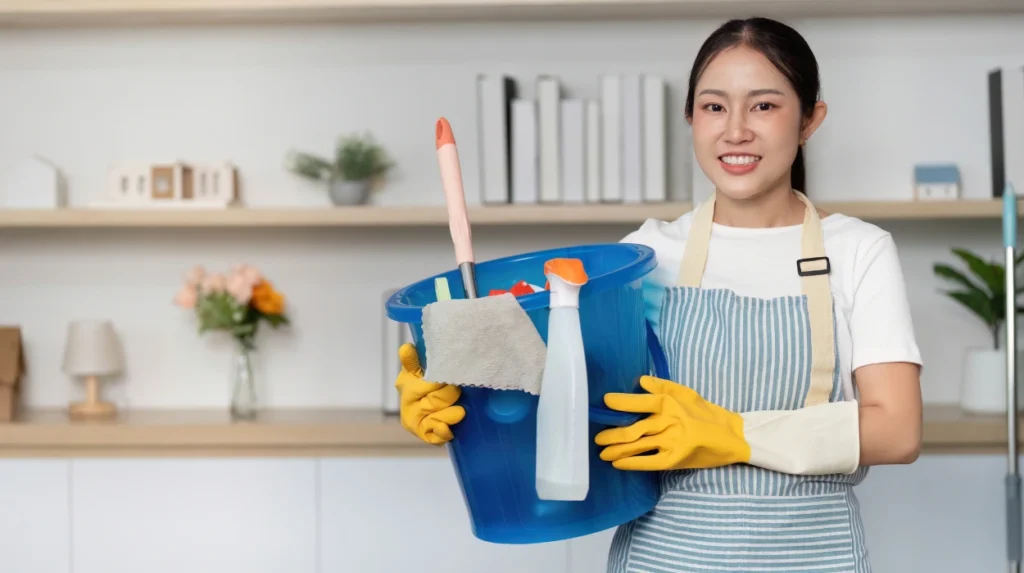
Consumer-grade products sold in retail stores feature diluted active ingredients designed primarily for light residential use. These off-the-shelf solutions lack the chemical concentration needed to penetrate heavy bio-burden or survive rapid evaporation in large, climate-controlled commercial buildings. Commercial spaces endure continuous foot traffic, recontaminating surfaces seconds after standard retail wipes dry out. Relying on residential formulations leaves commercial properties vulnerable to persistent microbial transfer across shared workstations, touchpoints, and communal facilities. Professional-grade concentrates are essential for maintaining verifiable hygiene standards in busy facilities.
Manual application techniques using standard microfibre cloths frequently introduce cross-contamination risks when handled incorrectly. Cleaning staff who use a single cloth across multiple office desks inadvertently spread surviving microbes from one surface to another. Wiping techniques often fail to maintain uniform liquid film thickness, leaving dry patches where pathogens remain completely untouched by the chemical agent. Without strict color-coding systems and continuous cloth rotation, manual wiping can compromise overall facility hygiene. Systematic workflows and regulated chemical application prevent these operational failures across large floor plans.
Commercial environments require hospital-grade disinfectants for offices, schools, and retail sites to maintain continuous compliance with UK health standards. These specialized chemical solutions undergo rigorous testing to guarantee efficacy against broad spectrums of bacteria, fungi, and viral families under heavy organic loads. Commercial facilities demand tailored chemical management plans that address specific foot-traffic patterns, surface materials, and occupancy densities. Implementing commercial-grade products protects public health while safeguarding facility surfaces against long-term chemical damage and degradation.
Chemical Formulations and Active Disinfecting Agents
Modern commercial decontamination relies on several distinct chemical families, each offering unique strengths, dwell time requirements, and material compatibility profiles. Quaternary ammonium compounds remain popular for general surface maintenance due to their non-corrosive nature and fast-acting surfactant qualities. Oxidizing agents like hydrogen peroxide and sodium hypochlorite destroy resistant pathogens rapidly but require careful concentration control to protect delicate finishes. Understanding chemical properties prevents surface damage while ensuring chosen compounds deliver required microbial kill rates.
Chemical compatibility with facility assets is a critical consideration during broad-scale decontamination operations. Strong oxidizing agents strip protective finishes from hardwood flooring, corrode unsealed metal fixtures, and cause discolouration on upholstered office furniture over time. Conversely, milder solutions might preserve soft furnishings but fail to achieve full pathogen elimination on porous surfaces. Facility managers must balance aggressive microbial kill rates with long-term asset preservation when selecting daily and periodic chemical regimens. Professional environmental technicians evaluate surface materials before applying broad-spectrum chemical treatments.
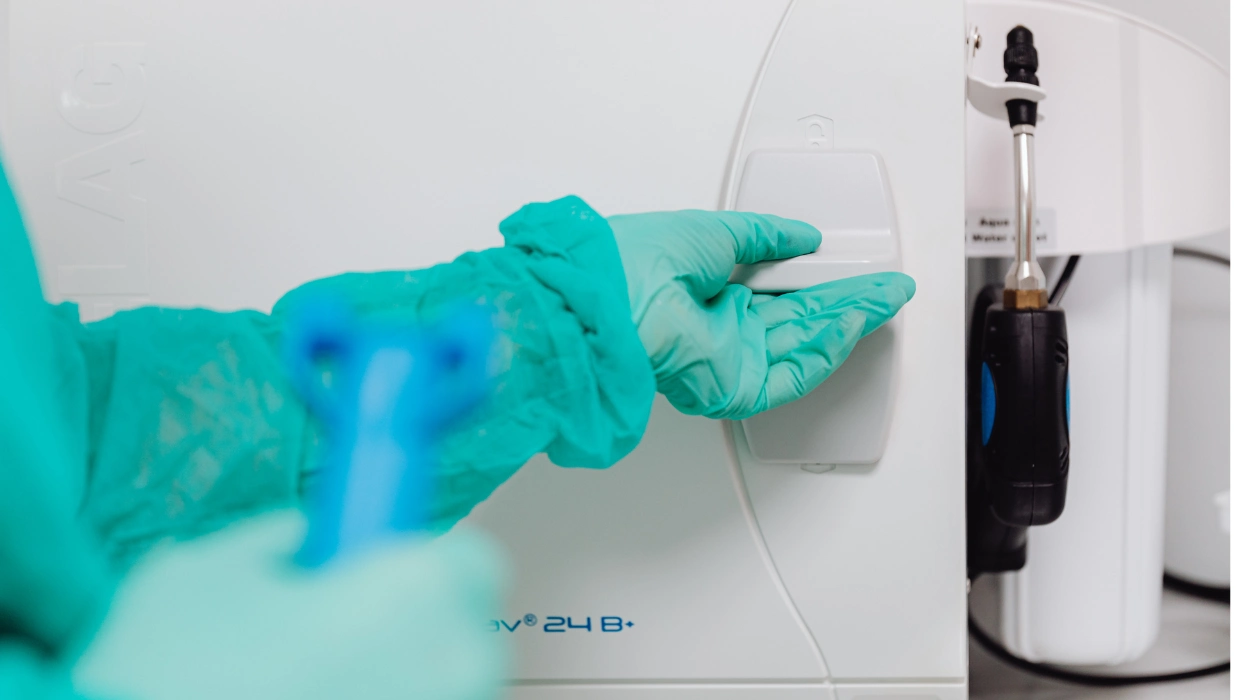
Proper chemical handling requires strict compliance with Control of Substances Hazardous to Health regulations across all commercial properties. Technicians must utilize appropriate personal protective equipment, including respirators, eye protection, and specialized gloves during concentrated chemical preparation and application. Ventilation systems must be adjusted during broad-scale spraying operations to protect indoor air quality and prevent chemical vapor buildup. Following rigorous safety protocols ensures that high-level microbial decontamination never compromises the health of cleaning technicians or returning building occupants.
Professional Post-Outbreak Disinfection and Facility Protocols

When a confirmed viral or bacterial outbreak occurs within a commercial building, standard daily cleaning routines are insufficient to restore safety. Facilities require rapid, structured intervention using advanced decontamination equipment to eliminate active transmission pathways. Professional technicians conduct initial risk assessments to map high-touch zones, air movement patterns, and localized exposure areas throughout the affected structure. Immediate containment measures prevent cross-contamination into clean building wings while deep decontamination protocols are systematically executed.
Post-outbreak deep disinfection for Oldham businesses utilizes specialized broad-spectrum antivirals, thermal fogging, and electrostatic dispersion to achieve full surface saturation. Electrostatic application applies a positive electrical charge to liquid droplets as they pass through the spray nozzle, causing them to attract directly to grounded surfaces with uniform coverage. This process ensures liquid wraps around non-line-of-sight areas, such as the undersides of handles, keypads, and structural fixtures. Combining fogging technology with targeted surface wiping eliminates airborne droplets and settled pathogens in a single operational pass.
Post-treatment verification confirms that disinfected surfaces meet strict hygiene standards before employees or members of the public re-enter the space. Environmental technicians perform surface sampling and ATP bioluminescence testing to measure residual organic material across critical contact points. Detailed service logs document exact chemical formulations used, application methods, contact times achieved, and post-treatment testing scores. Maintaining clear service documentation provides business owners with verifiable proof of duty of care compliance following contamination incidents.
Ensuring Long-Term Hygiene Maintenance for Commercial Sites
Sustaining a safe commercial environment requires moving beyond reactive outbreak responses to establish proactive, scheduled decontamination frameworks. High-density commercial buildings, educational institutions, and retail hubs experience continuous microbial introduction from daily visitors and staff. Integrating specialized viral control measures into routine facilities management prevents minor pathogenic introductions from escalating into full-scale operational disruptions. Structured cleaning schedules protect staff wellness, reduce sick leave metrics, and maintain continuous business operations throughout the year.
The expert team at Bee Cleaning Services Manchester provides comprehensive commercial hygiene solutions engineered specifically for local businesses, schools, and public venues. Utilizing advanced application technology and certified hospital-grade chemistry, their trained technicians deliver reliable surface decontamination tailored to your facility layout. Commercial properties across the region rely on their experienced technicians to execute rigorous sanitisation protocols that safeguard employees, clients, and visitors. Contact their local team today to establish a customized environmental hygiene plan for your property.
Frequently Asked Questions
What is the difference between sanitising and disinfecting?
Sanitising lowers the number of germs on a surface to a safe level, typically achieving a 99.9% reduction. Disinfecting uses stronger chemical agents to eliminate 99.999% or more of specified bacteria, viruses, and fungi on non-porous surfaces.
How long does sanitiser need to stay on a surface to kill viruses?
Sanitiser must remain wet on a surface for its required contact time (or dwell time) to work effectively. Depending on the chemical formulation, this usually ranges from 30 seconds to 10 minutes. If the surface dries too quickly, pathogens can survive.
Can you disinfect a surface without cleaning it first?
No, cleaning must always precede disinfection. Dirt, dust, and organic matter absorb active chemical ingredients and create a physical shield, preventing the disinfectant from making contact with underlying microbes.
Do household cleaning sprays kill all office germs?
Standard household sprays are formulated for light residential use and often lack the active chemical concentrations needed for heavy commercial foot traffic. High-risk or commercial spaces require professional formulations to maintain hygiene standards.
What equipment is best for disinfecting large commercial spaces?
Electrostatic sprayers and cold fogging machines are the most effective tools for large areas. They distribute charged micro-droplets that wrap around complex 3D shapes, ensuring full chemical coverage on hard-to-reach surfaces and high-touch points.