

Eco-friendly cleaning is generally safer for children, pets, and allergy-prone households, while traditional cleaning products offer stronger disinfection in high-contamination settings. The right choice depends on your household’s specific health needs, budget, and how frequently professional cleaning is scheduled.
Why This Comparison Matters for Homeowners in Farnworth
Residential cleaning services in Farnworth are increasingly asked to work with specific product preferences, and understanding why that matters starts with knowing what each method actually does inside your home. Many families in Greater Manchester are now reconsidering the products used in their living spaces, driven by a growing awareness of indoor air quality, chemical exposure, and long-term health effects. This shift is not simply a trend.
It reflects a genuine change in how people prioritise the environments their children grow up in. At the same time, traditional cleaning products have served households reliably for decades, and dismissing them entirely without context would be misleading. The difference between the two approaches is not just about the chemicals involved. It is about philosophy, application, frequency, and the specific needs of each home.
What Traditional Cleaning Products Actually Contain
Traditional cleaning products typically use synthetic chemicals such as bleach, ammonia, phosphates, and artificial fragrances to break down grease, kill bacteria, and remove surface stains. These compounds are highly effective at disinfecting surfaces in a short amount of time, which is why they remain widely used in both domestic and commercial environments. However, they come with trade-offs that are worth examining carefully.
Prolonged exposure to ammonia-based cleaners has been linked to respiratory irritation, particularly in homes with poor ventilation. Phosphates, while effective degreasers, are harmful to aquatic ecosystems when they enter waterways through drainage. Artificial fragrances used in many traditional products can trigger allergic reactions in sensitive individuals, including children and the elderly. The strength of these products is not in question, but their suitability for daily household use around vulnerable family members is a factor worth weighing.
The Science Behind Eco-Friendly Cleaning Solutions
Eco-friendly cleaning products are formulated using plant-derived or naturally occurring compounds such as citric acid, baking soda, enzymes, and essential oils. These ingredients are designed to clean effectively while reducing the chemical load within the home environment. Unlike synthetic disinfectants, enzyme-based cleaners work by breaking down organic matter at a molecular level, which makes them particularly effective on food residues, pet stains, and bodily fluids.
Citrus-based degreasers cut through kitchen oils with similar efficiency to their chemical counterparts, without releasing volatile organic compounds into the air. It is important to note, however, that not all eco-friendly products carry the same certifications or perform equally. Products that carry recognised environmental certifications such as EU Ecolabel or Leaping Bunny have undergone independent testing. Choosing verified products, whether for personal use or through a professional service, ensures the environmental and health claims are grounded in evidence rather than marketing language.
Health Implications for Children and Pets
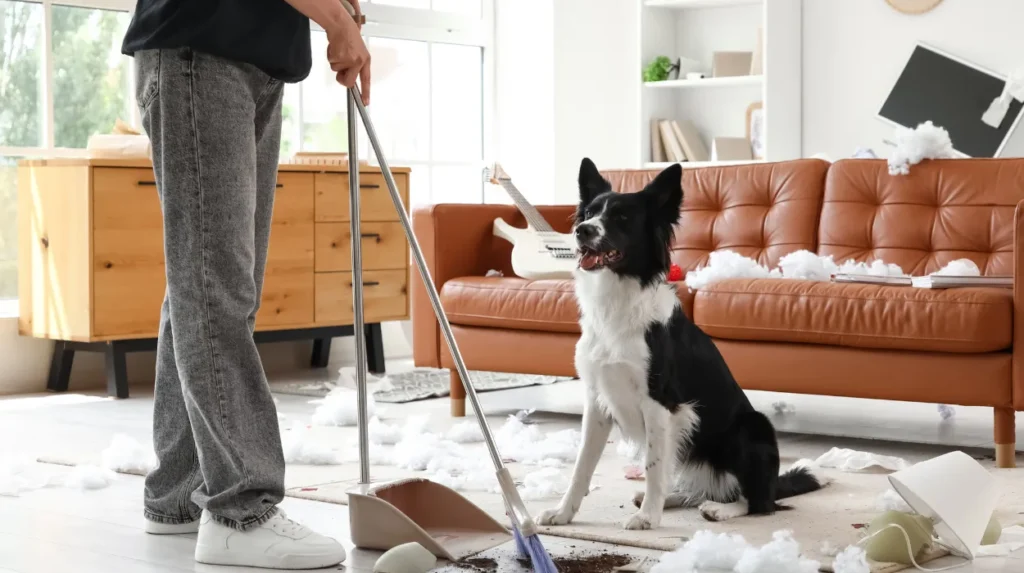
The health of children and pets is one of the most compelling reasons families consider switching to greener cleaning methods. Young children spend significant time on floors, touching surfaces and putting their hands near their mouths, which means any residual chemical left behind after cleaning becomes a direct exposure risk. Traditional cleaning products often leave trace residues on hard floors, kitchen counters, and bathroom tiles, even after rinsing. Studies in indoor environmental health have consistently shown that young children are more vulnerable to airborne toxins because their respiratory systems are still developing.
Pets, particularly cats that groom themselves regularly, can ingest surface residues through their paws. Eco-friendly formulations are generally designed to break down completely after use, reducing the risk of residual contamination. This does not mean eco-friendly products are entirely harmless in concentrated form, but their risk profile at standard dilutions is considerably lower for households with young children or animals.
Does Eco-Friendly Cleaning Match Traditional Effectiveness?
One of the most common concerns raised by homeowners is whether plant-based or natural products can genuinely match the cleaning performance of traditional alternatives. For everyday cleaning tasks such as wiping down surfaces, mopping floors, or cleaning bathrooms between deep cleans, eco-friendly products perform comparably to traditional products in most controlled evaluations. The gap in performance becomes more apparent in specific scenarios.
When a home has been left uncleaned for an extended period, or when surfaces are heavily contaminated with mould, grease, or pathogens, traditional products often deliver faster and more thorough results. This is why many professional cleaning companies use a hybrid approach, applying eco-friendly products for regular maintenance and reserving stronger traditional formulations for targeted problem areas. Understanding the difference between a standard clean ad a deep clean can help homeowners determine which type of product approach is most appropriate for their situation.
Cost Comparison: What Families Should Expect
The cost of eco-friendly products has historically been higher than traditional cleaning supplies, and this remains largely true at the retail level. However, the gap has narrowed considerably as demand has grown and manufacturers have scaled their production. For families purchasing cleaning products for personal use, the difference per unit may be noticeable but not prohibitive. When factoring in professional cleaning services, the pricing impact of eco-friendly products depends on the provider and the scope of the clean.
Some professional services charge a modest premium for certified green products, while others have integrated eco-friendly formulations into their standard offering without price adjustment. It is also worth considering the indirect costs of traditional products, including potential health-related expenses if chemical sensitivities develop over time or if children are repeatedly exposed to harsh residues. Over the long term, eco-friendly cleaning is not necessarily more expensive when the full picture is considered.
Environmental Impact Beyond Your Home
The environmental consequences of cleaning product choices extend well beyond the walls of any individual home. Traditional cleaning products that contain phosphates, synthetic surfactants, and non-biodegradable compounds contribute to water pollution when they enter drainage systems. Aquatic ecosystems are particularly sensitive to phosphate loading, which accelerates the growth of algae and depletes oxygen levels in rivers and lakes. Eco-friendly products formulated with biodegradable ingredients break down naturally and have a significantly reduced impact on water quality.
Packaging is another dimension of environmental impact. Many eco-friendly brands now offer concentrated formulas in recyclable or refillable packaging, which reduces plastic waste over time. Families who are mindful of their household carbon footprint will find that making environmentally conscious choices about cleaning products is a relatively straightforward area where meaningful change can be made without compromising the cleanliness of their home.
When to Choose Traditional Products
There are specific situations in which traditional cleaning products remain the more appropriate professional recommendation. Homes recovering from flooding, for example, require hospital-grade disinfectants to prevent mould proliferation and bacterial growth on affected surfaces. Properties with documented mould infestations require antifungal agents that most eco-friendly formulations cannot match in potency.
Healthcare-grade disinfection, whether in a home care setting or a property recently occupied by someone with a communicable illness, may also call for higher-concentration chemical products. In these cases, the choice is less about personal preference and more about the technical requirements of the cleaning task. Professional cleaners are trained to assess these situations accurately and apply the most suitable product category. The key is that the choice should be guided by genuine need rather than habit or assumption about what “cleans better” in a general sense.
What Professional Cleaning Services Use and Why It Matters
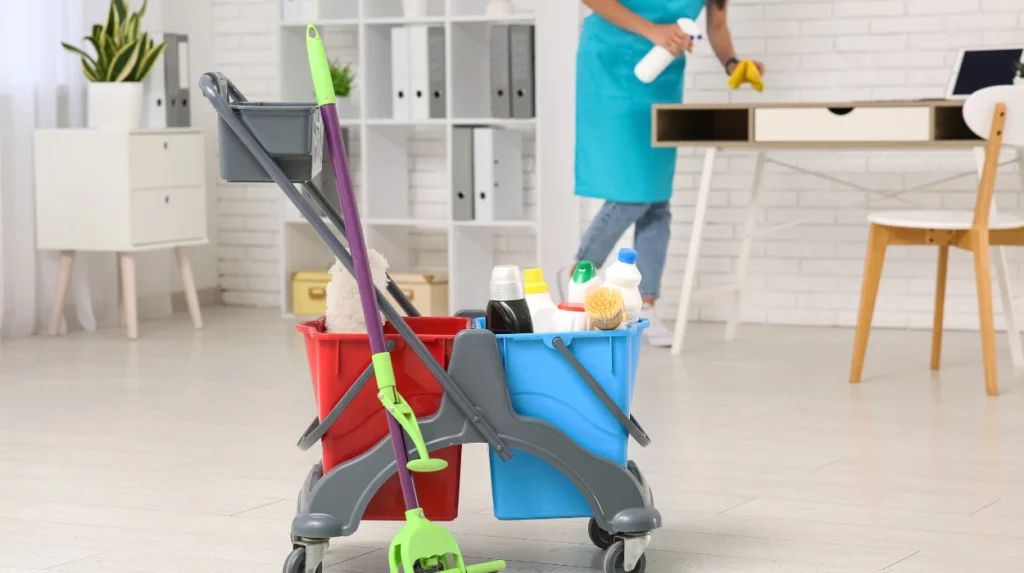
Professional cleaning companies typically carry a range of products across both categories and apply them based on the surface type, contamination level, and client preference. Bee Cleaning Services Manchester uses professionally selected products suited to the specific requirements of each property, ensuring that the right approach is applied without compromising cleaning standards or household safety. When families book residential cleaning services in Farnworth, they have the opportunity to discuss product preferences and any specific sensitivities before the clean begins.
This kind of consultation is standard practice for reputable professional cleaners and allows for a tailored approach rather than a one-size-fits-all method. For families who have already decided they want an exclusively eco-friendly clean, communicating that preference clearly at the booking stage ensures the correct product range is prepared. Families considering a more thorough initial service might also explore a trusted spring cleaning service in Farnworth as a starting point before moving to a regular eco-friendly maintenance schedule.
Making the Right Decision for Your Household
The decision between eco-friendly and traditional cleaning ultimately comes down to three factors: the health profile of your household, the condition of your property, and your environmental values. Families with young children, pets, or members with respiratory conditions will generally benefit from prioritising eco-friendly products for everyday use. Homes in good general condition that receive regular professional cleaning are ideal candidates for a fully green cleaning programme. Properties that require intensive or remedial cleaning may benefit from a professional assessment before committing to one approach.
There is no universal answer that applies to every household, and any claim suggesting otherwise oversimplifies what is a genuinely nuanced decision. Homeowners who want an informed recommendation based on their specific property and family circumstances are best served by consulting a professional service that understands both product categories equally well. Reviewing professional home cleaning solutions in Farnworth can give families a clearer picture of what a structured, expert-led approach looks like in practice.
Both eco-friendly and traditional cleaning methods have legitimate roles in maintaining a healthy, hygienic home. The most effective strategy for most families involves understanding when each approach is appropriate rather than treating the two as mutually exclusive. Bee Cleaning Services Manchester provides professional cleaning solutions that account for individual household needs, product sensitivities, and environmental considerations, ensuring that every home in Farnworth and across Greater Manchester receives a clean that is both thorough and responsibly delivered.
What is the best environmentally friendly cleaning brand?
Brands like Ecover, Method, and Bio-D are widely regarded as leading eco-friendly cleaning brands, offering plant-based formulations that are biodegradable and free from harsh synthetic chemicals. For professional residential cleaning, the product range matters less than whether the formulations carry verified environmental certifications such as EU Ecolabel or Leaping Bunny.
What are examples of eco-friendly products?
vinegar, baking soda, castile soap, citrus-based degreasers, and enzyme-based stain removers. These alternatives effectively handle everyday household cleaning tasks without releasing volatile organic compounds into your home’s air.
What are 10 recyclable items?
The most commonly recycled household items include paper, cardboard, glass bottles, aluminium cans, steel tins, plastic bottles, newspapers, magazines, cartons, and cleaning product containers. Choosing cleaning brands that use recyclable or refillable packaging reduces the overall waste your household generates.
What are the 7 different types of recycling?
The seven main types are mechanical recycling, chemical recycling, energy recovery, composting, upcycling, downcycling, and closed-loop recycling. Understanding these categories helps households make more informed decisions about how they dispose of cleaning product packaging and household waste.
What material is 100% biodegradable?
Natural materials such as cotton, wool, wood, paper, and plant-based cleaning ingredients like citric acid and coconut-derived surfactants are considered fully biodegradable. These materials break down naturally without leaving harmful residues in soil or waterways, making them the preferred choice in eco-friendly cleaning formulations.