

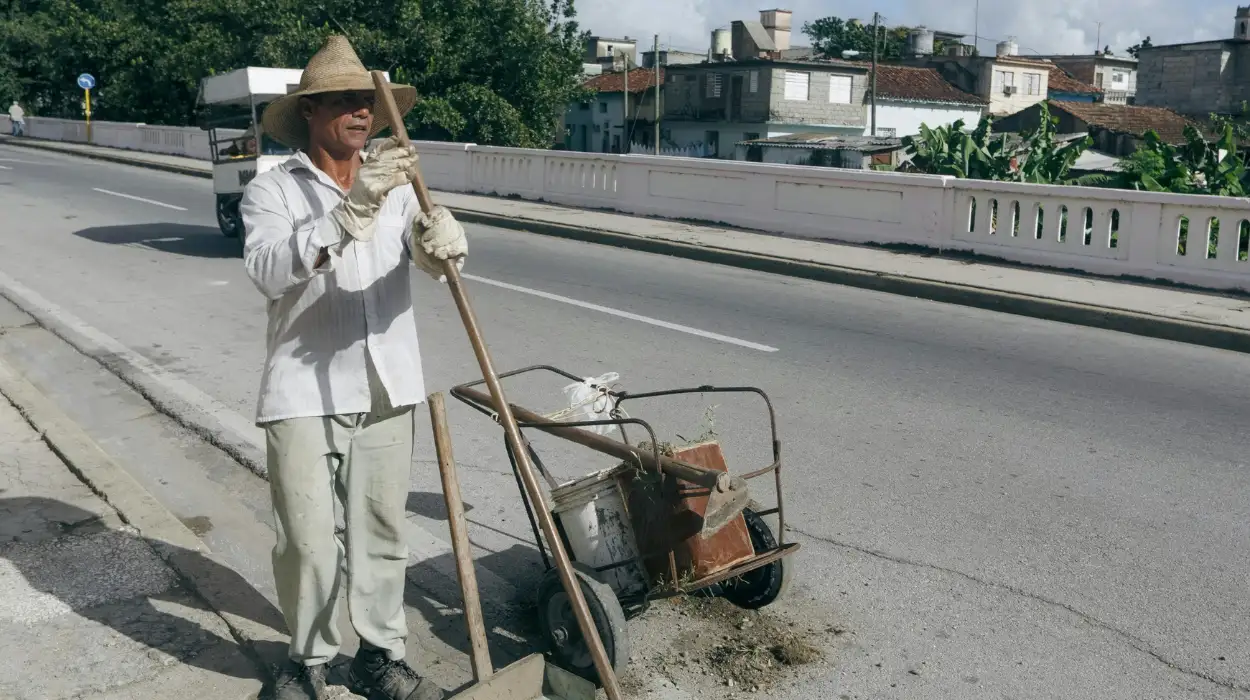
Maintaining town centers clean is a problem that has been experienced by a number of local authorities. Graffiti appears overnight despite investments in deep cleans, and the litter appears to grow more rapidly than anticipated. People usually question themselves why they see the attempts to clean up the places as a momentary phenomenon. It is called graffiti and litter creep and appears in high pedestrian and shopping streets, as well as in popular places of the city. That is why deep cleans don’t last in town centers.
The causes of this problem need to be known in order to have solutions in the long-term. The maintenance of the town centre cannot be achieved by simply cleaning it every now and then; it has to be a strategic process involving awareness, community participation, and professional interventions. Towns can only ensure that they have a friendly atmosphere with both the locals and the visitors by dealing with the causes of the problems.
In addition, the factors of urban design, for instance, dark alleyways or concealed corners, render some parts more prone to crime. Unless these root causes are comprehended, the cleaning actions taken may appear to be of no value.
Why Town Centre Clean-Ups Struggle
Deep cleans are unsuccessful since they only concentrate on the surface outcomes and not on the systemic problems. The pedestrian traffic always introduces dirt and litter in the immediate surroundings, whereas shoppers and commuters can accidentally drop rubbish. Such activities as festivals, markets, or sports games may significantly increase the amount of litter overnight. Equally, graffiti artists in their work prefer places that are recently washed, in some cases, to place their graffiti where freshly washed walls are visible to increase the visibility of their piece of work. This presented dynamic patterns that local councils may find difficult to cope with, hence cleaning does not seem to help.
Town centres soon go back to their pre-cleaned condition unless they are regularly patrolled and actions are taken as soon as possible. Graffiti and litter creep should be controlled in a sustainable way by investing in strategic cleaning plans, timed maintenance, and response teams.
Common Causes of Graffiti Reappearing

Graffiti is not just rediscovered by accident. Repeat offenders can be the cause of repetitive vandalism, and some places are simply prone to graffiti because of their visibility or accessibility. Certain surfaces are more susceptible to graffiti due to the fact that the paint is easily adhesive or due to the lack of anti-graffiti coating. Even lighting or empty areas may promote vandalism since the environment is not well taken care of, and it becomes difficult to keep the areas clean.
Also, graffiti can be a social (or territorial) marker of some groups of people, which is why the issue of elimination is a repetitive problem. It is crucial to know these behavioural and environmental trends. Councils and property owners can lower the frequency of graffiti resurgence when they integrate the knowledge of human behaviour together with practical intervention, and eventually safeguard the aesthetics and safety of town centres.
Professional Cleaning Solutions
Professional cleaning services also offer professionalism, machinery and experience that may not be provided by regular municipal cleaning. The more advanced practices, such as pressure washing, graffiti removal with the use of chemicals and specialised waste management strategies, will make the results deeper and more effective. Solutions are offered by contractors such as Bee Cleaning Services Manchester where each solution is focused on addressing areas with recurring problems.
By engaging the services of professionals, the destruction of property by the people is avoided, and quality service that is long-lasting is achieved. To the local authorities, outsourcing to experts ensures that the local authorities concentrate on planning, community involvement and monitoring. A combination of professional cleaning with preventative measures and community participation has been observed to significantly increase the cleanliness and public perception of the town centres.
Tools and Techniques

Cleaning up the public areas also transcends normal practices. The efficiency and sustainability of the cleaning activities are improved with the help of modern methods and technological solutions. Proper equipment and planning will make sure graffiti and litter do not reemerge as fast to minimize the recurrence of intensive cleansing and the expense associated with it.
Anti-Graffiti Coatings
The use of anti-graffiti on walls and surfaces does not allow the bonding of paint. Graffiti removal is simplified by these protective layers and does not involve the destruction of any property. Anti-graffiti paints, in conjunction with regular cleaning, will prevent vandals and minimize the interval between interventions. The identification of the appropriate coating on the various surfaces is critical because it is urban areas that comprise a combination of brick, metal, and painted walls. In the long run, the appearance of the coating is an indication that the centres of the town are actively maintained, which prevents recidivism and helps to achieve the long-term consequences of deep cleaning.
Contemporary Littering Management Solutions.
Groundbreaking litter management plans make cities clean and minimize graffiti and littering. Compactable smart bins, strategic placement of recycling sites, and appropriate street furniture direct the behaviour of the population. Proper urban design, which takes into account waste management and the use of space, reduces even more litter.
Cleaner streets are also a product of regularly serviced bins, good signage and clear walkways. These are solutions that accompany human labour, and cleaning personnel are able to concentrate on problem areas instead of regular collection. With time, the technological and design interventions have made the town centre cleaner, safer, andr with a more visually appealing.
Long-Term Benefits of Proper Town Centre Maintenance
Aesthetic value is not the only advantage of investing in sustainable cleaning strategies. A clean town centre creates a sense of pride in the town and security. When the street and the community area are well kept, then people are more likely to visit it, shop, and participate in community activities. Companies do well in healthy surroundings, and tourism enjoys pleasant cities.
Less graffiti and litter creep also help reduce the cost of maintenance in the long run, as prevention is cheaper in the end than frequent deep cleans. In the long run, the continuous cleaning, interactions with the communities, and the involvement of professionals set up a cycle of care that is beneficial to both the residents and tourists, as well as safeguarding the image of the town.
Health, Safety and Civic Pride
Keeping of clean town centres minimises hazards like slips, trips and exposure to litter-carrying bacteria. Well-maintained, clean streets create safe pedestrian places and lead to the general well-being of communities. This is because civic pride grows when the residents perceive actual improvements, and this will promote responsible behaviour and lessen vandalism. The urban environment is made conducive, and good places of life make the towns livelier and more enjoyable.
Economic Advantages
A clean town centre will attract more shoppers, tourists and investors. Commercial enterprises will enjoy higher traffic, and in well-kept neighbourhoods, property values tend to soar. Festivals and other events can be hosted without the additional cost of litter overgrowth and graffiti that leaves a more robust local economy. Having good cleaning practices is not only a social obligation but an economic initiative that keeps the towns attractive, safe, and profitable in the long run.
Graffiti and litter are often thought to be the big unavoidable trouble for the city centers but by applying the right combination of cleaning schedules, community participation, professional approaches and modern management methods, it is possible to obtain a lasting effect. Knowing the habits and reasons of these urban problems, local governments and inhabitants will be able to take proactive measures instead of just reacting.
Towns that use sustainable techniques will have cleaner streets, safer places, and better economic conditions as the overall outcome. For expert town centre cleaning services in Manchester, rely on Bee Cleaning Services Manchester to keep lasting results and change public places into spaces that delight everyone.