

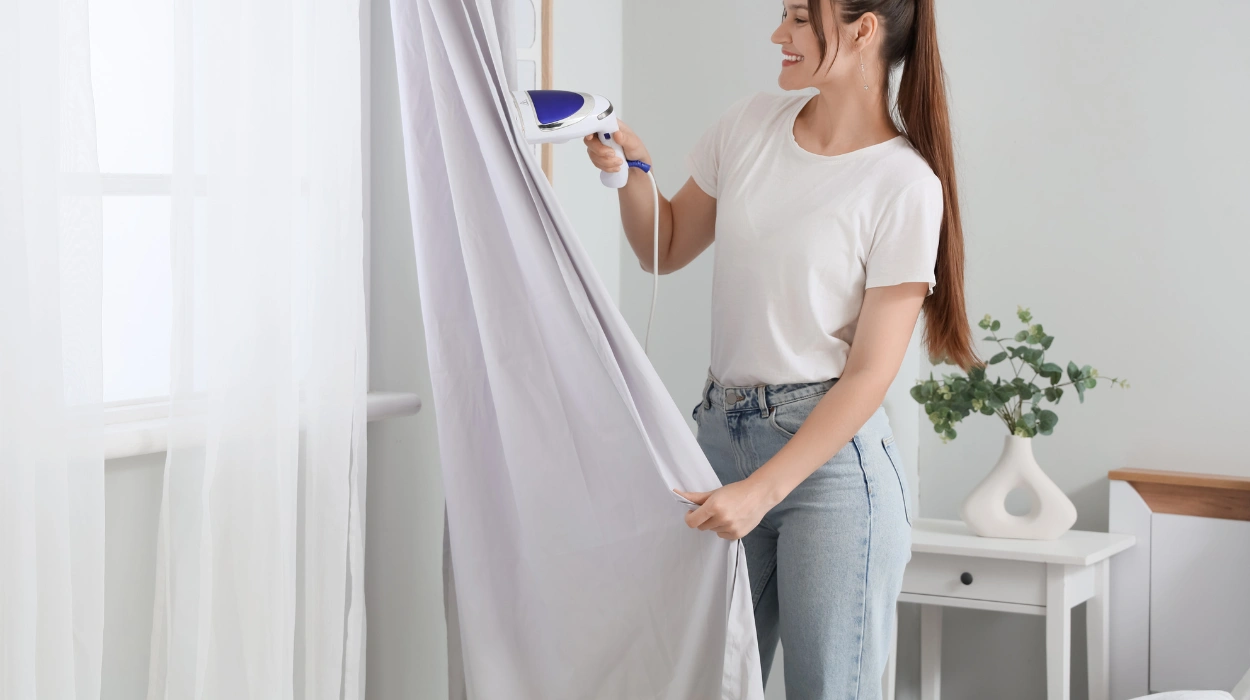
Present the issue of dusty layers in curtains (that may be invisible to the eye), particularly in old houses with outdated fabrics and high ceilings, where dust can tend to accumulate more easily. Talk about the impacts on I.A.Q. and comfort in daily life – connect health and home care. Precede with the reason as to why this issue is usually ignored as opposed to other cleaning processes.
Why Hidden Dust Layers Matter in Period Homes
The period houses are known to have high ceilings, recessed deeper windows and heavy window dressings. These characteristics contribute to the fact that small particles can be more easily settled in the folds of the cloths instead of being washed away during regular cleaning. As layers of dust accumulate over the years, it has a way of accumulating in curtains, when nobody is visible to see, yet they feel it. This may have an influence on the general air that you inhale in your residential areas.
Although the majority are concerned about the dust that can be observed and felt on the surface, the invisible dust that might be inside the deep layers of curtain fabrics may also be the cause of allergies and deteriorate the overall air quality. This issue is exacerbated by the fact that period houses do not always have the appropriate ventilation system. Daily dusting or frequent vacuum cleaning can not access the deepest layers in which the dust, pollen, pet dander, and even dust mites settle.
This is why it is not only important to learn how to find hidden dust layers and deal with them to ensure that the curtains always look well, but also because it is a duty to protect your home. By being aware of the neglected problem, the homeowners have a clearer command of the well-being and safety of their homes.
How Curtains Trap Dust and Allergens
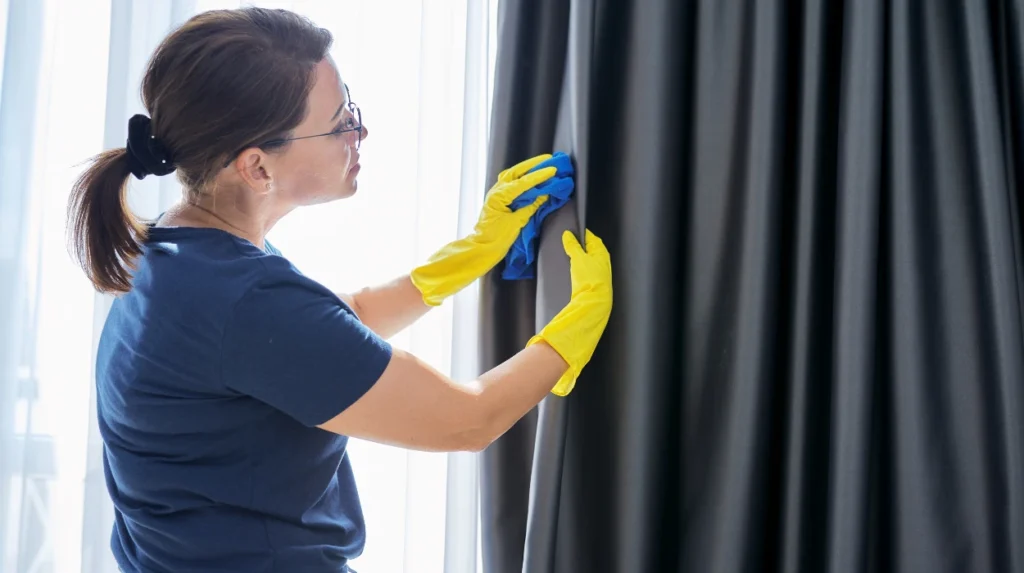
Certain fabrics, particularly heavier or more textured fabrics that were used in period homes, tend to accumulate more air particles naturally as they trap dust in tiny vacuoles created by the fibres that make up the fabric. These layers of contaminants consist of the daily dust, microscopic allergens, and those floating around your living areas without any apparent manifestation of their existence. Whenever you pull your curtains, these minute particles will leak back into the room air and can provoke sneezes or slight discomfort to sensitive occupants. Most people feel that dusting every now and then, once a blue moon, is sufficient, but that is hardly a scratch on the surface.
Dust has a tendency to creepness in those crevices and seams which cannot be touched by a regular brush. That is why a regular practise, including vacuum cleaning with upholstery attachments and a professional cleaning once a month, makes a significant change at the places where dusting becomes a constant issue. Half the battle is simply knowing where the dust is hiding, since once this is known, you can approach it in a systematic way.
Signs Your Curtains Are Hiding Dust
Being aware of the time when you should attend to the curtains will enable you to address the problem before it escalates. Apparently, dust clouds in case of shaking curtains, unpleasant smell in the vicinity of the windows or aggravating symptoms of allergy at home indicate deeper layers of dust. When you start sneezing when you are indoors or when you realize that your heavy clothes are heavier than normal, that is an indicator that your curtains have more than dust on the surface; they are also hiding some layers that have to be taken care of.
In contrast to surface dusting at a fast pace, it is possible that you will have to treat these signs with much more seriousness since the dust cannot be spotted in a short period of time. This is why it is important to monitor the situation in advance: it is possible to eliminate the problems, but not to respond to the manifestation of health consequences. This is aimed at having a healthier indoor environment, and with these early warning signs, you have the opportunity to make the place more comfortable and healthier.
Best Ways to Tackle Hidden Dust
It is good to thoroughly vacuum with a soft upholstery brush before removing curtains because the brush can reach deeper fibres. When you open your steamer or handheld vacuum, be sure to work slowly, top to bottom, so the dust does not settle into the room. In case of hardened accumulation, laundry, as per the type of fabric or getting a curtain cleaning service will get rid of deep dirt better.
Sometimes home techniques are all that is needed; however, dense textiles, sensitive fibers and layers of antique cloth can be too much to handle with a home technique. Professional cleaning helps to eliminate dust mites, pollutants and trapped particles that do not harm the fabric. Frequent maintenance of the curtain should become a part of your cleaning routine, particularly in old-fashioned houses, where the textile and older surfaces contribute to indoor air quality more significantly. It is not only about cleanliness, but a healthier and more light-hearted home.
Maintaining Curtains in Period Homes
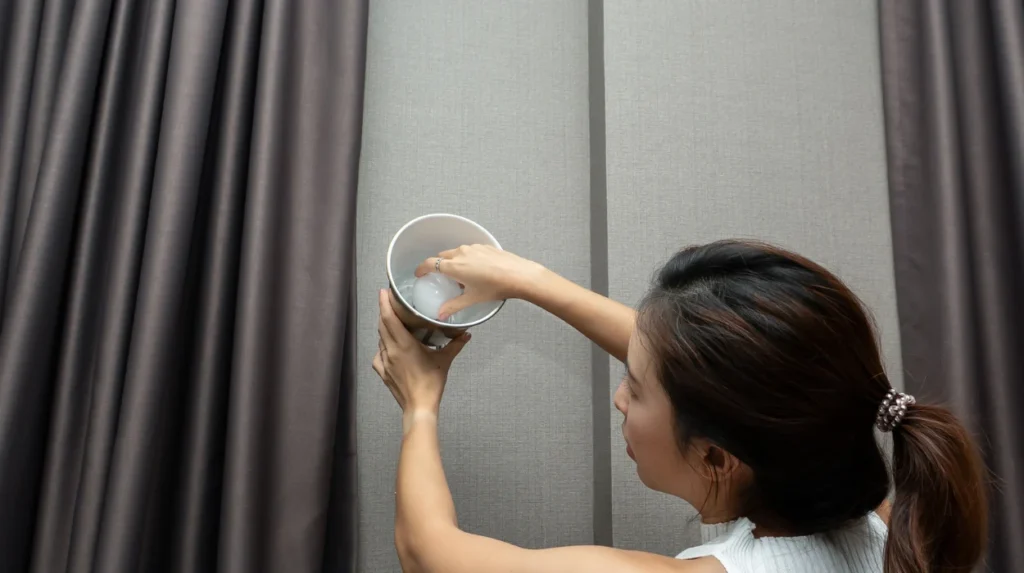
Create a cleaning schedule that suits your needs and home setting. Unseen dust can be suppressed with a vacuum every two months and seasonal deep cleaning. Homes that have pets, high traffic or lack proper ventilation might require attention more frequently. The timetable should be stricter in case a person at home is allergic to something. Avoid moisture and mould problems by airing rooms. Good sealing of windows is helpful too – it limits the outside particles in the first place. Maintaining the
through maintenance of the curtains as a protective measure is a way of preserving your decor and protecting your health.
Choosing the Right Curtain Fabrics to Minimise Dust
All curtains make equal dust traps. The thicker fabrics, such as velvet or brocade, which were common in the period homes as part of a classic appearance, will always trap more particles compared to the light fabrics, such as linen or cotton. Even though these luxurious fabrics are pleasant, they have to be serviced more frequently because when they are not used, they may accumulate dust layers that are difficult to see. Clothes made lighter will have more airflow, and this will decrease the amount of dust and help to improve the quality of indoor air.
Other contemporary blended fabrics are created in such a way that they repel dust yet they do not lose the beauty of the period style interiors. The visual appeal and ease of cleaning are two factors to look at when purchasing new curtains. In case pets in the home or high traffic causes frequent washing of cloth, easy-to-wash and remove fabrics can save time and prevent allergens. Even minor decisions in curtain material can help save a lot of dust over a period of time in keeping your living space healthier without ruining the appearance of your period home.
Grasping the issue of concealed dust layers in curtains, particularly in vintage houses, is a crucial factor for a pleasant and healthy living area. Curtain cleaning plays an essential role not only in the decoration of windows; they have an impact on indoor air quality, comfort, and even human health. If you are not just aiming at a better home atmosphere but also less allergy worries and no stale air at home, then regular maintenance is essential.
You can always count on the help of Bee Cleaning Services Manchester for deep cleaning that will reveal the hidden beauty in your home, with dust-free and healthy fabrics as a result. Reach out to them now and provide your period home with the needed care.