


Hotel cleaning services in Oldham should provide a structured, consistent cleaning programme covering guest rooms, bathrooms, public areas, floors, touchpoints, and back-of-house spaces. A professional provider should also use suitable cleaning-equipment, trained staff, clear schedules, and measurable cleaning standards.
What Should Hotel Cleaning Services in Oldham Include?
Hotel cleaning services in Oldham normally cover more than basic vacuuming, dusting, and mopping. A professional hotel cleaning plan should consider guest bedrooms, en-suite bathrooms, corridors, reception areas, staircases, lounges, dining spaces, staff areas, and other shared facilities. The exact scope depends on the hotel’s size, layout, occupancy, operating hours, and level of guest traffic. Guest rooms usually require detailed surface cleaning, bed-area preparation, bathroom sanitation, floor care, waste removal, and high-touch-point cleaning. Public areas require frequent attention because they are visible to guests and can experience continuous footfall throughout the day. Back-of-house areas may require separate procedures because kitchens, storage rooms, staff rooms, and service corridors have different operational requirements. A written cleaning specification helps the hotel understand what is cleaned, how often it is cleaned, and what standard should be achieved.
How Does a Professional Provider Assess a Hotel?
A professional provider should begin by understanding the property rather than applying exactly the same routine to every hotel. The assessment normally considers the number of bedrooms, bathrooms, floors, public spaces, entrances, staff facilities, and high-traffic zones. It should also consider the hotel’s opening hours and the periods when cleaning can take place without disrupting guests or employees. A small independent hotel may require a different staffing model from a larger property with frequent room turnover. Cleaning frequency should also reflect occupancy patterns, because heavily used areas generally require more regular attention. The provider can then establish task schedules, staffing requirements, equipment requirements, and appropriate cleaning methods. This assessment creates the foundation for a practical cleaning programme rather than a generic package.
Why Are Hotel Cleaning Standards Different From Ordinary Commercial Cleaning?
Hotel cleaning requires particular attention because cleanliness directly affects the guest experience and the presentation of accommodation. The National Occupational Standards for hospitality housekeeping emphasise scheduling, staff allocation, appropriate resources, maintaining accommodation and public areas, and reviewing service performance. Hotels therefore benefit from a cleaning system that combines routine tasks with supervision and quality checks. Guest-facing areas should look consistently maintained rather than clean only immediately after a deep-cleaning visit. Bathrooms, touchpoints, floors, mirrors, furniture, and entrance areas can quickly show signs of use in busy accommodation environments. A professional provider should understand that visual presentation and cleaning consistency are connected. The objective is to maintain an agreed standard throughout the operating cycle, not simply complete individual cleaning tasks.
Which Areas Need the Most Attention?
Guest bedrooms and bathrooms are usually among the most important areas because they are directly associated with the guest’s perception of the hotel. Bedroom cleaning can include dusting furniture, cleaning surfaces, vacuuming or mopping floors, removing waste, cleaning mirrors, and addressing frequently touched areas. Bathrooms require careful cleaning of toilets, sinks, taps, showers, baths, tiles, floors, mirrors, and other surfaces. Reception areas and entrances also need regular attention because they create the first physical impression of the property. Corridors and staircases can accumulate dust and debris because guests and staff move through them repeatedly during the day. Shared lounges, dining areas, lifts, and other public spaces may need scheduled cleaning at different frequencies according to traffic. A professional plan should distinguish between daily maintenance tasks, periodic cleaning, and specialist cleaning rather than treating every area identically.
How Does Cleaning Equipment Affect Hotel Cleaning Quality?
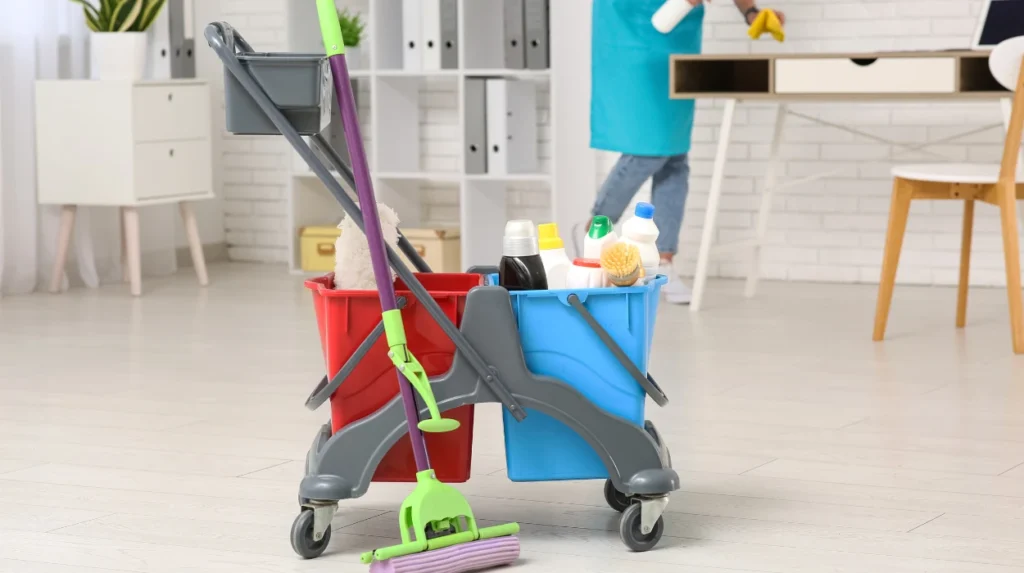
Cleaning-equipment can influence efficiency, consistency, surface protection, and the time required to complete hotel cleaning tasks. Professional providers may use commercial vacuum systems, floor-cleaning machines, microfiber systems, specialist brushes, colour-coded materials, and other equipment selected according to the surface being cleaned. Equipment should be suitable for carpets, hard floors, glass, upholstery, bathrooms, kitchens, and other materials found throughout accommodation properties. Incorrect equipment can increase the risk of surface damage or leave residues that affect appearance. The provider should also understand how equipment is cleaned, stored, inspected, and maintained between uses. For larger properties, the right equipment can help teams complete repetitive tasks more consistently and efficiently. Equipment alone does not guarantee quality, however, because staff training, cleaning methods, supervision, and scheduling remain equally important.
Should Hotels Supply Their Own Cleaning Equipment?
This depends on the agreement between the hotel and the cleaning provider. Many professional cleaning companies can supply the equipment and materials required for the agreed scope, which can reduce the hotel’s responsibility for purchasing, maintaining, and replacing cleaning tools. Other arrangements may involve the hotel supplying particular products because of internal policies, brand requirements, or specialist surface-care procedures. Before work begins, both parties should establish who supplies chemicals, consumables, machines, cloths, vacuum systems, protective equipment, and replacement items. The agreement should also clarify whether specialist equipment is included in the standard service or charged separately. Clear responsibility prevents operational problems when a particular item is unavailable during a scheduled clean. It also makes commercial comparisons easier because hotels can understand the actual resources included in each proposal.
What Cleaning Schedule Should a Hotel Expect?
A professional hotel cleaning programme should combine daily, periodic, and specialist cleaning activities. Daily work generally focuses on guest rooms, bathrooms, public areas, reception spaces, high-touch points, waste removal, and other areas that require continuous maintenance. Periodic tasks may include deeper floor care, detailed furniture cleaning, high-level dusting, internal glass cleaning, and other work that does not need to happen during every visit. Specialist cleaning may involve carpets, upholstery, kitchens, windows, or specific surfaces that require dedicated methods and equipment. The schedule should also allow flexibility during periods of high occupancy, events, seasonal demand, or unexpected cleaning requirements. Supervisors can use task schedules and inspection procedures to monitor whether required work has been completed. This structured approach helps hotels maintain predictable standards while adapting cleaning activity to actual operational demand.
Can Cleaning Take Place Outside Guest Hours?
Yes, cleaning schedules can often be organised around the hotel’s operating pattern and guest activity. Early morning, evening, overnight, or other quieter periods may be suitable for particular tasks, provided access, security, noise, and staffing requirements are considered. Public-area cleaning may need to happen in stages so that important spaces remain available to guests. Room cleaning can also be coordinated with check-out and check-in patterns where applicable. A professional provider should discuss these operational constraints before establishing the final schedule. Flexible scheduling is especially useful for businesses that cannot close their premises while cleaning takes place. The objective is to maintain hygiene without creating unnecessary disruption for guests, employees, or hotel operations.
How Should Hotels Compare Professional Cleaning Providers?
Hotels should compare providers based on service scope, cleaning frequency, staffing, equipment, supervision, insurance, communication, and pricing structure rather than selecting the lowest headline price. A detailed proposal should explain which areas are covered and which tasks are performed during each scheduled visit. It should also state whether cleaning products and cleaning-equipment are included. Hotels should ask how staff are trained and supervised, especially when cleaners will work independently inside guest-facing areas. Contract terms should explain service frequency, cancellation arrangements, additional services, review procedures, and any potential extra charges. A clear specification makes it easier to compare two providers on equivalent requirements. Businesses considering wider professional commercial cleaning solutions can also assess whether the provider has experience adapting cleaning plans to different commercial environments.
Why Is a Site Assessment Important Before Agreeing a Service?
A site assessment gives the cleaning provider an opportunity to understand the property’s actual requirements before establishing a cleaning programme. Floor area alone does not show how much cleaning a hotel requires because room numbers, bathrooms, public areas, occupancy, furniture, flooring types, and traffic levels can vary considerably. The assessment can identify surfaces requiring specialist treatment and areas that need different cleaning frequencies. It can also establish access arrangements, storage requirements, security procedures, and suitable cleaning times. These details can affect both staffing and the equipment required for the contract. A site-based proposal is therefore generally more useful for decision-making than a generic price based only on property size. It also gives the hotel an opportunity to clarify expectations before the service begins.
What Should a Hotel Cleaning Specification Contain?
A useful cleaning specification should clearly describe the tasks, locations, frequencies, responsibilities, and expected outcomes. It can identify individual cleaning elements such as floors, bathrooms, furniture, mirrors, doors, handles, reception surfaces, corridors, and communal areas. The specification should also distinguish between routine cleaning and periodic or specialist work. This helps prevent important tasks from being assumed rather than formally included. A clear document can also identify who supplies products, equipment, consumables, and protective materials. Quality checks can be incorporated so that supervisors can review completed work against agreed standards. This type of specification provides a practical reference for both the hotel and cleaning provider throughout the contract.
How Can Hotels Avoid Paying for Services They Do Not Need?
The best approach is to define the cleaning requirement before comparing prices. Hotels should identify which areas require daily attention, which need weekly or periodic treatment, and which specialist services should only be requested when necessary. A detailed scope prevents businesses from paying for unnecessary tasks while ensuring essential work is not accidentally excluded. It is also useful to separate routine cleaning from optional services such as carpet extraction, upholstery treatment, high-level cleaning, or specialist floor maintenance. When comparing proposals, the hotel should check whether equipment, materials, supervision, and additional visits are included in the quoted structure. A lower price may not represent better value if essential tasks or resources are excluded. Clear specifications therefore support a more meaningful comparison between professional providers.
How Does a Professional Cleaning Provider Support Hotel Operations?
A professional cleaning provider supports hotel operations by creating repeatable cleaning routines that fit the property’s daily workflow. The service can reduce the need for hotel management to organise individual cleaning tasks and can provide a defined structure for routine and periodic work. Professional teams can also bring appropriate equipment, cleaning products, procedures, and staffing arrangements to the contract. Supervision is important because hotel cleaning standards need to remain consistent even when different staff members perform the work. National hospitality housekeeping standards recognise the importance of scheduling, staff allocation, resources, procedures, and maintaining accommodation and public areas. For Oldham businesses evaluating wider commercial cleaning planning and service options, the same principle applies: the service should be designed around the property’s operational requirements. This makes the cleaning programme easier to monitor and adjust as business needs change.
What Should You Discuss Before Choosing a Provider?
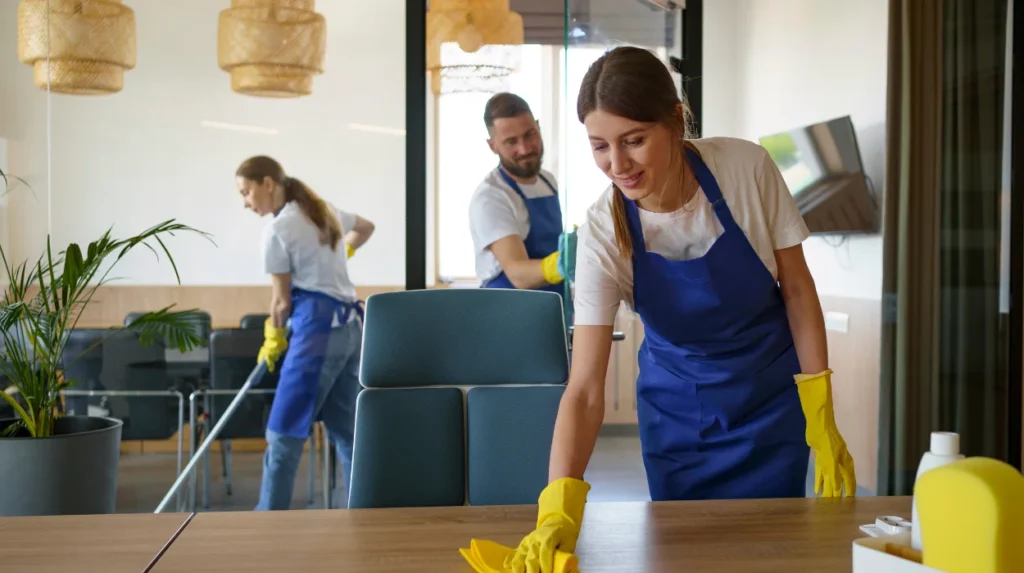
Before selecting a provider, hotel management should discuss the property layout, required frequencies, guest-room requirements, public areas, cleaning times, staffing, equipment, consumables, specialist services, supervision, and quality checks. It is also useful to ask how missed tasks are reported and how service issues are communicated. The contract should clearly explain what is included in the regular service and what would require an additional charge. Hotels should understand how changes in occupancy or operational requirements can affect the cleaning schedule. They should also check that insurance and other relevant business documentation are appropriate for the work being undertaken. Reviewing these details before signing a contract reduces uncertainty and supports a more predictable working relationship. For businesses moving toward a decision, a guide on comparing commercial cleaning quotes and service value can help structure the evaluation process.
How Can Bee Cleaning Services Manchester Approach Hotel Cleaning Requirements?
Bee Cleaning Services Manchester can provide professional cleaning solutions based on the specific requirements of a commercial property rather than relying on one fixed routine. Its commercial cleaning service covers different business environments and includes cleaning approaches for offices, commercial premises, retail locations, industrial sites, restaurants, healthcare environments, and educational facilities. For hotel-related requirements, the practical priorities remain clear: define the areas, establish frequencies, select appropriate cleaning-equipment, organise staffing, and maintain consistent standards. A tailored plan can help ensure that guest-facing areas and supporting spaces receive attention according to their level of use. Commercial Cleaning Services in Oldham can therefore be considered as part of a wider structured approach to maintaining professional premises. The most appropriate programme depends on the property’s layout, operational schedule, cleaning requirements, and agreed service specification.
Hotel cleaning is most effective when it is treated as an operational process rather than a collection of isolated cleaning tasks. A professional provider should understand the property, define the scope, establish cleaning frequencies, use suitable equipment, train staff, and maintain quality controls. Hotels should compare complete service specifications rather than focusing only on hourly rates or headline prices.
They should also confirm responsibilities for equipment, products, specialist services, scheduling, supervision, and additional work. Bee Cleaning Services Manchester provides professional cleaning solutions designed around commercial property requirements, with structured cleaning approaches that can be adapted to different operating environments. For hotels and other businesses in Oldham, a clear cleaning specification provides the foundation for consistent hygiene, presentation, and service performance.
Frequently Asked Questions
What is included in professional hotel cleaning?
Professional hotel cleaning can include guest rooms, bathrooms, reception areas, corridors, floors, public spaces, high-touch surfaces, waste removal, and back-of-house areas. The exact scope depends on the property’s size, usage, and agreed cleaning specification.
How often should a hotel be professionally cleaned?
High-use guest rooms and public areas normally require frequent cleaning, while some specialist tasks can be scheduled weekly, monthly, seasonally, or as required. The appropriate frequency depends on occupancy, traffic, property type, and operational requirements.
Do professional hotel cleaners bring their own equipment?
Many professional providers can supply cleaning-equipment and cleaning materials as part of the service. Hotels should confirm exactly what is included because equipment, specialist machinery, consumables, and chemicals can vary between cleaning contracts.
How do I compare hotel cleaning companies?
Compare the complete scope rather than the quoted price alone. Check cleaning frequencies, staff training, equipment, insurance, supervision, quality checks, contract terms, additional charges, and whether the proposed service matches the hotel’s actual operating requirements.
Is hotel cleaning different from office cleaning?
Yes. Hotel cleaning often requires greater attention to guest bedrooms, bathrooms, room turnover, public areas, and presentation standards. Office cleaning typically focuses more on workstations, communal areas, washrooms, floors, kitchens, and workplace hygiene.