
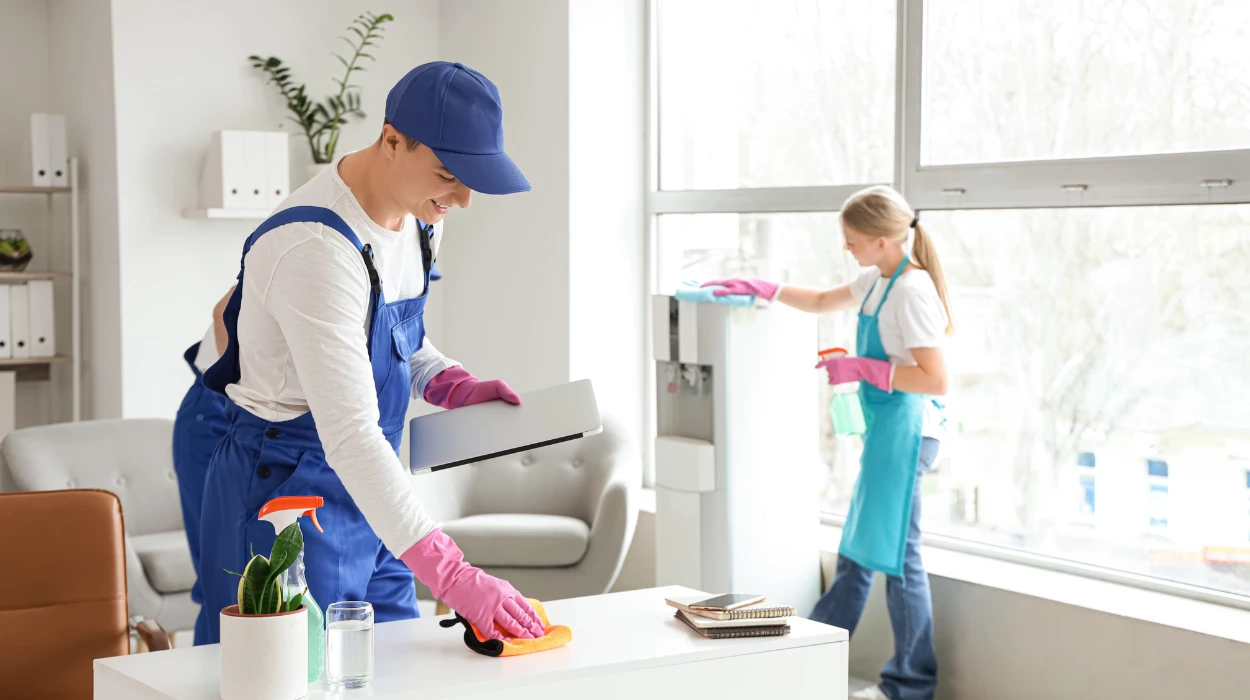
Modern businesses depend on productive, healthy, and motivated employees. However, many organizations underestimate the impact workplace cleanliness has on daily operations. How a Dirty Office Affects Employee Productivity and Health goes beyond appearance. Dust accumulation, contaminated surfaces, unpleasant odors, and cluttered workspaces can negatively affect concentration, workplace satisfaction, and overall efficiency. Research shows that workplace cleanliness has a measurable connection with employee productivity and job satisfaction.
For businesses seeking reliable Office Cleaning Services in Oldham, maintaining a hygienic workplace is not simply a maintenance task. It is an operational strategy that supports employee wellbeing and business continuity. Professional cleaning helps reduce health risks, improve workplace comfort, and create an environment where employees can perform at their best.
Why Workplace Cleanliness Matters More Than Most Businesses Realize
Employees spend a significant portion of their day inside office environments. The condition of that environment influences their physical health, mental focus, and overall workplace experience. When desks, communal areas, kitchens, and washrooms are not cleaned regularly, harmful contaminants can spread throughout the workplace.
Studies examining office environments have found that air quality, cleanliness, and workplace conditions influence comfort, health, and productivity levels. Employees exposed to poor environmental conditions often report lower workplace satisfaction and reduced performance.
Businesses that invest in structured workplace hygiene programs often create healthier and more productive work environments. This is one reason many organizations rely on professional <a href=”https://beecleaningservices.co.uk/blogs/why-is-knowing-how-a-dirty-office-affects-employee-productivity/”>office hygiene management solutions</a> to maintain workplace standards.
How Dirty Offices Increase Employee Illness
Germs Spread Faster in Shared Workspaces
Office environments contain numerous high-contact surfaces. Keyboards, telephones, printers, door handles, meeting room tables, and kitchen facilities are touched repeatedly throughout the day. Without regular sanitization, these surfaces become transmission points for bacteria and viruses.
Employees working in contaminated environments face a greater risk of common illnesses such as colds, flu, and respiratory infections. Increased illness often results in higher absenteeism, disruption of team productivity, and additional operational challenges. Professional cleaning schedules help reduce contamination risks through targeted disinfection of high-touch areas.
Poor Air Quality Creates Health Problems
Dust, allergens, and airborne particles accumulate quickly in offices with inadequate cleaning routines. Carpets, upholstery, ventilation systems, and neglected corners often become reservoirs for pollutants.
Research from Harvard indicates that indoor air quality significantly affects cognitive performance, concentration, and response times. Poor ventilation combined with dust accumulation may contribute to fatigue, headaches, and reduced employee efficiency.
The Impact on Employee Productivity
Clutter Creates Distractions
Employees perform best in organized and structured environments. When paperwork, waste, and unnecessary clutter accumulate, workers experience more visual distractions. Even small environmental disruptions can affect focus during complex tasks.
A clean workspace allows employees to concentrate on their responsibilities rather than being distracted by disorder. Studies examining workplace cleanliness found that higher cleanliness levels are associated with increased perceived productivity and workplace satisfaction.
Mental Fatigue Increases
Work environments constantly influence cognitive performance. Employees may not consciously notice dirty surroundings, but their brains continuously process environmental information. Visual disorder and neglected workspaces can contribute to mental fatigue throughout the day.
Cleaner workplaces support better concentration, improved task completion, and enhanced workplace comfort. This becomes especially important in offices where employees spend extended hours performing detailed work.
How Office Cleanliness Affects Employee Morale
Workplace Standards Reflect Company Culture
Employees often associate workplace conditions with organizational values. A neglected office can create the impression that employee wellbeing is not a priority. Over time, this perception may affect morale, engagement, and job satisfaction.
Clean, well-maintained workplaces demonstrate professionalism and attention to detail. Employees generally feel more comfortable and valued when working in organized environments that support their daily activities.
Better Environments Encourage Collaboration
Meeting rooms, breakout spaces, and communal areas are important for communication and teamwork. When these spaces are clean and welcoming, employees are more likely to use them effectively for collaboration and problem-solving.
Businesses that maintain consistent cleaning standards often create environments that encourage positive workplace interactions and stronger team dynamics.
The Role of Cleaning Equipment in Workplace Hygiene
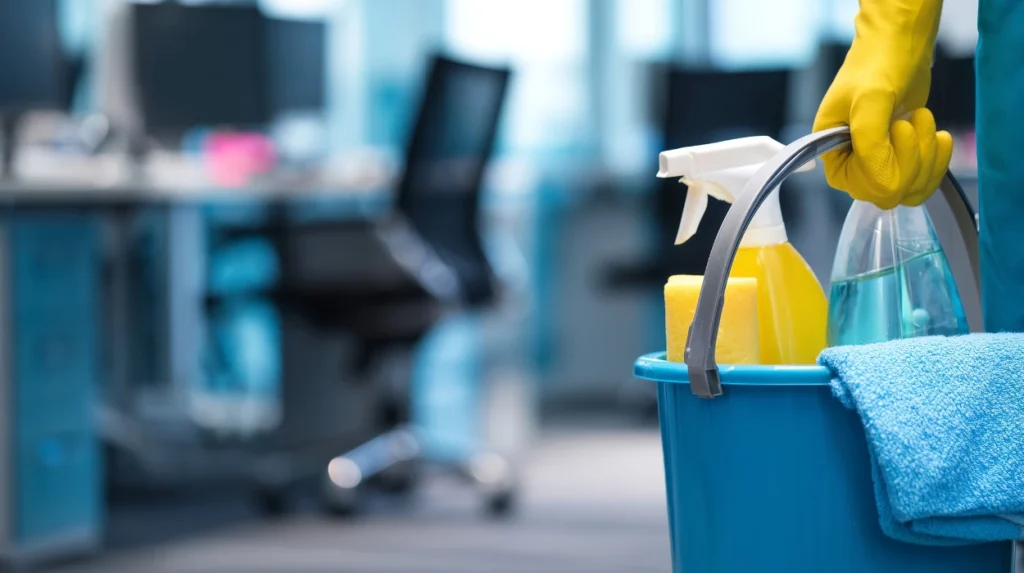
Effective office cleaning depends heavily on using the right cleaning-equipment. Professional-grade vacuum systems, microfiber cleaning tools, disinfectant applicators, and air filtration systems allow cleaning teams to achieve higher hygiene standards than basic cleaning methods.
Modern cleaning-equipment helps remove dust, allergens, and contaminants more efficiently while reducing cross-contamination risks. This contributes to healthier indoor environments and improved workplace safety.
Professional cleaning providers continually update their cleaning-equipment and methods to meet evolving hygiene requirements and workplace expectations.
Areas Most Commonly Missed During Office Cleaning
Workstations and Shared Technology
Computer keyboards, mice, telephones, and touchscreens often contain significant amounts of bacteria because they are used continuously throughout the day. These items require regular sanitization to reduce contamination risks.
Kitchen and Break Areas
Staff kitchens are among the busiest areas in most offices. Shared appliances, sinks, counters, and seating areas require frequent cleaning to maintain hygiene standards and prevent bacterial growth.
Washrooms and Hygiene Facilities
Clean washrooms are essential for employee comfort and workplace health. Inadequate washroom maintenance can quickly affect employee satisfaction and overall perceptions of workplace cleanliness.
Why Professional Office Cleaning Matters
Businesses often assign basic cleaning responsibilities internally. While this approach may address visible dirt, it rarely delivers the comprehensive hygiene management required for modern workplaces.
Professional Office Cleaning Services in Oldham follow structured cleaning schedules, targeted disinfection procedures, and quality control processes. This ensures that all workplace areas receive consistent attention while minimizing operational disruption.
Organizations comparing service frequencies may benefit from reviewing <a href=”https://beecleaningservices.co.uk/blogs/daily-vs-weekly-office-cleaning-contracts-which-is-right-for-your-business/”>daily versus weekly office cleaning comparisons</a> before selecting a suitable cleaning program.
Choosing the Right Cleaning Frequency
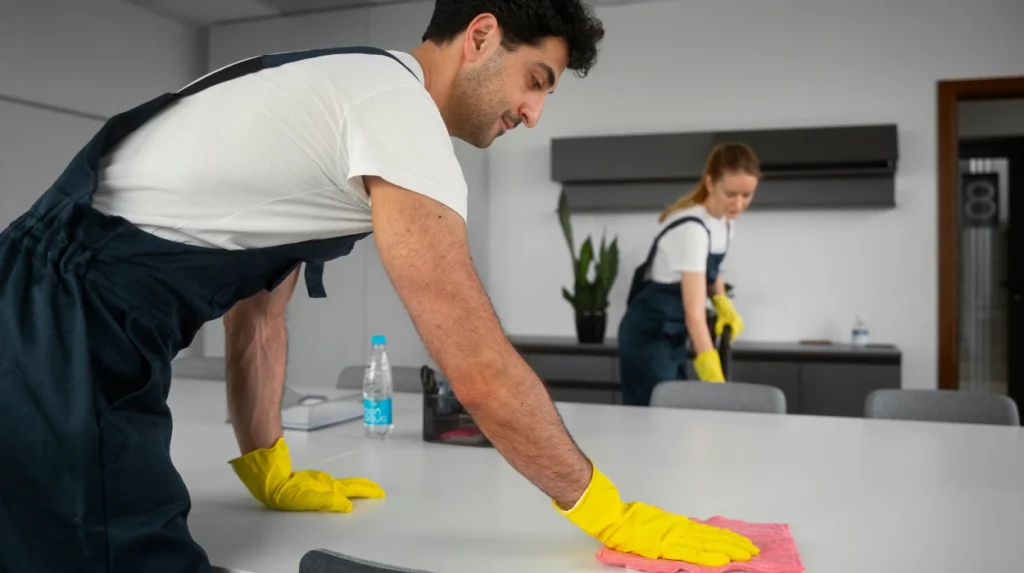
Every office has unique cleaning requirements based on employee numbers, visitor traffic, and workspace layout. Some offices require daily cleaning, while others may benefit from weekly or scheduled deep cleaning services.
Factors influencing cleaning frequency include workplace occupancy, industry regulations, customer visits, and shared facility usage. Selecting an appropriate schedule helps maintain hygiene standards while controlling operational costs.
Businesses evaluating cleaning schedules often explore <a href=”https://beecleaningservices.co.uk/blogs/who-are-the-trusted-office-cleaners-in-oldham-for-small-and-medium-offices/”>available office cleaning service options in Oldham</a> to determine the most effective solution for their workplace.
How Bee Cleaning Services Manchester Supports Cleaner Workplaces
Bee Cleaning Services Manchester provides professional workplace cleaning solutions designed to support healthier and more productive office environments. Through structured cleaning programs, modern cleaning-equipment, and attention to workplace hygiene, businesses can maintain environments that support employee wellbeing and operational efficiency.
For companies requiring Office Cleaning Services in Oldham, professional cleaning contributes to healthier workplaces, reduced absenteeism, improved morale, and a more professional business environment.
Workplace cleanliness directly influences employee wellbeing, concentration, morale, and business performance. Clean environments help reduce illness, improve comfort, and support productivity throughout the working day. Bee Cleaning Services Manchester helps businesses maintain professional workplace standards through reliable cleaning solutions that support healthier and more efficient office environments.
Frequently Asked Questions
Does a dirty office really reduce employee productivity?
Yes. Research has found links between workplace cleanliness and employee productivity. Clean environments reduce distractions, improve comfort, and support better concentration. Employees working in organized workplaces often report greater satisfaction and efficiency. Workplace cleanliness can therefore contribute positively to daily performance.
Can office cleanliness affect employee health?
A poorly maintained office can increase exposure to dust, allergens, bacteria, and viruses. High-touch surfaces and shared spaces become transmission points when not cleaned regularly. This may increase sickness rates and absenteeism. Consistent cleaning helps reduce these risks.
How often should an office be professionally cleaned?
Cleaning frequency depends on office size, occupancy levels, and visitor traffic. High-use workplaces often benefit from daily cleaning, while smaller offices may require weekly services. Shared kitchens, washrooms, and reception areas usually need more frequent attention. Professional assessments help determine suitable schedules.
What cleaning-equipment is important for office cleaning?
Professional cleaning commonly uses commercial vacuums, microfiber systems, disinfectant applicators, floor maintenance equipment, and air filtration tools. Modern cleaning-equipment improves efficiency and supports higher hygiene standards. Proper equipment also helps reduce cross-contamination risks.
Why do businesses hire professional office cleaners?
Professional cleaners provide structured cleaning programs, specialist equipment, and consistent quality standards. They address areas often overlooked during routine cleaning. Businesses benefit from healthier workplaces, improved appearance, and better support for employee wellbeing and productivity.