

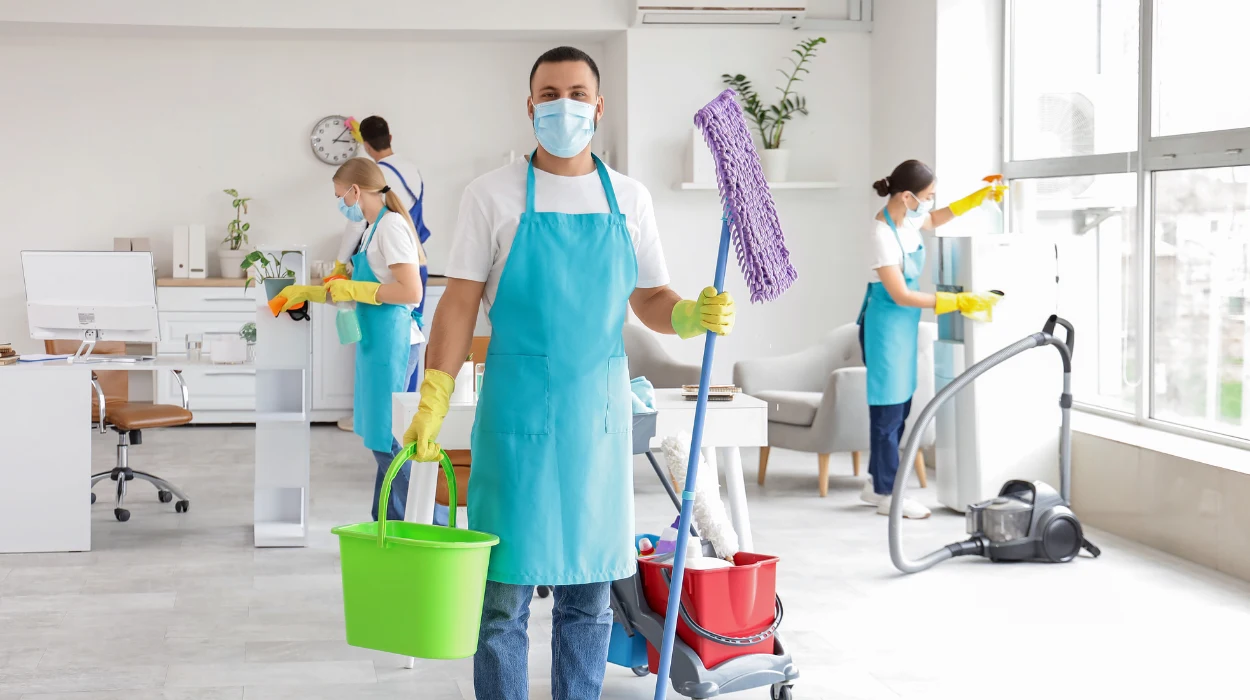
A commercial clean typically takes anywhere from one hour to a full working day, depending on the size, condition, and type of the premises. Several clearly defined factors shape this timeframe, and understanding them helps businesses plan their cleaning schedules with far greater accuracy and confidence.
The time required for a commercial clean is never a fixed figure that applies equally across every business premises. Cleaning professionals assess multiple variables before they can provide an accurate estimate for any given job. The overall square footage of the space is one of the most immediate factors, as larger areas naturally require more time to clean thoroughly and consistently.
How Property Size and Type Affect Cleaning Time
One of the most reliable indicators of cleaning duration is the physical size of the property being cleaned. A compact office of around 500 square feet may take one to two hours with a two-person team working methodically through the space. A larger commercial premises exceeding 5,000 square feet could realistically require six to eight hours or considerably more, depending on the scope of work involved. The type of facility matters just as much as the raw square footage, as different environments come with entirely different cleaning demands and hygiene standards.
A medical or dental clinic requires strict sanitisation protocols that add considerable time compared to a standard corporate office environment. Retail spaces often involve floor care, window cleaning, and the maintenance of display areas, all of which extend the overall timeline. Industrial facilities may require degreasing of machinery, pressure washing of floors, or specialist waste disposal procedures that add substantially to the time on site.
The Role of Cleaning Frequency in Overall Time
How regularly a property is professionally cleaned has a direct and measurable impact on how long each individual session takes to complete. A workspace that is cleaned daily or on a consistent weekly basis tends to accumulate far less dirt, grime, and bacteria between visits, which keeps each session shorter and more manageable for the cleaning team.
In contrast, a property that has not been properly maintained for an extended period will require a more intensive deep clean before it can be restored to an acceptable professional standard. Deep cleans involve far more detailed work across surfaces, fixtures, sanitation points, carpets, and hard floors, which can double or even triple the time compared to a routine maintenance visit.
Businesses that invest in consistent cleaning schedules also benefit from healthier working environments, and for those exploring the wider impact of professional upkeep, understanding how commercial cleaning improves workplace health provides valuable context around why regular visits matter beyond aesthetics alone. Frequency, in practical terms, is one of the most effective variables that businesses can directly control when managing their cleaning durations and overall costs over time.
Team Size and Equipment Efficiency

The number of professional cleaners assigned to a job has a direct and significant effect on how quickly a commercial property can be cleaned to the required standard. A single operative working through a medium-sized office may take four to five hours to complete the job, while a team of three experienced cleaners could realistically complete the same space in under two hours without any reduction in quality.
Professional cleaning companies match their team size to the scope of the project during the initial assessment phase, ensuring the right number of operatives are deployed for efficient and thorough completion. The quality of equipment used also plays a major role in reducing cleaning time without any compromise to the standard of results. Industrial-grade vacuum cleaners, floor scrubbers, steam cleaning machines, and commercial-grade sanitisation products allow professional teams to cover considerably more ground in less time than conventional domestic equipment would allow.
Bee Cleaning Services Manchester applies a structured, team-matched approach to all commercial projects, ensuring cleaning is completed within agreed timeframes while causing minimal disruption to the daily operations of the business.
Specialist Cleaning Tasks and Their Impact on Duration
Certain cleaning tasks require additional time due to their technical nature, the level of preparation involved, or the specific products and equipment they demand. Carpet cleaning, for example, involves pre-treatment of stains, hot water extraction, and a controlled drying period, which can add several hours to a standard cleaning visit. High-level cleaning that includes suspended ceilings, light fittings, ductwork, and ventilation units requires specialised access equipment as well as safety protocols that extend the time the cleaning team must spend on site.
Window cleaning for multi-storey commercial buildings may involve reach-and-wash systems, rope access, or elevated platform equipment, each of which adds considerably to the project duration. Sanitising commercial kitchens, staff canteens, and food preparation areas to the required hygiene standards also takes significantly more time than general office cleaning, as surfaces must be treated with approved products applied and given appropriate contact time.
Where post-construction or renovation cleaning is needed, the volume of debris, construction dust, and surface residue can substantially extend the cleaning duration beyond any standard estimate. Businesses planning any of these specialist services should communicate their full requirements clearly to their cleaning provider well in advance of the scheduled start date.
Scheduling Constraints and the Available Cleaning Window
The time available for a commercial clean is often dictated not purely by the scope of work, but by the operational hours of the business itself and the window that remains outside of those hours. Many commercial premises are cleaned either early in the morning before staff arrive or during the evening once the building has closed for the day, both of which protect business continuity and prevent any disruption to the working environment. However, operating within a tighter time window can require a larger cleaning team or a more targeted approach that prioritises high-traffic and high-priority areas over secondary spaces.
Some larger businesses opt for a phased cleaning approach, where different zones or floors are cleaned on a rotating basis across multiple visits throughout the working week rather than attempting to cover the entire premises in a single session. This rotating model is particularly practical for large facilities where cleaning everything in one visit would require an impractically large team and a longer shutdown period. Discussing scheduling requirements openly with your cleaning provider at the outset ensures that the duration and timing of each clean are fully aligned with the operational needs and staff routines of the business.
What to Expect from Commercial Cleaning Services in Farnworth
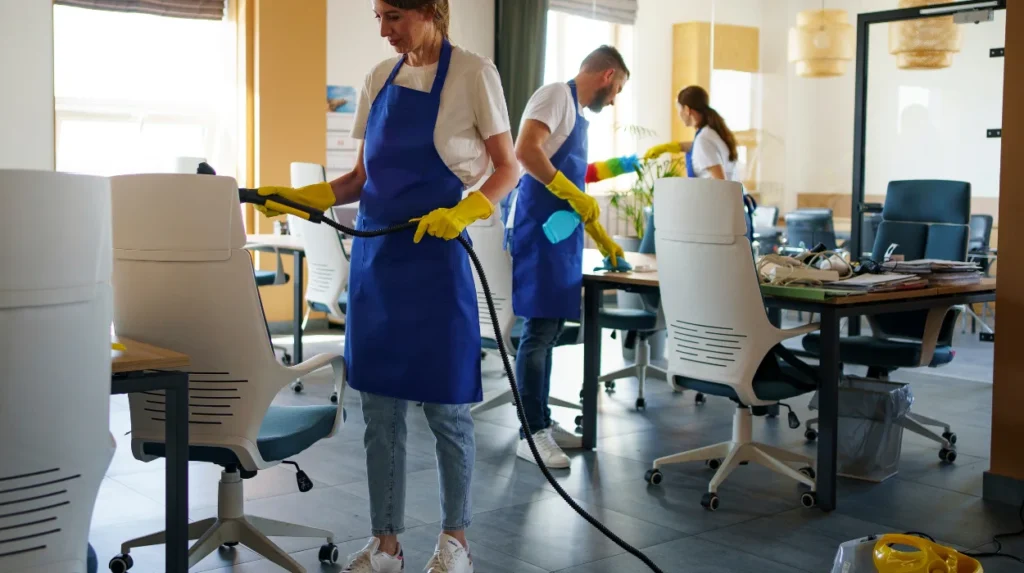
For businesses operating in Greater Manchester and the surrounding areas, understanding what local professional services involve helps set realistic expectations around both cleaning time and the quality of outcomes. Commercial cleaning services in Farnworth are structured to accommodate a wide range of business types, from compact offices and independent retail units through to larger commercial facilities and industrial premises.
A reputable provider will always conduct an initial site assessment before confirming a timeframe, rather than applying a generic one-size-fits-all estimate that fails to account for the specific conditions of the property. This assessment considers total floor area, the current condition of the premises, any specialist cleaning tasks required, and the scheduling constraints the business operates within.
Transparent communication during this stage prevents misunderstandings and ensures the cleaning team arrives fully prepared with the right equipment and personnel for the job. Businesses should also clarify whether the quoted timeframe includes setup and pack-down time, as these activities can add between fifteen and thirty minutes on either end of the active cleaning period. For businesses ready to commit to a reliable local cleaning arrangement, working with trusted commercial cleaners serving Farnworth businesses is a practical and well-supported next step.
Planning Your Commercial Cleaning Schedule Effectively
Effective cleaning schedule planning begins with an honest assessment of how frequently the premises need to be cleaned and what level of cleanliness is required to meet the business’s operational and regulatory standards. High-footfall environments such as gyms, healthcare facilities, and hospitality venues typically require daily cleaning to maintain acceptable hygiene levels throughout all public-facing and staff areas. Lower-traffic settings such as professional offices or creative studios may find that two or three cleaning visits per week provide sufficient maintenance without overspending on unnecessary frequency.
Once the cleaning frequency is established, businesses can work with their provider to define the precise duration of each visit and the specific tasks to be completed within the agreed time window. Building occasional flexibility into the schedule for deep cleans, post-event cleaning, or post-refurbishment restoration ensures the premises remains in excellent condition even after periods of unusually heavy use.
Many businesses benefit from reviewing their cleaning arrangement on a quarterly basis, making adjustments to frequency and scope as the needs of the business evolve over time. Engaging with an established provider of professional commercial cleaning solutions in Farnworth ensures that the schedule is built around the actual demands of the premises rather than a generalised template.
The time required for a commercial clean is shaped by a combination of factors that are specific to each business, including property size, facility type, cleaning frequency, team capacity, and the nature of any specialist tasks involved. There is no single answer that applies universally, which is why a proper site assessment from a qualified cleaning provider will always produce a more accurate and reliable estimate than any general figure.
Bee Cleaning Services Manchester works with commercial clients across the region to develop cleaning plans that are realistic, operationally compatible, and consistently delivered to a high professional standard. Whether the premises is a small managed office or a large multi-use commercial facility, professional cleaning solutions are available that fit the schedule, the hygiene requirements, and the budget of the business.
What is the 6 10 rule?
The 6 10 rule in commercial cleaning refers to spending 6 minutes on high-touch surfaces and 10 minutes on general area maintenance per zone. It helps cleaning teams manage their time efficiently across large commercial premises without missing critical areas.
What is the 70 10 10 10 rule?
This rule is a time-allocation guide where 70% of cleaning time goes to primary areas, 10% to sanitisation, 10% to restocking supplies, and 10% to inspection. It keeps commercial cleaning structured and ensures nothing is overlooked during a timed session.
What is Dave Ramsey’s 8% rule?
Dave Ramsey’s 8% rule is a personal finance principle, not directly a cleaning guideline. However, some facilities managers apply a similar percentage-based budgeting approach to allocate 8% of operational costs toward cleaning and maintenance services.
What are the four types of cleaners?
The four main types of commercial cleaners are detergents, degreasers, abrasives, and acids. Each serves a distinct purpose depending on the surface type and the level of soiling present in a commercial environment.
Which chemicals are used in cleaning?
Common chemicals used in commercial cleaning include sodium hypochlorite for disinfection, quaternary ammonium compounds for sanitisation, and isopropyl alcohol for surface sterilisation. The specific chemicals used depend on the facility type and the hygiene standards required.