

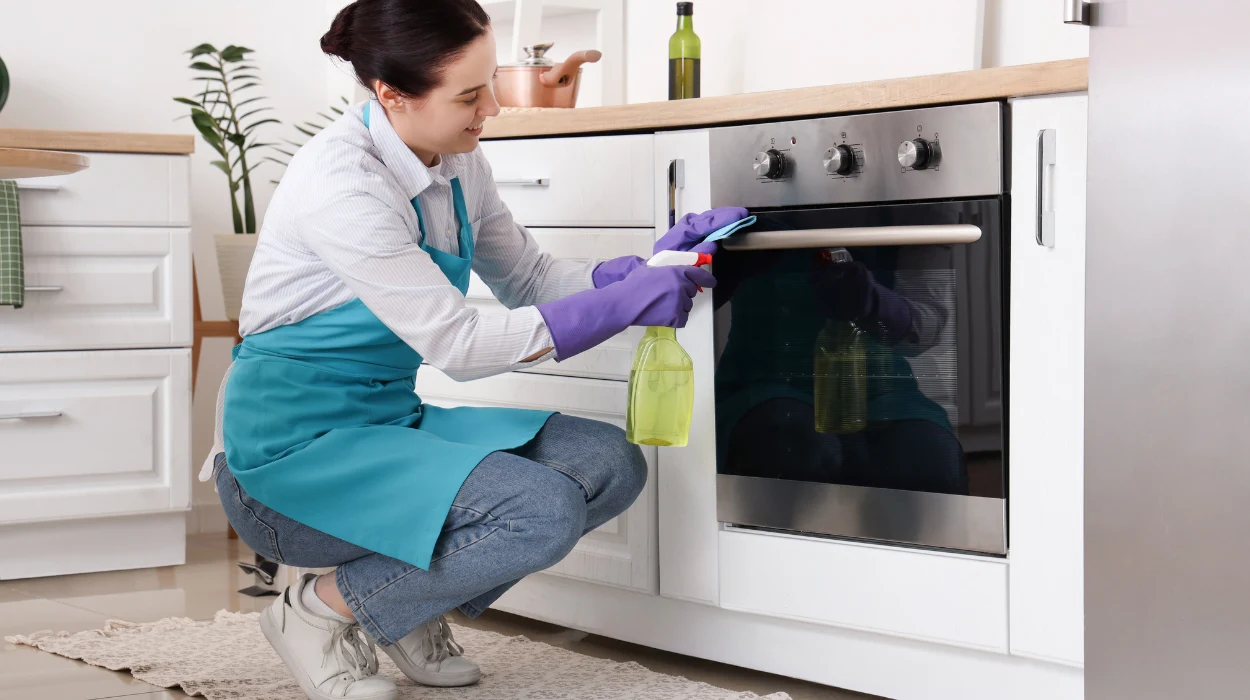
Homeowners should schedule professional oven cleaning services in Oldham every six to twelve months to maintain appliance efficiency and safety. However, if you use your kitchen daily for heavy roasting, baking, or family meal preparation, a professional clean every three months is recommended.
Maintaining a clean kitchen appliance is essential for food hygiene, electrical safety, and energy efficiency in modern households. Many residents struggle to balance daily house chores with complex technical tasks like deep scrubbing built-in racks and glass doors. Over time, grease layers accumulate on hidden heating elements and inner panels, which can cause smoke development and altered cooking temperatures. Understanding the optimal schedule for professional attention helps preserve your equipment while ensuring your meals taste exactly as they should.
When considering oven cleaning services in Oldham, your household cooking habits serve as the ultimate metric for scheduling visits. A small flat where meals are rarely prepared will naturally require less frequent attention than a bustling family home cooking daily roasts. Professional technicians use specialized dipping tanks and eco-friendly solutions that dissolve carbonized grease far more effectively than standard supermarket sprays. By analyzing your weekly cooking volume, you can accurately establish a schedule that prevents permanent carbon buildup on delicate internal components.
The underlying mechanics of your cooking appliance dictate how quickly grease turns into a problematic structural hazard. When fat splatters during high-temperature baking, it undergoes a chemical transformation, fusing directly onto the interior porcelain or enamel coating. This crusty buildup forces the appliance to consume more electricity to reach and maintain stable cooking temperatures throughout the cabin. Regular maintenance by seasoned specialists prevents this thermal inefficiency, ultimately extending the operational lifespan of expensive kitchen machinery.
Signs Your Kitchen Appliance Demands Immediate Professional Attention
Acrid smoke emitting from your appliance during its preheating phase indicates that dangerous carbonized residues require instant treatment. This smoke contains acrid fumes that can negatively alter the flavor profiles of delicate baked goods and fresh pastries. Furthermore, thick grease layers coating the interior glass pane obstruct your view, forcing you to open the door frequently and waste heat. If you notice a persistent burnt aroma lingering in your kitchen long after cooking, it is time for a thorough deep clean.
Altered heat distribution inside the cooking chamber is another subtle indicator that invisible heating elements are failing due to grime insulation. When fan covers and heating rings are heavily coated in baked-on food particles, air circulation becomes restricted and uneven. This results in unevenly cooked dishes, where one side of your food remains undercooked while the outer edges burn completely. Addressing these issues early via specialist treatment ensures consistent thermal distribution and prevents sudden electrical component breakdowns.
The Technical Process Behind Professional Local Deep Cleaning
Domestic store-bought aerosol sprays often contain harsh caustic chemicals that emit strong, toxic fumes throughout living spaces. Professional technicians use a sophisticated, non-caustic bio-clean process that safely removes burnt carbon without scratching delicate chrome or glass parts. The removable internal components, including wire racks, side grill panels, fan blades, and securing clips, are extracted systematically for external processing. These elements are placed into a custom van-mounted heated dip tank filled with specialized carbon-removing solutions.
While components undergo treatment in the specialized vehicle tank, technicians manually focus on the fixed interior surfaces of the appliance. This involves treating the roof panels, back walls, and seals where hidden fat deposits accumulate and deteriorate rubber flexibility. The entire structural assembly is carefully scraped and polished using specialized non-abrasive tools designed for delicate enamel coatings. This ensures that every millimeter of grease is completely lifted without compromising the structural integrity of your essential cooking appliance.
The meticulous separation and cleaning of multi-layered glass doors is a key benefit of choosing a professional specialist. Standard home maintenance cannot safely dismantle these sealed glass layers, allowing streaks and oils to remain permanently trapped in between. Professional tools allow technicians to safely separate the glass panes, clean the inner surfaces, and securely reassemble the entire door unit. This high level of care restores pristine optical clarity, allowing you to easily monitor your cooking progress without opening the door.
Structural Benefits of Maintaining Grease-Free Heating Elements
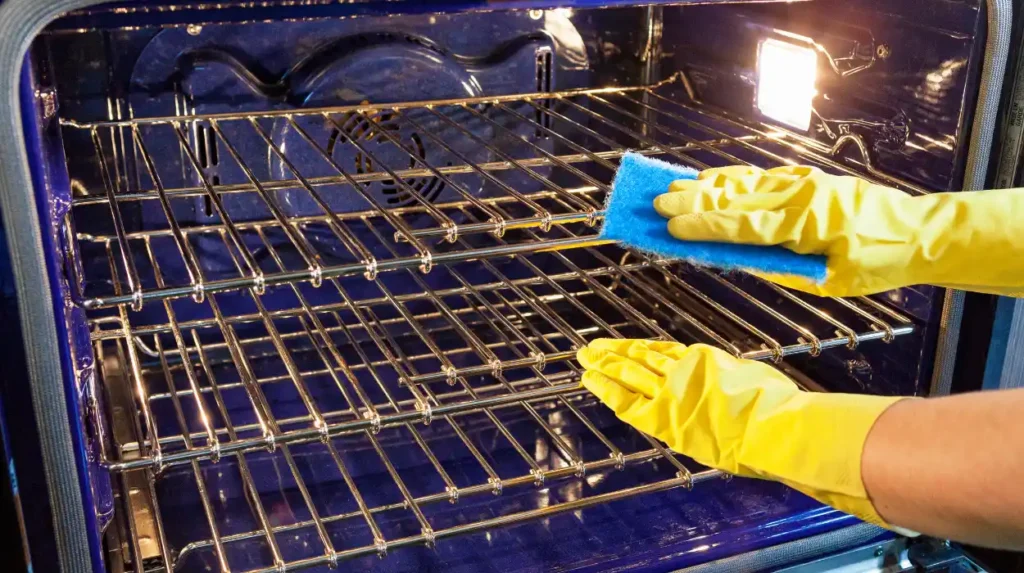
Allowing thick grease to accumulate around internal fan mechanisms puts undue mechanical strain on the integrated electric motor. The restricted airflow forces the motor to spin harder and run hotter, leading to early mechanical failure and costly repairs. Keeping these air channels clear ensures balanced, frictionless rotation and whisper-quiet operation during long baking or roasting sessions. Regular maintenance helps local homeowners avoid unexpected repair bills and avoids the high cost of buying a replacement appliance.
Fire prevention is another critical reason to keep internal surfaces free from flammable oil and fat accumulations. Thick layers of oil on base trays can ignite under high heat, creating a major fire hazard in your home. By thoroughly removing these combustible materials, professional intervention provides peace of mind and ensures a safe kitchen environment. Investing in routine professional cleanings is an effective proactive measure to safeguard both your property and your family.
Why Specialized Local Solutions Outperform Generic DIY Methods
Many homeowners spend hours scrubbing with supermarket gels, only to end up with scratched enamel and disappointing results. These generic products often leave a chemical residue that releases unpleasant odors the next time the oven is heated. Professional deep cleaning technicians understand the specific quirks of different appliance brands, from self-cleaning models to traditional range cookers. Their specialized experience allows them to clean thoroughly without accidental damage to delicate internal temperature sensors or ignition parts.
Choosing local experts saves you valuable time and effort while delivering a standard of cleanliness that is difficult to achieve alone. Rather than spending your weekend dealing with messy grease, you can leave the task to fully equipped, insured professionals. The process is clean, contained, and completed within a couple of hours, leaving your kitchen spotless and ready to use immediately. For busy households, outsourcing this demanding chore is a practical choice that ensures excellent hygiene and highly efficient appliance performance.
For comprehensive maintenance solutions, choosing dependable domestic support ensures your entire living space remains in top condition. Many local residents find that combining appliance care with regular home cleaning creates a healthier, more organized household environment. Professional teams have the right tools to tackle tough grime, ensuring your home looks great and functions perfectly. Entrusting your chores to a trusted local service lets you enjoy a clean home with none of the stress.
Frequently Asked Questions
How long does a professional oven deep clean take to complete?
A standard professional deep clean for a conventional domestic oven generally takes between one and two hours to complete thoroughly. Larger appliances, such as commercial-style range cookers or double-oven units, may require up to three hours of detailed work. The exact time depends on the structural style of your cooker and the level of carbon buildup present on the internal surfaces. Because the specialized dip tanks work efficiently outside in the van, your kitchen remains usable and free from clutter during the process.
Can I use my oven immediately after a professional cleaning team finishes?
Yes, you can use your appliance to cook meals immediately after the professional technician has completed the deep cleaning process. Because specialists use eco-friendly, non-caustic, and fume-free products, there are no toxic chemical residues or unpleasant odors left behind. The technician will thoroughly dry and test the appliance after reassembling the clean racks and glass panels to ensure everything functions perfectly. This allows you to safely prepare family meals right away without worrying about chemical contamination or odd tastes.
What is the difference between self-cleaning ovens and professional cleaning?
Self-cleaning ovens use extreme heat to burn off food residues, but this process often fails to clean racks and can damage heating elements. The intense temperatures can also release strong fumes and put a heavy strain on your appliance’s electrical components. Professional cleaning involves dismantling the appliance and using targeted, non-caustic products to clean every part safely and thoroughly without high-heat stress. This manual detail removes grease from hidden areas that self-cleaning cycles simply cannot reach, protecting your appliance from wear.
Will professional oven cleaning products damage my kitchen floor or worktops?
Professional technicians use protective floor coverings and heavy-duty worktop pads to safeguard your kitchen surfaces throughout the entire cleaning process. All removable parts are carried directly to a custom-fitted service van to be treated in a heated dip tank, keeping mess out of your home. Any internal detailing done inside your kitchen uses controlled, non-splatter methods to ensure surrounding cabinets and tiles remain clean. This careful approach ensures your kitchen is left in pristine condition, with no grease drops or water damage left behind.
How do I know if my oven seals need replacing during a clean?
A damaged oven seal will feel brittle, show visible cracks, or allow heat to escape, causing the outside of the door to feel excessively hot. During a professional clean, technicians inspect the rubber or fiberglass gaskets to ensure they are still flexible and sealing properly. If a seal is torn or loose, it forces the appliance to use more energy and can lead to unevenly cooked food. Identifying these worn seals early allows you to replace them promptly, maintaining your oven’s energy efficiency and performance.