
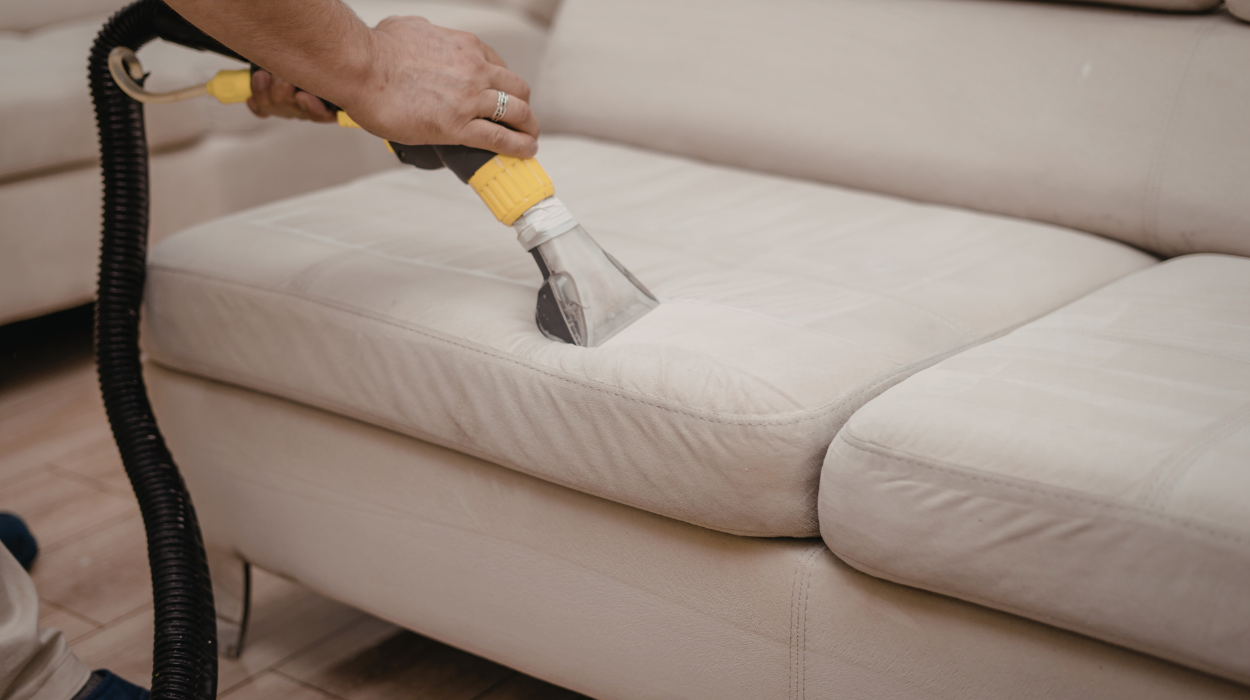
Most homeowners in Farnworth should have their upholstery professionally cleaned every 12 to 18 months to maintain fabric integrity and hygiene. If your household includes pets, children, or allergy sufferers, increasing this frequency to every 6 months is recommended to prevent deep-seated dirt accumulation.
Factors Influencing Furniture Cleanliness
The frequency of fabric maintenance depends heavily on the specific environment within a Manchester home. Families with young children often deal with frequent spills and organic matter that can settle deep into furniture fibers. In these high-traffic environments, a yearly professional intervention ensures that microscopic debris does not cause premature wear on the textile surfaces. Farnworth properties located near busy roads may also experience higher levels of airborne dust and pollutants. These external factors contribute to a faster buildup of grime that a standard vacuum cannot fully remove from deep within the cushions.
The type of fabric used on your sofas and chairs also plays a significant role in determining a suitable maintenance schedule. Delicate materials like silk or certain velvet blends require more frequent, gentle attention to prevent the natural oils from your skin from staining the fibers permanently. Conversely, synthetic materials like polyester are more resilient but can still trap odors if left untreated for several years. Regular assessment of the fabric’s appearance and scent is a practical way to gauge whether your furniture is overdue for a specialized deep clean. Ignoring these subtle signs can lead to the deterioration of the underlying padding and structural supports of the piece.
Health Benefits of Regular Fabric Maintenance in Farnworth
Indoor air quality is directly linked to the state of the soft furnishings within a living space. Upholstery acts as a giant filter, trapping pollen, dust mites, and pet dander that circulate throughout the home. Over time, this filter becomes saturated, and everyday movements like sitting down can release these particles back into the air. For residents in Farnworth dealing with respiratory issues or seasonal allergies, maintaining a strict cleaning schedule is a matter of health rather than just aesthetics. Professional Upholstery Cleaning Services in Farnworth utilize high-grade extraction methods to eliminate these hidden triggers effectively.
Beyond allergens, bacteria and fungal spores can thrive in the crevices of furniture, especially in the humid Manchester climate. Food crumbs and moisture from spills provide the perfect breeding ground for microorganisms that are invisible to the naked eye. A consistent cleaning routine disrupts these growth cycles and ensures that the environment remains sanitary for all occupants. By investing in regular professional care, you are effectively sanitizing the most used items in your home. This proactive approach reduces the risk of skin irritations and other health complications associated with prolonged exposure to contaminated domestic textiles and furniture surfaces.
The Impact of Pets on Your Upholstery Cleaning Schedule
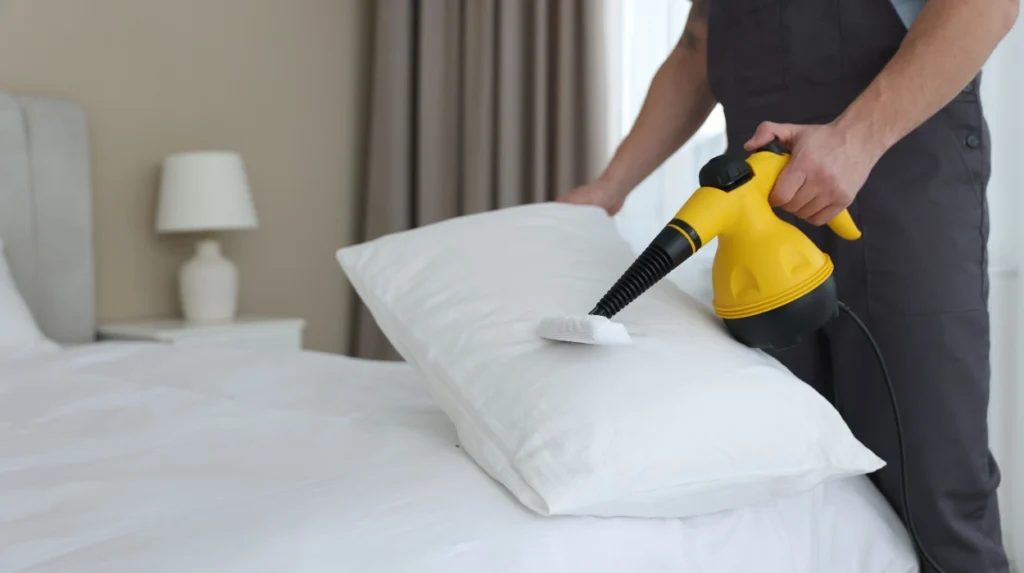
Pet owners face unique challenges when it comes to keeping furniture fresh and structurally sound. Animals naturally shed fur, dander, and oils, all of which have a high affinity for fabric fibers. Even the most well-behaved pets will inevitably track in outdoor pollutants from walks around local parks or garden spaces. This additional biological load means that the 12-month rule usually does not apply to pet-friendly households in Farnworth. Instead, a bi-annual deep clean is often necessary to prevent odors from becoming a permanent fixture in the room’s atmosphere.
Furthermore, pet hair has microscopic barbs that allow it to hook into the weave of many common upholstery fabrics. While a powerful vacuum can remove surface hair, it often misses the fur that has worked its way deep into the seams. Saliva and occasional accidents also introduce enzymes that can break down fabric dyes if not neutralized quickly by professional grade solutions. Engaging with expert care ensures that these specific pet-related issues are handled with the correct pH-balanced chemistry. This level of detail preserves the color and texture of the piece while ensuring the home smells clean and inviting for guests.
Longevity and Asset Protection for Your Furniture
Furniture is a significant financial investment for any household, and protecting that investment requires consistent upkeep. Dirt and grit act like sandpaper when trapped between fabric fibers, causing friction every time someone sits down. This mechanical wear leads to thinning of the fabric, pilling, and eventually tears that are costly to repair. By removing these abrasive particles through regular professional servicing, you significantly extend the lifespan of your sofas and armchairs. Bee Cleaning Services Manchester provides the technical expertise needed to identify and treat various fabric types without risking damage to the delicate internal components.
Many high-end furniture manufacturers actually include specific cleaning requirements within their warranty documentation. Failing to provide proof of professional maintenance can sometimes void these warranties if a structural or fabric failure occurs. Keeping a record of your scheduled cleans is a smart way to maintain the value of your assets over time. When you compare the cost of a routine professional service to the price of replacing a full living room suite, the economic benefits become clear. A well-maintained piece of furniture can easily last twice as long as one that is neglected or only cleaned when visible stains appear.
Identifying When Your Upholstery Needs Urgent Attention
While a calendar-based schedule is ideal, there are specific signs that indicate your furniture needs immediate professional intervention. If you notice a lingering musty smell that persists even after ventilating the room, it is a sign that organic matter has reached the deeper layers of the foam. Another indicator is a visible change in the color of the fabric, particularly on the armrests and headrests where skin contact is most frequent. When these areas look darker or shinier than the rest of the piece, it indicates a heavy buildup of body oils. You can learn more about the pros and cons of different methods by researching professional vs. DIY upholstery cleaning.
Another tell-tale sign is the sudden onset of allergy symptoms when spending time in a specific room. If sneezing or itchy eyes become more frequent while relaxing on the sofa, the fabric is likely overloaded with dust mites or pollen. You may also notice that the texture of the fabric feels stiff or “crusty” in certain spots, which suggests old spills have dried and crystallized within the weave. Addressing these issues early prevents the stains from setting and becoming permanent discolorations. Seeking out the top-rated furniture cleaners in the area can help restore the comfort and hygiene of your living space quickly and efficiently.
Professional Cleaning Processes vs. Surface Vacuuming
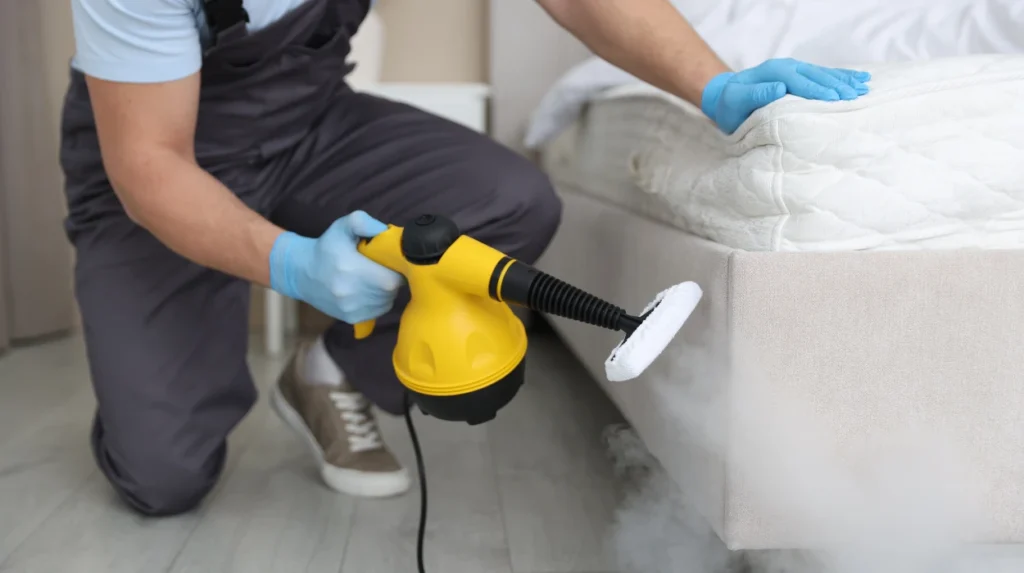
Standard domestic vacuuming is an essential part of weekly maintenance, but it only addresses the very top layer of debris. Most household vacuums lack the suction power and specialized attachments required to reach the dirt embedded in the lower strata of the fabric. Professional technicians use industrial-grade extractors that inject heated water and cleaning agents deep into the material before sucking them back out. This process, often referred to as hot water extraction, is the most effective way to remove deeply ingrained pollutants. This is a core component of high-quality upholstery care in the local area.
In addition to extraction, professionals have access to specialized spotting agents that are not available in retail stores. These chemicals are designed to target specific types of stains, such as tannins, proteins, or synthetic dyes, without damaging the underlying material. They also understand the importance of rapid drying times to prevent the growth of mold or the occurrence of “wicking,” where stains reappear as the fabric dries. Using high-velocity air movers, professionals ensure that your furniture is dry and ready for use in a fraction of the time a DIY attempt would take. This technical precision is what separates a basic surface wipe-down from a restorative deep clean.
The Role of Fabric Protectors in Maintenance
Once a piece of furniture has been professionally cleaned, applying a fabric protector is a highly effective way to extend the results. These protectors work by coating the individual fibers with a microscopic barrier that repels liquids and prevents dry soil from sticking. This means that if a spill occurs, the liquid beads up on the surface rather than soaking in immediately, giving you time to blot it away. While protectors do not make furniture “bulletproof,” they significantly reduce the frequency of permanent staining. This treatment is particularly beneficial for light-colored fabrics that are prone to showing every minor mark.
A protected fabric is also much easier to maintain between professional visits because the dirt remains on the surface. When you vacuum a protected sofa, the suction is more effective because the grit isn’t bonded to the fibers. It is important to note that these protectors do wear off over time due to mechanical friction and should be reapplied after every professional deep clean. Including this step in your maintenance routine is a proactive measure that keeps your furniture looking newer for longer. Bee Cleaning Services Manchester offers these protective treatments as part of a comprehensive care package designed to sustain the beauty of your home’s interior.
Determining how often to clean your upholstery in Farnworth involves balancing your household’s lifestyle with the specific needs of your furniture’s fabric. While the general rule suggests a professional deep clean every year, local factors like pets and air quality often necessitate a more frequent approach. By staying ahead of dirt accumulation, you protect both your family’s health and your financial investment in your home’s furnishings. Professional intervention ensures that your living space remains a clean, comfortable, and hygienic environment for everyone to enjoy. Bee Cleaning Services Manchester provides professional cleaning solutions for the topic, ensuring that every home in Farnworth can benefit from expert fabric care and maintenance.
What are common upholstery cleaning mistakes?
Using too much water or over‑wetting the fabric, which can soak into the padding, cause mold, and lead to long‑term damage.
What counts as excessive cleaning?
Cleaning multiple times a day even when surfaces are already visibly clean or safe.
Spending an unusually large amount of time cleaning at the expense of work, relationships, self‑care, or rest.How to stop overcleaning?
Set time limits and routines, such as cleaning only 15–30 minutes per day or per room, and then stopping.
Focus on one area at a time instead of scattering energy everywhere; this reduces the urge to “redo” the whole house.What is the psychology of excessive cleaning?
Obsessive‑compulsive tendencies: For some, cleaning turns into rituals (order, specific products, repeated wiping) that temporarily ease intrusive thoughts about dirt or contamination.
What is the 50% rule in decluttering?
Cutting your possessions roughly in half in a given area (closet, drawer, shelf, etc.) to quickly reduce clutter and ease decision‑fatigue. Instead of agonizing over “maybe” items, you fairly quickly remove about half of what you own, keeping only what you truly use, love, or need regularly.