


Homeowners in Greater Manchester should clean their exterior residential windows every four to eight weeks to prevent environmental mineral build-up and structural frame degradation. Adhering to a structured Window Cleaning Frequency Guide for Oldham Homes ensures clear natural lighting while extending the operational lifespan of double-glazed seals across every season.
Local Environmental Factors in Greater Manchester
Properties situated throughout the Northwest of England face distinct atmospheric conditions that accelerate the accumulation of grime on exterior architectural surfaces. Frequent rainfall combined with regional prevailing winds carries airborne pollutants directly onto residential glass, leaving stubborn mineral deposits when the moisture eventually evaporates. Because local weather patterns shift rapidly between damp drizzle and dry spells, exterior panes rarely remain pristine for extended durations without routine manual intervention. Establishing a consistent exterior washing cycle prevents dirt particles from permanently bonding to the glass structure over extended periods. Airborne contaminants settle uniformly across upper and lower levels, requiring systematic washing strategies to preserve overall exterior aesthetics. A proactive maintenance approach stops environmental debris from etching delicate glass coatings, protecting the visual clarity of the residence year-round. Consistent exterior upkeep remains essential for mitigating the heavy particulate fallout common in industrial and post-industrial urban landscapes.
Seasonal transitions bring unique challenges that directly influence the required frequency of residential glass maintenance across suburban neighborhoods. Autumn weather introduces falling foliage and damp atmospheric conditions that cause decaying organic matter to adhere tightly to exterior window sills. Winter months subsequently bring freezing temperatures, wind-blown road salt, and soot from domestic heating systems that settle across exterior pane surfaces. When spring arrives, sudden temperature increases bake these accumulated winter layers directly onto the glass surface, making removal far more labor-intensive if neglected. Understanding these localized climatic shifts allows property owners to schedule washing appointments before seasonal grime compromises window functionality. Strategic timing ensures that double-glazed installations remain fully protected against moisture penetration during the wettest months of the calendar year. Regular interventions keep exterior views exceptionally clear regardless of external meteorological fluctuations.
Impact of Urban Traffic and Tree Pollen on Residential Glass
Residences situated near busy transport corridors such as the A62 experience elevated levels of automotive exhaust emissions and tire dust settling on front-facing elevations. Microscopic particulate matter generated by vehicular combustion creates a greasy, oily film across glass surfaces that standard rainwater cannot naturally wash away. Over time, this hydrocarbon residue attracts secondary airborne dust, creating a dark, opaque layer that significantly reduces indoor daylight penetration. Homes located on busy thoroughfares benefit immensely from accelerated cleaning intervals to counter this relentless accumulation of roadway pollutants. Removing oily traffic residue promptly prevents permanent staining on both clear glass panes and surrounding protective UPVC framework. Specialist cleaning agents are often required to break the molecular bond of these traffic-generated films without scratching the underlying glass surface. Maintaining a strict monthly washing routine prevents heavy exhaust buildup from dulling the external appearance of the property.
Suburban properties bordering local parks, woodland areas, and tree-lined avenues encounter severe organic contamination during the heavy spring and summer pollen seasons. Fine botanical spores release into the atmosphere in massive volumes, forming a sticky yellow coating across all exposed exterior architectural elements. When morning dew or light drizzle interacts with this organic pollen layer, it transforms into an adhesive paste that traps passing atmospheric soot. Left untreated, high concentrations of botanical residue can accelerate biological growth around damp window seals and wooden frame joints. Regular washing throughout the peak pollination months removes this bio-film before it hardens under direct summer ultraviolet radiation. Keeping residential glass free from botanical deposits maintains optimal indoor brightness throughout the bright summer season. Timely cleaning prevents biological allergens from accumulating around operable window vents and residential ventilation tracks.
Recommended Cleaning Schedules by Property Type and Location
Detached and semi-detached suburban homes located in quieter residential districts generally achieve optimal appearance with a structured bi-monthly exterior washing routine. Because these properties often feature expansive garden layouts and greater separation from major roads, dirt accumulation occurs at a relatively predictable, moderate pace. Washing the exterior panes every six to eight weeks removes typical dust accumulation, rainwater spotting, and light organic debris effectively. Homeowners seeking guidance on maintaining overall property value often consult comprehensive residential property restoration schedules to align their window care with broader home upkeep tasks. Coordinating external window washing with seasonal structural checks ensures that all exterior surfaces remain in pristine, well-maintained condition. This balanced eight-week rotation provides excellent cost-efficiency while ensuring the home maintains a clean, inviting outward appearance. Adhering to a steady bi-monthly cycle prevents grime from reaching levels that require intensive restoration work.
Terraced townhouses and residential structures located immediately adjacent to bustling town centers or commercial districts demand a more aggressive monthly cleaning rotation. The increased density of surrounding structures, combined with localized foot traffic and commercial activity, accelerates particulate deposition across ground and first-floor windows. Monthly servicing prevents the rapid buildup of soot and urban dust, ensuring that ground-level rooms receive maximum natural illumination throughout the day. Frequent cleaning cycles also allow property owners to continuously monitor exterior glass condition in areas subject to higher physical exposure. Maintaining a strict four-week schedule preserves property curb appeal in competitive urban real estate markets where presentation matters significantly. Consistent attention keeps high-exposure townhouses looking well-kept despite the challenging surrounding urban environment. Monthly maintenance serves as an effective barrier against the accelerated wear associated with dense city living.
Ground Floor Versus Upper Storey Window Maintenance
Ground-floor residential windows require frequent attention due to direct exposure to pedestrian activity, garden maintenance splash-back, and passing vehicular spray. Panes located close to garden flowerbeds or paved driveways routinely suffer from mud splatters during heavy rainstorms or routine lawn mowing operations. Additionally, lower-level windows are susceptible to fingerprints, pet smudges, and accidental scuff marks that occur during daily family household routines. Addressing ground-floor glass on a four-week cycle keeps the most visible portions of the home looking clean and inviting to guests. Because these lower panes sit at direct eye level, even minor dust accumulation or streaking becomes immediately apparent to residents and visitors. Regular wiping of ground-floor glass ensures that the primary visual entry points of the dwelling remain spotless. Focused attention on lower elevations preserves the immediate cleanliness of the residential living space.
Upper-storey glass surfaces face entirely different environmental stresses, primarily involving high-velocity wind currents that drive rain and atmospheric pollutants hard against the structure. While second and third-floor windows escape street-level mud and pedestrian contact, they accumulate significant amounts of airborne soot and bird droppings over time. Accessing elevated windows safely requires specialized reach strategies that eliminate the inherent safety hazards associated with traditional ladder usage on uneven ground. Utilizing water-fed extension poles allows thorough scrubbing and rinsing of upper elevations without damaging ground-level landscaping or roofing gutters. Scheduling upper-storey maintenance every six to eight weeks effectively manages high-altitude grime accumulation while maintaining absolute operator safety. Professional reach equipment ensures that third-storey gable windows receive the same detailed attention as easily accessible ground-floor panes. Consistent elevated maintenance prevents stubborn mineral crusts from developing in hard-to-reach architectural corners.
The Role of Advanced Cleaning Equipment in Preserving Windows
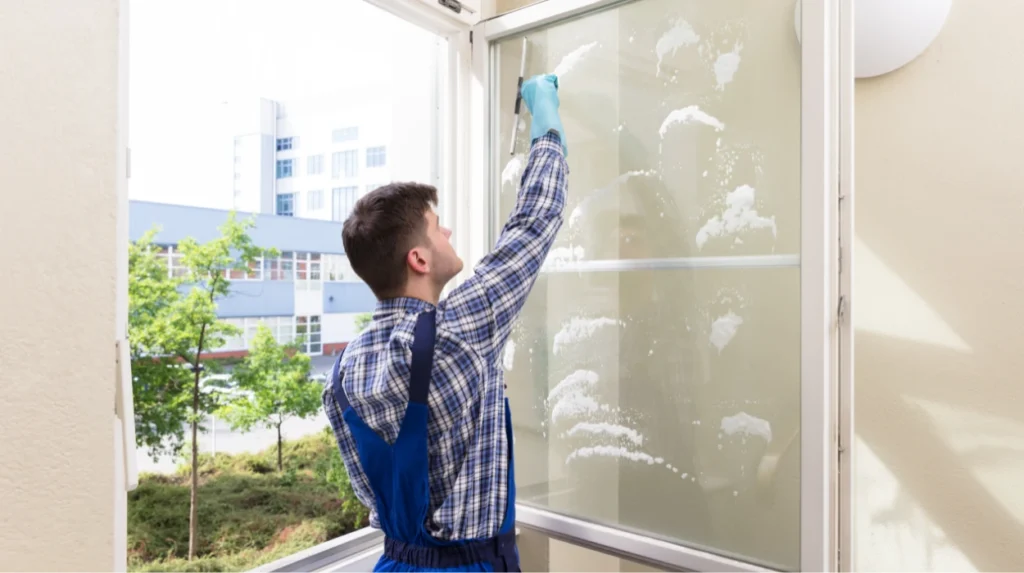
Modern domestic glass care relies heavily on specialized cleaning equipment designed to deliver superior aesthetic results while protecting delicate building surfaces. Professional operators utilize sophisticated multi-stage water filtration units that strip tap water of all natural minerals, calcium deposits, and sediments. When applied through lightweight carbon fibre telescoping poles, this ultra-pure water acts as a powerful natural solvent that dissolves stubborn exterior dirt without chemical detergents. Because the pure water evaporates completely without leaving chalky calcium residues behind, windows dry naturally to an immaculate, streak-free finish. Avoiding sticky chemical soaps prevents the creation of microscopic residue layers that typically attract fresh dust particles immediately after washing. Advanced reach-and-wash systems allow precise scrubbing of high-level glass while keeping operators securely grounded on solid footing. Investing in professional-grade tools guarantees a deeper, longer-lasting clean compared to traditional bucket-and-squeegee methodologies.
The implementation of pure water pole systems dramatically extends the cleanliness duration of exterior panes between scheduled maintenance visits. By eliminating static electricity and detergent films, treated glass remains remarkably resistant to airborne dust accumulation for several weeks following treatment. Property owners planning comprehensive seasonal property upkeep routines benefit immensely from this prolonged cleanliness cycle throughout the changing seasons. The gentle brushing action of soft-bristled pole attachments dislodges impacted dirt from complex frame geometry without scratching sensitive UPVC coatings. Furthermore, pure water rinsing flushes hidden debris out of structural window channels where traditional manual wiping cloths cannot reach. This thorough extraction process prevents trapped dirty water from slowly dripping down freshly cleaned glass surfaces hours after completion. Advanced technology transforms standard exterior window washing into a comprehensive preservation treatment for the entire window assembly.
Protecting Frames, Sills, and Seals During the Maintenance Process
Comprehensive window care involves meticulous cleaning of surrounding frames, decorative sills, and internal rubber weather seals alongside the primary glass panes. Overlooked frames accumulate dirt that eventually washes onto clean glass whenever heavy rainfall cascades down the exterior face of the building. Regular scrubbing of UPVC, aluminum, or timber frames prevents airborne pollutants from causing permanent discoloration or surface oxidation over decades of exposure. Clearing structural drainage channels within the lower frame assembly ensures that rainwater flows freely away from internal masonry structures. Neglecting seal cleanliness allows moss, mold, and airborne grit to lodge underneath pliable rubber gaskets, eventually compromising their watertight capability. Careful edge cleaning preserves the structural integrity of double-glazed units, preventing costly internal condensation failures from developing. Holistic window maintenance safeguards the structural envelope of the home against moisture intrusion and premature material degradation.
Using appropriate non-abrasive cleaning techniques preserves the protective finishes applied to modern residential framing materials and specialized solar glass coatings. Harsh scrubbing pads or aggressive chemical degreasers can micro-scratch smooth uPVC surfaces, creating rough textures that trap future dirt far more aggressively. Professional maintenance routines rely on gentle mechanical agitation and purified water lubrication to lift soil safely away from sensitive painted timber profiles. Ensuring that window sills remain clear of standing water and wet leaf debris prevents frost damage during sub-zero winter temperatures. Maintaining clean, flexible rubber gaskets helps preserve the acoustic and thermal insulation performance originally engineered into modern double-glazing systems. Systematic care protects the homeowner’s substantial capital investment in quality fenestration throughout its intended operational lifespan. Diligent frame and seal preservation remains just as critical to building health as achieving spotless visual transparency.
Creating a Consistent Year-Round Window Care Routine
Establishing a reliable year-round schedule requires adapting cleaning intervals to align with seasonal environmental pressures and household lifestyle requirements. Summer months often call for lighter maintenance focused on pollen removal and irrigation spotting, ensuring maximum enjoyment of extended daylight hours. Conversely, winter schedules prioritize the rapid removal of corrosive heating soot, road salts, and wind-borne mud before they permanently stain exterior frames. Homeowners evaluating signs your home requires regular professional upkeep often identify dingy exterior windows as the primary indicator of deferred property maintenance. Maintaining a consistent calendar rotation prevents the compounding of seasonal grime, keeping each individual washing session efficient and highly effective. Consistency ensures that window hinges, locks, and ventilation mechanisms remain free from interfering grit throughout the calendar year. A structured approach eliminates the stress of managing sudden, severe property dirt accumulation before hosting important social gatherings.

Partnering with professional local service providers removes the logistical burden of tracking weather forecasts and climbing ladders during unfavorable weather conditions. Established contractors operate on systematic geographic scheduling, ensuring that your residence receives timely servicing without requiring constant reminder calls or re-bookings. Professional technicians possess the expertise to adjust their cleaning techniques on site depending on current temperature, wind speed, and humidity levels. Outsourcing exterior maintenance guarantees consistent quality control and eliminates personal safety risks associated with DIY work at elevated residential heights. A structured servicing agreement guarantees that exterior glass receives appropriate attention regardless of busy family work schedules or vacation periods. Continuous professional oversight ensures that potential glass defects or failing frame seals are identified early before major property damage occurs. Reliable recurring service provides absolute peace of mind and sustained visual perfection for homeowners year after year.
Professional Solutions for Residential Glass Care
Navigating the complexities of seasonal property maintenance is effortless when working with experienced specialists who understand regional environmental demands. Adhering to the Window Cleaning Frequency Guide for Oldham Homes ensures your property consistently presents a bright, clean exterior profile. Bee Cleaning Services Manchester delivers reliable, structured maintenance schedules tailored specifically to residential architecture and local atmospheric challenges. Utilizing advanced pure water systems and specialized cleaning equipment, our technicians achieve streak-free results while safeguarding frames and rubber weather seals. Securing dependable Window Cleaning Services in Oldham protects your valuable double-glazing investments against long-term mineral damage and pollution etching. Consistent professional care guarantees crystal-clear views, superior natural daylight penetration, and enhanced curb appeal throughout every season of the year.
Frequently Asked Questions
How often should residential windows be cleaned?
Exterior residential windows in the UK should generally be cleaned every six to eight weeks to maintain clear views and prevent hard water staining. Properties situated near busy roadways or coastal zones often require monthly maintenance due to accelerated pollution and salt accumulation. Interior glass typically only needs thorough washing every three to four months under normal household conditions.
Is window cleaning twice a year enough for domestic properties?
Cleaning windows only twice a year is rarely sufficient for properties in Northwest England due to frequent rainfall, atmospheric pollution, and industrial residue. Bi-annual cleaning allows mineral deposits, traffic soot, and tree pollen to harden on glass surfaces, increasing the risk of permanent seal degradation. A six to eight-week cycle is strongly recommended to protect double-glazing integrity and preserve frame aesthetics.
Does rain make freshly cleaned windows dirty again?
Clean rainwater alone does not make glass dirty because natural rain contains almost zero mineral content or dissolved solids. Windows only appear spotty after rainfall if the panes or surrounding frames already held dust, pollen, or airborne pollution before the rain occurred. Using pure water systems ensures frames and glass are entirely free of residue, allowing rainwater to dry completely clear.
What is the best season to start a regular window cleaning schedule?
Spring is the ideal season to initiate a routine schedule because it immediately removes heavy winter soot, road salts, and adhesive tree pollen. However, professional water-fed pole systems operate effectively year-round, making any season suitable for starting a recurring maintenance plan. Consistent year-round cleaning prevents seasonal contaminants from baking onto glass surfaces during peak summer temperatures.
Why do window cleaners use pure water systems instead of squeegees?
Pure water systems utilize demineralized, filtered water that breaks down exterior dirt without relying on chemical detergents or soaps that leave sticky residues. The lightweight carbon fibre poles allow operators to clean high-level windows safely from the ground while simultaneously rinsing window frames and structural seals. Because all impurities are removed from the water supply, the glass dries naturally to an immaculate, streak-free finish.