
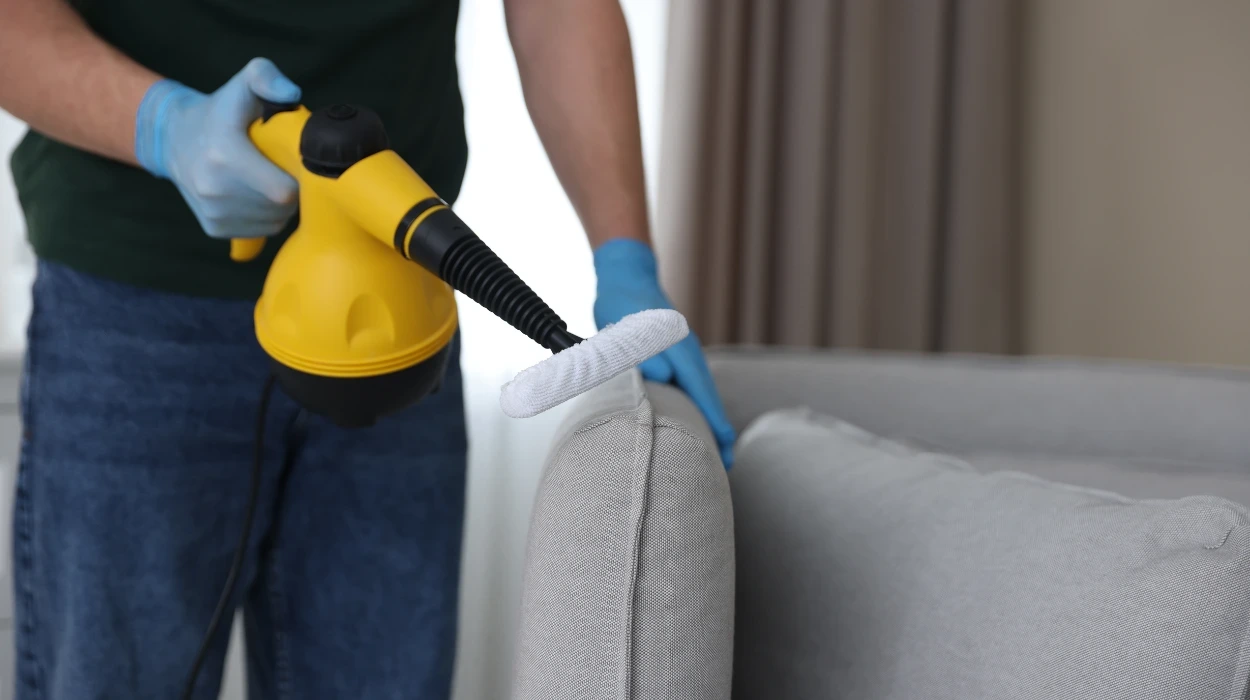
You should schedule a professional deep cleaning for your household fabric furniture every twelve to eighteen months to maintain optimum hygiene and structural integrity. Properties with active indoor pets, young children, or residents suffering from environmental allergies should increase this frequency to every six months.
Determining how often should you have your sofa and upholstery cleaning services in oldham is essential for maintaining a healthy and pristine home environment. Generally, domestic seating requires deep professional treatment every twelve to eighteen months to prevent severe fabric degradation and allergen accumulation. For active households containing young children, multiple indoor pets, or individuals with chronic respiratory issues, this timeline should be reduced to every six months. Neglecting this routine care allows microscopic dust mites, skin flakes, and outdoor pollutants to settle deep within the furniture cushioning. By adhering to a consistent maintenance schedule and utilizing Upholstery Cleaning Services in Oldham, you ensure your living space remains hygienic while protecting the longevity of your valuable interior investments.
The Impact of Fabric Typologies on Cleaning Frequency
Every textile composition behaves differently when exposed to daily wear and environmental airborne particles. Synthetic materials like nylon, acrylic, and microfiber possess tightly woven structures that inherently resist deep liquid absorption and surface staining. These man-made textiles can often endure longer periods between intensive extraction treatments without displaying significant structural damage. Conversely, natural fibers such as linen, cotton, and wool are highly porous and readily absorb body oils, perspiration, and accidental spills. When organic pollutants penetrate these natural matrices, they lock into the core of the yarn, accelerating fiber rot and discoloration. Consequently, identifying the exact fiber mix of your furniture is the foundational step in determining an accurate maintenance timeline.
Comparing Synthetic Materials and Natural Fibers
While synthetic options offer superior resilience against immediate liquid spills, they carry a unique affinity for attracting oil-based soils. Oleophilic synthetic fabrics bind rapidly with human skin oils and pet sebum, creating a dull, dark film over high-contact areas like armrests. Natural fibers do not experience this specific oil binding to the same degree, but they are highly susceptible to browning and water staining if cleaned incorrectly. Because both material categories present distinct degradation vulnerabilities, a uniform approach to home textile care is highly ineffective. Property owners must adjust their expectations based on these fabric characteristics to avoid premature structural wear. Consulting with experienced professionals ensures that the chosen intervention aligns perfectly with the underlying chemistry of the textile fibers.
Environmental Factors and High Traffic Challenges in Oldham Homes
The geographical position of a property significantly influences the rate at which interior soft furnishings accumulate damaging soils. Residential zones located near major transport corridors or active commercial areas experience a continuous influx of fine ambient soot and dust. These micro-particles easily bypass standard window screens and settle quietly into the deep recesses of domestic couches and chairs. Furthermore, the local climate and seasonal humidity shifts can cause these settled dust layers to compact and bond with the fabric surface. This creates a resilient grime layer that standard domestic vacuum cleaners are entirely unable to lift or neutralize. Regular professional extraction becomes necessary to break this stubborn bond and pull the deeply impacted particulate soot out of the home.
The Role of Air Quality and Regional Pollutants
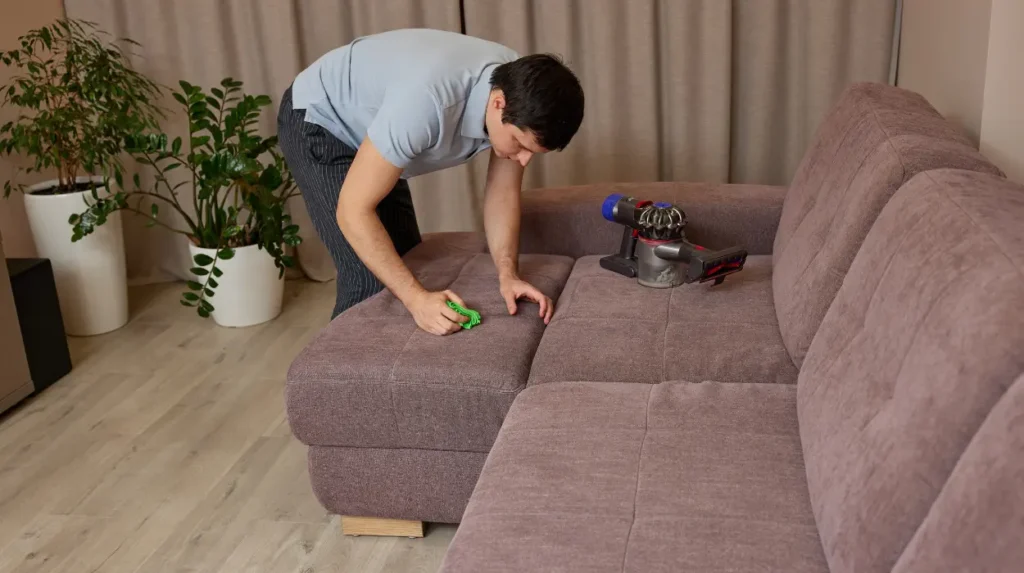
Indoor air quality is directly compromised when large fabric items are allowed to remain in a heavily soiled state for extended periods. Sofas act as massive, passive air filters within the living room, trapping airborne dust, skin cells, and pet dander. Once these fabric filters become completely saturated with particulate matter, they begin shedding those identical contaminants back into the air. Every single time an individual sits down or adjusts a cushion, an invisible cloud of micro-allergens is forcibly ejected. This cycle creates a continuous respiratory hazard for vulnerable family members, particularly those managing asthma or seasonal sinus conditions. Breaking this cycle requires a deep hydraulic extraction process that thoroughly cleanses the textile matrix from the inside out.
Health and Allergen Management in Soft Furnishings
Biological contaminants represent a significant hidden danger within neglected household upholstery, requiring systematic eradication methods. Dust mites thrive in the warm, humid environments provided by frequently used seating, feeding continuously on shed human skin cells. The microscopic waste produced by these organisms is a primary trigger for chronic nighttime coughing, itchy eyes, and dermatological irritation. Simply treating the surface of the couch with retail deodorizing sprays does absolutely nothing to resolve this deep biological issue. Instead, a targeted high-temperature sanitization process is required to completely destroy these microscopic pests and neutralize their lingering allergens. Prioritizing this deep hygienic care ensures that your communal spaces remain genuinely safe and healthy for daily family interactions.
Technical Insights into Professional Extraction Processes
Executing a successful fabric restoration requires a precise blend of advanced chemical knowledge and specialized mechanical equipment. Professional technicians begin by testing the colorfastness of the textile and determining its specific pH tolerance levels. They then apply specialized pre-treatments designed to break the molecular bonds of embedded grease, body oils, and stubborn organic stains. This is followed by a hot water extraction process that injects heated rinsing agents at regulated pressures while simultaneously applying high-volume vacuum suction. This double-action mechanism ensures that all dissolved soil and chemical residues are instantly pulled from the deepest layers of the cushion padding. The result of this restorative fabric steam treatment is a thoroughly refreshed piece of furniture that dries rapidly without experiencing fabric shrinkage or color bleeding.
Why DIY Chemical Treatments Can Damage Fine Fabrics
Many well-meaning homeowners attempt to address upholstery stains using off-the-shelf retail products, often resulting in irreversible textile damage. Most consumer spot cleaners feature highly alkaline formulas designed to tackle general grime, but these aggressive chemicals can easily strip delicate natural dyes. Furthermore, without industrial-grade vacuum extraction, retail liquids merely push the dissolved dirt deeper into the underlying polyurethane foam cushions. Once the moisture evaporates, the dirt migrates back to the surface, creating a larger and more resilient stain ring than before. Additionally, sticky surfactant residues are frequently left behind, acting like a magnet for fresh dust and accelerating the re-soiling process. Relying on professional expertise prevents these costly mistakes and guarantees a safe, residue-free finish for your valuable home assets.
Long-Term Financial Benefits of Preserving Soft Furniture
Investing in routine professional maintenance for your home furnishings is an exceptionally cost-effective alternative to premature replacement. When abrasive grit is allowed to remain embedded within a textile, the microscopic sharp edges cut into the individual yarn strands under pressure. Every instance of sitting down causes these particles to saw away at the fabric, leading to premature thinning, pilling, and tearing. By systematically removing this destructive grit every year, you effectively eliminate the primary cause of mechanical fabric wear. This simple preventative measure can easily double the operational lifespan of a high-quality sofa or designer armchair. When analyzing household budgets and calculating local furniture care rates, allocating funds for regular care proves infinitely more economical than purchasing entirely new living room suites.
Managing Odors and Invisible Contaminants
Beyond visible staining and structural fiber wear, invisible bacterial accumulation represents an important justification for scheduled professional care. Microscopic bacteria thrive on the organic residues left behind by sweat, spilled beverages, and biological oils from household pets. As these bacteria multiply deep within the fabric layers, they release volatile compounds that generate a stale, persistent odor throughout the room. Standard fabric sprays merely mask these smells temporarily with synthetic perfumes without addressing the underlying source of microbial growth. Professional deep extraction physically removes the organic food source that feeds these bacteria while applying safe sanitizing formulations. This dual action neutralizes odors at their origin, ensuring that your home environment smells genuinely fresh rather than artificially masked.
The Impact of Pet Ownership on Seating Hygiene
Pet owners face unique challenges when managing the cleanliness and structural longevity of their upholstered living room furniture. Domestic animals continuously deposit hair, dander, saliva, and outdoor mud onto seating surfaces, creating a multi-layered contamination profile. Even clean pets transfer natural skin lipids onto the fabric, which darkens the material and attracts loose dust particles like a magnet. Over several months, these layers build up into an unhygienic glaze that degrades both the visual appearance and odor profile of the room. Attempting to manage this level of heavy organic soil using basic domestic tools is usually insufficient for deep-seated grime. Regular intervention by specialists ensures that these complex pet-related residues are fully extracted before they cause permanent fabric discoloration.
Understanding Post-Cleaning Protection Strategies
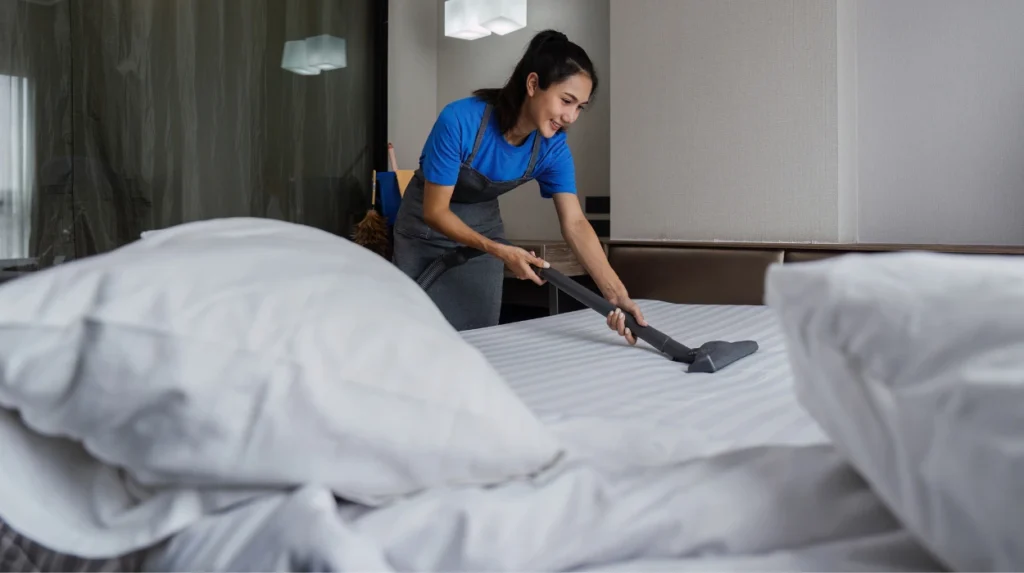
Once a thorough extraction process is complete, applying an advanced protective treatment can drastically prolong the pristine results achieved. Specialized fabric protectors create a microscopic hydrophobic barrier over the individual fibers, preventing liquids from instantly penetrating the yarn weave. If an accidental spill occurs, the liquid beads on the surface, allowing you extra time to blot it away cleanly. This protective shield also reduces the ability of dry abrasive soils to grip onto the fabric, making weekly vacuuming far more effective. Integrating this protection into your maintenance routine helps preserve the vibrant color and texture of the material between deep cleans. It serves as an excellent insurance policy for high-traffic furniture items that are exposed to daily household activity.
Strategic Restoration Solutions for Local Homeowners
When local property owners seek a definitive answer to how often should you have your sofa and upholstery cleaning services in oldham, a balanced annual framework is ideal. Utilizing professional Upholstery Cleaning Services in Oldham allows you to establish a structured care routine tailored specifically to your home layout. Expert technicians assess your specific lifestyle factors, such as pet presence and traffic patterns, to customize an optimal maintenance strategy. This localized care ensures that the unique environmental variables of the region are fully addressed during every single maintenance visit. By partnering with premier regional upholstery care specialists, you enjoy an immaculate home aesthetic while ensuring maximum hygienic safety for your family.
Maintaining the cleanliness and structural integrity of your soft furnishings is a vital pillar of comprehensive residential property management. While individual household factors will influence your specific timeline, committing to a professional deep clean every twelve months remains the gold standard. Bee Cleaning Services Manchester offers the advanced technical proficiency and specialized industrial equipment needed to execute these complex textile restoration tasks flawlessly. Their systematic approach eliminates embedded allergens, removes stubborn structural stains, and extends the overall life of your investment without risking material damage. Trusting your home to Bee Cleaning Services Manchester ensures that your living environment remains beautiful, comfortable, and thoroughly sanitized for years to come.
FAQs About Sofa and Upholstery Cleaning Services in Oldham
How long does it take for a freshly cleaned sofa to dry completely?
The drying time for upholstered furniture typically ranges from four to six hours depending on the fabric type and indoor ventilation. Microfiber and synthetic blends usually dry much faster than heavy natural cotton or linen weaves. Professional technicians utilize high-powered extraction equipment to remove the majority of moisture during the service. Opening windows or utilizing ceiling fans can significantly accelerate the evaporation process and return your furniture to use sooner.
Will professional extraction methods remove all pet odors from my couch?
Professional methods are highly effective at neutralizing pet odors by eliminating the organic matter causing the smell. Technicians apply specialized enzymatic treatments that break down the urine or dander at a molecular level. While surface odors are generally eradicated entirely, odors that have deeply penetrated the interior foam may require more intensive restoration. Routine maintenance prevents these biological contaminants from reaching the structural layers of the furniture.
Can water extraction damage my delicate velvet or silk upholstery?
Delicate textiles like velvet or silk require dry solvent cleaning or highly specialized low-moisture techniques to prevent damage. Standard hot water extraction can permanently crush velvet pile or cause water rings on natural silk. Certified technicians will always perform a fiber identification test before applying any moisture or cleaning agents. Utilizing Upholstery Cleaning Services in Oldham ensures that appropriate, fabric-safe methodologies are selected for your specific high-value items.
Is it necessary to vacuum the sofa before the technicians arrive?
While professional teams will thoroughly prep the area, performing a light vacuuming beforehand can be beneficial. Removing loose surface debris allows the technicians to focus their time and chemical agents on the embedded soils and stains. However, it is not strictly required, as industrial-grade vacuums are utilized during the initial phase of the professional process. Your primary preparation should involve removing fragile items from the immediate vicinity of the furniture.
Does applying a fabric protector spray actually prevent future stains?
Applying a commercial-grade fabric protector creates an invisible hydrophobic barrier over the individual textile fibers. This protective layer repels liquid spills, giving you valuable extra seconds to blot the accident before it absorbs into the material. It also reduces the ability of dry soils to bond with the fabric, making your routine weekly vacuuming much more effective. Applying this protection immediately after a professional service is highly recommended to prolong the results.