
You should hire a deep cleaning service every 3 to 6 months for most homes.
However, busy households, pets, or allergies may require more frequent deep cleaning.
Deep cleaning is not something most households need every week, but it plays a vital role in maintaining hygiene beyond surface cleaning. Industry guidance suggests that a full deep clean should typically be scheduled every three to six months to remove hidden dirt, allergens, and bacteria. This frequency ensures that areas like behind appliances, baseboards, and inside fixtures are properly maintained, which regular cleaning routines often overlook.
For households with minimal activity, even once or twice a year may be sufficient, but this depends heavily on l ifestyle and usage patterns.A structured approach helps prevent long-term buildup and reduces the need for intensive cleaning later. Many homeowners underestimate how quickly unseen grime accumulates, especially in high-use areas like kitchens and bathrooms.
That is why professionals often recommend a consistent schedule rather than reactive cleaning.
Bee Cleaning Services Manchester follows this approach to ensure homes remain hygienic and manageable throughout the year.
What Affects How Often You Need Deep Cleaning Services in Farnworth
The frequency of hiring Deep Cleaning Services in Farnworth depends on several practical factors rather than a fixed rule. Household size plays a major role, as more occupants naturally lead to faster dirt accumulation and higher cleaning demands. Pets are another key factor, as fur, dander, and outdoor debris can quickly build up in carpets and upholstery.
Homes with children often require more frequent deep cleaning due to spills, stains, and increased activity.
Health considerations such as allergies or respiratory issues also increase the need for deeper sanitation.
Additionally, working from home means spaces are used more frequently, leading to faster wear and dirt buildup.
Environmental factors like dust levels and ventilation also influence how often a deep clean is necessary.
Bee Cleaning Services Manchester evaluates these factors when recommending suitable cleaning intervals for clients.
Difference Between Regular Cleaning and Deep Cleaning
Regular cleaning focuses on maintaining visible cleanliness, while deep cleaning targets hidden dirt and neglected areas. Tasks like vacuuming, dusting, and wiping surfaces are part of routine cleaning that keeps a home looking tidy.
In contrast, deep cleaning involves scrubbing grout, cleaning inside appliances, and reaching behind furniture.
This level of cleaning removes accumulated grime that builds up over months and affects indoor air quality.
It also helps eliminate allergens, bacteria, and odours that are not addressed through standard cleaning routines.
A deep clean essentially resets your home’s hygiene, making ongoing maintenance more effective.
For those unsure where to start, understanding the difference between deep and routine cleaning methods can provide clarity on scheduling needs. This distinction is central when choosing professional Deep Cleaning Services in Farnworth for long-term home care.
Signs It’s Time to Hire a Professional Deep Cleaning Service

There are clear indicators that suggest your home needs a professional deep cleaning service.
Persistent odours in kitchens or bathrooms often signal hidden grime or bacterial buildup.
Visible dust returning quickly after cleaning may indicate accumulation in hard-to-reach areas.
Stains on carpets, upholstery, or grout lines are another sign that standard cleaning is no longer effective.
If allergies worsen indoors, it may be due to dust, pet dander, or mould buildup in overlooked spaces.
A lack of time to maintain cleaning routines can also lead to gradual deterioration in cleanliness.
Seasonal changes, such as spring or post-winter periods, are common triggers for scheduling deep cleaning.
Bee Cleaning Services Manchester addresses these issues with structured and thorough cleaning processes.
Seasonal and Lifestyle-Based Cleaning Schedules
A seasonal approach to deep cleaning is one of the most effective strategies for maintaining a clean home.
Spring and autumn are popular times for deep cleaning, as they align with natural transitions and allow for ventilation.
Homes with high activity levels may benefit from quarterly cleaning to keep dirt and allergens under control.
In contrast, smaller households with minimal usage may only require biannual deep cleaning sessions.
Some homeowners prefer to rotate deep cleaning tasks monthly across different rooms to reduce workload.
High-traffic areas like kitchens and bathrooms may still need more frequent attention than other spaces.
This flexible scheduling approach ensures that no area is neglected while avoiding unnecessary cleaning.
Choosing a tailored plan is often more effective than following a rigid schedule.
This is where professional insight from Deep Cleaning Services in Farnworth becomes valuable.
When Should You Hire Professionals Instead of DIY
While DIY deep cleaning is possible, it is not always practical for every household.
Professional services are particularly useful when time constraints prevent thorough cleaning.
They are also recommended for first-time deep cleans, where buildup may require specialised tools and expertise.
Post-renovation or pre-event cleaning is another scenario where professional help ensures optimal results.
Certain tasks, such as carpet shampooing or deep kitchen degreasing, are more effective with professional equipment.
Hiring experts also ensures consistent results without the physical strain associated with intensive cleaning.
Many homeowners choose to combine professional deep cleaning with regular maintenance cleaning schedules.
Bee Cleaning Services Manchester offers structured solutions that balance efficiency with thoroughness.
How Professional Deep Cleaning Improves Home Hygiene
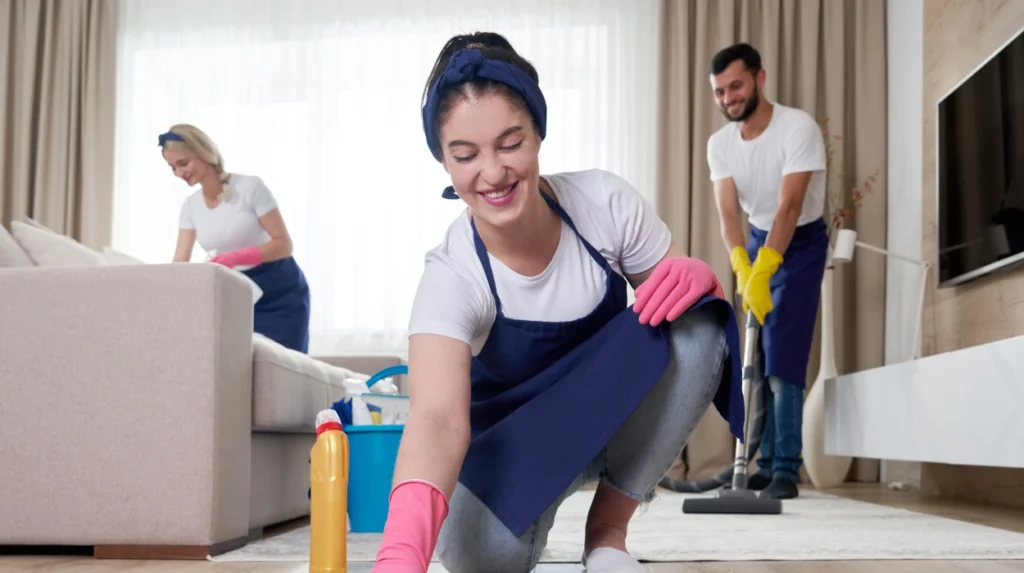
Deep cleaning contributes significantly to maintaining a healthier indoor environment.
It removes allergens such as dust mites, pet dander, and pollen that accumulate over time.
This is particularly important for households with children, elderly residents, or individuals with respiratory conditions.
Deep cleaning also prevents mould growth by addressing moisture-prone areas like bathrooms and kitchens.
Improved hygiene reduces the risk of bacteria spreading across surfaces and shared spaces.
It also enhances the overall appearance and comfort of the home, making it more inviting.
Consistent deep cleaning can even extend the lifespan of furniture, carpets, and appliances.
For many households, professional Deep Cleaning Services in Farnworth provide a reliable way to maintain these benefits.
Choosing the Right Cleaning Schedule for Your Home
Selecting the right deep cleaning schedule requires understanding your household’s specific needs.
There is no universal frequency that works for every home, as each environment is different.
Assessing factors like occupancy, lifestyle, and health conditions can help determine the ideal schedule.
A combination of regular cleaning and periodic deep cleaning is typically the most effective approach.
Homeowners should also consider the condition of their home and how quickly dirt accumulates.
Professional advice can simplify this decision and ensure a balanced cleaning routine.
Bee Cleaning Services Manchester provides guidance based on practical experience and industry standards.
This helps homeowners maintain cleanliness without unnecessary effort or expense.
Hiring a deep cleaning service every three to six months is a practical guideline, but the ideal frequency depends on your lifestyle and home environment. A tailored approach ensures your home remains hygienic, comfortable, and well-maintained throughout the year.
Bee Cleaning Services Manchester delivers structured and professional cleaning solutions that align with these needs. By combining expertise with practical scheduling, they support long-term cleanliness and healthier living spaces.
What is the 20/10 rule for cleaning?
The 20/10 rule means you clean for 20 minutes and then take a 10-minute break, repeating the cycle to stay productive without burnout.
What is the 90 90 rule for cleaning?
The 90/90 rule suggests removing items you haven’t used in the last 90 days and won’t use in the next 90, helping reduce clutter and simplify cleaning.
What are the four types of cleaners?
The four main types are detergents (for dirt removal), degreasers (for oils), abrasives (for tough stains), and disinfectants (for killing germs), each serving a specific cleaning purpose.
What is the daily 6 cleaning list?
The daily 6 cleaning list involves six small tasks like decluttering, wiping surfaces, cleaning the bathroom, and tidying key areas to maintain cleanliness consistently.
What is the fastest way to clean a whole house?
The fastest way is to focus on high-traffic areas first, use timed methods like the 20/10 rule, and clean systematically room by room to avoid wasting time.