


It is not only important to keep your Scotsman ice machine clean. Pure ice is tastier, runs longer, and is smoother. An accumulation of minerals, scale, or mould in your Scotsman residential ice machine can cause the ice to have a weird taste, decrease production, or even result in smell and hygiene problems if it is allowed to be too long. This guide will assist you in the simple language on each stage and show you how to clean a Scotsman residential ice machine at home so that it will remain efficient and safe.
Why Cleaning Your Scotsman Ice Machine Matters
Your Scotsman ice machine operates tirelessly on a daily basis, and as time passes by, the hard water, minerals, scale, and slimy deposits can accumulate in those areas that can not be detected by the eye. These deposits complicate the process of water freezing and forming cubes, and also, ice can be able to taste strange or smell unpleasant. You can easily make a habit of cleaning your machine once every six months or more frequently if you have hard water, and then your ice will taste strongly, and your machine will be performing well.
This has the hygiene side as well. The damp dark places will harbor mould and bacteria – in particular, inside the bin where ice rests. It is not only by removing them that the quality of ice is enhanced, but it also ensures that your family is safe when taking ice in beverages and food items.
Tools
Some of the necessary materials that you will need to clean and descale your Scotsman home ice maker include: a food-safe ice machine cleaner or Scotsman Clear 1 Scale Remover, a light sanitizing solution, soft cloth or sponges, a gentle cleaning brush, gloves, and a bucket to collect the water. These guarantee effective cleaning, which is safe.
What You’ll Need Before You Start
You need to prepare some simple things before you go on with the cleaning process. You will have to have a cleaning agent specifically made to clean ice machines. Scotsman Clear 1 Scale Remover is the official cleaning agent of most models, and a light sanitizing agent to ensure things are clean. Warm water, gloves, and possibly a mild scrubbing brush will help in the task with the help of a soft cloth or sponge. It is also handy to have a clean bucket and towels to collect water.
Step 1: Prepare the Machine
Begin by switching off your Scotsman residential ice machine and removing it from the power switch. This leaves you safe, and the machine does not create new ice in the process of cleaning. Take out the remaining cubes on the front panel to be able to access the inside. Wiping down the loose ice or water using a cloth, it makes the cleaning solution more effective.
Step 2: Cleaning of the Ice Making System.
The water is turned into cubes, and this is the center of your Scotsman ice maker. As time goes by, minerals of your home water supply may accumulate in this part, thus reducing the efficiency of the machine. Cleaning this To clean this, refer to the instructions of your machine to make a clean cycle run or a scale remover run through the water system of the machine.
In case your model is provided with a clean or service button, follow the instructions and press it. Otherwise, the cleaning solution that has been approved should be carefully poured into the reservoir and left to run through the machine. This assists in breaking up mineral accumulation within the water lines and around the evaporator in order to have a cleaner and clearer next batch of ice. Afterwards, running a sanitizing solution removes any remaining deposits and decreases bacterial growth.
Step 3: Cleaning the Ice Storage Bin
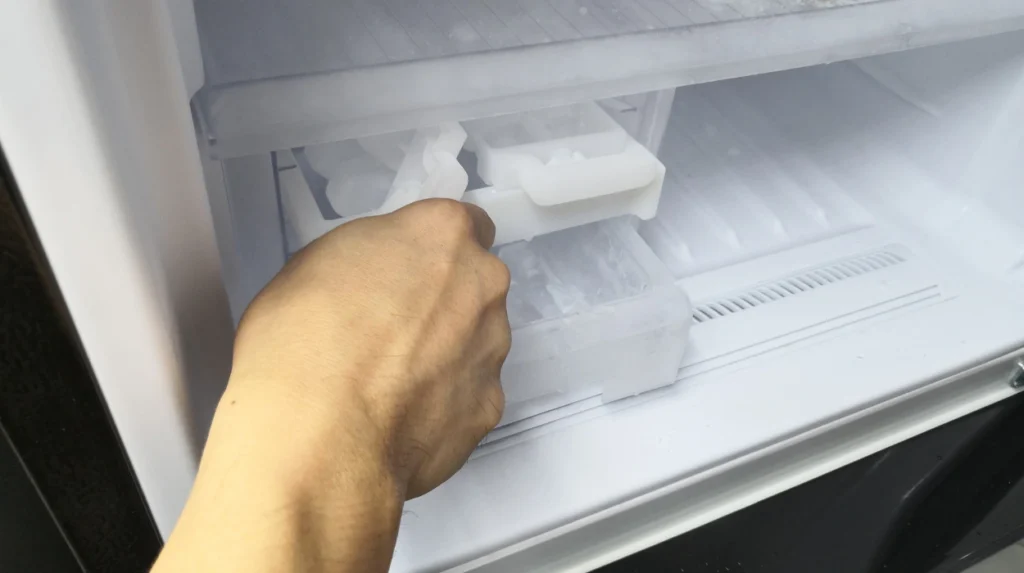
The most frequently seen part is the ice storage bin. Once all the ice has been removed, wipe down the inside of the bin with a light solution of a sanitizer. This blows off any film or residue that would have accumulated on the walls. Unless you clean the bin properly, stale old ice may smell or taste old, and new ice will then acquire an undesirable taste.
Take your time with the bin. Cleanse every corner and all around any seams, and then air dry before closing. This measure also prevents mould and bacteria from having room to grow in the wet, cold surroundings.
Step 4: Cleaning Sensors, Water System, and Filters.
Ice makers contain tiny sensors and components that enable them to determine the amount of ice to produce and when to cease. Such bits can be dusty or covered with minerals. Wipe lightly using a soft cloth that is moistened with a cleaning solution, and then rinse. When fitted, water filters are to be checked as well. When the filter is clogged, the resulting effect is a slow flow of water and a weak or cloudy production of ice. Replace or clean filters as advised.
Step 5: Exterior and Condenser Cleaning
Don’t forget the outside. Air vents or areas around the parts of the condenser may contain dust and dirt which limit airflow and cause the machine to be overworked more than necessary. Wipe the cabinet with a soft cloth and brush or vacuum to remove dust in vents. The clean condenser will keep your ice maker cool and effective.
Step 6:Check and Replace the Water Filter
Cleaning and replacing the water filter on your Scotsman residential ice maker is crucial so you always have ice that is clean, clear, and tastes fresh. Over time, the filter can accumulate minerals and impurities from your water supply, which may cause the water flow to diminish, create sluggish ice production, and impact how your ice tastes.
To find the filter for your particular model, refer to the user manual to find out where it is located and inspect it for signs of any buildup or discoloration. If it is dirty or if you have reached the recommended usage limit for that filter, replace it with a corresponding filter, as the same model filter will fit. Installing a new filter correctly will also keep your ice maker working well and producing clear, crispy ice, while also keeping mineral deposits out of the maker’s inner workings and extending its overall lifespan.
How Often You Should Clean
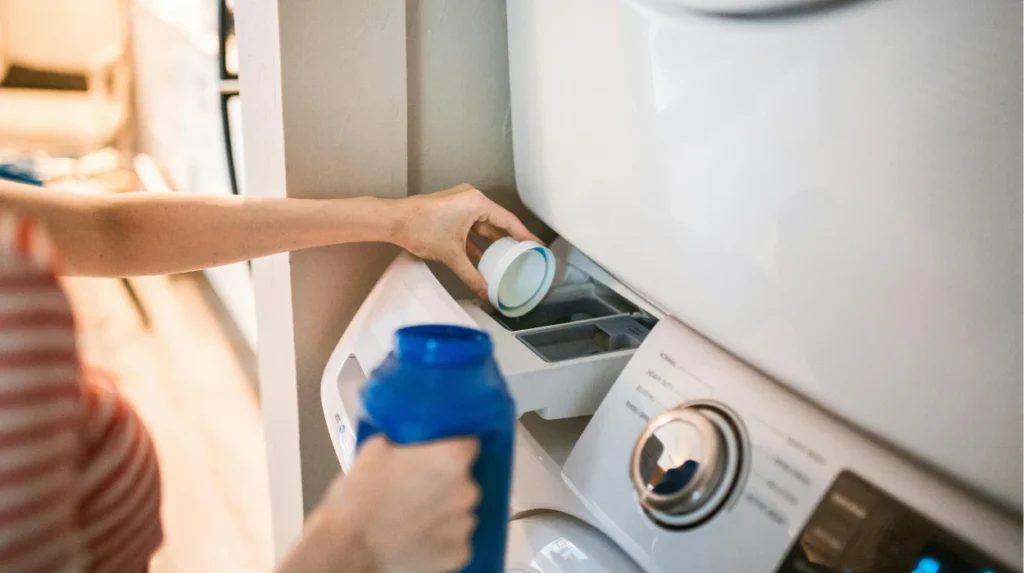
Most homes have it as a routine to clean their Scotsman residential ice machine once every six months. However, when you have very hard water, or when you use the machine, it may be beneficial to get in a light clean three times a year. Basic measures, such as wiping the bin once a week, make the place cleaner between major cleansings.
Common Problems
Watch out when your machine needs to be serviced. Tasting of ice that is odd, ice cubes that are misshapen, production slowing down, or making unusual sounds are all indications that scale is accumulating. On the visible scale, there should be a yellow time to clean light or murky ice, where it will entice you to clean earlier than later.
Safety Tips
Always apply cleaners that are not harmful to food appliances, and always follow the manufacturer’s instructions. Rough chemicals or scouring equipment may cause harm to interiors and cancel warranties. Always wear gloves during cleaning and maintain good ventilation, particularly when using a sanitizing solution.
In case you have gone this far and need someone to help you maintain your Scotsman ice machine in good condition by having it cleaned or serviced by a professional on a regular basis, Bee Cleaning Services Manchester will help you. Call them and have them provide you with effective home cooking appliance services that leave you with ice and your machine running smoothly.