
Not only may it be a tedious task, but it is one of the most significant chores you may do to ensure the hygiene of your house is upheld. It is not only about appearances but also keeps the family healthy as a clean toilet helps to avoid bacteria formation, decreases odours and helps to avoid bacteria formation. This guide will demonstrate how to clean a toilet in a residential home using simple, environmentally friendly practices that are safe, effective and easy to follow.
Before You Start
It does not have to be a nightmare when cleaning a toilet. It is a nightmare thought to most of us, but after having a system, it becomes a fast and gratifying process. Toilets may be a source of germs, mineral deposits, limescale and stains that may be stubborn. It is always better to know what you are working with before using the appropriate cleaning procedure and prevent damag.
Green cleaning is particularly best suited for the home. The use of natural substances such as vinegar, baking soda, and castile soap ensures that you do not pump hard chemicals into the surrounding environment of your home and still maintain a clean toilet.
What You Will Need
Ensure that you have everything required before you begin. Rubber gloves will be needed so that your hands are not dirtier, and a strong toilet brush will be needed to remove dirt and stains. Natural cleaners are white vinegar and baking soda, which do wonders when it comes to limescale and toilet rings.
One can wipe off surfaces with mild castile soap or a green toilet cleaner, and a spray bottle facilitates the use of solutions. A reusable cleaning cloth or microfibre cloth is convenient to use in drying surfaces after cleaning, and a small toothbrush comes in handy when cleaning tight corners and hard-to-reach places. With all of these supplies available, time will be saved, and the process will be far easier.
How to clean the inside of the toilet system
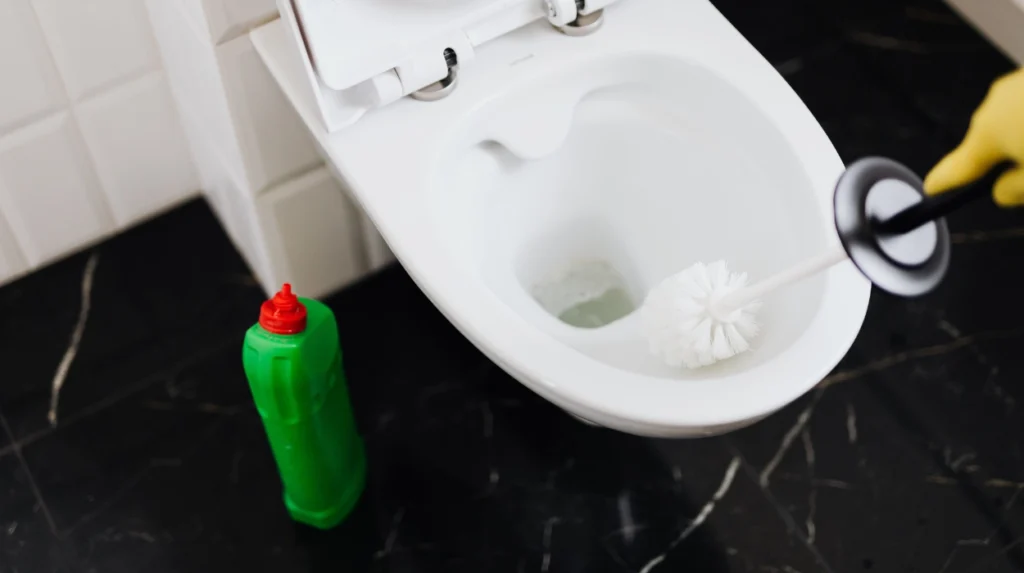
Begin by wiping the inside of the bowl of the toilet where stains and germs are likely to be. Start by flushing the toilet so that the sides become wet and the cleaning solutions stick. Put vinegar around the bowl, and particularly under the rim, and it is a natural disinfectant, and dissolves the mineral deposits. Dust onto the stained zones with baking soda.
The combination of the vinegar and the baking soda produces a fizzing effect that breaks up grime and limescale. Allow the mixture to rest for ten or fifteen minutes so that it can act on the hard-to-removal stains. Then scrub vigorously with your toilet brush, being careful not to miss any part of the rim and other discoloured spots. Flush to rinse the solution and debris, then turn off the tap.
When some stubborn stains occur, it is useful to repeat the procedure with slightly more baking soda and vinegar. Use of harsh chemical cleaners should be avoided because it destroys pipes and are not needed when performing regular cleaning.
Cleaning the Outside and Hard-to-Reach Areas of the Toilet
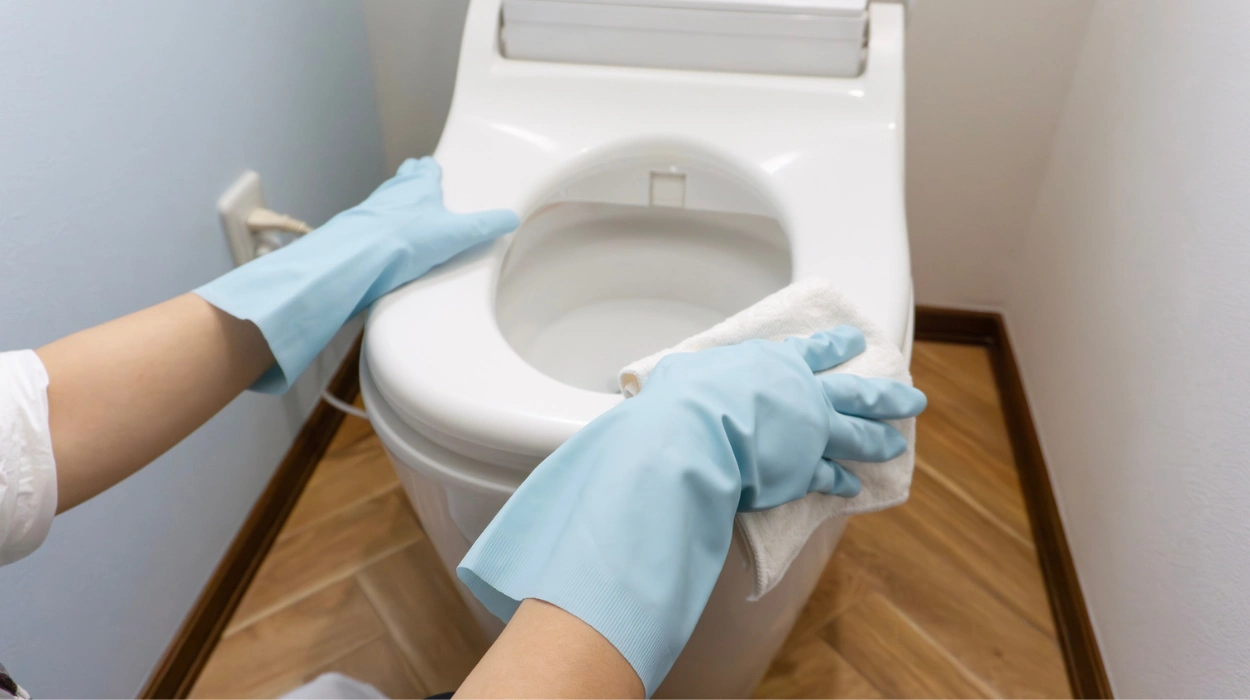
A clean toilet is not restricted to the bowl. It is common to know that the seat, lid, handle, and base have germs, although they are usually ignored. Add a mixture of castile soap and a bit of water in a spray can and spray the toilet seat and lid, also the outside areas. Clean the surfaces with a microfibre cloth wipe taking care of hinges and edges.
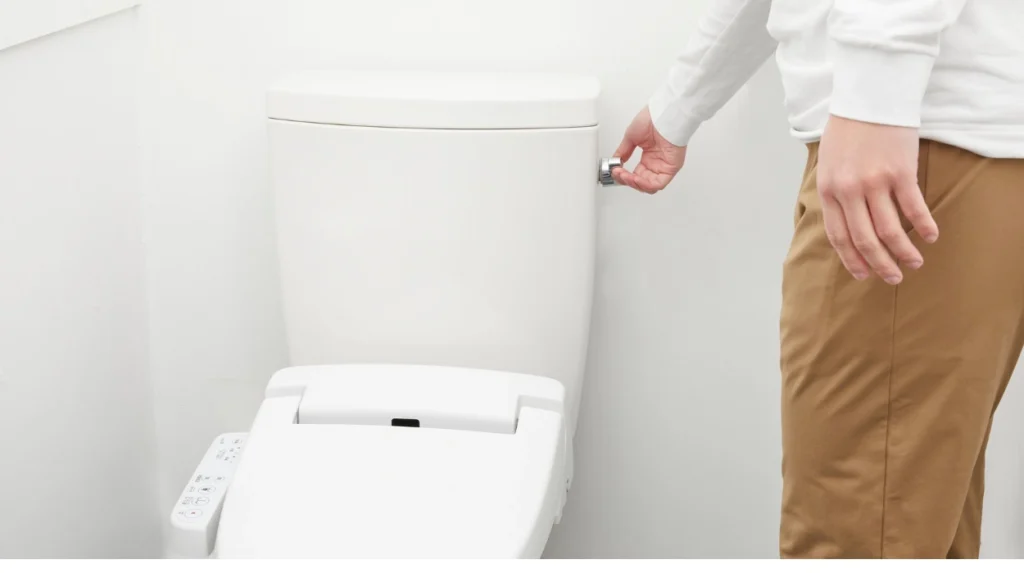
In small areas around the toilet or the bolts, a toothbrush would also do the job of eliminating dirt. It is important to remember that one of the most touched pieces in the bathroom is the flush handle. Regularly washing it with your environmentally-friendly product would minimise the chances of germ outbreaks and keep the toilet neat.
Natural Versus Commercial Cleaning Options
Although the commercial cleaners may be efficient, most of them have very harsh chemicals that do not even need to be used when cleaning a house regularly. The natural remedies, such as vinegar and baking soda, are excellent for eliminating the limescale, mineral deposits, and stains on the inside of the bowl.
Castile soap is mild yet efficient in wiping the outside, and a combination of essential oils may leave the place smelling good. With a clean environment, your toilet will be cleaner and your family and the environment will be safe with green cleaning. These natural procedures used on most residential toilets are adequate in their maintenance once a week and in cases of thorough cleaning.
How Often to Clean
Regularity facilitates cleaning of the toilets. In the case of a residential house, it is best to clean the inside of the bowl and wipe the outside once in a week. Further cleaning with vinegar and baking soda once a month ensures that hard to remove stains are removed and mineral build-up is prevented.
Daily swipes on the seat and handle in a few seconds prevent the entrance of germs, and eliminating the necessity to have deep cleaning sessions. This routine will help to keep your toilet clean, shiny and comfortable to use.
Common Mistakes to Avoid
Mistakes may minimize the effectiveness of cleaning even in the best intentions. When you combine vinegar and bleach, the resulting fumes are toxic, and hence you should not combine both cleaning methods. Not paying attention to the exterior exposes germs to the high-contact surfaces such as the seat and handle.
Leaving skips under the rim will leave limescale and bacteria to build up, and you will not need to use any harsh chemicals to clean your piping on a regular basis, which may end up destroying your pipes. Being aware of these various pitfalls will result in fewer cleaning and more household safe practices.
How to keep your Toilet Clean longer
There are a few easy habits that you can use to preserve the freshness of your toilet. By closing the lid then flushing, it can be avoided that germs will spread in the bathroom. The daily wipe of the seat and handle can keep bacteria at bay and once in a while the vinegar rinse in the bowl prevents the limescale. These few steps will allow one to spend less time and effort on thorough cleans and keep the bathroom hygienic and healthy.
Eco-Friendly Tips for a Healthier Home Toilet
Cleaning in a friendly manner that is environmentally friendly will enhance the environment of your house. Using less harsh chemicals helps to maintain indoor air purer, safe pets and children, and towards a sustainable lifestyle.
You can make your home safer by using vinegar, basing soda, and castile soap instead of harsh commercial cleaners, without losing the level of cleanliness. Periodic green cleaning keeps your toilet clean and sanitary and helps to improve the life of your family and the environment.
Cleaning a toilet in a home should not be a stressful, complicated process. Your toilet can continue to be clean, fresh and shiny with the regular use of a few simple, all-natural ingredients. There are many eco-friendly cleaning solutions available in the UK that provide safe, effective cleaning alternatives to chemical cleaning products.
If you would rather hire someone to help you maintain a consistent level of cleanliness and healthiness in your bathroom, consider using Bee Cleaning Services Manchester. Their method includes safe and efficient techniques for keeping your entire home free from dirt and debris! A little bit of effort today will keep your bathroom a clean, welcoming and hygienic environment for all who enter it.