

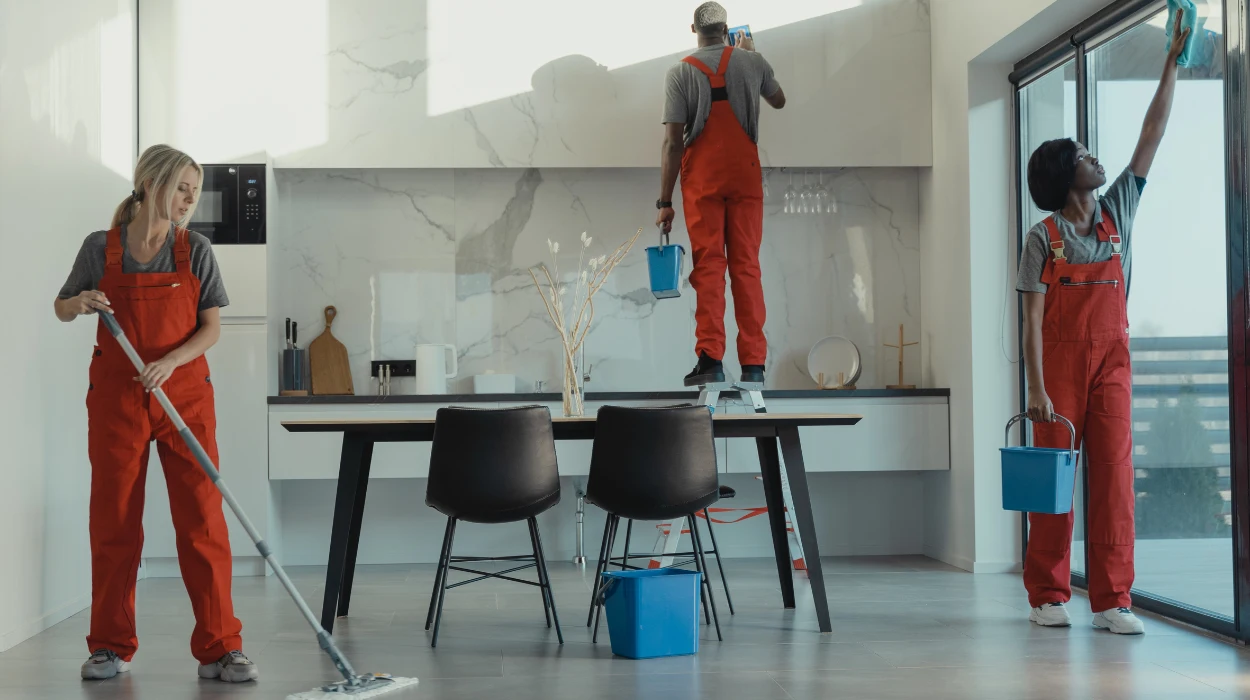
The complete checklist involves immediate dry vacuuming, assessing fabric sensitivity, identifying stubborn construction stains, and applying appropriate solvent treatments to remove embedded dust safely. Following these specific steps ensures that fine construction particles are fully eradicated without compromising the integrity of your delicate window dressings.
The Reality of Post Construction Dust on Fabrics
The process of Curtain Cleaning After Renovation or Building Work: The Full Checklist begins with a thorough assessment of the airborne particulates that have settled into the fabric weaves during the construction phase. Microscopic plaster dust and brick particles easily penetrate deep into textile fibres and require immediate attention to prevent permanent degradation of the material structure. Addressing this issue promptly stops the abrasive materials from causing friction damage whenever the fabrics are opened or closed. Homeowners must understand that standard household maintenance routines are rarely sufficient for dealing with this level of industrial contamination.
When dealing with the aftermath of structural property changes, relying on Bee Cleaning Services Manchester ensures that all delicate window dressings receive the appropriate care they require. Utilising expert Curtain Cleaning Services in Oldham provides property owners with the assurance that complex dust compounds will be extracted safely without causing fabric shrinkage or colour fading. Heavy construction generates a unique type of grime that standard domestic cleaning products simply smear deeper into the intricate fabric weaves. Trusting dedicated specialists protects your expensive interior investments from accidental ruin during the crucial post building cleanup phase.
The nature of building dust is highly alkaline and can be extremely corrosive to natural fibres like silk, cotton, and linen over extended periods. If left untreated, the moisture in the air interacts with the plaster residue to create a mildly acidic environment that slowly rots the threads from the inside out. This unseen chemical reaction drastically reduces the lifespan of the textiles and compromises the vibrancy of the original dye. Recognising the chemical makeup of construction debris is the first vital step in neutralizing the threat before irreversible aesthetic damage occurs to the materials.
Many property owners attempt to resolve the issue using standard household tools but quickly realize that traditional methods push the microscopic dust further into the padding. Without access to specialized commercial cleaning-equipment, regular vacuums simply blow the finest particulate matter back into the indoor air circulation system. Upgrading the approach to include industrial grade high efficiency particulate air filters is mandatory for capturing the invisible silica dust completely. Proper containment strategies prevent the hazardous materials from resettling onto freshly cleaned surfaces throughout your newly renovated living spaces.
Assessing the Material and Preparation Steps
Every successful restoration project requires a comprehensive pre inspection to determine the exact blend of the textiles and their current structural condition. Technicians must locate the manufacturer tags to identify whether the item requires dry solvent application or can withstand controlled aqueous washing techniques. Testing for colourfastness in a discreet corner is an absolute necessity because the heavy dust accumulation often masks preexisting sun damage or weak dye bonds. Skipping this crucial evaluation stage frequently results in catastrophic colour bleeding or severe fabric distortion that completely ruins the aesthetic appeal of the room.
The removal process must be handled with extreme care because the heavy layers of dust can easily transfer onto clean walls or nearby upholstery during transit. Specialists carefully unhook the fabrics from their tracks while folding them inward to trap the loose debris safely within the layers of the material. All corresponding hardware components including the hooks, rings, and tracks require simultaneous wiping to ensure no hidden dust drops back onto the pristine textiles later. This methodical preparation phase sets the foundation for achieving flawless fabric restoration outcomes and maintaining a truly hygienic environment.
The Core Eradication Process for Building Residue
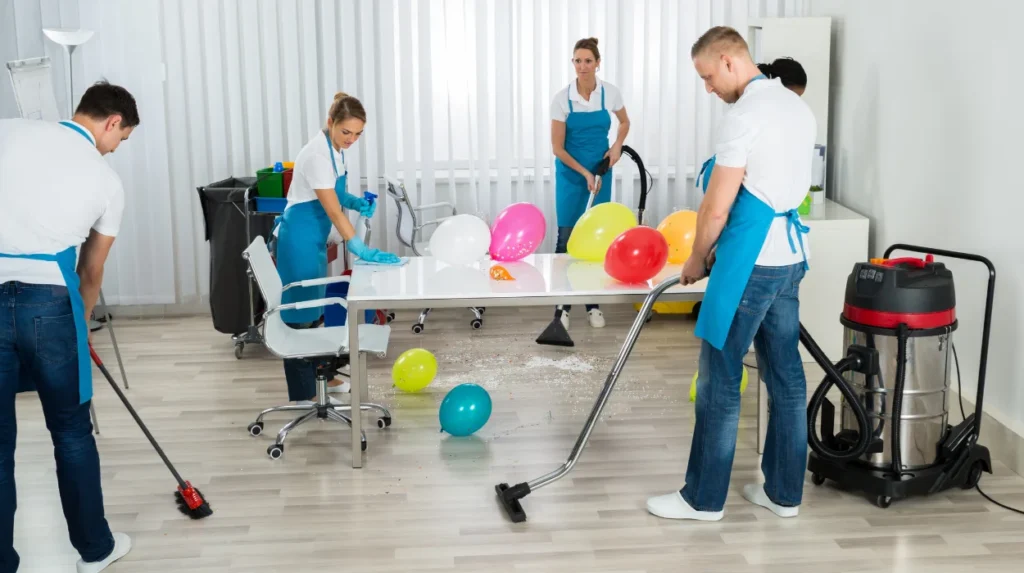
The primary extraction phase begins with a meticulous dry soil removal process utilizing highly calibrated suction devices designed specifically for fragile interior textiles. This step gently lifts the loose plaster, sawdust, and brick fragments away from the surface without applying any wet solutions that could turn the dust into mud. Rushing into wet treatments before completing a thorough dry extraction is the most common mistake inexperienced individuals make during post construction recovery efforts. Removing the dry soil first guarantees that the subsequent liquid or solvent applications work directly on the embedded stains rather than fighting through surface dirt.
Once the loose particulates are successfully eliminated, the application of targeted dry cleaning solvents begins to break down any greasy residues left behind by builders. These specialized solutions penetrate the tight weaves to dissolve heavy soil build up while protecting the structural integrity of the delicate threads and backing materials. The chemical agents evaporate rapidly to ensure the fabric does not become oversaturated, which is a primary cause of unwanted shrinkage and uneven water marks. The controlled chemical interaction lifts the trapped impurities to the surface where they are immediately extracted by powerful vacuum machinery.
Homeowners planning their post construction budgets benefit greatly from understanding fabric treatment pricing structures before committing to a comprehensive property recovery plan. Transparent evaluations ensure that residents know exactly what type of chemical solvents and mechanical processes are required to salvage their specific window dressings. Investing in proper industrial care ultimately saves money by preventing the need for complete textile replacement after a messy home improvement project. The technical precision involved in this extraction phase guarantees a superior finish that simply cannot be replicated through amateur washing attempts.
Addressing Stubborn Paint and Plaster Spots
Construction sites inevitably produce accidental splatters, meaning your textiles might suffer from stray paint droplets or wet plaster transfers during the renovation process. Treating these specific blemishes requires advanced chemical spotters that can dissolve the hardened building materials without burning a hole through the underlying cotton or silk. Technicians apply these specialized gels directly to the affected areas and allow them to dwell, which gently softens the rigid paint or plaster for safe extraction. Aggressive scrubbing is strictly avoided because mechanical friction easily distorts the weave and creates permanent fuzzy patches on the smooth fabric surface.
The careful agitation techniques used by professionals ensure that the chemical spotters work deeply into the stain without traumatizing the surrounding pristine threads. Soft bristled brushes or specialized bone spatulas are utilized to lift the softened debris away from the material layer by delicate layer. This meticulous attention to detail highlights exactly why relying on advanced commercial cleaning-equipment is necessary for handling complex architectural stains safely. Patience and technical knowledge are the key factors in successfully eradicating these stubborn blemishes while preserving the original texture and visual appeal of the textile.
Drying, Pressing, and Reinstallation Protocols
The drying phase is a highly controlled operation designed to prevent any sudden changes in the fabric structure that could lead to uneven hanging or severe shrinkage. The textiles are placed in climate controlled environments with optimal air circulation to ensure the moisture or solvent residues evaporate at a safe and steady pace. Exposing the damp materials to direct sunlight or high heat sources is completely avoided to prevent the sensitive dyes from fading prematurely. Proper atmospheric management ensures the items remain soft, supple, and perfectly shaped just as they were prior to the messy construction project.
Following a thorough drying process, the textiles undergo professional pressing to restore their crisp pleats, smooth edges, and natural architectural fall. Industrial steamers and heated presses are used to eliminate any stubborn wrinkles that formed during the extraction and handling phases of the operation. Homeowners interested in securing prompt local fabric care can arrange for these freshly pressed items to be returned and rehung immediately to complete the room renovation. The finishing touches bring life back to the window dressings and provide a polished, welcoming atmosphere to the newly updated living space.
The reinstallation process is just as critical as the initial removal, requiring technicians to carefully align the hooks and ensure the fabric drapes symmetrically across the window. The tracks and poles are given a final wipe down to guarantee smooth operation and prevent any residual metallic dust from marking the pristine material. A final burst of gentle steam is often applied once the items are hung to encourage the fabric to settle naturally into its designated position. This comprehensive approach guarantees that the entire window area looks immaculate and functions perfectly for the residents.
Long Term Maintenance After Major Works
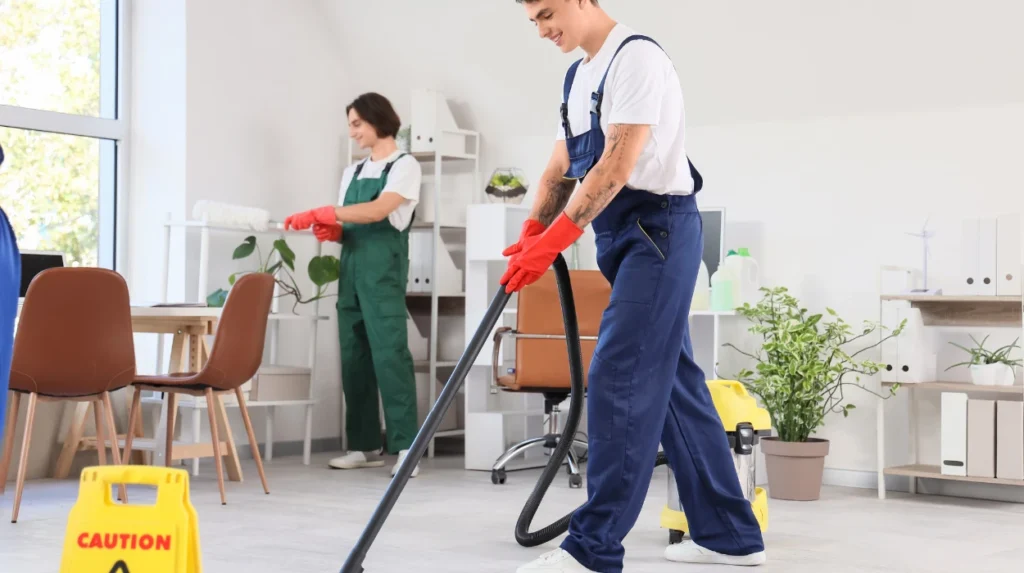
Maintaining the pristine condition of your textiles after a major building project requires implementing a consistent domestic vacuuming schedule to manage everyday household dust. Using a soft brush attachment on a low suction setting every fortnight prevents new airborne particles from settling deeply into the freshly restored weaves. It is highly recommended to keep windows closed during high pollen or windy days immediately following a renovation to protect the indoor air quality. Implementing these simple yet effective habits ensures the impressive results achieved by the professional extraction process are prolonged for many years.
Partnering with Bee Cleaning Services Manchester for bi annual maintenance ensures your living environment remains completely free from lingering construction allergens. Scheduling regular Curtain Cleaning Services in Oldham provides a reliable defense against the gradual accumulation of unseen microscopic pollutants that degrade air quality. The ongoing relationship with professional technicians means any future accidental stains or structural fabric issues can be addressed immediately before they escalate into permanent damage. Consistent expert attention is the ultimate secret to preserving the elegant appearance and hygiene of your valuable interior furnishings.
The journey of Curtain Cleaning After Renovation or Building Work: The Full Checklist concludes with the peace of mind that your home is genuinely safe and sanitary. Eradicating the hidden silica dust and chemical residues from your textiles drastically improves the respiratory health of everyone residing within the property. The comprehensive meticulous approach detailed above ensures that the beauty of your newly renovated home is not compromised by dirty, contaminated window dressings. Ultimately, investing in expert fabric restoration provides the perfect finishing touch to any demanding architectural property improvement project.
Frequently Asked Questions
Can I wash my curtains in the washing machine after building work?
Washing heavily soiled fabrics in a standard domestic machine is strongly discouraged because the fine plaster dust can solidify when mixed with water. This hardening effect not only ruins the textile completely but can also severely damage your washing machine drum and internal plumbing systems.
How do professionals remove plaster dust from heavy drapes?
Professionals begin by using industrial grade vacuums equipped with high efficiency particulate air filters to extract the loose dry debris gently. They avoid using any water based solutions initially to prevent the alkaline plaster dust from turning into a thick, damaging mud paste. Specialized dry cleaning solvents are then applied to break down the remaining microscopic particles embedded deeply within the fabric weaves.
Will post construction dust permanently ruin my expensive silk curtains?
If left untreated, the highly abrasive and alkaline nature of construction dust will eventually cut through delicate silk fibres and cause permanent rotting. The moisture present in everyday indoor air reacts with plaster residue to create a mild acid that slowly degrades the structural integrity of sensitive dyes.
Why do my curtains smell bad after house renovations?
The unpleasant odors clinging to your fabrics are caused by porous textiles absorbing the volatile organic compounds released by fresh paint, adhesives, and varnishes. Building dust also traps dampness which can quickly lead to a musty mildew scent if the room lacks proper ventilation during the construction phase.
How long should I wait to clean my curtains after building work?
You should arrange for immediate professional extraction as soon as the major construction work is completed and the final layer of dust has settled. Waiting several weeks allows the abrasive silica particles to settle deeper into the fabric weaves every time the textiles are opened or closed.