
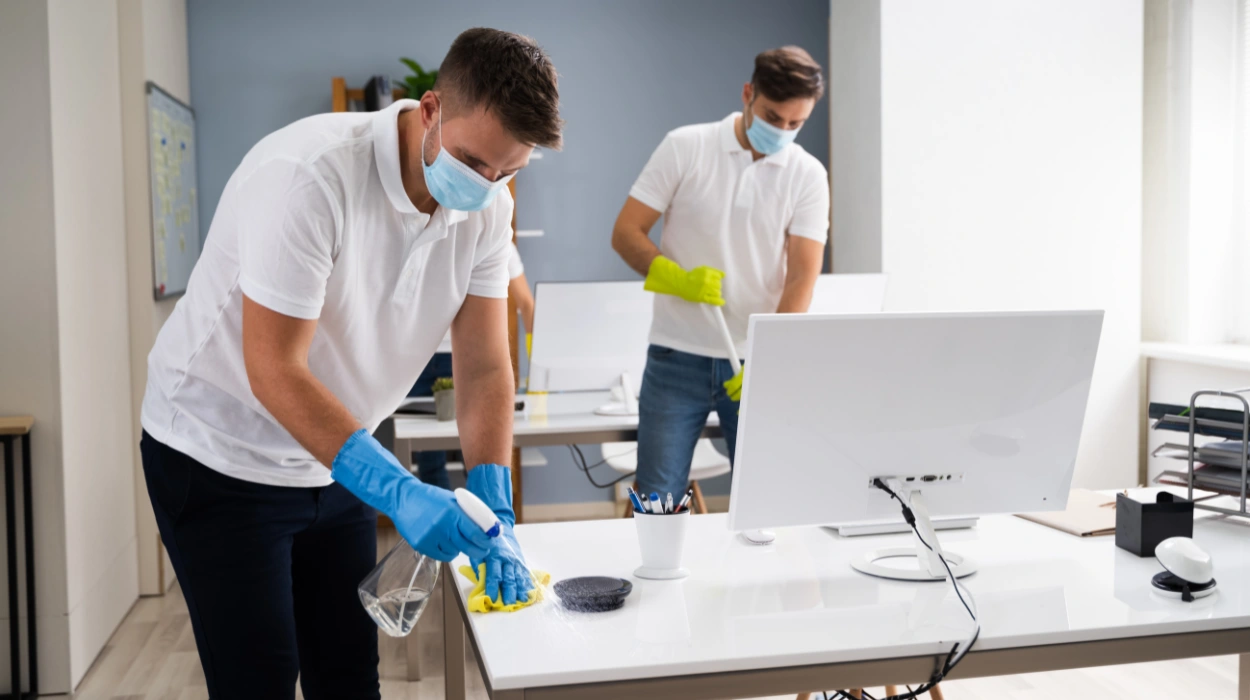
Antiviral sanitisation is worth it for commercial properties because it reduces harmful microbes, improves workplace hygiene, and supports safer environments for staff and visitors.
Businesses in Farnworth benefit from professional antiviral sanitisation because it provides deeper protection than routine cleaning and helps maintain consistent hygiene standards.
Role of Antiviral Sanitisation in Commercial Spaces
Commercial environments experience constant human interaction, which means surfaces and shared spaces can quickly accumulate bacteria and viruses. Offices, retail shops, and service areas often have high contact points such as desks, door handles, payment terminals, and communal equipment. Routine cleaning removes visible dirt, but it does not always eliminate microscopic contaminants that can spread illness.
Antiviral sanitisation is designed to address this issue by targeting pathogens that survive on surfaces after standard cleaning. The process uses specialist disinfectants and application methods that break down viral particles and bacteria at a molecular level. When carried out professionally, antiviral sanitisation helps businesses create healthier indoor environments that reduce the likelihood of contamination spreading between employees or visitors.
For organisations operating in Farnworth, maintaining clean commercial premises also supports operational continuity. Staff illness and hygiene concerns can disrupt workflow, customer confidence, and overall productivity. Professional cleaning solutions such as Antiviral Sanitisation cleaning Services in Farnworth provide a structured method for maintaining hygienic workplaces.
Why Standard Cleaning Alone Is Not Always Enough
Traditional commercial cleaning focuses mainly on removing dust, debris, and visible grime from surfaces. While this is an important part of maintaining a tidy workplace, many microorganisms remain invisible and can survive routine cleaning processes. Viruses and bacteria can persist on frequently touched surfaces for hours or even days depending on environmental conditions.
Antiviral sanitisation addresses these hidden risks by applying disinfectant solutions that neutralise microorganisms. This process typically involves targeted application to high contact areas and larger surface zones that experience frequent interaction. The goal is not only to clean surfaces but also to reduce the microbial load within the environment.
Businesses that want to understand the difference between routine cleaning and sanitisation often explore professional commercial antiviral disinfection methods for workplaces to see how these processes support safer working conditions. These deeper cleaning strategies are particularly relevant in offices, retail stores, and public facing facilities where hygiene expectations are high.
How Antiviral Sanitisation Works in Commercial Properties
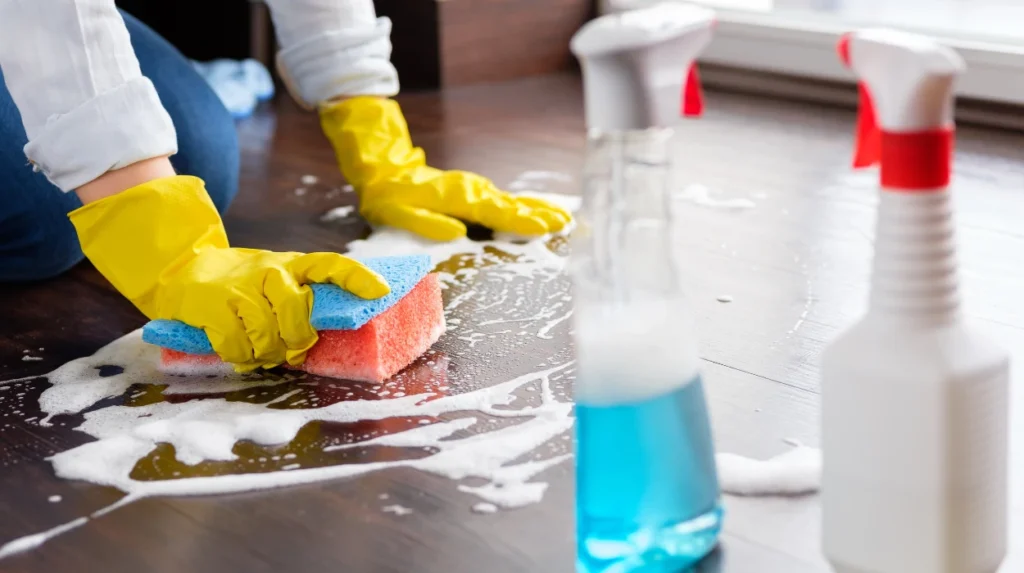
Professional antiviral sanitisation follows a structured process designed to maximise surface coverage and disinfect effectively. The first step usually involves preparing the environment through general cleaning. Removing dust and debris allows disinfectants to contact surfaces more effectively and ensures the sanitising solution can reach microorganisms directly.
The second stage involves applying antiviral disinfectants using methods such as spray systems, fogging equipment, or manual surface wiping. Each method is selected depending on the size of the space, the type of surfaces present, and the level of sanitisation required. The goal is to ensure consistent coverage without leaving untreated areas where microbes could remain active.
After the disinfectant has been applied, the solution is allowed to remain on surfaces for a specified dwell time. This allows the active ingredients to break down viruses and bacteria effectively. When handled by trained professionals such as Bee Cleaning Services Manchester, the process follows safe application procedures that meet hygiene and workplace safety standards.
The Importance of Sanitisation for Offices in Farnworth
Office environments involve shared equipment, collaborative workspaces, and frequent staff interaction. Desks, keyboards, meeting rooms, and break areas are used throughout the day by multiple individuals. These shared touchpoints create opportunities for microorganisms to spread if surfaces are not properly disinfected.
Antiviral sanitisation helps reduce these risks by targeting high contact areas with specialised disinfectants. By lowering microbial contamination, workplaces can maintain cleaner surfaces and create a healthier indoor environment. This contributes to better employee confidence and supports workplace hygiene policies.
Companies that want to learn more about why businesses prioritise disinfecting shared spaces often explore why offices and retail spaces invest in antiviral sanitisation. Understanding this approach helps decision makers evaluate how sanitation practices fit into broader workplace health strategies.
Retail Shops and Customer Facing Spaces
Retail environments in Farnworth receive a steady flow of customers throughout the day. Payment counters, display areas, fitting rooms, and shopping baskets all experience repeated contact. Without regular sanitisation, these high touch surfaces can accumulate germs that may spread between visitors.
Antiviral sanitisation provides a structured way to maintain hygienic customer environments. By disinfecting frequently touched areas, retailers can reduce microbial contamination and maintain cleaner surfaces throughout the store. This is particularly important for businesses that want to demonstrate responsible hygiene management.
Maintaining visible cleanliness also influences customer perception. Shoppers are more comfortable in environments that appear clean and professionally maintained. Professional sanitisation therefore supports both hygiene standards and positive customer experiences within retail settings.
Health and Safety Considerations in Commercial Cleaning
Workplace hygiene is closely linked to health and safety management. Many businesses implement cleaning procedures as part of their internal risk control strategies. Sanitisation helps reduce biological hazards that may exist in shared environments where multiple individuals interact throughout the day.
Professional antiviral sanitisation supports these efforts by applying disinfectants that meet commercial cleaning standards. Trained technicians understand how to treat different surface materials while ensuring safe chemical handling. This ensures that the sanitisation process remains effective without damaging furniture, equipment, or flooring materials.
Businesses that use professional cleaning services often combine routine cleaning with targeted sanitisation treatments. This layered approach helps maintain both visual cleanliness and deeper hygiene protection across offices, retail units, and shared commercial facilities.
The Long Term Value of Antiviral Sanitisation
Antiviral sanitisation provides benefits that extend beyond short term cleanliness. Consistent sanitisation programs help maintain controlled hygiene conditions across commercial environments. By regularly disinfecting high contact areas, businesses can prevent the gradual buildup of harmful microorganisms.
Over time, this proactive approach contributes to improved workplace hygiene management. Staff work in environments where cleanliness standards remain consistent, which helps support productivity and comfort. Cleaner environments also reduce the likelihood of contamination spreading through shared surfaces.
Businesses seeking Commercial Antiviral Sanitisation Services in Farnworth You Can Trust often focus on reliability and professional expertise. Consistent service delivery ensures sanitisation procedures are applied correctly and at appropriate intervals to maintain effective hygiene levels.
Technology and Equipment Used in Professional Sanitisation
Modern antiviral sanitisation often uses specialised equipment designed to distribute disinfectants efficiently across surfaces. Electrostatic sprayers, fogging systems, and precision spray tools allow technicians to treat areas that may be difficult to reach through manual cleaning alone. These technologies improve coverage and help disinfect larger spaces effectively.
Electrostatic spraying technology works by charging disinfectant particles as they are released from the equipment. The charged particles are attracted to surfaces and wrap around objects, allowing for more uniform application. This approach increases the likelihood that surfaces receive full disinfectant coverage.
Professional teams trained in antiviral sanitisation understand when and how to use these technologies safely. Service providers such as Bee Cleaning Services Manchester follow established procedures to ensure disinfectants are applied correctly while maintaining safe working conditions.
Hygiene Expectations in Modern Workplaces
Over recent years, expectations around workplace hygiene have increased significantly. Employees and visitors expect businesses to maintain environments that prioritise cleanliness and safety. Visible cleaning routines combined with professional sanitisation help demonstrate a commitment to these standards.
Antiviral sanitisation supports businesses in meeting these expectations by providing deeper cleaning beyond everyday tasks. By integrating sanitisation with routine maintenance, organisations create structured hygiene practices that remain consistent throughout the year.
For companies operating in Farnworth, adopting professional sanitisation methods helps align workplace maintenance with modern hygiene expectations. This approach supports both employee wellbeing and customer confidence within commercial spaces.
Choosing Professional Antiviral Sanitisation Services
Selecting a professional sanitisation provider involves evaluating several practical factors. Businesses typically consider the provider’s experience with commercial environments, knowledge of disinfectant products, and ability to deliver consistent service. Professional cleaners must understand how different surfaces react to cleaning chemicals.
Reliable service providers also follow structured sanitisation procedures that ensure proper disinfectant application and contact time. These processes help guarantee that the treatment remains effective across all treated surfaces. Documentation and scheduled service plans often form part of professional cleaning agreements.
Bee Cleaning Services Manchester provides Antiviral Sanitisation cleaning Services in Farnworth that focus on structured cleaning procedures and safe disinfectant use. Their approach ensures commercial spaces receive professional sanitisation that aligns with workplace hygiene requirements.
Environmental and Operational Considerations
Professional sanitisation must balance effective disinfection with responsible chemical usage. Many cleaning companies use disinfectants that meet commercial hygiene standards while remaining suitable for indoor environments. Proper dilution, application, and ventilation help ensure safe treatment conditions.
Operational planning also plays an important role. Sanitisation treatments are often scheduled outside busy business hours to minimise disruption. This allows cleaning technicians to access workspaces efficiently and apply disinfectants thoroughly without interfering with daily activities.
Businesses that integrate sanitisation into regular maintenance routines benefit from predictable service schedules. This consistency ensures that hygiene practices remain part of ongoing facility management rather than being applied only during emergencies.
Why Farnworth Businesses Are Prioritising Sanitisation
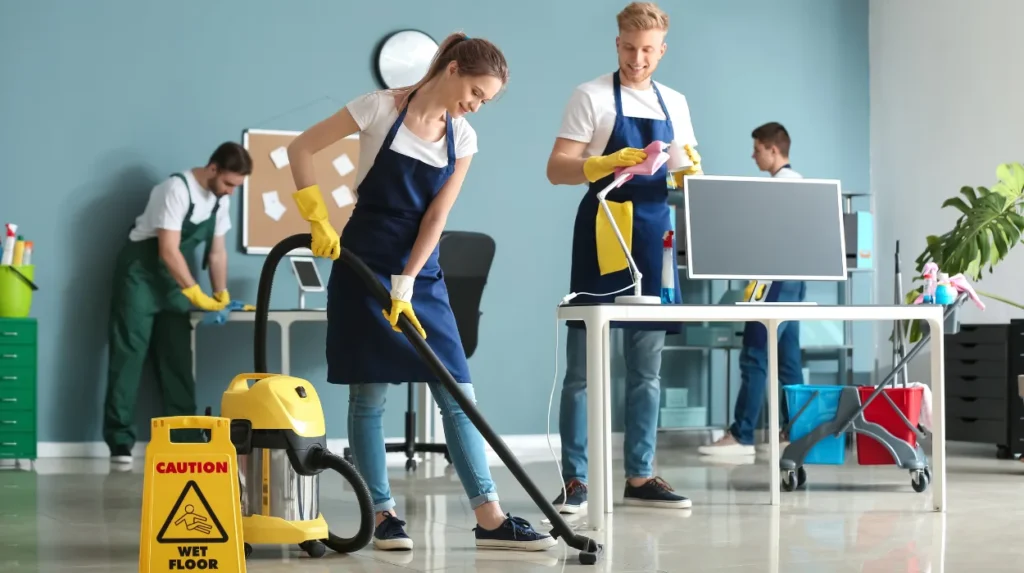
Local businesses in Farnworth operate in environments where customer interaction and staff collaboration occur daily. Shared indoor spaces require careful hygiene management to ensure both employees and visitors feel comfortable. As awareness of workplace cleanliness grows, sanitisation has become a practical solution for maintaining controlled hygiene standards.
Professional antiviral sanitisation helps businesses reduce microbial contamination on surfaces that experience frequent contact. This supports overall cleanliness strategies while reinforcing visible hygiene management practices. In many workplaces, sanitisation now complements routine cleaning as part of a broader facility maintenance plan.
Organisations looking for Commercial Antiviral Sanitisation Services in Farnworth, You Can Trust often focus on consistency and professional expertise. Reliable service providers ensure sanitisation procedures are carried out correctly and according to industry hygiene guidelines.
Antiviral sanitisation plays an important role in maintaining hygienic commercial environments. Offices, retail shops, and shared workplaces experience frequent human interaction, making surface disinfection an essential part of facility management. While routine cleaning removes visible dirt, sanitisation targets microorganisms that can remain on surfaces and spread through daily contact.
By integrating antiviral sanitisation with regular cleaning routines, businesses can maintain cleaner and healthier indoor environments. Professional service providers apply disinfectants using structured processes that ensure surfaces receive effective treatment. This approach supports workplace hygiene, employee wellbeing, and customer confidence.
Bee Cleaning Services Manchester provides professional cleaning solutions designed to support commercial hygiene standards. Through structured sanitisation processes and safe disinfectant application, their services help businesses in Farnworth maintain clean, well managed working environments.
What disinfectant kills norovirus in the UK?
Chlorine based disinfectants such as diluted bleach solutions are commonly used to kill norovirus on surfaces. Professional antiviral sanitisation services also use approved hospital grade disinfectants designed to eliminate tough viruses in commercial environments.
What is the most effective way to remove microorganisms?
The most effective method combines thorough cleaning with proper disinfecting. Cleaning removes dirt and organic matter, while disinfectants kill remaining microorganisms on surfaces commonly touched in workplaces and public areas.
What type of disinfectant is used in hospitals?
Hospitals typically use medical grade disinfectants such as chlorine based solutions, hydrogen peroxide formulations, and quaternary ammonium compounds. These products are designed to eliminate bacteria, viruses, and other harmful pathogens.
How to flush out bad bacteria from the body?
The body naturally removes harmful bacteria through the immune system, hydration, and healthy digestion. Good hygiene practices and clean environments also help reduce exposure to harmful microbes in workplaces and public spaces.
What are the 7 methods used to disinfect and sterilize?
Common disinfection and sterilisation methods include chemical disinfectants, heat sterilisation, steam sterilisation, ultraviolet light, filtration, radiation, and gas sterilisation. Each method is chosen depending on the environment and the level of microbial control required.