


Carpet cleaning is generally expected at the end of a tenancy when carpets show soiling or staining that goes beyond normal daily use. While no specific piece of legislation forces tenants to hire professional cleaners, most tenancy agreements include a cleaning clause, and carpets are among the most closely inspected areas during any landlord or letting agent check-out visit.
End of Tenancy Cleaning Services in Farnworth are regularly sought by tenants who want to meet the precise standards required before vacating a rental property. Understanding whether carpet cleaning is a legal requirement, a contractual obligation, or simply sound practice can help tenants make informed decisions, avoid deposit disputes, and leave a property on good terms with their landlord.
What Your Tenancy Agreement Says About Carpets
The tenancy agreement is the most important document governing your cleaning responsibilities when you move out of a rental property. Most standard agreements issued by letting agents across Greater Manchester require tenants to return the property in the same overall condition it was in at the start of the tenancy, adjusted for fair wear and tear. Carpets are specifically referenced in many of these agreements because they accumulate soil, allergens, pet hair, and stains over time that regular vacuuming alone cannot address.
If the original check-in inventory noted that carpets were professionally cleaned before you moved in, there is a reasonable and often contractual expectation that you arrange the same standard of cleaning on departure. Failing to meet this requirement gives landlords clear grounds to deduct the cost of professional carpet treatment from your tenancy deposit. This is one of the most common causes of deposit disputes in the UK rental market, and it can be avoided with proper planning. Reviewing your tenancy agreement carefully before you begin any end of tenancy cleaning is therefore an essential and practical first step.
The Difference Between Fair Wear and Tear and Carpet Damage
One of the most misunderstood areas of tenancy law is the distinction between fair wear and tear and actual damage or neglect to a property. Fair wear and tear refers to the gradual, natural deterioration of a rental property that results from ordinary and reasonable everyday use by tenants. A carpet showing slight flattening in high-traffic corridors, minor surface fading from sunlight exposure, or small scuffs from regular foot movement would generally be classified as fair wear and tear by any adjudicator.
However, large stains, burn marks, heavy discolouration, deeply embedded dirt, or any damage attributable to pets would not fall under this protection and could result in cleaning or replacement costs being charged against your deposit. Landlords and deposit protection adjudicators assess carpet condition against the age and quality of the carpet recorded in the original inventory, as well as the duration of the tenancy. If carpets were recently installed or freshly cleaned when you moved in, the standard expected at your departure is correspondingly higher. Knowing this distinction clearly is what allows tenants to determine whether a routine vacuum is sufficient or whether professional carpet treatment is genuinely necessary.
Why Professional Carpet Cleaning Is Often Necessary
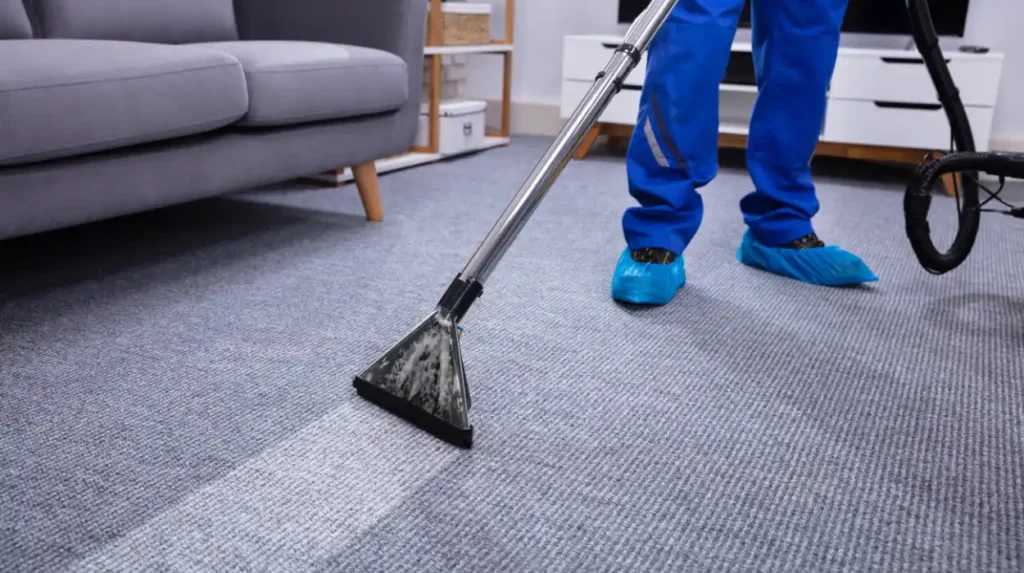
Professional carpet cleaning achieves results that domestic vacuum cleaners and over-the-counter carpet sprays simply cannot replicate at scale. Hot water extraction, commonly referred to as steam cleaning, works by injecting heated water and a cleaning solution deep into carpet fibres before extracting loosened soil, bacteria, allergens, and embedded odours in a single continuous pass. This method is recommended by most carpet manufacturers and is the widely accepted standard used by reputable cleaning companies operating throughout the Greater Manchester region. When letting agents or landlords inspect carpets at check-out, they are looking for genuine cleaning effort, and surface-level treatment rarely satisfies that standard in higher-quality rental properties.
Arranging professional end of tenancy cleaning in Farnworth from a qualified provider ensures carpet treatment is built into the full clean and delivered to a level that passes formal inspection. Arranging professional carpet cleaning independently before the check-out date is also considerably more cost-effective than having the landlord organise it and deduct a premium rate from your deposit. A properly documented professional finish significantly reduces the risk of a dispute arising over carpet condition at the end of the tenancy.
What a Complete End of Tenancy Clean Should Include
Understanding the full scope of a proper end of tenancy clean helps tenants avoid submitting a partial effort that still results in deductions. While carpets are a significant priority, they form just one component of the comprehensive clean expected before a landlord or letting agent conducts a check-out inspection. Kitchen appliances including ovens, hobs, extractor fans, and the inside of refrigerators all require thorough attention, as baked-on grease and food residue in these areas consistently rank among the most common causes of deposit deductions.
Bathroom fixtures, tiles, grout lines, shower screens, and toilet areas must be fully descaled, disinfected, and dried to a professional standard before the inspection date. Skirting boards, door frames, light switches, window sills, and any built-in furniture surfaces are all checked during most checkout reports and need to be wiped clean and free of visible marks. Bee Cleaning Services Manchester structures its full end of tenancy clean to address every one of these areas systematically, reducing the likelihood of any item being flagged during inspection. Learning about the end of tenancy cleaning mistakes that tenants commonly make is a practical way to approach the process more thoroughly and protect your deposit from the start
How Landlords and Letting Agents Assess Carpet Condition
When a landlord or letting agent conducts a check-out inspection, they work directly from the original inventory report that was completed at the beginning of the tenancy. That document records the condition of each carpet in specific detail, including any pre-existing marks, stains, areas of wear, or damage that were present before you moved in. On your departure, the current condition of each carpet is compared against those original notes, with reasonable allowances made for the length of the tenancy and the expected level of natural deterioration during that period.
If the carpets are found to be in a materially worse condition than what the inventory recorded, cleaning or replacement costs can be formally deducted from the deposit held by the scheme. Professional cleaning receipts carry significant weight in this process, as they demonstrate that the tenant made a genuine, documented, and verifiable effort to return the carpets to a clean and acceptable condition. Deposit protection schemes including the Tenancy Deposit Scheme and MyDeposits regularly reference such documentation when adjudicating contested cleaning claims. Providing a dated receipt from a qualified cleaning company can often be the deciding factor in a tenant successfully recovering a disputed portion of their deposit.
The Role of Deposit Protection Schemes in Cleaning Disputes

Deposit protection schemes provide an independent and impartial resolution process for cleaning disputes between landlords and tenants at the end of a tenancy. When a landlord submits a deduction claim for carpet cleaning or broader cleaning costs, they are required to support that claim with documented evidence including photographs, the original check-in inventory, and a quote or invoice for the work needed. Tenants who contest the deduction can submit their own counter-evidence, including professional cleaning receipts, dated photographs taken immediately after the clean was completed, and any written communications with the landlord confirming the property’s condition on departure.
Adjudicators review both sets of evidence and base their decision entirely on whether the property was returned in a comparable condition to how it was received, accounting fairly for wear and tear. Carpets are among the most frequently contested items in these cases because they are visually prominent, central to the perceived cleanliness of the property, and can be costly to professionally clean or replace. Tenants who arrange End of Tenancy Cleaning Services in Farnworth from a professional and reliable provider are in a substantially stronger position to defend against unjustified deduction claims. A comprehensive, documented professional clean significantly reduces the likelihood of a dispute escalating to formal adjudication.
What to Do If Your Landlord Claims Carpet Damage After Vacating
Receiving a deduction claim related to carpet condition after you have already vacated a property can be a stressful and frustrating experience, particularly if you arranged professional cleaning before leaving. The first practical step is to cross-reference the landlord’s claim against the original inventory report and any checkout documentation you received from the agent or landlord. If you have a professional cleaning receipt and dated photographs taken after the clean was completed, these documents serve as strong and credible counter-evidence in any formal dispute process.
You have the right to raise a dispute through the deposit protection scheme your landlord is registered with, and the adjudication process is fully independent of the landlord’s assessment or preferences. If the carpets were in an acceptable condition at the point of professional cleaning and the landlord cannot provide evidence of deterioration beyond fair wear and tear, the deduction is unlikely to be upheld. Tenants who want added reassurance before moving out can explore guaranteed end of tenancy cleaning services in Farnworth that include a re-clean provision if any cleaning area is flagged during the inspection. Keeping thorough records throughout the tenancy and at the point of departure remains the single most effective protection any tenant has against unwarranted deposit claims.
Carpet cleaning at the end of a tenancy sits at the intersection of contractual obligation, practical necessity, and financial protection for tenants. Understanding what your tenancy agreement requires, what constitutes fair wear and tear, and how deposit protection schemes evaluate cleaning evidence gives you a clear and informed advantage when preparing to vacate a rental property. Bee Cleaning Services Manchester provides professional end of tenancy cleaning solutions that are structured to meet the standards expected by landlords, letting agents, and deposit protection schemes across Greater Manchester, helping tenants leave their properties in a condition that holds up to scrutiny at check-out.
Are tenants expected to clean carpets?
Yes, tenants are generally expected to clean carpets before vacating a rental property. Most tenancy agreements require the property to be returned in its original condition. Visible staining or heavy soiling beyond fair wear and tear can result in deposit deductions.
Is 20 year old carpet unhealthy?
A 20 year old carpet can harbour dust mites, allergens, mould spores, and bacteria deep within its fibres. Over time, regular cleaning becomes less effective at removing these pollutants. Replacement is often recommended for health, hygiene, and indoor air quality reasons at this age.
What is the lifespan of carpet in a house?
The average lifespan of a carpet in a residential property is between 8 and 15 years, depending on fibre quality, foot traffic, and maintenance. High-traffic areas wear faster. Regular professional cleaning extends carpet life and maintains appearance throughout the tenancy period.
How much to pay a cleaner for 3 hours?
In the UK, a professional cleaner typically charges between £15 and £25 per hour, meaning a 3 hour session costs approximately £45 to £75. Rates vary by location, with Greater Manchester and urban areas generally sitting at the mid to higher end of that range.
How much to clean a 3 bedroom house in the UK?
A professional end of tenancy clean for a 3 bedroom house in the UK typically costs between £200 and £350. Prices vary based on property condition, location, and whether carpet cleaning is included. Farnworth and Greater Manchester rates generally fall within this national range.