

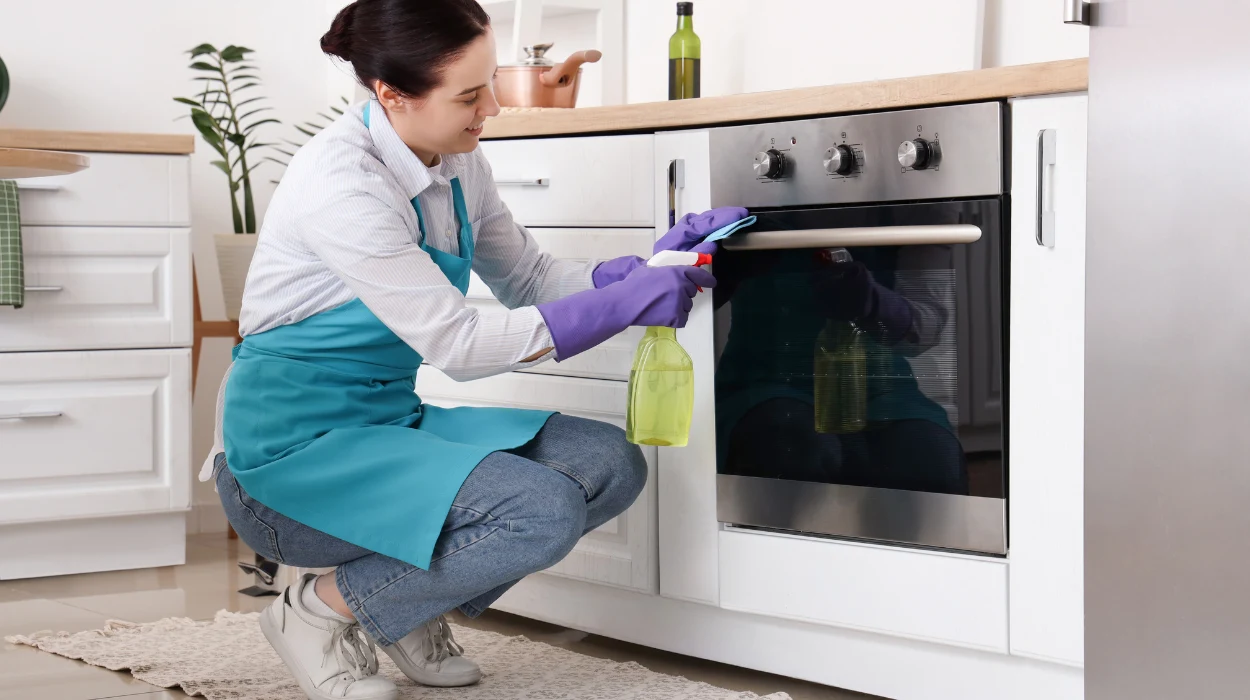
Caustic oven cleaning services in Farnworth can be safe when handled by trained professionals using proper safety methods and ventilation. Professional technicians understand how to control strong cleaning chemicals while protecting kitchen surfaces, appliances, and indoor air quality.
Many homeowners choose professional oven cleaning because baked grease, carbon deposits, and food residue are difficult to remove with standard household products. Understanding how caustic cleaning works helps homeowners make informed decisions about maintaining their ovens safely and efficiently.
Why Caustic Oven Cleaning Is Common in Professional Services
Oven Cleaning Services in Farnworth often use caustic-based cleaning products because they effectively break down hardened grease and carbon buildup inside ovens. These cleaning solutions contain alkaline ingredients designed to dissolve stubborn residues that develop after repeated cooking sessions. Standard supermarket cleaners may struggle to remove years of accumulated grime, especially around heating elements and oven trays.
Professional oven cleaning technicians are trained to use these products in controlled amounts and within recommended exposure times. This process reduces the risk of surface damage while improving cleaning performance. Many homeowners attempt aggressive DIY oven cleaning without understanding how strong chemical products react with different oven materials, which can lead to unnecessary wear or unpleasant fumes.
Professional services also follow appliance-safe procedures that include removing racks, soaking detachable parts, and cleaning hidden grease areas safely. This detailed approach helps maintain oven hygiene while avoiding excessive chemical use inside the appliance.
How Professional Oven Cleaning Services Improve Safety
Safety during oven cleaning depends heavily on handling methods, ventilation, and protective equipment. Professional Oven Cleaning Services in Farnworth usually follow structured cleaning procedures that reduce chemical exposure inside the home. Technicians commonly use gloves, masks, and specialized tools to manage caustic cleaning products carefully during the cleaning process.
Homeowners often underestimate how concentrated oven cleaning chemicals can become in enclosed kitchen spaces. Without ventilation, strong fumes may irritate the eyes, throat, or skin. Professional cleaners typically ventilate the room properly and avoid oversaturating internal oven surfaces. This controlled process helps reduce lingering chemical odors after cleaning is completed.
Another important safety factor involves protecting oven components. Incorrect chemical application can damage seals, enamel coatings, or heating systems. Trained professionals understand which surfaces require gentle treatment and which areas can safely tolerate stronger degreasers.
Understanding the Difference Between DIY and Professional Cleaning
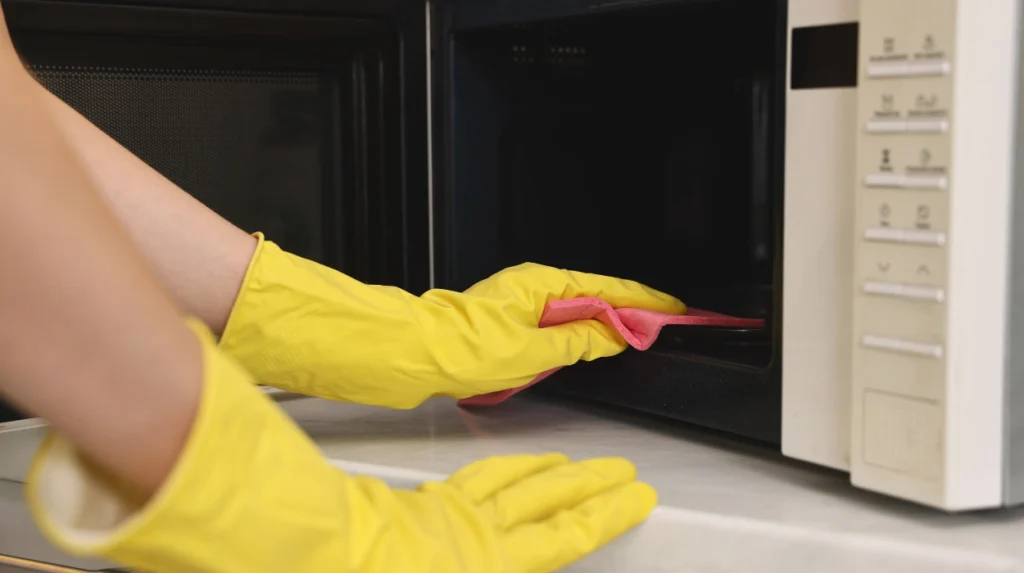
Many people attempt oven cleaning themselves using supermarket sprays or homemade chemical mixtures. While these methods may work for light grease, heavily used ovens often require deeper treatment. DIY cleaning becomes risky when homeowners mix incompatible products or leave caustic substances inside the oven for extended periods.
Professional oven cleaners usually inspect the appliance before beginning treatment. They identify sensitive surfaces, removable components, and ventilation requirements before applying any cleaning products. This process minimizes unnecessary exposure to chemicals and prevents avoidable appliance damage.
Another major difference involves residue removal. Incomplete rinsing after DIY cleaning may leave chemical traces that produce unpleasant smells during future cooking. Professional services carefully remove remaining cleaning agents and wipe surfaces thoroughly to prepare the appliance for safe use afterward.
Homeowners interested in maintaining long-term appliance performance often explore additional information about <a href=”https://example.com/mofu-article”>improving oven efficiency through professional maintenance</a> to better understand the benefits of regular deep cleaning.
Are Caustic Oven Cleaners Dangerous for Families and Pets?
Caustic cleaning products can be hazardous if misused, especially around children and pets. However, controlled professional application significantly lowers these risks. Reputable cleaning providers isolate the cleaning area, ensure proper ventilation, and remove chemical residues before the appliance is used again.
Most professional technicians advise homeowners to keep pets and children away from the kitchen during the cleaning process. This precaution reduces accidental exposure to strong odors or freshly treated surfaces. Once the cleaning is completed and the oven is fully rinsed, the appliance is generally safe to use according to manufacturer guidelines.
Professional cleaners also understand how different oven types react to alkaline cleaners. Some modern ovens include specialized coatings or self-cleaning systems that require gentler handling methods. Using the wrong chemical strength can damage these features if not managed properly.
The Role of Ventilation During Oven Cleaning
Ventilation plays a critical role in safe oven cleaning. Caustic cleaning solutions release strong odors while dissolving grease and carbon buildup. Without airflow, these fumes may become uncomfortable in enclosed kitchens. Professional cleaners often open windows, use extractor fans, and limit excessive chemical application to maintain safer indoor conditions.
Good airflow also helps accelerate drying after the cleaning process. Residual moisture combined with chemical vapors may create lingering odors if ventilation is poor. Professional technicians usually wipe surfaces multiple times and allow sufficient drying time before the oven is switched back on.
In homes with limited kitchen ventilation, professional cleaners may adjust product quantities or cleaning duration to reduce airborne irritation. These adjustments improve safety while maintaining cleaning effectiveness.
Can Caustic Cleaning Damage Modern Ovens?
Modern ovens contain sensitive materials such as rubber seals, digital components, and enamel interiors that require careful handling. Excessive use of harsh chemicals may damage these parts if applied incorrectly. Professional cleaners understand where caustic solutions should and should not be used during the cleaning process.
For example, heating elements and electrical areas are usually treated cautiously to prevent damage. Some internal panels may require gentler products instead of heavy alkaline cleaners. Professional oven cleaning involves balancing deep grease removal with appliance preservation.
This is one reason many homeowners choose experienced providers instead of relying entirely on aggressive DIY sprays. Skilled technicians understand manufacturer-safe cleaning practices and avoid methods that could shorten appliance lifespan.
Why Regular Oven Cleaning Matters for Kitchen Hygiene
Grease buildup inside ovens affects more than appearance. Old food particles and carbon deposits may produce smoke, unpleasant smells, and uneven cooking temperatures. Regular professional cleaning helps maintain a cleaner cooking environment and reduces excessive grease accumulation.
Dirty ovens can also increase smoke production during high-temperature cooking. This smoke may affect indoor air quality and create persistent odors throughout the kitchen. Deep cleaning removes residue that standard household wiping cannot fully eliminate.
Professional maintenance also supports better appliance performance. Many homeowners researching professional oven cleaning solutions in Farnworth want to reduce grease accumulation before it becomes difficult to manage safely.
How Often Should Ovens Be Professionally Cleaned?
Cleaning frequency depends on cooking habits, oven usage, and the types of food prepared regularly. Households that frequently roast meats, bake, or cook oily foods often require deeper cleaning more often than homes with lighter oven use. Heavy buildup becomes harder to remove safely over time.
Many professional cleaners recommend deep oven cleaning every six to twelve months for average households. Regular maintenance prevents excessive carbon buildup and reduces the need for highly aggressive chemical treatment later. Consistent cleaning also helps maintain better cooking performance and reduces unpleasant smoke during use.
Homeowners who notice strong odors, visible grease layers, or smoke during cooking may benefit from scheduling professional cleaning sooner. Addressing buildup early usually results in safer and more efficient cleaning procedures.
What Homeowners Should Ask Before Hiring Oven Cleaning Services
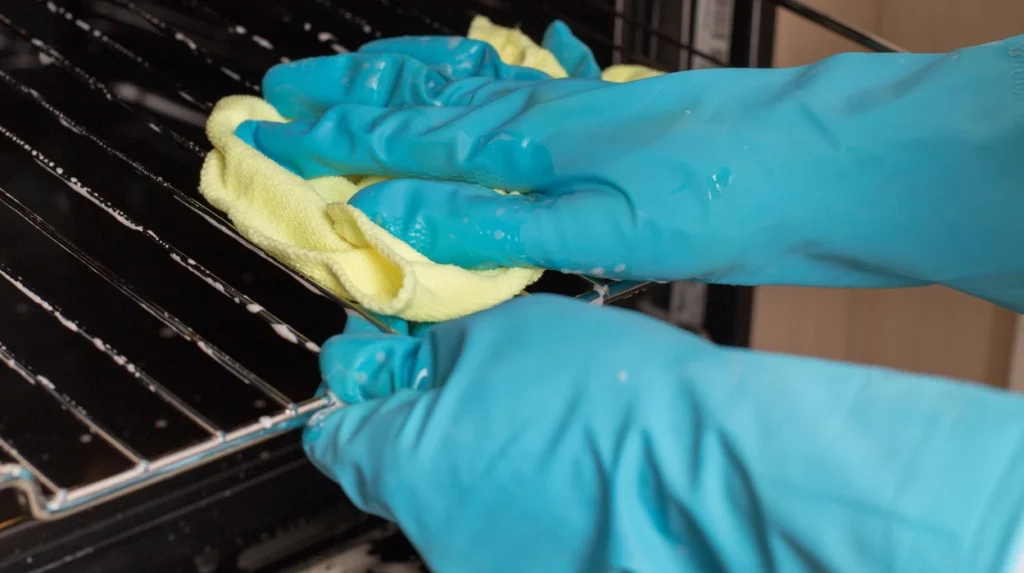
Choosing a qualified oven cleaning provider involves more than comparing prices. Homeowners should ask about cleaning methods, chemical safety procedures, ventilation practices, and appliance protection measures. Reputable professionals are typically transparent about the products they use and how they minimize risks during cleaning.
It is also useful to ask whether technicians are experienced with modern oven types, including self-cleaning or fan-assisted models. Different appliances may require different approaches to avoid surface damage or internal issues.
How Bee Cleaning Services Manchester Handles Professional Oven Cleaning
FBee Cleaning Services Manchester provides professional cleaning solutions designed to remove stubborn grease and carbon buildup safely and efficiently. Proper ventilation, controlled chemical application, and appliance-safe techniques help reduce unnecessary risks during oven cleaning.
Professional technicians understand the importance of balancing deep cleaning performance with kitchen safety. By using structured cleaning methods and careful residue removal, Oven Cleaning Services in Farnworth can support cleaner cooking environments while helping maintain appliance condition over time.
Regular oven maintenance remains one of the most practical ways to improve kitchen hygiene, reduce smoke buildup, and keep cooking appliances functioning effectively. Professional support helps homeowners manage difficult grease buildup without relying on unsafe DIY chemical handling practices.
FAQs About Caustic Oven Cleaning Services in Farnworth
Is professional oven cleaning safer than using supermarket oven sprays?
Professional oven cleaning is generally safer because trained technicians know how to handle strong cleaning chemicals properly. They use protective equipment, controlled application methods, and proper ventilation to reduce fumes and surface damage. Many supermarket sprays can become risky when overused or mixed incorrectly at home.
How long should I wait to use my oven after a caustic clean?
Most professionally cleaned ovens can usually be used within a few hours after the cleaning process is completed. The waiting time depends on ventilation, drying, and residue removal. Professional cleaners normally ensure the oven is fully wiped and safe before recommending reuse.
Can caustic oven cleaners damage oven trays or glass doors?
Caustic cleaners may damage certain oven surfaces if left too long or used incorrectly. Professional cleaners understand which materials require gentler treatment and how to avoid scratches or discoloration. Proper timing and controlled chemical use help protect trays, seals, and glass panels.
Why does my oven still smell after deep cleaning?
A temporary smell can happen if small grease particles or cleaning residue remain inside the oven. In most cases, running the oven briefly with ventilation helps remove leftover odors. Professional cleaning usually minimizes this issue through careful rinsing and drying procedures.
Is professional oven cleaning worth it for heavily used family kitchens?
Professional oven cleaning is often helpful for busy households where grease and food buildup accumulate quickly. Deep cleaning improves hygiene, reduces smoke during cooking, and helps ovens perform more efficiently. Regular maintenance can also help extend the appliance’s lifespan over time.