

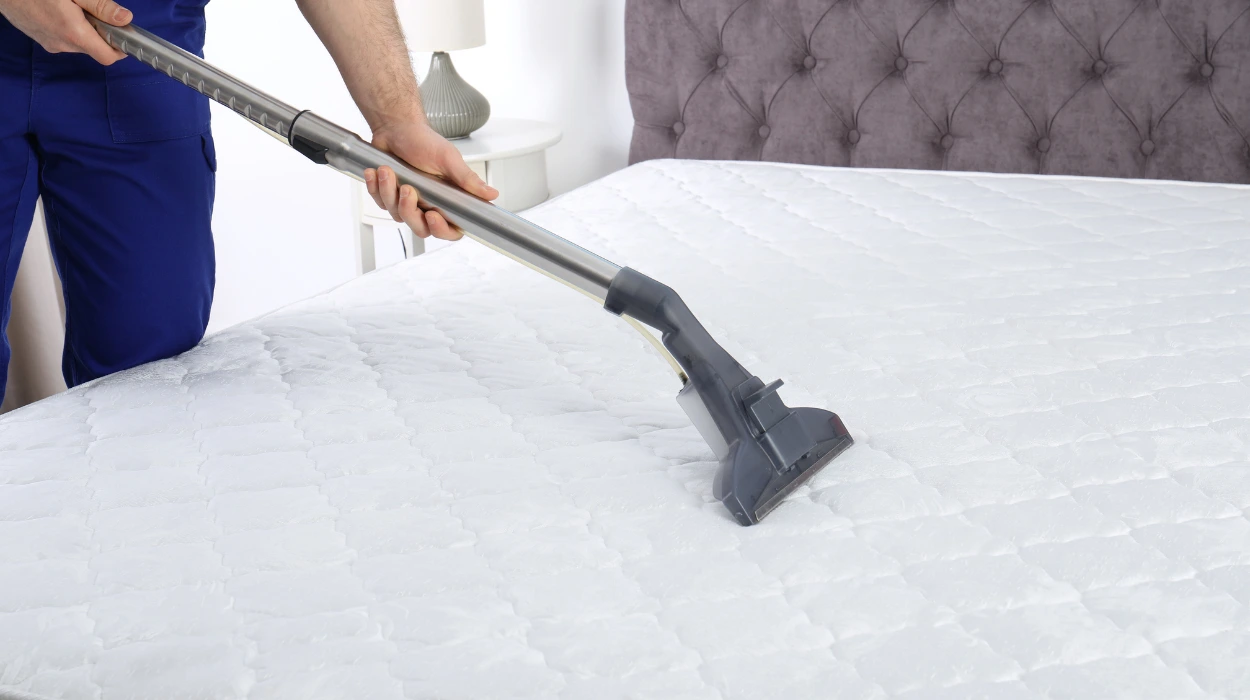
Mold and mildew growing inside a mattress create ongoing exposure to airborne fungal spores that can trigger respiratory issues, skin irritation, and worsening allergy symptoms. Mattress Cleaning Services in Farnworth address this directly through professional treatment methods that remove fungal growth safely, restore hygiene, and protect the mattress from future contamination.
Why Farnworth Mattresses Are Particularly Vulnerable to Mold
Farnworth’s climate, like much of Greater Manchester, brings persistent humidity, cooler temperatures, and limited sunshine, all of which contribute to the conditions mold needs to develop. Every night, a mattress absorbs body heat, perspiration, and moisture from the surrounding air, creating a warm and damp internal environment that persists long after the sleeper has left the bed. Ground-floor bedrooms, older properties with reduced ventilation, and rooms where windows remain closed for extended periods intensify this moisture accumulation considerably.
Mold spores are naturally present in most indoor environments and require very little encouragement to settle and begin colonising porous materials like foam and fabric. Because a mattress retains warmth and moisture consistently, it provides a more stable breeding environment than many other household surfaces. The problem typically begins inside the mattress before becoming visible on the surface, which means many Farnworth residents are unknowingly sleeping above active fungal growth before any obvious signs appear.
Understanding the Difference Between Mold and Mildew in Mattresses
Mold and mildew are both fungal growths, but they differ in structure, penetration depth, and the treatment methods required to remove them effectively. Mildew is a flat, powdery surface fungus that typically develops on the outermost fabric layers of a mattress and responds reasonably well to appropriate anti-fungal surface treatments. Mold, by contrast, develops thread-like root structures called hyphae that extend deep into foam layers and internal materials, making surface cleaning alone entirely inadequate for complete removal. This difference is clinically important because applying a surface product to a deep mold colony only addresses visible symptoms while leaving the active fungal structure intact underneath.
Professional technicians assess the type and depth of fungal growth before selecting a treatment plan, ensuring that the approach matches the actual extent of the problem. Skipping this assessment and applying a generalised cleaning product is one of the most common reasons mold reappears within weeks of a home cleaning attempt. Accurate identification of whether growth is mold or mildew is a foundational step that distinguishes professional treatment from generic household cleaning.
The Health Risks of Sleeping on a Mold-Contaminated Mattress
Prolonged nightly exposure to a mold-contaminated mattress creates a concentrated inhalation risk because the sleeper’s face remains close to the surface for six to eight hours at a time. Common health effects associated with mattress mold exposure include persistent nasal congestion, throat irritation, coughing, headaches, and skin reactions that may not resolve without removing the source. Individuals already managing asthma, rhinitis, or eczema face a heightened risk because regular mold exposure is known to increase the frequency and severity of symptom flare-ups in these conditions.
Children are particularly susceptible as their respiratory and immune systems are still developing, and extended exposure to indoor mold spores can affect their long-term respiratory health. Species such as Aspergillus, Cladosporium, and Penicillium are among the most commonly identified indoor mold types and are associated with respiratory complications during sustained low-level exposure.
Elderly individuals with reduced immune function are similarly at risk, particularly when sleeping arrangements limit access to fresh air and natural ventilation. Understanding the specific health implications is often the point at which Farnworth residents make the decision to move from home cleaning attempts to professional mattress treatment.
How Professional Mold and Mildew Mattress Treatment Works
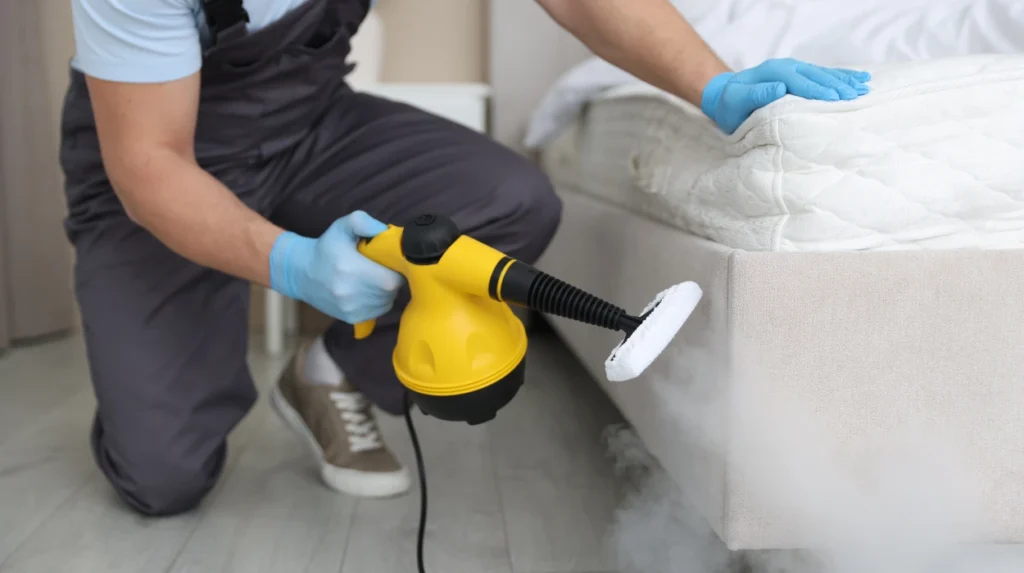
Professional mold and mildew treatment follows a defined sequence that addresses the problem at each stage, from initial assessment through to protective finishing, rather than applying a single product and hoping for results. The process begins with a thorough visual and technical inspection to determine the type of fungal growth, its depth within the mattress, and whether any structural damage to the foam or fabric layers has already occurred.
Once assessed, technicians apply a clinically tested anti-fungal solution formulated to penetrate beyond the surface fabric and neutralise active spore colonies within the interior material. This chemical phase is followed by specialist extraction equipment that draws out moisture, loosened spores, and organic debris from the mattress core, reducing the volume of material available for regrowth. After extraction, an anti-microbial protective coating is applied to the surface to inhibit future fungal development, which is especially beneficial in bedrooms where controlling ambient humidity is difficult.
The drying phase is managed carefully using controlled airflow or professional drying equipment to ensure no residual moisture remains inside the mattress that could restart the growth cycle within days of treatment. All products and methods used throughout are selected to be non-toxic and safe for household environments, so the mattress is suitable for use as soon as the drying process is complete.
For a deeper understanding of the technology behind advanced treatment, reading about how UV-C light and heat treatment eliminate mattress mold provides useful context on the scientific methods professionals apply in more severe cases.
Why Home Cleaning Methods Consistently Underperform
A significant number of Farnworth residents attempt to treat mattress mold using white vinegar, bicarbonate of soda, or diluted bleach solutions before seeking professional help, and the results are consistently limited because these products were not designed for this application. Vinegar and bicarbonate of soda can reduce surface odour and temporarily suppress visible growth, but their chemical composition does not allow them to penetrate foam layers or neutralise deep-seated fungal colonies.
Bleach presents a different set of problems because it can degrade certain mattress fabrics and foam materials, creating a structurally compromised surface that is harder to treat professionally at a later stage. A particularly common home-cleaning error is over-wetting the mattress during the process, which drives existing spores deeper into the material and creates precisely the moisture conditions mold needs to accelerate its spread. Without professional extraction and controlled drying equipment, the mattress is frequently left with trapped moisture that reactivates dormant spores within two to four weeks of the initial cleaning attempt.
The surface may appear clean, but the underlying colony remains biologically active and continues to develop undetected beneath the fabric. Knowing the hidden signs your mattress may contain mold before this cycle becomes established is an important step toward making a more effective decision about when to seek professional intervention.
Preventing Recurrence After Professional Treatment
Maintaining the results of professional treatment over the long term requires a combination of consistent habits and minor adjustments to bedroom conditions that collectively reduce the mattress’s exposure to moisture. Improving bedroom ventilation is the single most impactful step, whether through daily window opening, running a dehumidifier in rooms where condensation is common, or using a slatted bed base that promotes airflow beneath the mattress rather than trapping heat and moisture against the underside. A quality mattress protector with moisture-wicking properties creates a physical barrier between the sleeper and the mattress surface, reducing the volume of sweat and ambient humidity that reaches the mattress material directly each night.
Rotating the mattress every two to three months prevents concentrated moisture accumulation in the same area and also supports even wear across the mattress surface over time. Avoiding leaving damp towels, wet clothes, or freshly laundered bedding in contact with the mattress for extended periods is a straightforward habit that makes a measurable difference in long-term moisture exposure. Scheduling professional mattress cleaning for mold prevention in Farnworth on an annual or biannual basis adds a further layer of protection, particularly for households with children, allergy sufferers, or pets. These combined measures create a more sustainable approach to mattress hygiene than reactive cleaning alone.
When the Situation Requires Professional Assessment
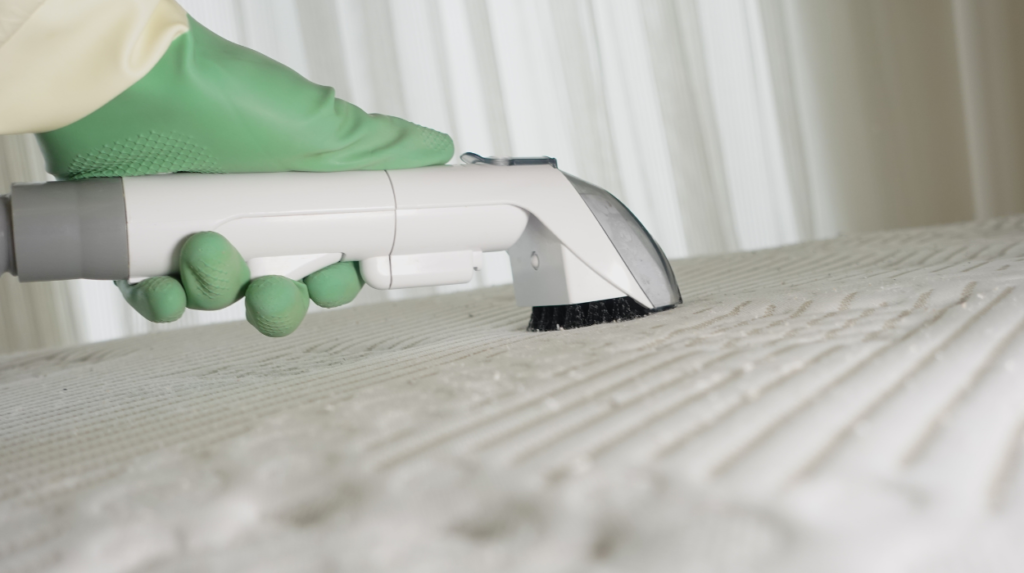
Certain observable signs indicate clearly that a mattress has moved beyond the stage where home cleaning will produce lasting results, and professional assessment is the more practical course of action. A musty or earthy smell that persists after airing the mattress for several consecutive days is a reliable indicator that active fungal growth is present within the interior, not just on the surface. Visible dark patches that return within days of surface cleaning confirm that the mold colony has established root structures below the fabric layer that surface products cannot reach. A pattern of worsening allergy or respiratory symptoms among household members, particularly symptoms that improve when sleeping elsewhere, strongly suggests the mattress is a contributing source of fungal exposure.
If the mattress has been subjected to a significant moisture event such as a flood, prolonged condensation, or an unresolved leak, professional inspection is advisable even in the absence of visible growth, because internal conditions may already be at a critical level. Acting promptly at these signals rather than waiting for the situation to worsen is consistently associated with better treatment outcomes and a reduced likelihood that the mattress will require early replacement. Mattress mold treatment addressed early is also more cost-effective than treatment attempted after a colony has had months to establish itself throughout the mattress structure.
Mold and mildew inside a mattress are a persistent hygiene problem that worsens progressively without structured, professional treatment. Safe and effective removal requires more than surface-level cleaning. It demands an approach that identifies the depth and type of fungal growth, applies the right treatment at the right stage, and protects the mattress against recurrence through proven methods. Bee Cleaning Services Manchester provides professional mattress cleaning solutions across Farnworth that are designed to meet these specific requirements, using industry-standard techniques and safe, non-toxic products suited to domestic environments throughout the area.
What are the signs you are getting sick from mold?
Common signs include persistent nasal congestion, coughing, throat irritation, itchy eyes, and frequent headaches that tend to worsen at home and improve when you leave. Skin rashes, fatigue, and recurring respiratory flare-ups are also linked to prolonged mold exposure, particularly during sleep.
How to flush mold toxins out of your body?
Staying well hydrated supports the body’s natural detoxification process through the kidneys and lymphatic system, helping to reduce the load of mycotoxins over time. Removing the source of mold exposure is the most critical step, as continued contact will outpace any internal recovery the body attempts.
What’s the difference between mold and mildew?
Mildew is a surface-level, flat fungus that typically appears grey or white and stays on outer material layers, making it easier to treat with targeted anti-fungal products. Mold penetrates deeper into materials through root-like structures, appears darker in colour, and requires more intensive professional treatment to remove completely.
What kills mould in a bedroom?
Professional anti-fungal solutions combined with HEPA extraction and controlled drying are the most effective approach, as they address mold both on surfaces and within porous materials like mattresses and walls. Improving ventilation and reducing indoor humidity below 50% also inhibits mold growth significantly over time.
What plant removes 78% of airborne mould?
The Peace Lily is widely cited in indoor air quality studies for its ability to absorb airborne mold spores and reduce their concentration in enclosed spaces. While it supports cleaner air, it works best as a complementary measure alongside professional mold removal rather than as a standalone solution.