

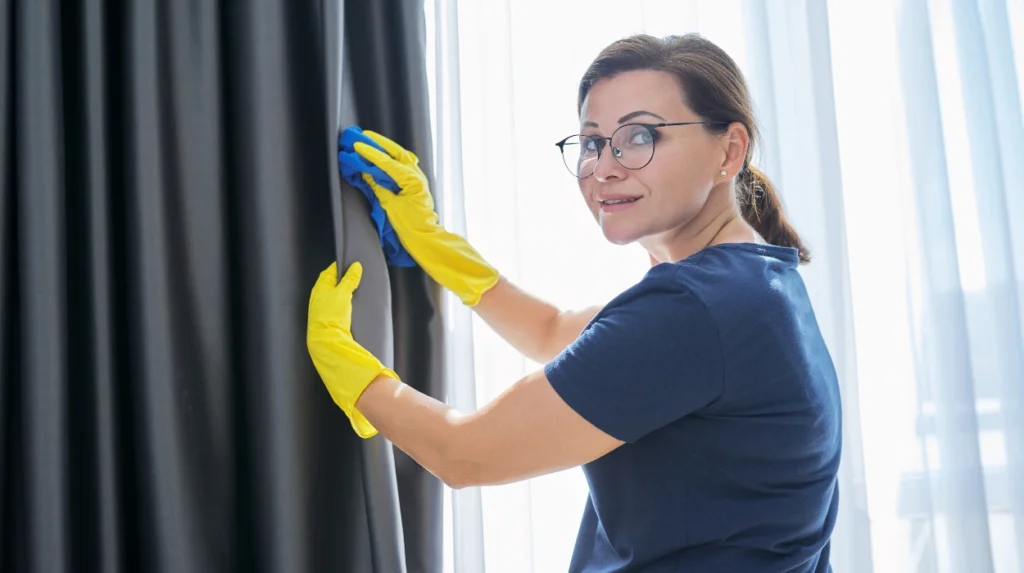
Deciding between these two professional methods is a vital step for homeowners seeking Curtain Cleaning Services in Farnworth to maintain the aesthetic and structural integrity of their window treatments. On-site cleaning is frequently preferred for its sheer convenience and the fact that it eliminates the risk of fabric shrinkage that can occur during the re-hanging process. This method typically utilizes high-temperature steam or specialized dry-cleaning solvents applied directly to the drapes while they remain on the rod.
It is an excellent solution for regular maintenance and for addressing surface-level dust and odors without disrupting the privacy of your home environment. Many residents find this approach ideal for modern synthetic blends and sturdy fabrics that do not require deep immersion to achieve a refreshed and sanitized appearance.
The Technical Process of On-Site Treatment
Understanding the technical nuances of these processes helps in choosing the right safe curtain cleaning techniques for your specific textile needs. On-site technicians use industrial-grade extraction machines that pull moisture and dirt out of the fibers simultaneously to ensure that the fabric does not become oversaturated. This quick-dry approach is essential for preventing the growth of mold or mildew within the folds of the material, which can be a concern in the humid climate of Greater Manchester. By keeping the curtains hanging, the weight of the fabric acts as a natural tensioner, helping to pull out minor creases during the drying phase. This eliminates the need for intensive pressing or ironing, which can sometimes flatten the natural texture of decorative fabrics.
Fabric Sensitivity and Shrinkage Risks
Fabric composition remains the ultimate deciding factor for any professional cleaner when determining the safest route for restoration. Certain natural fibers like 100% linen or unlined cotton are prone to significant shrinkage if they are subjected to moisture while not under tension. In these cases, a dry-cleaning method performed on-site is often the safest bet to ensure the curtains still reach the floor after the process is finished. Meanwhile, heavy interlined curtains used for thermal insulation are difficult to clean on-site because the thick middle layer traps moisture, which can lead to internal rotting. These complex, multi-layered treatments almost always require the controlled drying environments found only in professional off-site facilities to ensure every layer is perfectly dry before re-hanging.
Assessing Health and Air Quality Benefits
Health considerations often dictate which cleaning path a household should follow, especially when dealing with respiratory sensitivities or seasonal allergies. On-site steam cleaning is highly effective at neutralizing dust mites and bacteria on contact, providing an immediate improvement in indoor air quality without the wait. However, for curtains that have absorbed significant amounts of nicotine smoke or cooking oils, the immersion methods used in off-site facilities are generally more successful at complete odor neutralization. The choice often comes down to the current state of the fabric and the specific types of contaminants present within the household. Expert technicians from Bee Cleaning Services Manchester can evaluate the fabric density and soil levels to recommend whether a local or facility-based approach is most suitable.
Cost and Long-Term Fabric Preservation
Cost-effectiveness is another factor that fluctuates depending on the chosen method and the complexity of the curtain designs. On-site Curtain Cleaning Services in Farnworth generally incur lower labor costs because they bypass the need for multiple trips and the overhead expenses associated with running a large-scale industrial plant. This makes it a popular choice for routine annual cleaning cycles where the goal is preservation rather than restoration.
Conversely, while off-site cleaning carries a premium price tag, it can be seen as an investment in extending the lifespan of expensive bespoke drapes. By removing years of grit that acts like sandpaper on delicate fibers, a deep off-site wash can delay the need for costly replacements, ultimately saving the homeowner money over the long term.
The Impact of Modern Cleaning Technology
Modern technological advancements have narrowed the gap between these two methods, allowing for better results in residential settings than ever before. New portable machines offer greater suction power and more refined heat control, which allows technicians to mimic some of the benefits of a plant-based clean while remaining in the home.
Despite these improvements, the physical limitations of working in a domestic space mean that certain heavy-duty chemical solvents cannot be used on-site due to ventilation requirements. Therefore, for extreme restoration cases involving heavy soot or water damage, the off-site option remains the gold standard for safety and efficacy. Homeowners should always ask for a fiber test to ensure the chosen method aligns with the manufacturer’s recommendations for their specific textile.
Environmental Impacts of Different Methods
Environmental stewardship is becoming a primary concern for many homeowners who want to reduce their chemical footprint while maintaining a clean living space. On-site steam cleaning is arguably the most eco-friendly option available because it relies primarily on the power of pressurized water vapor rather than harsh synthetic detergents. This process effectively breaks down surface grime and kills biological contaminants without releasing volatile organic compounds into your home’s atmosphere.
Furthermore, by choosing an on-site service, you significantly reduce the carbon emissions associated with transporting heavy fabrics to and from a centralized processing facility multiple times. Many modern cleaning teams now utilize biodegradable solutions when a booster is necessary, ensuring the process remains safe for pets and children.
Preparing Your Home for Professional Arrival
Proper preparation can greatly enhance the efficiency and outcome of your scheduled service, regardless of whether you choose an on-site or off-site approach. For on-site treatments, it is helpful to clear a small perimeter around the windows to allow technicians easy access to the full length of the drapes and the surrounding tracks. Removing any fragile decorative items from nearby surfaces prevents accidental damage during the movement of hoses and steam wands. If you have opted for off-site care, take a moment to document any existing damage or loose threads so these can be discussed with the collection team before the curtains leave your property. Clear communication regarding specific problem areas, such as sun-bleaching or localized pet stains, allows the experts to apply the most effective pre-treatment.
When to Choose Off-Site Facility Cleaning
Off-site cleaning serves a very different purpose and is often reserved for window treatments that have suffered from years of neglect or heavy staining. When curtains are taken to a specialized facility, they can undergo a much more rigorous deep-cleaning process that involves full immersion in cleaning baths or advanced ultrasonic technology. This is particularly beneficial for high-value items such as heavy velvet drapes or intricate silk panels that might be damaged by standard portable equipment.
The controlled environment of a professional plant allows for precise temperature regulation and specialized drying racks that prevent the fabric from stretching or losing its original shape. While this method requires more time, the results are often more thorough for removing deeply embedded allergens and stubborn grease particles.
Regular maintenance is the key to ensuring that whichever method you choose, the results are long-lasting and visually striking. Dusting and vacuuming the tops of curtains and the folds where dust accumulates can prevent the buildup that eventually requires a more aggressive off-site intervention. When the time comes for a professional curtain restoration, engaging with a reputable provider ensures that the specific needs of Farnworth properties are met with local expertise. Bee Cleaning Services Manchester offers a comprehensive range of solutions designed to handle everything from light refreshes to intensive stain removal. By choosing a professional team, you ensure that your curtains remain a beautiful and hygienic feature of your home for many years to come, regardless of the cleaning path you select.
How much is the curtain cleaning fee?
Professional curtain cleaning fees typically range from £6 to £18 per square metre for dry cleaning, or between £25 and £150 per pair, depending on the size and fabric. On-site services often involve a technician’s hourly rate starting from £30 plus any specialized material treatments.
How often should curtains be cleaned in a care home?
Health guidelines and NHS specifications generally recommend that privacy curtains in care environments be cleaned or replaced every 6 months to maintain infection control. Any curtains that become visibly soiled should be laundered immediately to ensure a high standard of hygiene for vulnerable residents.
Does steam cleaning curtains get rid of dust?
Yes, steam cleaning is highly effective at removing surface dust and deeply embedded particles by using high-temperature vapor to loosen debris. The process also kills biological contaminants, ensuring that the fabric is sanitized as the dust is extracted from the fibers.
How do hotels clean shower curtains?
Hotels maintain shower curtains by spraying liners with bleach-based disinfectants daily and performing regular machine washes on a normal cycle with heavy-duty detergents. To prevent mildew, housekeeping staff ensure curtains are fully extended to dry and replace plastic liners frequently.
Do curtains hold dust mites?
Curtains are major collectors of dead skin cells and household dust, which provide a primary food source for dust mites to thrive. Professional heat treatments or washing fabrics at 60°C are the most effective ways to eliminate these microscopic pests and their associated allergens.