

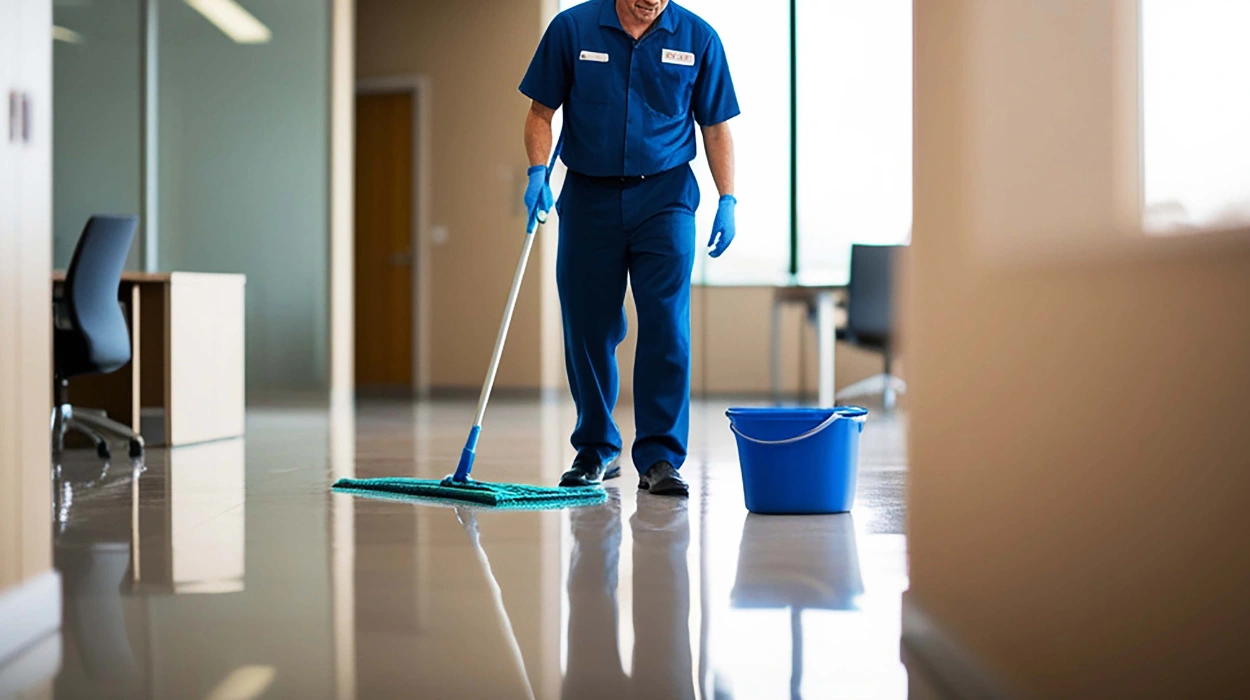
`Street muddy tracks are such a common issue for most people in Bolton. Hallways, foyers and common areas are easily smeared after heavy rains to form unnecessary cleaning tasks and frustrations. Even the well-maintained hallways may become dirty within hours when people keep bringing mud outside. It is not only an aesthetic problem, but these muddy streaks may hurt the flooring, cause slipping andaffect the general cleanliness of a particular building.
People living in the area always ask themselves why they have clean streets and yet the hallway is still in poor condition. The most important thing to address this daily issue is to know the causes, the effect and the possible remedies. This paper examines the reasons as to why muddy tracks continue to be witnessed along Bolton corridors and ways in which the situation can be prevented.
What Causes Muddy Tracks in Bolton Hallways
We can get into solutions before getting lost and blinded by first knowing the principal causes of muddy tracks in hallways. A single factor is seldom a cause of the issue. The problem is caused by weather conditions, layout of the street, drainage, and local traffic. Bolton has a large number of streets with grassy sides and unpaved walkways, as well as patches of dislodged footpath, where the mud can develop rapidly.
In wet seasons, the soil and debris are mixed with rainwater and produce slippery mud that can readily deposit on shoes, boots, and vehicle tyres. People who visit such places in the evenings and walk on such surfaces without knowing, therefore, bring the mess indoors, and thus, clean hallways are always a battle.
Weather and Drainage Problems
The high number of rainfalls in Bolton is one of the causes of the muddy paths that find their way to households and premises. The drainage in some streets or paths is not good, and the water remains on the surfaces of the soil and grass. The soil becomes sticky, and when this happens to shoes, it becomes widespread. Although such walks as walking between the streets and hallways are short, they can leave visible traces. The mixture of rain and the compressed soil on the pathways will enhance the possibility of muddy footprints.
The problem can also be aggravated by poor drainage facilities, including clogged drains or sloping walks. The knowledge of the interaction between weather and drainage can be used to make the residents aware of the muddy seasons and be ready to prevent the muddy weather, by laying protective mats on the ground or cleaning their shoes before entering the buildings.
Impact on Residents and Cleanliness Standards in Bolton

The unsanitary corridors are not merely an inconvenience, but one that impacts the day-to-day lives, health, and even community opinion. Unhygienic corridors that are always dirt-filled may be experienced in places where there are many occupants or those that are run by the government. Families will be forced to clean multiple times every day, which causes unneeded pressure. Slippery hallways can be a safety hazard to the elderly resident or a person with mobility problems.
The muddy footprints also destroy flooring materials in the long run, creating extra repair expenses. These issues contribute to the significance of the recognition of how the conditions in the streets directly affect the cleanliness of the indoor environment and why the community should proactively address the problem.
Daily Life and Walkways
To people who live there, dirty corridors mean frustration every day. The dirt is brought home on shoes, boots, and even pets, so that formerly clean halls are messy. In high-rise housing, the problem is that arguments may appear when certain dwellers consider that other people do not want to do their share of eliminating mud spreading. Outside play by children brings mud inside unintentionally, thus raising cleaning rates.
Even routine chores such as shopping in the grocery stores can prove to be hectic when dirty shoes create stains on newly cleaned floors. The interrelation of the outdoor street environment and indoor corridors is obvious – a better place prevents the deterioration of another.
Public buildings are also affected by muddy tracks. Bolton shops, schools and community centres always find it difficult to keep their entry doors clean during wet months. Flooring becomes slippery, floor mats become wet and constant cleaning disruption is happening in the day-to-day operations. Local companies are concerned about the perception of customers with messy halls, whereas schools are confronted with the issue of child-safe classrooms. These spaces can be kept clean and friendly by dealing with the factors that cause the street issues, which are the habits of the residents.
Why Residents Can Participate in the Process of Muddy Tracks Reduction

Resident actions can be effectively put into practice. Basic practices such as the use of indoor mats, urging children to clean their shoes, and reporting of problem streets help to keep hallways cleaner. Bolton communities also hold regular litter-picking or clean-up days, which are volunteering activities to keep streets and other places tidy. When such initiatives are participated in, besides enhancing the cleanliness of the halls, it enhances the community relationship. Even simple daily routine activities will help to drastically reduce the transfer of mud.
Effective solutions to Hallways and Entries.
Hallways are susceptible even under rather stringent cleaning of the streets and individual measures. Good interior policies prevent the proliferation of mud in the house. Barrier zones, entrance mats, and boot trays prevent debris from getting into main hallways. Hallways are kept friendly through regular cleaning, fast mops and mat wash. Mud tracking is also minimized through landscaping changes around entrances, like gravel walks or strengthened grass cover.
Hallways, Mats,s and Barrier Zones
Mats and shoe washing areas are placed in strategic places to ensure that mud does not reach corridors. Mess in the indoor environment is greatly reduced by rubber-backed mats, absorbent runners, and frequent cleaning of these areas. The residents need to make sure that the mats are big enough to cover major entrance points and should be washed regularly to ensure their usefulness.
Street muddy tracks destroying clean Bolton hallways is a constant yet controllable problem. This is an issue that has been caused by weather, street conditions, allocation of resources by the council and habit of the residents. It is possible to prevent this by having the residents proactively take care of the causes, whether by the use of mats and cleaning shoes or by being involved in community programs.
Why Muddy Tracks from Streets Are a Bolton Hallway Problem
Muddy streets are an atmosphere in the first place for Bolton residents, particularly after the rains. Soft soil, destroyed paths, and turf edges contribute to mud that very fast find its way into halls, foyers, and common areas. Even the shortest stretch from street to home can cause very observable marks on the floors, which then means more time for cleaning and slip hazards. This problem does not only concern homes but also the retail and educational sectors, where clean and safe entrances are considered to be very important for health and sanitation.
Moreover, it is the understanding of the problem’s causes, which consist of the weather, street configuration, and drainage problem, that will enable the housing community to find practical solutions to this everlasting dilemma.
How Residents and Council Efforts Can Reduce Muddy Tracks
Although the Council carries out regular street cleaning and verge maintenance in Bolton, some neighbourhoods still have muddy hallways due to limitations on resources and the capricious nature of the current weather. But residents can help in a more active way by using entrance mats, cleaning their shoes, and joining community clean-ups. Very small things like these, together with services provided by the council such as motor-road sweeping and cutting of grass in specified areas, will greatly limit the indoor contamination with mud.
The collaboration of the residents with the council will lead to dirtier, more dangerous, and uninviting hallways less frequently because the streets’ muddy tracks will then be able to be controlled indoors.
Street cleaning and verge management by councils is still necessary; however, local involvement increases its efficacy. Cleaning of hallways is not only a hygiene issue, but also an indication of community pride and joint responsibility. In case of credible assistance in keeping corridors clean and addressing muddy paths, Bee Cleaning Services Manchester may be contacted by the residents. Using professional cleaning products, you will not destroy your indoor areas with the most remained streets.