
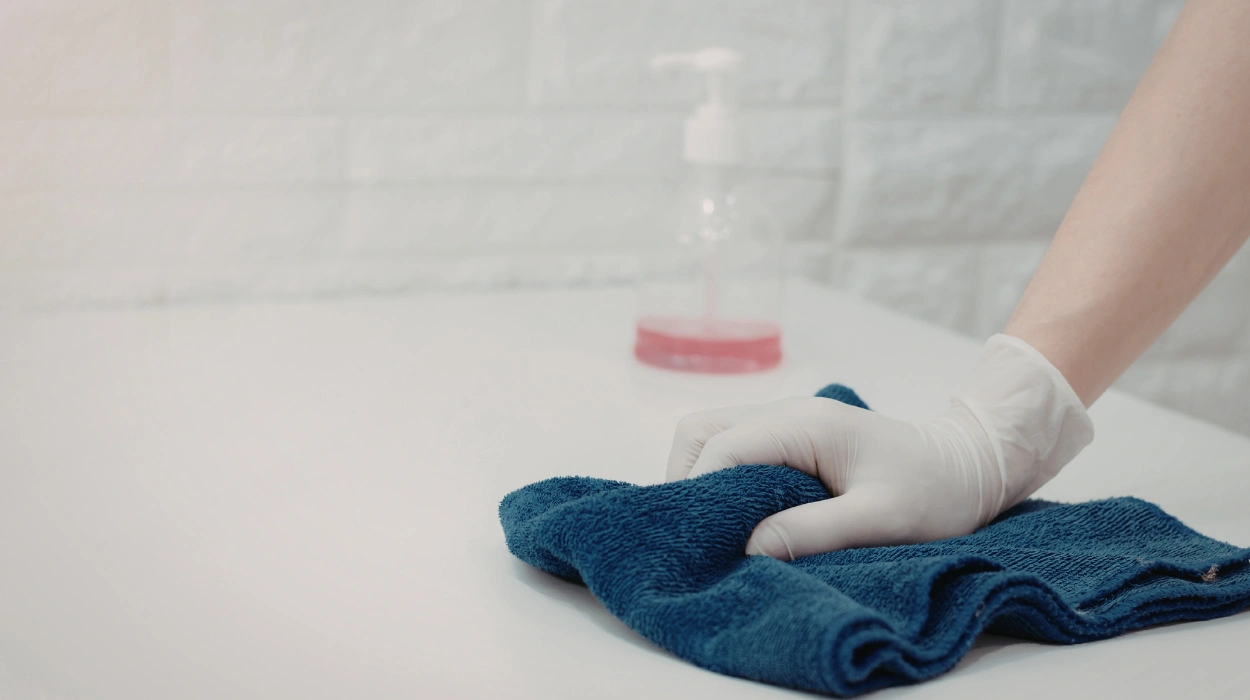
The epidemics of norovirus in schools may be frightening, particularly to the parents and employees who attempt to protect children. Cases in Bolton have helped to underline the ease with which such a virus can be transmitted in classrooms, playgrounds, and common areas. Although handwashing and isolation are effective, the contaminated surfaces are still a significant source of infection.
It is imperative to know the dangers and cleaning procedures to ensure that the virus does not rampage through the school and/or workplace of your child.
Norovirus in Bolton Schools
Close contact between students and staff members makes schools a high-risk environment for norovirus. Even a short-term contact poses a threat to the virus as it can be transmitted with tiny particles on the contaminated surfaces. The symptoms, such as vomiting and diarrhoea, may come in unexpectedly, and parents and teachers are left with their hands full to contain the outbreaks.
The fear of exposing children to a possibly contaminated place is very tangible to the parents. Employees have to juggle their teaching duties and observe high-level hygienic standards. The first step to prevent the spread of the virus is to be aware of the virus, its spread and the reasons why it continues to thrive in school settings.
Why Norovirus Spreads So Fast
Norovirus, or the winter vomiting bug, is very contagious. The presence of a few virus particles is enough to become ill, and they can be kept on surfaces up to two weeks. In classrooms, it implies that even dirty desks, door handles, computer keyboards, and even toys can be used as hotspots. Children also have a habit of touching their faces, sharing equipment, or even forgetting to thoroughly wash their hands, and this is why schools are very suitable environments when there is an outbreak. Employees should realize that quick and comprehensive cleaning is not just a necessity. The virus has the capacity to attack anyone, including the youngest of students, and at the same time, the teachers and support staff, hence early detection and proactive hygiene are crucial.
Bolton School Context: Why This Needs Attention
The recent outbreaks in Bolton have affected school operations, where several classes have been sent home, and staffing has been a matter of stress. Parents fear their children getting ill, and school administrators can only struggle to continue the learning schedules and deep clean procedures. Norovirus can cause the spread of the disease even in mild cases and can cause weeks of disruption.
Getting to know the locals will aid parents and staff in getting ready. Anxiety, as well as limiting infection, can be achieved through awareness campaigns, effective communication of cases, and practice-based hygiene advice, and children and staff will go back to a safer environment sooner.
Surface Contamination: The Real Risk in Schools
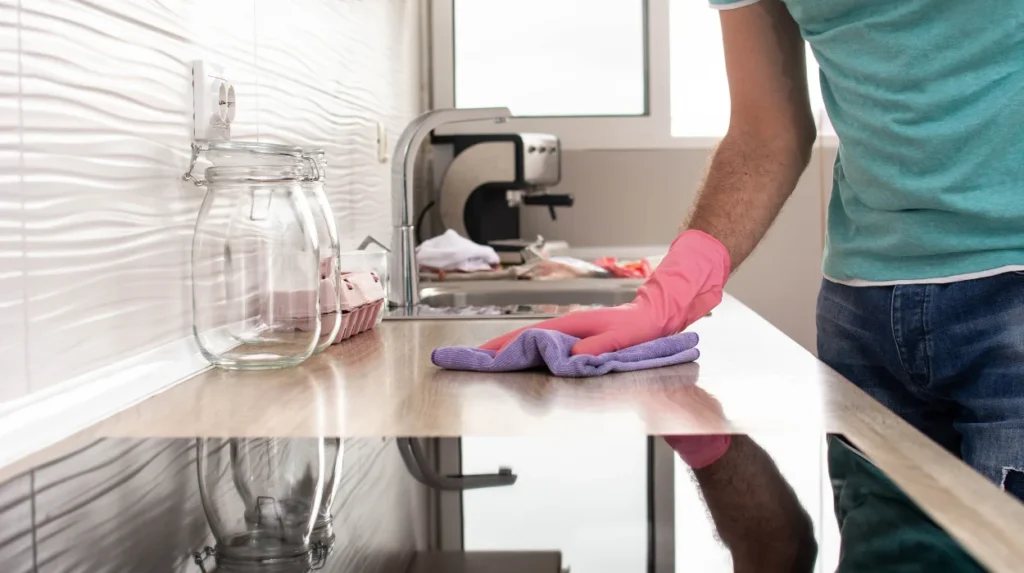
Norovirus may also persist on surfaces for days after handwashing. Routine cleaning tends to omit such high-touch surfaces as door handles, desks, toilets, and sports equipment. The virus remains longer on non-porous surfaces, and it is important that disinfection should be conducted regularly and thoroughly. Schools that underestimate the risk of contamination of surfaces risk recurring outbreaks.
The appearance of cleaning is not the only thing, but also the safety. To parents, it gives them peace of mind when they understand that the classroom of their child is well-sanitised. To the staff, it makes sense to know the surfaces to be addressed to make sure that cleaning resources are effectively deployed to minimize the risk of total infection.
High-Touch Areas That Often Get Missed
Knowledge about surface survival is useful in enabling schools to schedule cleanups. Norovirus is able to hang around on hard surfaces such as tables, door handles, and bathroom fittings for as long as two weeks. The virus can also remain in soft surfaces like carpets or curtains, but it is harder to disinfect. The swiftness of the cleaning reaction is important because of this durability.
Although a student might be feeling better after a day, he or she might leave behind the virus particles that may infect others. With informed staff and parents about this timeline of surviving, schools can introduce cleaning measures that would reduce the danger and keep the environment safer for all.
Why Soap and Water Matter More Than Hand Sanitiser
It is important to wash your hands properly. Hand washing time for children and staff should not less than 20 seconds, particularly after visiting the toilet or before eating. Virus particles are physically removed by soap and water, whereas alcohol gels might not be effective in penetration. In the case of parents, home-taught kids should be taught to thoroughly wash their hands, which supports school-based teaching.
Employees can promote regular handwashing habits at school. It is among the most effective measures to prevent the transmission of norovirus that can be used to supplement surface cleaning measures, which are rather simple and low-cost.
Choosing the Right Disinfectants
In the case of the surface in contact, a mixture of 1000ppm of chlorine can be employed. When used correctly, the contact time should be at least five minutes with the surface being wetened before contact. This is to guarantee total neutralisation of the virus. The use of these protocols should be regular among teachers and other people in the janitorial staff, particularly in areas with high contact.
A parent can contribute to the efforts by washing schoolbags, lunch boxes, and objects that people touch on regularly at home. A combination of proper disinfectant application and hand hygiene will result in complete protection against norovirus.
The Difference between Professional and Everyday Cleaning
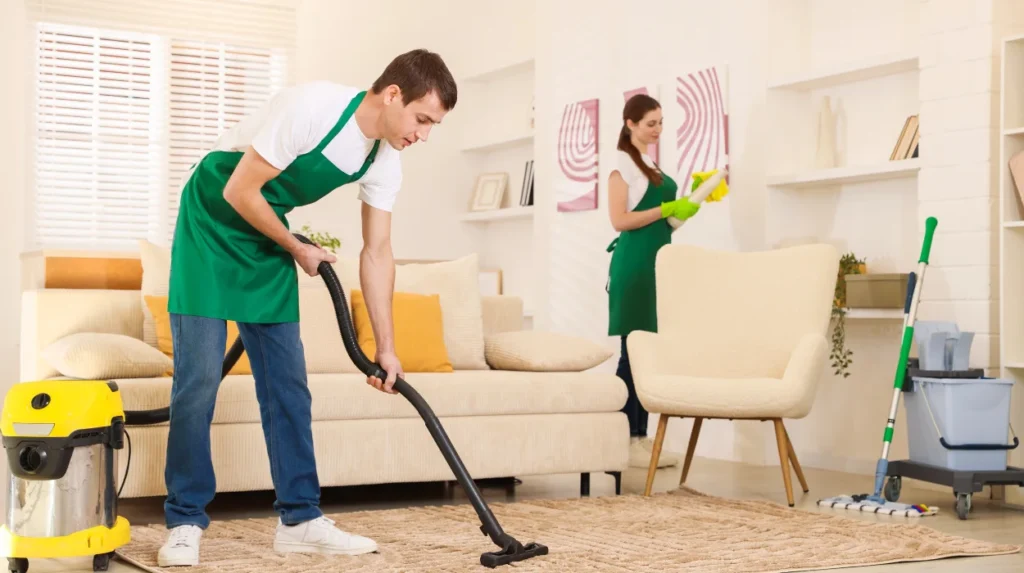
Routine cleaning fails to offer comprehensive disinfection, which is offered by professional cleaning services. Their trained personnel and confirmed disinfectants are utilized, and the virus particles are practically eliminated. Professional services help in reducing the number of secondary infections, and the duration to recover is shorter in schools where professional services during outbreaks are used.
The parents will be able to claim professional cleaning assistance, particularly once the cases of norovirus are confirmed. The investment will be paid with fewer sick days and healthier classrooms.
Epidemics can be stopped during routine. The staff and teachers need to pay attention to wiping on the high-contact surfaces, accessible handwashing stations, and tracking the health status of students. All these are strengthened by educating children about good hygiene habits. Parents can contribute by reminding the children to wash and change into clean attire after school. These small steps will go a long way in ensuring that there is consistency that will help in minimizing the spread of norovirus.
What Parents and Staff Can Do Right Now
Risks of exposure could be minimized by taking emergency actions. Promote hand washing prior to meals and after using the restrooms. Symptoms are reported early enough to ensure schools take cleaning action. Separate and sanitise personal objects such as water bottles and lunch boxes. Early reaction and awareness will not only safeguard the lives of individual children but also the lives of a whole class, not to mention the whole school.
When parents take their child home after attending school, they should also ensure that he/she washes his hands and put on fresh clothes.
Norovirus outbreaks in schools in Bolton are hard, but at the same tim,e they are manageable with informed and consistent actions. The virus is largely dependent on the cooperation between the parents and the school staff. School communities can only maintain safer environments by emphasizing proper handwashing, cleaning of high-touch surfaces, and professional disinfection whenever it is necessary. Remember that even the smallest steps, such as washing lunch boxes or wiping class equipment, contribute significantly.
For schools and parents who are in need of professional help to guarantee thorough cleaning and disinfection, Bee Cleaning Services Manchester is available to offer their trusted expertise for keeping surfaces properly Antiviral sanitised and lowering the chances of norovirus spreading. Take action now to secure your children, staff, and community.