


Regular cleaning maintains everyday office hygiene, while deep cleaning targets built-up dirt, hidden areas, carpets, upholstery, kitchens, washrooms and hard-to-reach surfaces. Understanding the difference helps businesses choose the right cleaning schedule without paying for services they do not need.
What Is the Difference Between Regular Office Cleaning and Deep Cleaning?
Regular office cleaning is designed to maintain cleanliness throughout the working week.
It normally focuses on visible and frequently used areas such as desks, floors, kitchens, toilets, reception spaces and meeting rooms.
Typical tasks include vacuuming, mopping, dusting, emptying bins and wiping commonly touched surfaces.
The purpose is to prevent everyday dirt from accumulating and keep the workplace presentable.
Deep cleaning has a wider scope and concentrates on areas that routine visits may not cover.
It is usually more intensive, takes longer and may involve specialist methods or cleaning-equipment depending on the condition of the workplace.
What Does Regular Office Cleaning Include?
Regular office cleaning provides the ongoing maintenance that keeps a workplace functional and comfortable.
Cleaning teams may vacuum carpets, mop hard floors, remove waste and wipe desks and accessible surfaces.
Washrooms are cleaned and sanitised, while kitchens and break rooms receive routine attention.
High-touch points such as door handles, switches and shared surfaces can also be included in the cleaning specification.
The frequency depends on office size, employee numbers, foot traffic and the way the premises are used.
For many workplaces, regular cleaning is scheduled daily, several times a week or weekly according to practical hygiene requirements.
Why Regular Cleaning Matters for Businesses
A consistent cleaning routine helps prevent visible dirt and general mess from becoming difficult to manage.
It also supports a professional appearance for employees, customers, suppliers and visitors entering the premises.
Kitchens and washrooms can become particularly unpleasant when they are not maintained regularly.
Dust and debris can also collect on floors, furniture and frequently used surfaces during normal business activity.
Regular cleaning addresses these problems before they develop into larger maintenance issues.
However, routine cleaning is not intended to replace periodic intensive cleaning of neglected or difficult-to-reach areas.
What Is an Office Deep Clean?

An office deep clean is a more detailed cleaning service that goes beyond normal day-to-day maintenance.
It focuses on accumulated dirt, grime, dust and contamination in areas that may receive limited attention during routine visits.
Depending on the agreed scope, this can include carpets, upholstery, skirting boards, vents, kitchen appliances and areas behind furniture.
Washrooms may receive more intensive attention, including detailed cleaning of fixtures, floors and hard-to-reach surfaces.
Hard floors may require scrubbing or other specialist treatment rather than ordinary mopping.
The exact scope should be agreed in advance because deep cleaning requirements vary between different offices and building conditions.
Regular Cleaning vs Deep Cleaning: The Main Differences
The biggest difference is the purpose of each service.
Regular cleaning is primarily about maintaining an existing standard, whereas deep cleaning is intended to restore or improve areas where dirt has accumulated.
Regular visits normally concentrate on accessible, high-use areas that become dirty through everyday activity.
Deep cleaning reaches further into areas that are overlooked, less accessible or require more intensive treatment.
Regular cleaning is commonly scheduled throughout the year, while deep cleaning is generally arranged periodically or after a specific need arises.
Using both services together can provide a practical approach for businesses that want consistent everyday hygiene alongside more thorough periodic cleaning.
Which Areas Need Deep Cleaning in an Office?
Carpets are one of the main areas that can benefit from periodic deep cleaning because ordinary vacuuming does not remove every type of embedded dirt.
Upholstered office chairs and reception furniture can also collect dust, stains and odours over time.
Kitchen areas may require detailed cleaning around appliances, cupboards, sinks and other surfaces that are difficult to maintain during short routine visits.
Washrooms can require additional attention to floors, fixtures, limescale and areas that are not covered by a basic cleaning routine.
High-level surfaces, skirting boards, vents and spaces behind or underneath furniture can also accumulate dust.
A professional assessment helps determine which areas require intensive treatment and which can remain within the regular cleaning schedule.
When Should an Oldham Office Arrange a Deep Clean?
There is no single schedule that suits every business because office usage varies considerably.
A busy workplace with high footfall may need deep cleaning more frequently than a small office with limited daily occupancy.
A deep clean can be useful after refurbishment, relocation, building work or a period when the office has been closed.
It may also be appropriate when carpets, upholstery, floors or communal areas have developed visible build-up that routine cleaning cannot resolve.
Seasonal cleaning can provide another opportunity to address overlooked areas and reset the general standard of the workplace.
For offices in Oldham, the appropriate frequency should be based on building condition, usage, cleaning history and the level of hygiene required.
Can Regular Cleaning Replace an Office Deep Clean?
Regular cleaning and deep cleaning perform different functions, so one should not automatically be treated as a replacement for the other.
A regular cleaner can maintain floors, desks, kitchens and washrooms, but a short scheduled visit may not allow time for detailed work in every hidden area.
Deep cleaning provides an opportunity to focus specifically on accumulated dirt and surfaces that are not part of the everyday specification.
If a business only schedules deep cleaning, visible dirt and routine waste can still accumulate between visits.
If a business only uses regular cleaning, less accessible areas may gradually receive less attention.
A combination of regular maintenance and occasional deep cleaning is therefore often the more balanced approach for commercial workplaces.
How Does Cleaning-Equipment Differ for Deep Cleaning?
The cleaning-equipment required depends on the type of surface, level of contamination and agreed scope of work.
Routine office cleaning can generally be completed with standard vacuum cleaners, mops, cloths, bins and appropriate surface-cleaning products.
Deep cleaning may require carpet extraction equipment, floor-cleaning machinery, specialist brushes or other tools for detailed surface treatment.
Some commercial cleaning tasks also require equipment designed for high-level or difficult-to-access areas.
The right equipment should always be selected according to the material being cleaned and the manufacturer’s care requirements.
Professional cleaning teams should also follow appropriate product-handling and workplace safety procedures when using specialist equipment.
What Should Businesses Consider Before Booking a Deep Clean?
Before arranging an office deep clean, businesses should identify which areas need additional attention.
It is useful to consider carpet condition, upholstery, kitchens, washrooms, floors, high-level surfaces and frequently neglected spaces.
The cleaning company should understand the office size, number of rooms, access arrangements and normal working hours.
Businesses should also clarify whether the service is one-off or intended to complement an existing regular cleaning schedule.
A written scope of work can reduce misunderstandings by explaining what is included and which specialist tasks are separate.
For businesses comparing professional office cleaning solutions in Oldham, these details can make service comparisons more useful.
How Can Deep Cleaning Minimise Workplace Disruption?
Deep cleaning does not necessarily need to interfere with normal business operations.
Many offices arrange intensive cleaning outside standard working hours, during weekends or when fewer employees are present.
The schedule can be divided into areas so that essential rooms remain available while other sections are being cleaned.
Businesses should communicate access requirements and any sensitive areas before the work begins.
Furniture and equipment may also need to be moved or made accessible for certain cleaning tasks.
Good planning allows a deeper clean to be completed efficiently while reducing unnecessary disruption to employees and daily operations.
Is Deep Cleaning More Expensive Than Regular Cleaning?
Deep cleaning generally requires more time and may involve additional labour, specialist equipment or particular cleaning methods.
Regular cleaning is usually easier to schedule because the tasks are repeated and the expected scope is relatively consistent.
The cost of a deep clean depends on factors such as office size, condition, number of rooms and the specific tasks requested.
Carpet cleaning, upholstery treatment, detailed kitchen work and specialist floor care can affect the overall scope.
Businesses should compare quotations based on what is actually included rather than comparing the headline price alone.
A clear cleaning specification helps ensure that the quoted service matches the areas and outcomes the business actually requires.
How Do Regular Cleaning Contracts Fit Into a Deep Cleaning Plan?
A regular cleaning contract can provide the foundation for maintaining an office after a deep clean has been completed.
Routine visits deal with everyday waste, dust, floor cleaning, washrooms, kitchens and other frequently used areas.
A periodic deep clean can then address areas that require more time and specialist attention.
Businesses considering office cleaning schedules and contract options can compare frequency according to occupancy, foot traffic and workplace requirements.
The combination can help prevent the office from returning quickly to the condition that required intensive cleaning in the first place.
This approach also allows cleaning requirements to be reviewed as the business grows or changes its working arrangements.
Why Choose Professional Office Cleaning Services in Oldham?
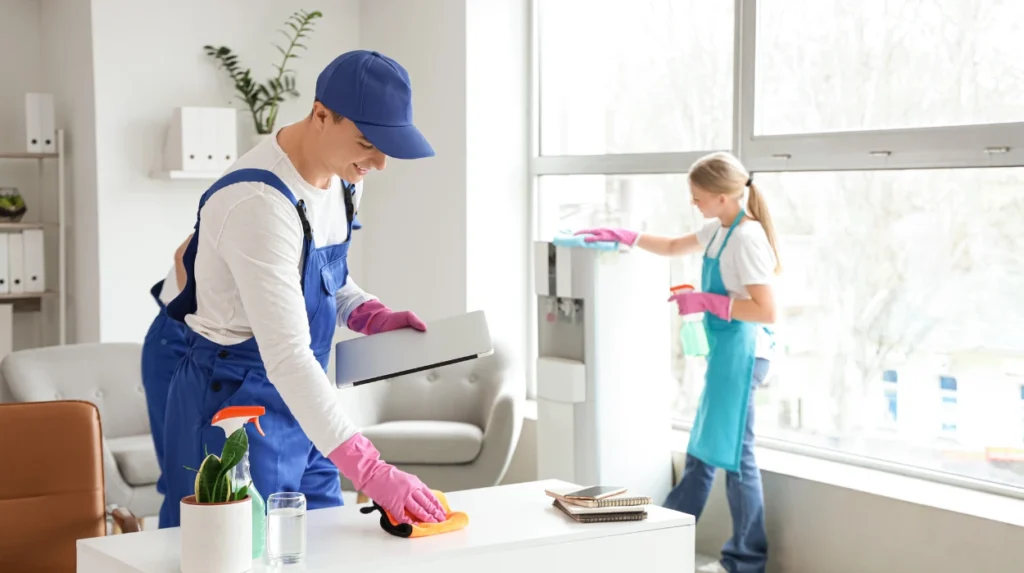
Professional office cleaning involves more than simply removing visible dirt from a workplace. A suitable service should consider the building layout, surface types, cleaning frequency, access requirements and areas requiring specialist attention. For offices in Oldham, a cleaning plan can be adjusted according to the size and use of the premises rather than relying on a generic schedule. Bee Cleaning Services Manchester provides professional cleaning solutions that can combine routine maintenance with more detailed cleaning requirements.
The service scope can be considered around practical workplace needs, including regular cleaning and periodic intensive cleaning. This makes it easier for businesses to maintain a consistent cleaning standard while addressing areas that need additional attention.
When Is an Office Deep Clean the Better Choice?
An office deep clean is particularly useful when routine cleaning no longer addresses the condition of the workplace.
It can provide a reset after renovation, relocation, seasonal changes, heavy use or prolonged periods without detailed cleaning.
It can also be considered when carpets, upholstery, kitchens, washrooms or overlooked areas show signs of accumulated dirt.
Regular cleaning should then continue to maintain the improved standard after the intensive work is completed.
For businesses making a decision about a one-off intensive service, choosing a suitable one-off cleaning service in Oldham can help clarify the factors that should be considered before booking.
The most suitable option ultimately depends on the condition of the office, its daily use and the cleaning standard the business wants to maintain.
Regular office cleaning and deep cleaning are complementary rather than competing services. Routine cleaning handles everyday dirt and helps maintain a consistently presentable workplace. Deep cleaning addresses accumulated dirt and areas that require more detailed attention than a normal cleaning visit provides.
The right combination depends on office size, occupancy, foot traffic, surface types and the condition of the premises.
For businesses in Oldham, a planned approach can make cleaning more consistent without adding unnecessary tasks to every routine visit. Bee Cleaning Services Manchester provides professional cleaning solutions designed around the practical requirements of commercial workplaces.
Frequently Asked Questions
How often should an office have a deep clean?
There is no universal frequency because every office has different levels of use.
Many workplaces schedule periodic deep cleaning alongside their normal cleaning routine.
Higher-footfall offices may require more frequent intensive cleaning than smaller workplaces.
Carpets, kitchens, washrooms and upholstery can also influence the schedule.
A practical frequency should be based on office condition, usage and cleaning requirements.Can I have a deep clean without regular office cleaning?
Yes, a business can arrange a one-off deep clean when a specific need arises.
However, deep cleaning does not replace routine maintenance between intensive cleaning visits.
Daily or weekly cleaning helps manage waste, dust and everyday surface contamination.
Without regular maintenance, the workplace can gradually return to an untidy condition.
For most offices, periodic deep cleaning works best alongside an appropriate routine schedule.What is usually included in an office deep clean?
The exact scope depends on the office and the cleaning provider’s specification.
It may include detailed floor cleaning, carpet treatment, upholstery cleaning and kitchen cleaning.
Washrooms, skirting boards, high-level surfaces and difficult-to-reach areas may also receive extra attention. Areas behind furniture or equipment can be included where access is possible and appropriate.
Businesses should confirm the full scope before the work begins.Is office deep cleaning worth it for a small business?
A small office can still develop accumulated dirt in carpets, upholstery, kitchens and less accessible areas.
A periodic deep clean can address these areas without requiring intensive work during every routine visit.
The value depends on the condition and usage of the workplace rather than simply its size.
Small businesses can choose a focused scope that prioritises the areas requiring the most attention.
A clear quotation helps determine whether the service fits the business’s cleaning requirements.What is the difference between deep cleaning and regular cleaning?
Regular cleaning maintains everyday hygiene through tasks such as vacuuming, mopping, dusting and waste removal. Deep cleaning is more intensive and targets areas that routine cleaning may not cover.
It can involve carpets, upholstery, detailed kitchens, washrooms and difficult-to-reach surfaces.
Regular cleaning is normally performed more frequently, while deep cleaning is periodic or need-based.
Using both services can provide a more complete approach to maintaining an office.