
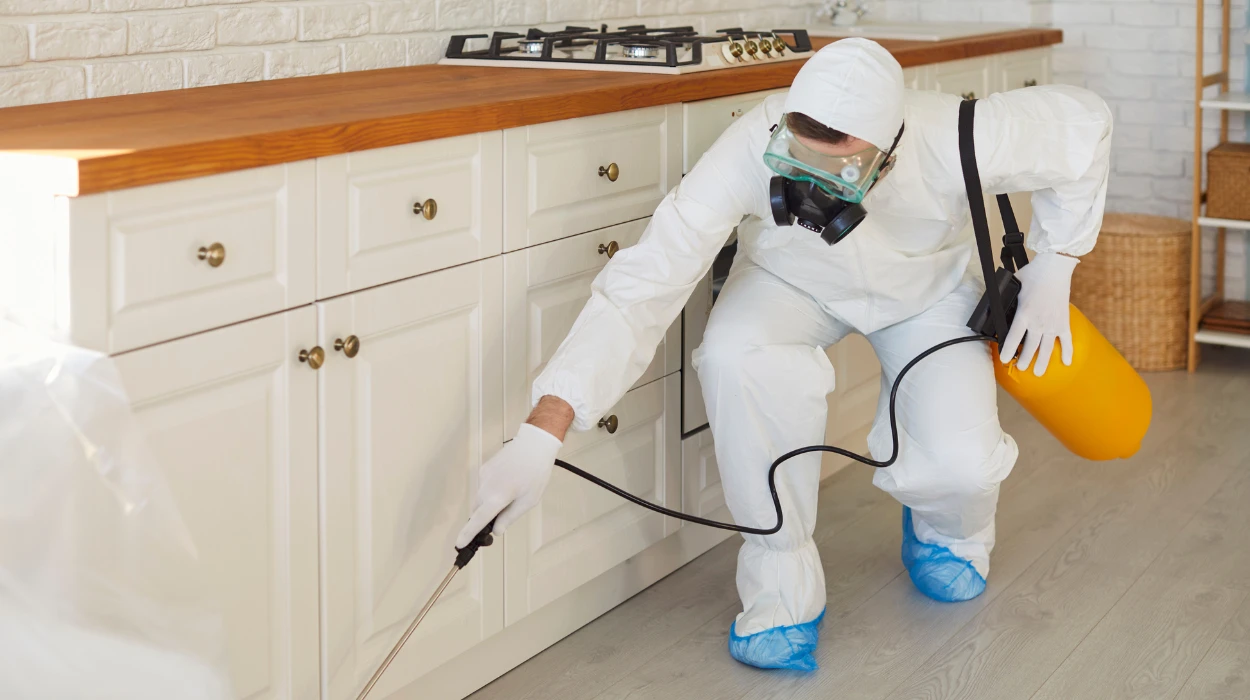
Professional antiviral sanitisation services provide targeted removal and inactivation of viruses and harmful pathogens, while regular cleaning focuses primarily on removing dirt, dust, and everyday grime. For homes and workplaces in Farnworth, antiviral sanitisation goes a step further to reduce the risk of virus transmission beyond what standard cleaning achieves.
In essence, regular cleaning physically removes contaminants, whereas antiviral sanitisation uses specialised processes to neutralise viruses and bacteria to help protect occupants in shared or high-traffic spaces.
How Germs and Viruses Spread in Homes and Workplaces in Farnworth
Germs including bacteria and viruses spread easily where people live and work. In shared environments, respiratory droplets from coughing and sneezing can land on surfaces, where viruses like influenza and coronaviruses can remain viable for hours or days on hard surfaces like counters, door handles, and touch screens.
In homes and local workplaces such as offices and retail spaces, transmission typically happens in one of three ways:
- Direct contact with an infected person or contaminated surface.
- Droplet spread when a contagious person coughs or sneezes.
- Surface transmission when someone touches a contaminated object and then touches their face.
Regular human activity in these environments—touching doorknobs, shared equipment, counters, or furniture—can inadvertently spread germs throughout a space. This is why cleaning regimens aimed at reducing pathogens are important.
What Regular Cleaning Actually Does
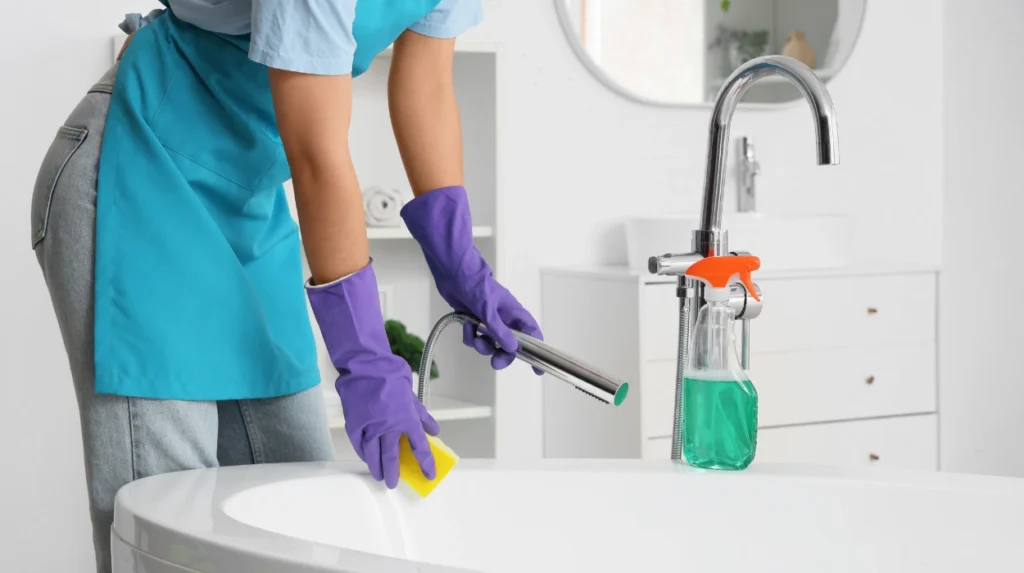
Regular cleaning, such as dusting, sweeping, mopping, and wiping surfaces with soap and water, is essential for maintaining tidy homes and commercial spaces. This form of cleaning removes visible dirt, organic material, and many surface contaminants, lowering the overall number of germs present.
In residential or workplace settings, regular cleaning will:
- Remove soil, debris, and organic material that can harbour microbes.
- Reduce dust and allergens that contribute to poor indoor air quality.
- Make spaces more pleasant and functional for daily use.
However, while routine cleaning reduces the number of germs, it does not reliably kill all viruses or pathogenic bacteria. There may still be a risk of transmission if a contagious person has recently occupied the space.
What Professional Antiviral Sanitisation Entails
Professional antiviral sanitisation is a specialised service designed to inactivate or significantly reduce viruses and other harmful microbes beyond the capabilities of regular cleaning. It is especially valuable where the risk of infection is of concern—for example, in high-traffic workplaces, shared homes, childcare spaces, and care facilities.
Antiviral sanitisation goes beyond simple cleaning by incorporating:
- EPA- or BS EN-approved disinfectants that meet standards for killing viruses and bacteria on contact.
- Targeted sanitisation of high-touch surfaces, such as door handles, light switches, shared electronics, and communal bathroom fixtures.
- Application techniques such as misting, fogging, or electrostatic sprays (when appropriate) to reach hard-to-clean nooks and crannies.
- Protocols based on public health best practices to reduce transmission risk in shared or sensitive environments.
Unlike standard cleaning, antiviral sanitisation is often recommended after potential exposure to infectious illnesses, during seasonal outbreaks, or when maintaining a “safe space’’ is a high priority for occupant health.
Pros and Cons: Regular Cleaning vs Antiviral Sanitisation
Regular Cleaning
Pros
- Essential for everyday maintenance and comfort.
- Removes visible dirt and many microbes.
- Supports general hygiene and reduces allergens.
Cons
- Does not reliably inactivate viruses.
- Can miss hidden or hard-to-reach germs in intensive use areas.
Professional Antiviral Sanitisation
Pros
- Neutralises viruses and harmful pathogens beyond surface dirt.
- Prioritises high-risk surfaces and traffic patterns.
- Helps reduce transmission in shared residential or work environments.
Cons
- Typically costs more than routine cleaning services.
- Best used as part of a comprehensive cleaning and hygiene strategy rather than a replacement for regular upkeep.
Both approaches are complementary; sanitisation services help ensure that cleaning efforts also address public health considerations where viruses are concerned.
When Antiviral Sanitisation is Recommended in Farnworth
There are particular situations or environments where professional antiviral sanitisation is especially beneficial:
- High-traffic workplaces, such as offices, retail stores, and shared facilities, where many people touch common surfaces.
- Homes with young children, elderly residents, or individuals with compromised immune systems, where reducing viral load is an important precaution.
- Seasonal illness peaks, such as flu seasons, when viral transmission risk increases.
- After a confirmed case of contagious illness, to help ensure the environment is safer for returning occupants after illness.
- Commercial spaces with strict hygiene protocols, such as care homes, clinics, and certain service industries.
In these circumstances, antiviral sanitisation delivers measurable peace of mind by addressing potential viral threats more effectively than standard cleaning alone.
How Professional Antiviral Sanitisation Actually Works
Professional antiviral sanitisation protocols involve a sequence of well-established steps:
- Initial cleaning to remove visible dirt and surface debris.
- Assessment of high-touch areas, informed by patterns of use and exposure risk.
- Application of approved antiviral disinfectants, using techniques that maximise surface coverage and dwell time (the period a disinfectant must stay wet to be effective).
- Drying and safety checks once sanitisation is complete.
These steps ensure sanitisation does not simply mask the problem but actively targets the biological agents that can make people ill. Well-trained technicians use recognised standards and products to balance efficacy with occupant safety.
Why Some Common Surface Contaminants Are Hard to Remove with Everyday Cleaning
When people in Farnworth clean their homes or workplaces with everyday products like soapy water or general cleaners, they often focus on visible grime and dust. While this kind of cleaning removes surface dirt and reduces many germs, some viruses and stubborn microbes can remain on high-touch surfaces such as door handles, light switches, desktops, and kitchen countertops. According to health guidance, merely cleaning with soap and water removes dirt and many organisms, but it doesn’t necessarily inactivate all harmful microbes that cause illnesses.
This happens because viruses and certain bacteria can cling to microscopic crevices, organic residue, or biofilm layers where regular detergents don’t reach effectively. That’s why expert sanitisation processes — like those performed during Antiviral Sanitisation Services in Farnworth — use targeted solutions and techniques explicitly designed to interact chemically with pathogens, helping reduce the risk of ongoing contamination beyond what regular cleaning achieves.
Understanding this difference helps Farnworth residents and business owners recognise when a deeper level of microbial control is needed — especially in environments where people are at higher risk of infection or where hygiene standards matter most.
How Advanced Sanitisation Complements Daily Cleaning Habits for Healthier Environments
Most people already maintain a cleaning routine at home or in their workplace, wiping surfaces, vacuuming floors, and tidying spaces on a regular basis. These practices are essential for general upkeep and help reduce visible dirt and some germs. However, when the priority is to lower the risk of illness transmission in shared spaces, additional steps can make a meaningful difference.
Professional sanitisation services take these everyday cleaning habits a step further by carefully preparing surfaces, selecting specialised germ-inactivating products, and applying them in a way that maximises contact with hidden microbes. For example, sanitisation often focuses on areas that most people touch frequently, such as switches, handles, elevator buttons, counter edges, and communal equipment — infection pathways that regular cleaning might miss or only partially address.
By combining routine cleaning with professional sanitisation periodically, Farnworth households and workplaces can maintain a baseline of cleanliness while also substantially lowering the concentration of viruses and harmful microbes. This dual approach is especially valuable during peak illness seasons or when a property may have been exposed to contagious conditions.
Practical Benefits for Farnworth Households and Businesses
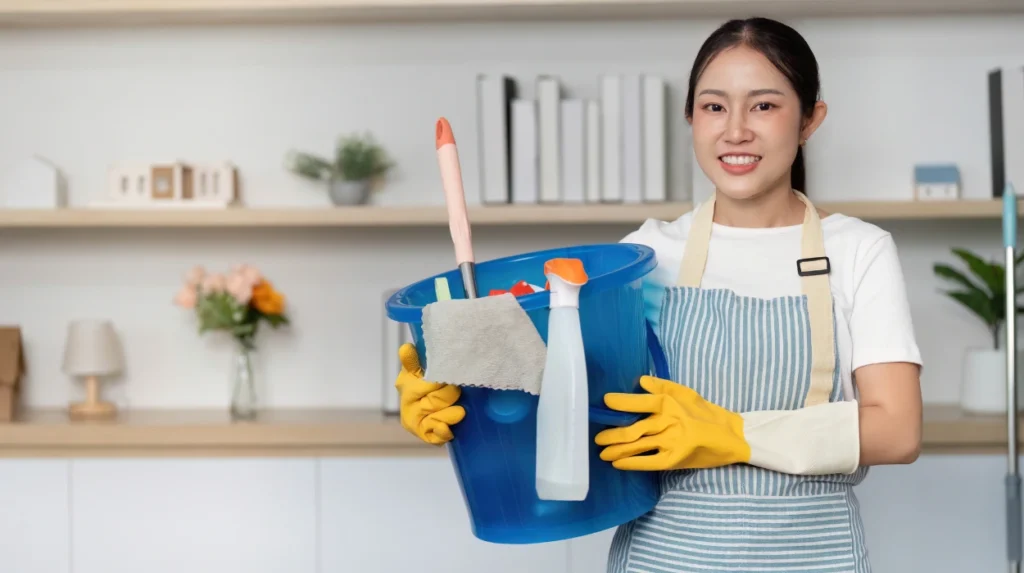
For residents and business owners in Farnworth, the choice between regular cleaning and professional antiviral sanitisation should depend on the specific health and hygiene goals of the space:
- Everyday living and routine office care can benefit from regular cleaning to maintain a pleasant, tidy environment.
- When health protection is a priority—for example during an outbreak, in shared spaces, or where vulnerability is a concern—professional antiviral sanitisation can add an extra layer of defence.
This doesn’t replace daily cleaning, but it augments it by focusing specifically on viruses and hard-to-reach contaminants.
Bee Cleaning Services Manchester: Keeping Farnworth Spaces Healthier
Bee Cleaning Services Manchester offers expert Antiviral Sanitisation Services in Farnworth designed to reduce the presence of viruses and harmful microbes in homes and workplaces. As part of a comprehensive hygiene strategy, these services support safer environments where occupants can live and work with greater confidence.
Whether you are maintaining a regular office routine or seeking specialised sanitisation after potential exposure to illness, professional services such as those from Bee Cleaning Services Manchester help bridge the gap between everyday cleaning and advanced pathogen control.