
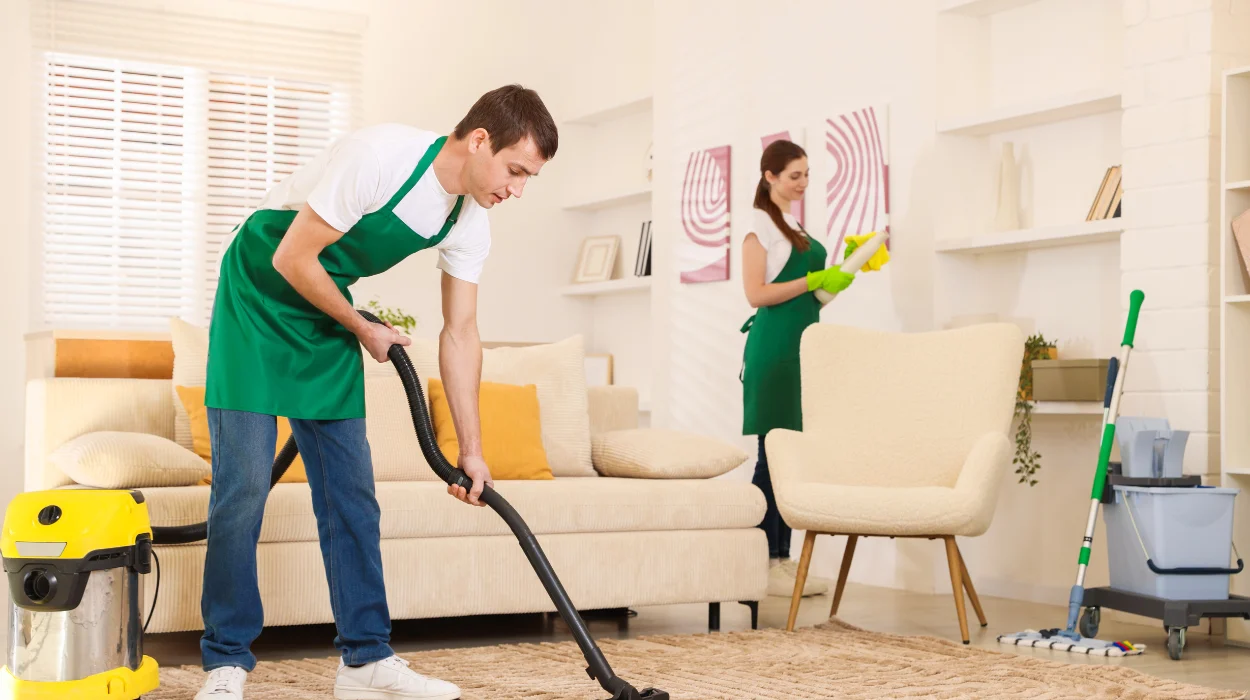
Professional disinfection completely eradicates invisible pathogens using industrial grade chemicals and specialized processes. DIY cleaning simply removes visible dirt and grime from surfaces without actually destroying the harmful microscopic bacteria left behind. When people ask about Professional Disinfection vs DIY Cleaning: What’s the Difference? they are ultimately looking for the safest way to maintain their environments. Understanding these fundamental variations helps property managers and business owners maintain truly safe spaces for their staff. Choosing the appropriate method depends entirely on the level of hygiene required for the specific facility.
The Hidden Limitations of Standard Surface Wiping
Basic maintenance practices often create a false sense of security for people inhabiting a commercial space. A standard household spray might make a countertop smell fresh but it completely fails to break down the cellular walls of resilient viruses. People often rely on outdated techniques that merely spread microscopic contaminants from one workstation to another without neutralizing them. This cross contamination occurs because standard tools lack the necessary properties to trap dangerous biological matter effectively. Real hygiene requires a much deeper understanding of how microorganisms survive and multiply on various materials.
How Specialised cleaning-equipment Changes the Outcome
The introduction of advanced cleaning-equipment fundamentally shifts the effectiveness of any daily sanitation procedure. Hospital grade electrostatic sprayers ensure that chemical solutions wrap entirely around curved surfaces and hidden structural corners. Bee Cleaning Services Manchester deploys this specific technology to guarantee that active ingredients remain on the surface for the exact dwell time required. Attempting to replicate this thorough coverage with basic cloths and manual spray bottles is scientifically impossible for everyday workers. Investing in the right technology ensures that every single square inch of a room receives precise chemical treatment.
Addressing Contamination Risks in the Workplace
Many facility managers accidentally compromise their environment by misunderstanding basic chemical application and dilution guidelines. Mixing different retail products can create toxic fumes without actually increasing the germ killing power of the liquid solution. Another frequent error involves wiping away disinfectants immediately after spraying them on a busy desk or common door handle. Learning about common sanitisation mistakes in the workplace protects both employees and visitors from unnecessary exposure to harsh chemical residues. Products require specific undisturbed dwell times to work effectively against strong viral strains and bacterial colonies.
Why Advanced Biological Control Procedures Matter
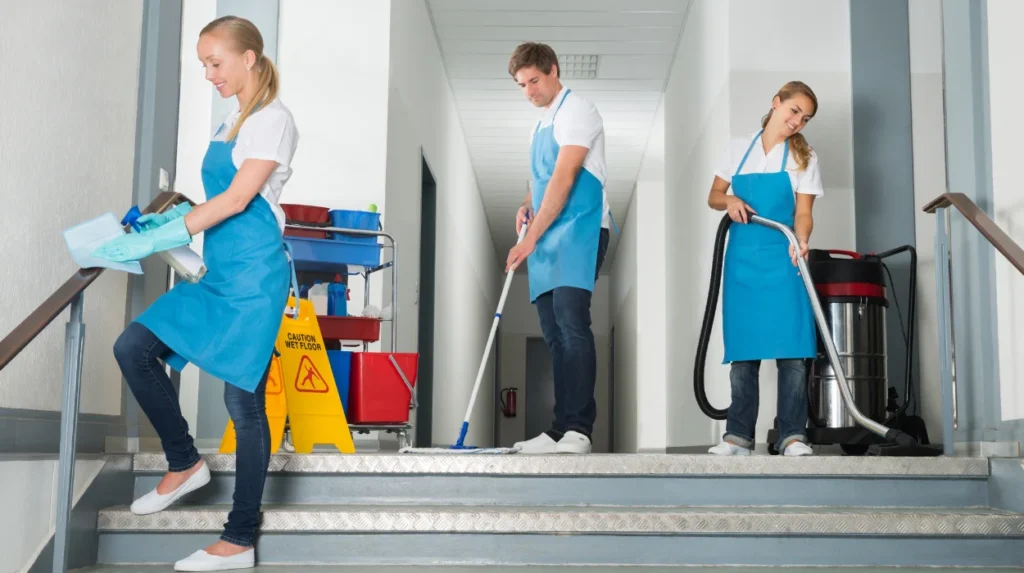
Handling outbreaks of contagious illnesses requires a systematic scientific approach rather than basic reactive scrubbing. Utilizing expert antiviral sanitisation procedures ensures that highly trained technicians follow strict health and safety protocols during the entire process. These specialists understand the exact chemical concentrations needed to target specific seasonal viruses and stubborn bacterial threats lingering indoors. They utilize proper personal protective gear to prevent further spread while systematically treating the highly contaminated commercial zones. This methodical execution guarantees that a compromised facility returns to a completely safe operational status rapidly.
The Science Behind Pathogen Eradication Methods
True pathogen eradication relies on breaking the chain of infection through proven and tested chemical interventions. Disinfectants must be selected based on their specific efficacy against targeted organic matter found actively growing in the building. Professional technicians evaluate the porosity of every surface before deciding which liquid or aerosol product to apply safely. This meticulous evaluation prevents damage to sensitive materials while ensuring maximum destruction of dangerous biological contaminants. A scientific approach guarantees that the facility is not just visually appealing but microscopically safe for everyday human occupation.
When to Call Dedicated Health and Hygiene Specialists
Certain situations demand an immediate escalation from daily janitorial maintenance to aggressive biological control. Whenever a confirmed case of a contagious illness occurs within a commercial property swift and decisive action becomes absolutely mandatory. Relying on local antiviral sanitisation specialists provides peace of mind because they respond with the exact tools required for the emergency. These dedicated teams bring industrial strength solutions that are simply not available for public purchase at standard retail stores. Their rapid intervention completely resets the hygiene baseline of the building to protect all future occupants.
Integrating Advanced Hygiene into Daily Routines
Maintaining a healthy environment requires a carefully balanced combination of daily maintenance and periodic deep treatments. While basic wiping handles the visual aesthetics of a room it must be supported by rigorous biological control schedules. Facility managers should document every single treatment to ensure compliance with modern occupational health regulations and safety standards. This detailed record keeping helps identify high traffic areas that might require more frequent attention from professional teams. Consistent application of these combined strategies creates a reliable shield against unexpected bacterial or viral outbreaks.
Understanding the Cost Dynamics of Proper Hygiene
Allocating resources for advanced hygiene strategies ultimately protects businesses from the massive financial losses associated with forced closures. When employees fall ill due to poor environmental controls productivity drops and operational delays increase significantly across the board. Exploring Professional Disinfection vs DIY Cleaning: What’s the Difference? reveals that preventative treatments cost far less than managing a widespread illness outbreak. A clean building reduces liability risks and demonstrates a clear commitment to the wellbeing of every person working inside. Strategic investments in environmental health yield continuous returns through improved attendance rates.
Partnering with Specialized Hygiene Professionals
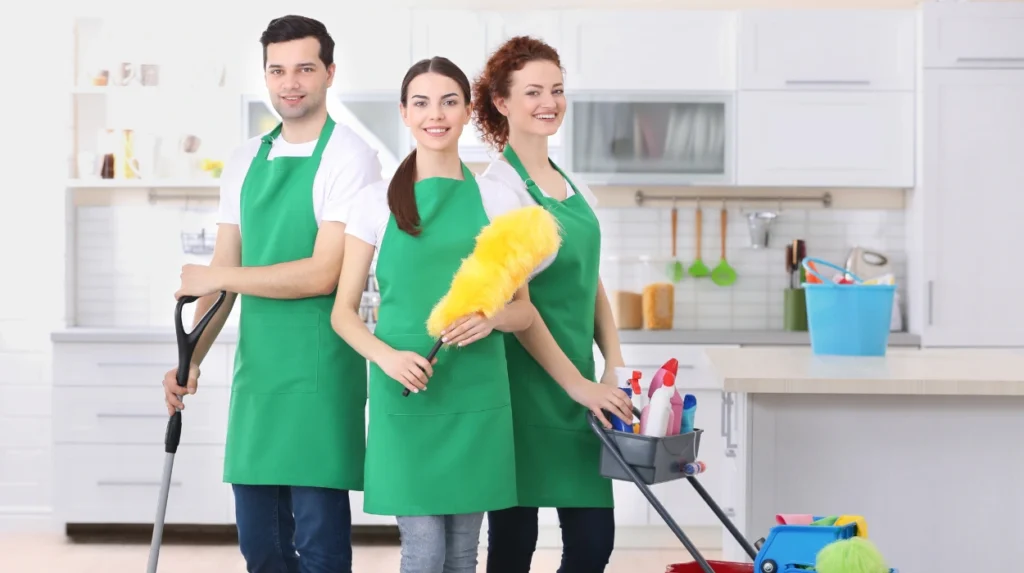
Establishing a relationship with a reliable hygiene partner transforms how a commercial facility operates throughout the entire year. Bee Cleaning Services Manchester utilizes industry leading techniques to ensure that every surface remains entirely free of dangerous contaminants. By offering comprehensive Antiviral Sanitisation Services in Oldham they provide essential ongoing support to local businesses facing modern health challenges. Their rigorous protocols and advanced technology eliminate the guesswork associated with standard janitorial duties and basic indoor upkeep. Trusting professional teams guarantees a scientifically validated approach to maintaining a thoroughly protected commercial environment.
Securing Long Term Health and Safety Outcomes
Achieving a permanently safe workspace means recognizing the severe limitations of standard retail cleaning supplies. Antiviral Sanitisation Services in Oldham deliver the precise chemical interventions necessary to stop the spread of dangerous local pathogens. Facility owners must prioritize the health of their occupants by moving beyond superficial aesthetics and focusing on microscopic cleanliness. Returning to the core question of Professional Disinfection vs DIY Cleaning: What’s the Difference? the answer clearly lies in guaranteed molecular eradication. Bee Cleaning Services Manchester remains dedicated to providing these essential, high level hygiene solutions for the community.
5 FAQs About Professional Disinfection
Is standard bleach enough to disinfect my commercial office space?
Using standard household bleach only provides temporary surface level relief against common everyday bacteria and mild indoor germs. Without the correct dilution ratios and professional application techniques bleach fails to penetrate porous office materials effectively.
Why do professional cleaners use electrostatic spraying devices?
Electrostatic sprayers add a positive electrical charge to the liquid disinfectant as it passes through the specialized nozzle. This charge causes the chemical droplets to actively seek out and cling firmly to neutral or negatively charged surfaces.
Can DIY cleaning methods actually spread more bacteria around?
Basic manual cleaning often relies on reused cloths and standard mops that collect bacteria rather than destroying it. When a worker moves from a contaminated area to a clean desk using the same cloth the germs transfer easily.
How long does a professional antiviral sanitisation treatment last?
A professional deep sanitisation completely resets the hygiene baseline of your facility by eliminating all current living pathogens. However the environment can become recontaminated as soon as an infected person enters the building and touches a surface.
Do I need to close my business during a deep disinfection?
Most professional disinfection treatments are scheduled outside of regular operational hours to minimize disruption to your daily workflow. The specialized chemicals used require a specific dwell time to work effectively and must dry completely before human contact.