

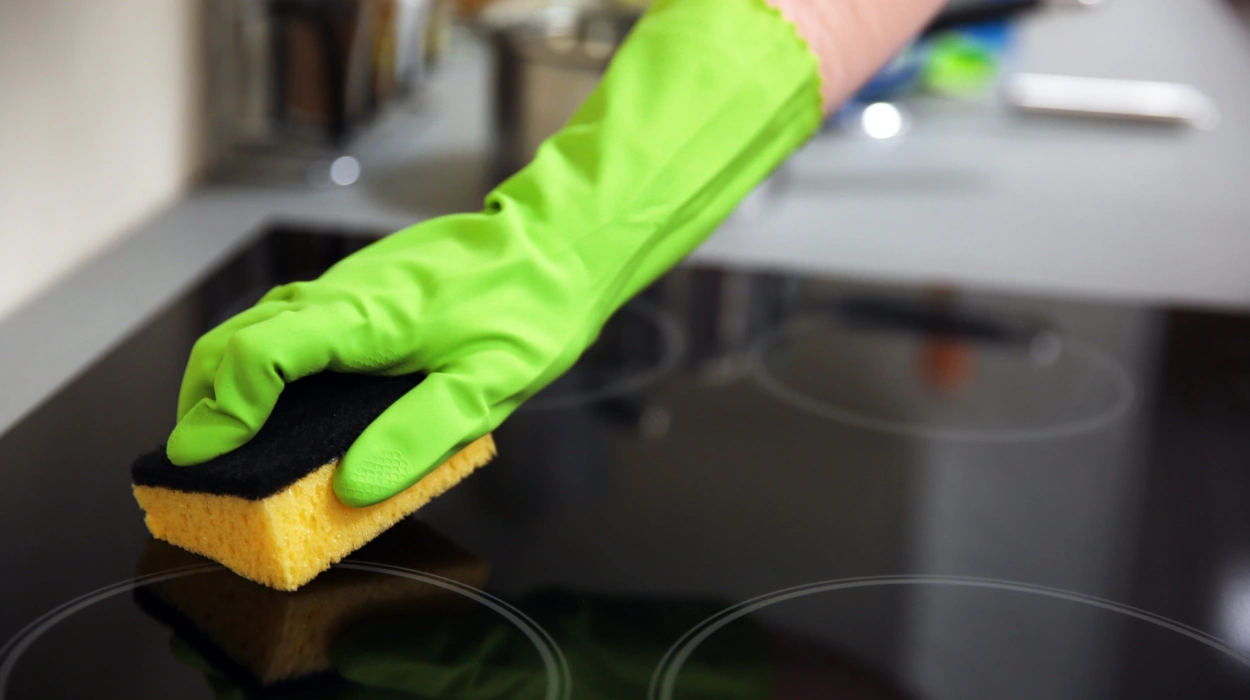
Professional oven cleaning is usually worth the cost when your oven has heavy grease, burnt residue, or odours. DIY methods are cheaper upfront but often require more time, effort, and still deliver limited results. For homeowners comparing options, the real decision depends on cleaning depth, time investment, safety, and long-term appliance care.
Real Difference Between DIY and Professional Oven Cleaning
Cleaning an oven may seem like a straightforward household task, but the reality is more complex when grease and carbon buildup accumulate over time. DIY cleaning typically involves store-bought sprays, baking soda solutions, and manual scrubbing, which can handle light dirt but struggle with deeper contamination. Many household products are designed to be safe rather than powerful, limiting their ability to remove stubborn residue effectively.
Professional oven cleaning, on the other hand, uses specialised tools, dip tanks, and high-grade solutions to clean every internal component. Technicians often dismantle removable parts such as racks and panels to access hidden grease buildup that standard cleaning cannot reach. This results in a more hygienic and complete clean that restores the oven’s performance.
For property owners in Farnworth, understanding this difference helps determine when basic maintenance is enough and when expert intervention is required.
The True Cost Comparison: DIY vs Professional Services
At first glance, DIY oven cleaning appears to be the cheaper option. You may only spend a small amount on cleaning supplies such as degreasers, gloves, and scrubbing tools. However, the hidden cost lies in the time and effort required. A thorough DIY oven clean can take anywhere from two to six hours depending on the level of grime.
Professional oven cleaning services, in contrast, involve a fixed upfront cost. In the UK market, a single oven clean typically ranges between £45 and £90 depending on size and condition.
While this may seem higher initially, it includes labour, specialist equipment, and effective cleaning agents. When you factor in the time saved and superior results, many homeowners find the cost justified. This is especially relevant for those using Oven Cleaning Services in Farnworth for regular maintenance.
Time, Effort, and Convenience Factors
One of the biggest differences between DIY and professional cleaning is the level of effort involved. DIY cleaning requires physical scrubbing, exposure to strong chemical fumes, and significant preparation time. It is often described as one of the most unpleasant household chores due to the grease and burnt residue involved.
Professional services eliminate this burden entirely. Most trained cleaners can complete a full oven clean within one to two hours, including dismantling and reassembling components.
This efficiency is particularly valuable for busy households or working professionals who prefer to outsource time-consuming tasks. Choosing a trusted provider like Bee Cleaning Services Manchester allows homeowners to maintain cleanliness without disrupting their schedule.
Cleaning Quality and Depth of Results
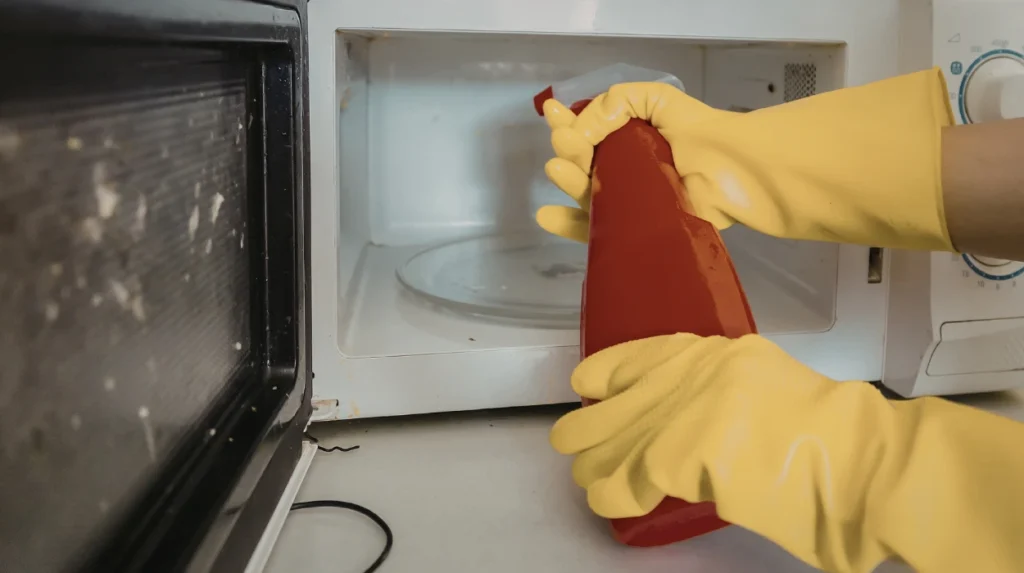
The quality of cleaning is where the most noticeable difference lies. DIY methods are effective for surface-level cleaning, such as wiping spills or removing light grease. However, they rarely reach internal components like fan areas, door seals, and inner glass panels.
Professional oven cleaning delivers a deep and consistent result. Using heated dip tanks and specialised solutions, technicians can dissolve carbon deposits and restore surfaces to near-original condition. This process not only improves appearance but also eliminates lingering odours caused by burnt grease.
For landlords, tenants, or homeowners preparing for inspections, this level of cleaning is often necessary to meet hygiene standards.
Safety Considerations and Chemical Use
Safety is another important factor when comparing these two approaches. Many DIY oven cleaners contain harsh chemicals that can irritate the skin, eyes, and respiratory system if not handled properly. Poor ventilation during cleaning can make the process uncomfortable and potentially harmful.
Professional cleaners are trained to use safe, controlled methods and often rely on eco-friendly, non-toxic solutions. These products are designed to be effective without leaving harmful residues that could affect food safety.
For households with children or pets, this added level of safety can be a significant advantage.
Impact on Oven Performance and Lifespan
A clean oven is not just about appearance. Built-up grease and food residue can affect heating efficiency, leading to uneven cooking and increased energy consumption. Over time, this can strain internal components and reduce the lifespan of the appliance.
Professional cleaning removes these obstructions, helping the oven operate more efficiently and consistently. Regular maintenance can prevent long-term damage and reduce the need for costly repairs or replacements.
This makes professional services a practical investment rather than just an optional expense, particularly for households that use their ovens frequently.
When DIY Cleaning Is Still a Practical Option
Despite its limitations, DIY oven cleaning does have its place. For minor spills, light grease, or regular upkeep, simple methods such as baking soda and vinegar solutions can be effective. These approaches are affordable and convenient for quick maintenance between deeper cleans.
Homeowners who clean their ovens regularly may find that DIY methods are sufficient to keep buildup under control. However, once grease becomes heavily carbonised or begins to produce smoke and odours, DIY solutions are unlikely to achieve satisfactory results.
In such cases, switching to a professional service becomes the more efficient and effective choice.
When Professional Oven Cleaning Becomes Worth It
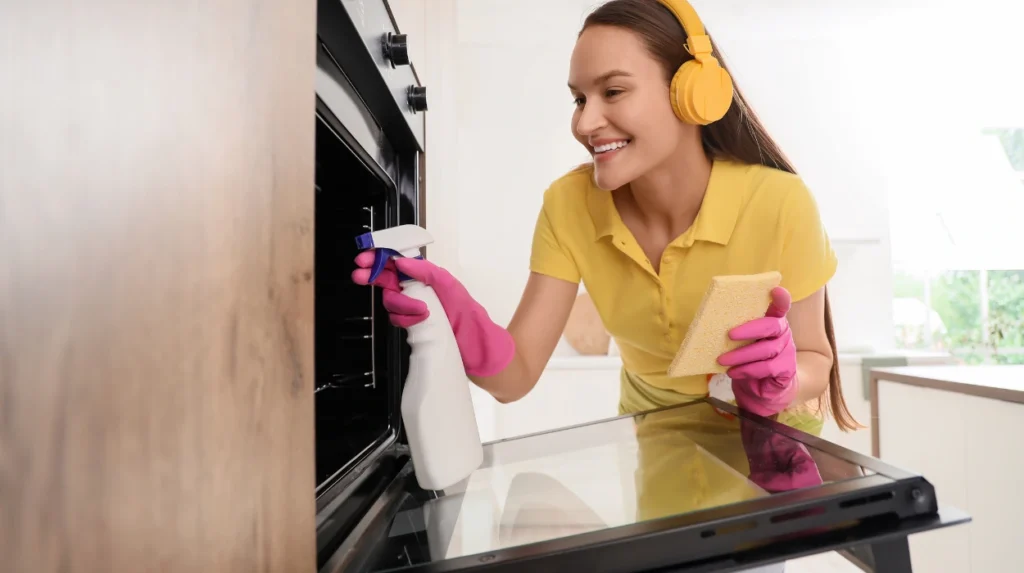
There are specific situations where professional oven cleaning clearly provides better value. If your oven has not been cleaned for several months, shows signs of heavy grease buildup, or emits unpleasant smells during use, professional intervention is recommended.
It is also beneficial during end-of-tenancy cleaning, before property inspections, or when preparing a home for sale. A professionally cleaned oven improves hygiene and presentation, which can influence overall property standards.
For residents seeking Oven Cleaning Services in Farnworth, companies like Bee Cleaning Services Manchester offer solutions designed to address these more demanding cleaning needs efficiently.
Choosing the Right Approach for Your Home
Deciding between DIY and professional oven cleaning ultimately depends on your priorities. If cost minimisation is your primary concern and the oven is only lightly soiled, DIY methods may be sufficient. However, if you value time, convenience, and high-quality results, professional cleaning offers clear advantages.
It is also worth considering how often you use your oven. Frequent cooking leads to faster grease buildup, making periodic professional cleaning more practical. Many households adopt a hybrid approach, using DIY cleaning for maintenance and professional services for deep cleaning once or twice a year.
Professional oven cleaning is worth the cost when you consider the depth of cleaning, time savings, safety, and long-term benefits for your appliance. While DIY methods can handle basic maintenance, they often fall short when dealing with heavy grease and hidden buildup.
For homeowners in Farnworth, combining regular upkeep with occasional expert cleaning is the most effective way to maintain a clean, efficient, and long-lasting oven. Bee Cleaning Services Manchester provides practical cleaning solutions that align with these needs, ensuring ovens remain hygienic and fully functional without unnecessary effort.
Is it worth getting a self-cleaning oven?
Self-cleaning ovens can save time by burning residue into ash, but they use very high heat and may strain components over time. They are convenient for maintenance but may not replace deep professional cleaning.
Can I use oven cleaner on my smeg oven?
It depends on the model, but many Smeg ovens (especially self-cleaning ones) should not be used with standard oven cleaners. Strong chemicals can damage internal coatings or void warranties, so always check the manufacturer’s guidance first.
What are the common oven cleaner mistakes?
Common mistakes include using harsh chemicals, cleaning a hot oven, and scrubbing with abrasive tools that damage surfaces. Not rinsing properly can also leave residues that cause smoke and odours later.
What is the least toxic oven cleaner that works?
Natural options like baking soda and vinegar are among the least toxic and can effectively remove light grease. They are safer but usually require more time and scrubbing compared to commercial cleaners.
What happens when you put a bowl of vinegar in the oven?
Vinegar helps loosen grease due to its acidity, but heating it in the oven can release irritating fumes. It should only be used in a cool, well-ventilated oven for safe cleaning.