

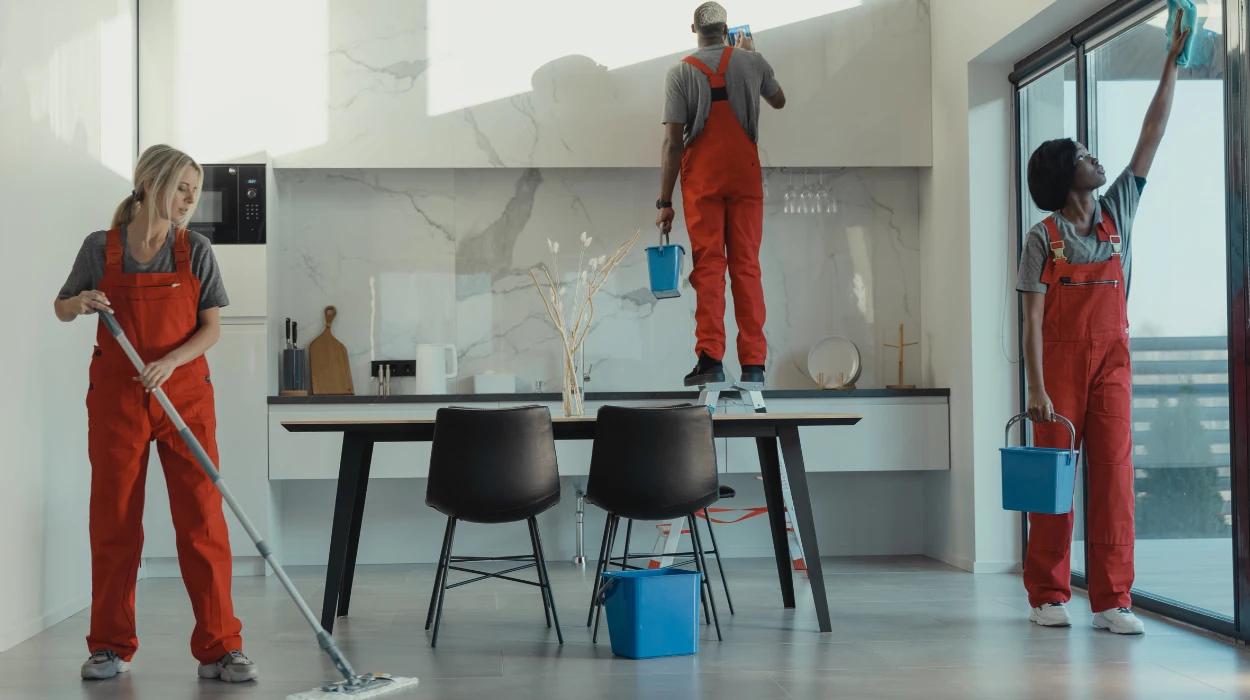
Hiring a post-construction cleaning company requires more than comparing prices. The right questions help ensure the cleaners have the experience, equipment, and safety knowledge needed for construction environments.
Post-construction cleaning removes dust, debris, and residue left after building or renovation work so a property becomes safe, hygienic, and ready for use.
Why Post-Construction Cleaning Requires a Specialist Approach
Construction and renovation projects leave behind far more than ordinary dirt. Dust from plastering, sanding, drilling, and installation spreads through every part of the property, including vents, fixtures, and window tracks. Without professional cleaning, these particles can remain in the air and on surfaces long after the work is finished.
Professional cleaning teams understand how construction materials behave and how residues should be removed without damaging newly installed surfaces. Paint splashes, adhesive marks, and cement residue require different cleaning techniques than standard office or residential cleaning. Using the wrong tools can scratch glass, damage flooring, or leave marks on fresh paintwork.
In towns like Farnworth in Greater Manchester, where both residential renovations and commercial refurbishments are common, builders frequently rely on specialised cleaners to prepare spaces for handover.
Companies such as Bee Cleaning Services Manchester focus on structured processes designed specifically for building environments. Construction cleaning services typically include debris removal, deep dust extraction, window cleaning, and sanitation of kitchens and bathrooms to make a property ready for occupancy.
Before hiring a provider, asking the right questions helps ensure the service matches the scope of the construction project. The following sections explain the key areas clients should explore before choosing a cleaning partner.
What Experience Do You Have With Construction Cleaning Projects?
Not every cleaning company specialises in post-construction work. Standard domestic or office cleaners may not have the training or equipment required to deal with construction dust, adhesives, or building debris.
A professional company should have experience working in environments such as new builds, office refurbishments, retail fit-outs, or property renovations. These projects often involve tight schedules, coordination with contractors, and compliance with site safety requirements.
Experienced teams understand that construction cleaning usually happens in stages. The first stage focuses on removing large debris and waste materials, while later stages address fine dust and detailed polishing. This staged approach ensures that surfaces are properly prepared and protected before the property is handed over to occupants.
Asking about previous projects helps determine whether the company has handled sites similar in size and complexity to yours. It also reveals whether the team understands how construction environments differ from routine cleaning tasks.
For property managers or contractors in Farnworth, working with an experienced provider such as Bee Cleaning Services Manchester ensures that the cleaning process aligns with the final stages of construction and inspection requirements.
What Is Included in Your Construction Cleaning Services?
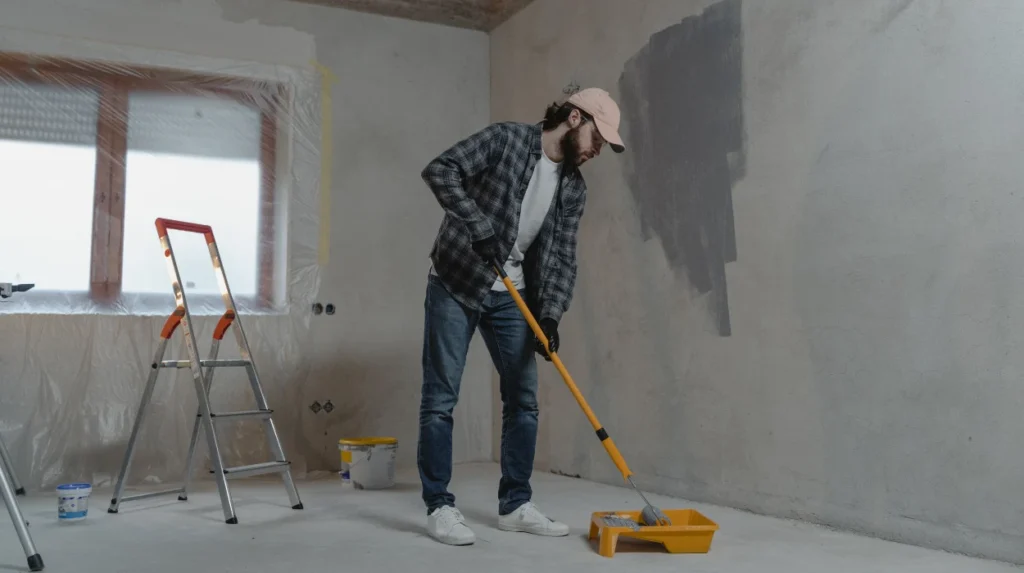
The scope of construction cleaning can vary significantly between providers, which is why it is important to clarify exactly what tasks are included.
A typical service covers removal of construction dust, cleaning of windows and glass, vacuuming and mopping floors, and wiping down walls, fixtures, and fittings. Kitchens and bathrooms are sanitised, while surfaces such as worktops, tiles, and doors are polished to remove building residue.
In addition to visible cleaning, professional teams also address hidden dust that collects in vents, skirting boards, and high surfaces. Construction dust often spreads through ventilation systems and lighting fixtures, which means these areas must also be carefully cleaned.
Understanding the service scope prevents misunderstandings and ensures the site will be ready for use once the cleaning is complete. For example, some companies include window polishing and appliance cleaning, while others may treat these as additional services.
If you want a deeper explanation of the cleaning stages involved, explore this guide on post-construction cleaning processes and tasks.
Clarifying the full service list ensures the cleaning team can deliver the final finish expected after construction work.
Do You Follow a Structured Post-Construction Cleaning Process?
Professional construction cleaning is usually carried out in several stages to ensure every surface is addressed properly. This methodical approach prevents dust from reappearing and allows cleaners to inspect surfaces in detail.
The first stage often focuses on removing debris and large waste materials left by contractors. Items such as packaging, nails, wood scraps, and leftover building materials must be safely collected and disposed of before detailed cleaning begins.
The second stage typically involves deep cleaning of surfaces, including walls, doors, floors, and windows. Dust extraction, vacuuming, and wiping of surfaces ensure that fine particles created during construction are removed from the building.
The final stage is often referred to as a “sparkle clean”. During this phase, cleaners polish glass, sanitise kitchens and bathrooms, and perform a final inspection to ensure the property is ready for handover.
A structured process helps maintain quality and consistency across projects. Companies providing Construction Cleaning Services in Farnworth should be able to explain how their cleaning stages align with the construction timeline.
What Equipment and Cleaning Methods Do You Use?
Construction cleaning requires specialised equipment that goes beyond standard household cleaning tools. Industrial vacuums, scrubber-dryers, and pressure cleaning systems are often used to remove stubborn dust and residues left during building work.
These tools are designed to extract fine particles from floors, vents, and hard-to-reach areas where construction dust tends to accumulate. Without this equipment, dust may remain embedded in carpets, corners, or ventilation systems.
Professional cleaners also use specific cleaning solutions suitable for newly installed materials. For example, delicate surfaces such as stainless steel fixtures, glass panels, or polished floors require gentle yet effective cleaning products.
When speaking with a cleaning provider, asking about equipment helps confirm whether they are prepared for the scale of the project. A professional company should also follow safety procedures when using chemicals or high-powered machinery on a construction site.
Are Your Staff Trained for Construction Site Safety?
Construction sites can present hazards that are not present in ordinary buildings. Sharp objects, leftover debris, exposed wiring, or unstable surfaces may still exist when cleaning begins.
Professional cleaners working in these environments must understand site safety procedures and be able to work alongside contractors or project managers. Training may include safe waste handling, protective equipment use, and awareness of potential hazards on building sites.
Safety awareness is particularly important when dealing with construction debris such as nails, metal fragments, or broken materials. Removing these items properly prevents accidents and ensures the building becomes safe for occupants.
Clients should also ask whether cleaners carry appropriate insurance and follow safety documentation such as risk assessments. These details demonstrate that the company takes construction site work seriously and follows industry standards.
Can You Work Around Construction Schedules and Deadlines?
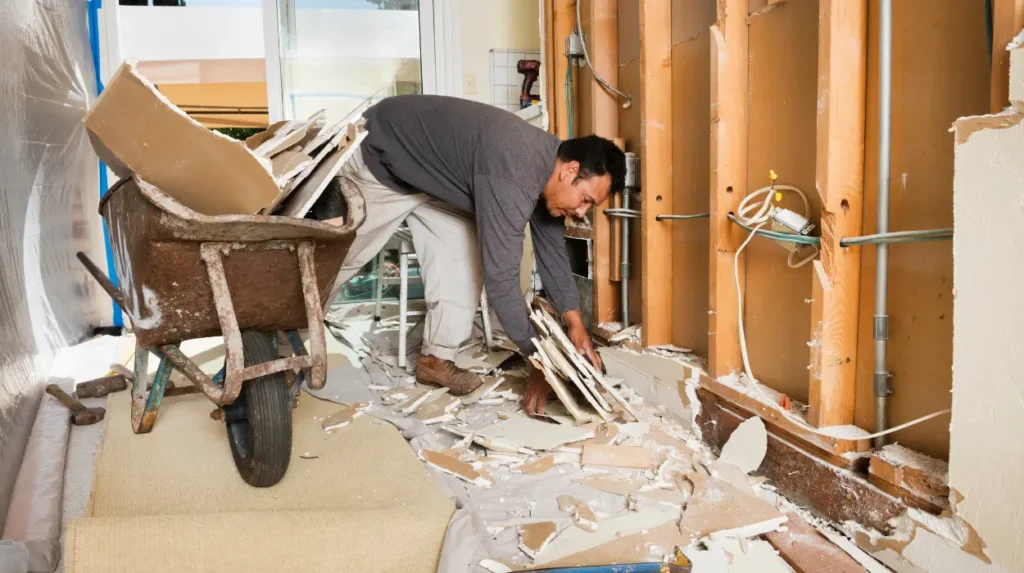
Construction projects often run on tight timelines. Cleaning services must therefore coordinate with builders, contractors, and project managers to ensure the property is ready for inspection or occupancy on time.
A professional cleaning provider should be able to adapt to the construction schedule. This may involve working during evenings, weekends, or specific phases of the project when other trades have finished their tasks.
Flexibility is important because dust can continue to settle even after cleaning is completed. Some projects require a final touch-up clean shortly before handover to ensure the building remains spotless.
Companies experienced in Construction Cleaning Services in Farnworth understand how to schedule cleaning stages so that they do not interfere with finishing work or inspections. This coordination helps ensure the building is ready for clients, tenants, or staff as planned.
How Do You Ensure Quality and Final Inspection?
Quality control is one of the most important aspects of post-construction cleaning. Even small traces of dust or residue can affect the final appearance of a newly built property.
Professional cleaning companies usually follow detailed checklists during the cleaning process. These checklists ensure that every area of the building is inspected, including floors, windows, fixtures, and hidden surfaces.
The final inspection stage often includes polishing glass, wiping down fixtures, and performing a full walkthrough to confirm that no dust or marks remain. This step ensures the property meets presentation standards before it is handed over to occupants.
If you are comparing cleaning providers, reviewing their quality assurance process can help you choose a company that prioritises thorough results rather than simply completing tasks quickly.
For guidance on comparing professional cleaning providers and evaluating quotes, read this article about how to evaluate commercial cleaning service quotes effectively.
Post-construction cleaning plays a crucial role in transforming a building site into a clean, safe, and ready-to-use environment. Construction work produces dust, debris, and residue that require specialised tools and structured cleaning processes to remove effectively.
By asking the right questions about experience, cleaning methods, safety procedures, and service scope, property owners and contractors can choose a company capable of handling the unique challenges of construction environments. These discussions also help clarify expectations and ensure the cleaning process aligns with project timelines.
Professional providers such as Bee Cleaning Services Manchester deliver structured Construction Cleaning Services in Farnworth that address debris removal, detailed surface cleaning, and final inspection requirements. With the right approach and expertise, post-construction cleaning ensures newly built or renovated spaces are hygienic, presentable, and ready for immediate use.
What to check before hiring a cleaner?
Before hiring a cleaner, check their experience with post-construction cleaning, insurance coverage, certifications, and customer reviews. It’s also important to confirm the services included in the quote and whether they use professional-grade equipment and safe cleaning products.
What is the 3-minute rule in cleaning?
The 3-minute rule in cleaning suggests that if a task takes three minutes or less—such as wiping a surface or picking up debris—it should be done immediately. This habit helps prevent mess from building up and keeps spaces consistently tidy.
What are the 5 categories of cleaning?
The five main categories of cleaning are routine cleaning, deep cleaning, sanitizing, disinfecting, and specialized cleaning. In post-construction environments, these categories help ensure dust, debris, and harmful particles are fully removed.
What is R1, R2, R3, R4, R5 in housekeeping?
R1–R5 refers to a professional housekeeping chemical classification system. R1 is for bathroom cleaning, R2 for surface cleaning, R3 for glass cleaning, R4 for furniture polish, and R5 for floor cleaning solutions.
What are the daily duties of a cleaner?
Daily duties of a cleaner typically include sweeping, vacuuming, dusting surfaces, sanitizing high-touch areas, emptying bins, and mopping floors. In post-construction cleaning, tasks may also involve removing dust from fixtures, vents, and newly installed surfaces.