

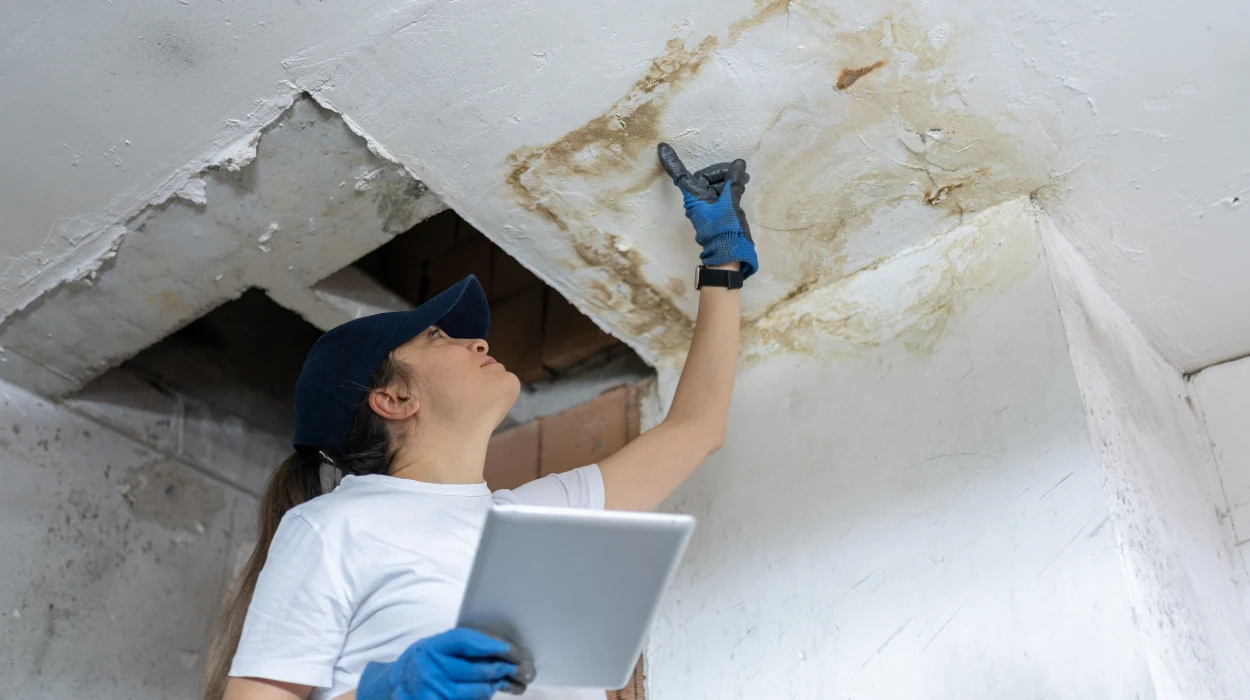
Storm damage is not necessarily dramatic and obvious. It seldom makes itself felt by smashing windows and broken tiles. It instead sneaks in with no noise once the strong winds and rains have ended. In Greater Manchester, the owners of various buildings find their buildings dull and streaked or uneven some weeks after. Rain carries pollution. It is pressed into walls by the wind. Gradually, surfaces that would have appeared clean start growing old beyond what they should.
This natural process of decomposing is usually misinterpreted, overlooked, or confused with the overall wear and tear. Storm damage is, however, a significant factor in the duration of a real facade.
How Storms Leave More Than Visible Damage
Storms have much more severe effects on buildings than loose gutters or scattered debris. Greater Manchester, the high winds blow the rain laterally, thus pushing the dirty water against the wall. These waters have fine particles of roads, rooftops, and industrial regions. When it falls on brick, stone or render, it does not merely run off. It seeps in.
One year, a neighbour had said to me after one too wet winter that their wall was tired,d but he did not know why. There were no cracks or apparent breaks. What was to happen was gradual. The moisture in the storm had scoured filthy down into the surface. After drying, they remained as those particles, attached to the wall.
The layer of storm damage dirt. Every weather phenomenon contributes to a certain extent. With time, the facade is darker and more irregular. This becomes slow, hence this is the reason why this process is usually not noticed until it becomes established.
Why Greater Manchester Facades Are Especially at Risk
Greater Manchester presents special problems in regard tothe construction exterior. Traffic jams, small streets, and building materials of earlier construction are all contributors. Several households and commercial centers are using porous brick or sandstone. These materials are breathable, hence useful in dry season, but dangerous when a storm lasts longer.
The urban pollution blows rainwater against walls. It wallows up out of pavements and parked cars. The funnels of wind blow in between streets, and the moisture penetrates corners or recesses that hardly dry up. These wet places are ideal breeding grounds for dirt.
Older buildings suffer more. They have softer and more absorbent mortar joints. The filthy damage of storms rests first upon these feeble points. Eventually, it may result in discolouration spreading away so that the walls appear patchy and not well taken care of in a structurally sound condition.
The Grime You Don’t See at Once
Storm damage is one of the most irritating facts because it takes a long time to arrive. A storm may leave a building looking good on the spot. Days pass. Weeks pass. Then subtle changes begin.
Dark streaks are seen under the sills of windows. Lighter bricks turn uneven. Darker areas remain wet for a longer period of time. This is an indication of water that is covered by surface dirt. When it becomes trapped, the grime is subjected to air and temperature variations. It hardens.
I have witnessed properties whose owners believed that the issue was old age. In real life, the process had been hastened by storms in recent times. The veneer was retaining water under a fine coating of pollution and organic vegetation. Simple rinsing did not work anymore by the time the problem was detected. This is the delayed response that makes storm damage grim such an invisible issue throughout Greater Manchester.
When Storm Grime Stops Being Just a Visual Issue
Initially, the effects of storm damage are cosmetic. The structure is still in use. The walls still stand. But water seldom long remains dry.
Freeze-thaw cycles start to occur as wet areas continue to occur. When ice forms, water will expand and create small cracks on the bricks and stone. Such cracks attract dirt during the succeeding storm. Mortar weakens as time goes on and peels off. It is not sudden damage. It is slow and cumulative. Each event of the weather makes the facade weaker. When unattended, what had begun as staining may result in an expensive repair.
The managers of the property always complain that they should have done it before. After the development of structural symptoms, cleaning does not suffice. Handling storm damage grimly is easy to ensure look and future integrity.
Why DIY Cleaning Can Make Storm Damage Worse
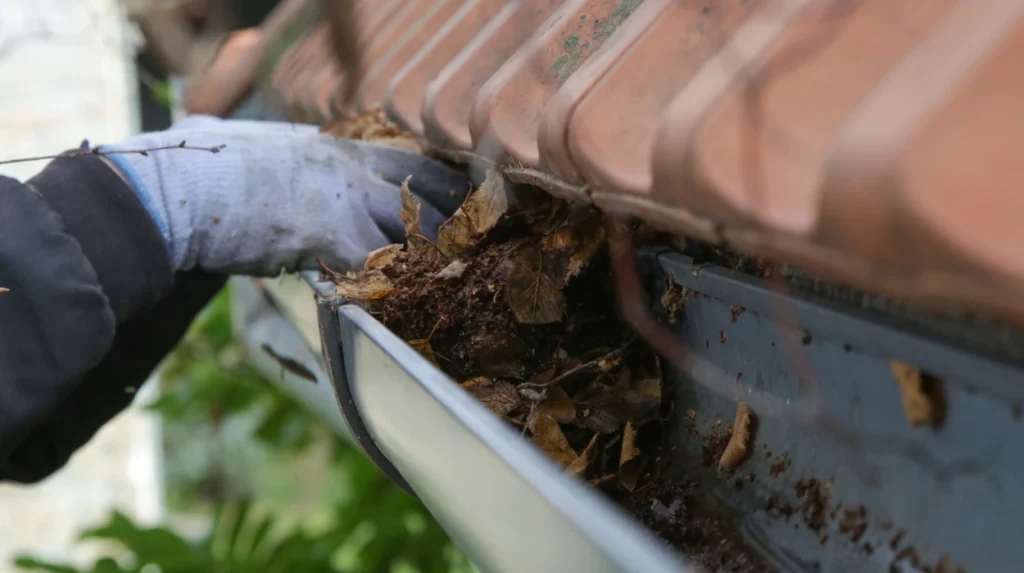
No wonder you would wish to have a quick fix. Most of the individuals resort to pressure washers or harsh cleaning agents. The problem is that, unfortunately, this usually does more harm than good.The pressure causes the water to infiltrate already weakened surfaces. It removes protective layers on the brick and stone. The harsh chemicals will bleach in patches, and the finish will be patchy, which will attract future grime more.
One afternoon, I was observing it when a person was cleaning the storm-stained wall within one afternoon. It became a little brighter momentarily. During the following winter, the same wall stained faster than before. The surface was left open and exposed. The damage caused by storms contains dirt to be dealt with. Lacking the knowledge of the reaction of materials, DIY cleaning increases the rate of deterioration instead of addressing it.
Professional Facade Cleaning After Storms
Professional cleaning is concerned with damage-free removal. The old cleaners determine the nature of dirt, the material underneath and the level of moisture retention. Grime is removed slowly with low-pressure steam and material-specific and controlled rinsing. This process eliminates contaminants and allows for natural drying of walls. The damp climate in Greater Manchester requires time to dry as well as clean.
There are also indicators that construction cleaning should be stopped that professionals acknowledge. Certain facades require some rest periods between treatments to avoid saturation. This is not a guess but rather knowledge acquired through experience. The cleaning after the storm provides a proper appearance with the maintenance of the surface. It tackles storm damage dirt at the source and not a temporary cover-up.
How to stop Storm Damage Grime

Winds cannot be prevented, but their effects can be diminished. Frequent post-absence checks of the problems following harsh weather reveal the issues at an early stage. Minor cleaning immediately after the storms will ensure that the grime does not bond. Protective treatments has the ability to decrease the absorption of water without completely sealing the walls. These enable breathing of buildings, and they do not absorb polluted rain. Timing is key. Applying protection when it is already too late reduces its power.
This natural maintenance will last longer in the life of the facades and will also help to ensure buildings do not appear as worn out but are maintained. It also saves on the long-term costs occurring through frequent damage.
Why Early Action Matters
The weather in Greater Manchester is not predictable. A single season of high storms will destroy years of proper upkeep. The damage of a storm nourishes on latitude. The longer a stain remains, the more it gets into the surface. The initial slight discoloration turns into heavy staining. Treating the problem at the outset keeps the value, aesthetics, and the strength of the structure.
Neglecting these early warning signs, the dirt from the storm damage gradually penetrates deeper into the facade with each weather cycle. What is now thought to be a minor issue can, unnoticed, quickly reduce the life span of bricks, stones, and render in the buildings all over the Greater Manchester area.
Writing off storm damage dirt is easy, but it costs a lot. If the outside of your building has shifted since the last storms, then it is time to do something about it. Bee Cleaning Services Manchester knows the area’s climate, the materials used, and the gentlest cleaning techniques that are safe. Getting a professional evaluation now can save your building from damage for many years ahead.