

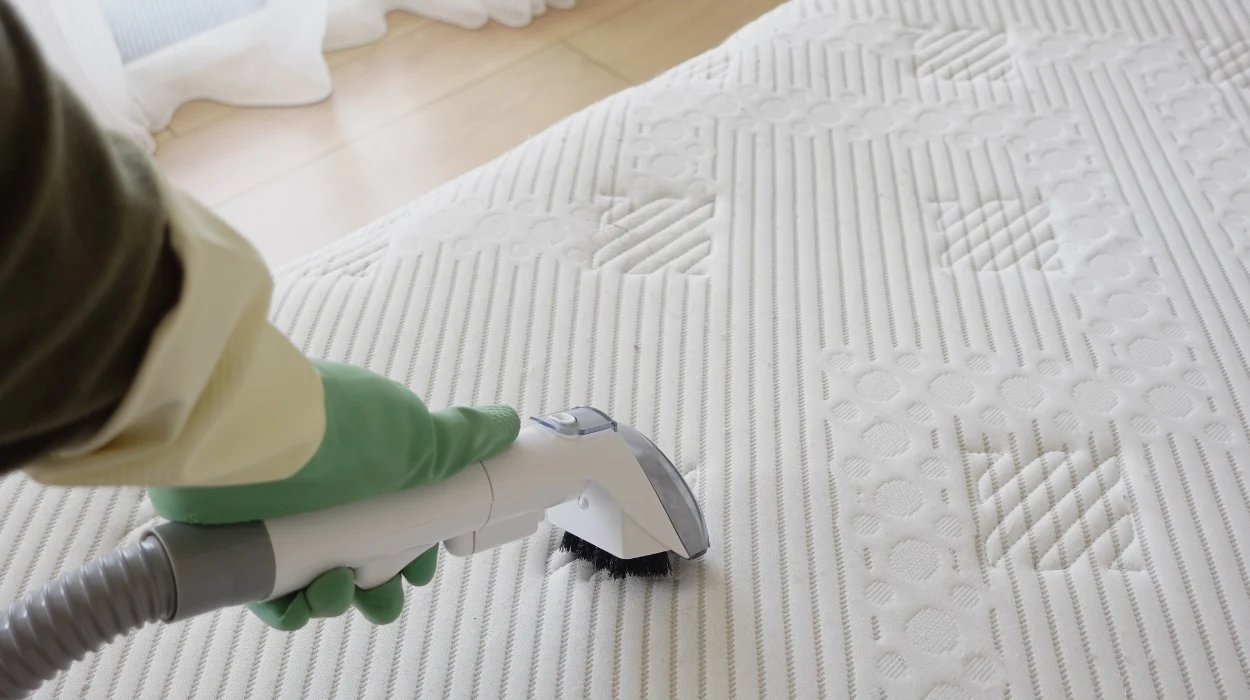
Waking up to a clean bed should feel comforting, not embarrassing. Yet many people in Altrincham notice yellow sweat marks or a damp smell on their mattress, even when the sheets are washed often. It is a common problem in busy homes, especially where sleep, stress, and warm nights mix together. Mattresses quietly absorb sweat and body oils night after night without us realising. Over time, this can affect comfort, freshness, and even sleep quality. The good news is that there are practical ways to refresh a mattress before replacing it. This guide shares simple, realistic ideas suited to everyday Altrincham homes.
Why Mattresses in Altrincham Homes Trap Sweat and Odours
Many Altrincham homes have good heating but limited airflow, especially in bedrooms that stay closed most of the day. This creates the perfect setting for moisture to build up inside mattresses. During sleep, the body naturally releases heat and sweat, even in cooler months. That moisture has nowhere to go and sinks into the mattress fibres. Over time, trapped moisture mixes with body oils and skin bacteria. This is often why a mattress smells musty rather than just “sweaty”.
In my experience, people are often surprised when smells remain even after changing bedding. The issue is not the sheets but what lies beneath. Mattresses act like sponges, slowly absorbing what they come into contact with. UK weather also plays a role. Damp conditions and limited ventilation make it harder for mattresses to dry out naturally. Without regular airing or maintenance, odours become part of the fabric itself.
What Causes Sweat Stains to Sink Deep Into Mattresses
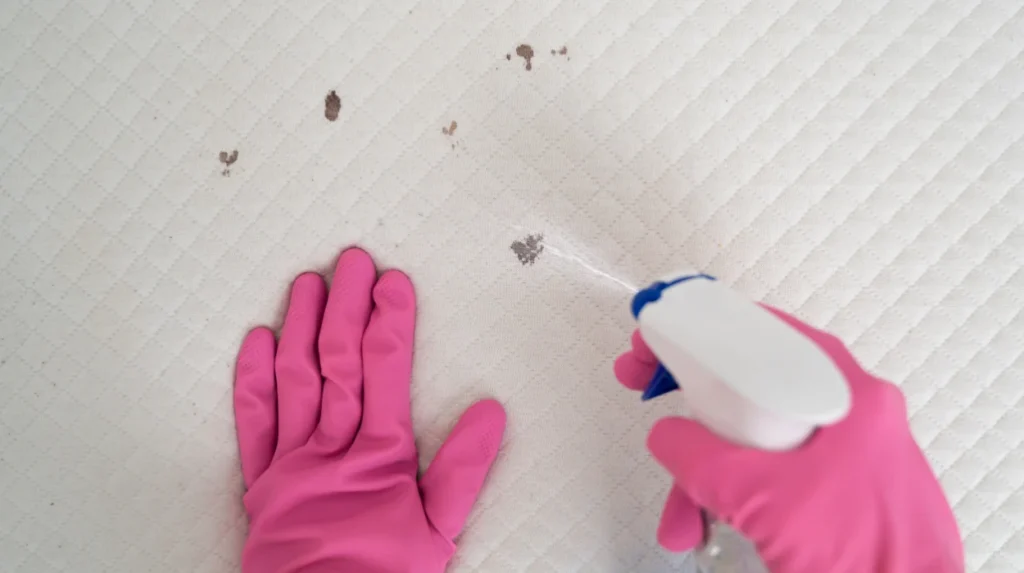
Sweat stains do not appear overnight. They develop slowly as moisture passes through sheets and settles into the mattress surface. Body oils make this worse. These oils cling to fabric fibres, creating yellow marks that grow darker with time. Bacteria feed on this moisture and oil, producing lingering smells that normal cleaning cannot always remove.
Another cause many homeowners overlook is night sweating linked to stress, diet, or room temperature. Even mild sweating, repeated nightly, builds up faster than expected. Mattresses with thick padding or memory foam are especially vulnerable because they trap heat and moisture. Once sweat reaches deeper layers, it becomes difficult to remove without proper treatment. This is why surface cleaning often improves the look but not the smell. Understanding how stains form helps prevent them from returning.
Every day, Mattress Refresh Habits Most Homes Overlook
Small habits can make a big difference to mattress hygiene. One simple change is allowing the bed to breathe each morning. Leaving the duvet folded back for an hour helps moisture escape instead of being trapped all day. Many Altrincham households rush to make the bed straight away, unknowingly sealing in dampness.
Another overlooked habit is ventilation. Opening bedroom windows regularly reduces indoor humidity, which helps keep mattresses dry. Mattress protectors also matter more than people think. A breathable protector can block sweat while still allowing airflow. Regular vacuuming removes dust, skin flakes, and allergens that contribute to odours. These steps may seem minor, but together they slow down stain formation and help maintain freshness without harsh chemicals or effort.
Safe At-Home Mattress Refresh Ideas That Actually Work
When mattress smells start to appear, gentle at-home refresh methods can help. Light deodorising treatments can reduce odours without soaking the mattress. Dry methods work best because excess moisture often makes the problem worse. Baking soda is commonly used because it absorbs smells rather than masking them. Leaving it to sit for several hours allows it to draw out moisture trapped near the surface.
Sunlight also plays a role when possible. On dry days, opening windows and allowing natural light into the room can help kill odour-causing bacteria. Care must be taken not to over-wet the mattress, as damp conditions encourage further bacterial growth. These methods work best for mild issues. If stains are deep or smells return quickly, it may signal that the problem lies beneath the surface layers.
When Mattress Smells Keep Coming Back
Some homeowners feel frustrated when odours return, no matter what they try. This usually means bacteria and moisture have settled deep inside the mattress. DIY cleaning only reaches the surface, leaving the root cause untouched. Over time, this can affect sleep quality and even trigger allergies.
Persistent smells often appear stronger during warm nights or humid weather. This is a sign that trapped moisture is reactivating odour-producing bacteria. At this stage, continued home treatments may do more harm than good. Over-cleaning can push moisture deeper, making the mattress heavier and slower to dry. Recognising when to stop is just as important as knowing when to clean.
Professional Mattress Cleaning for Altrincham Homes
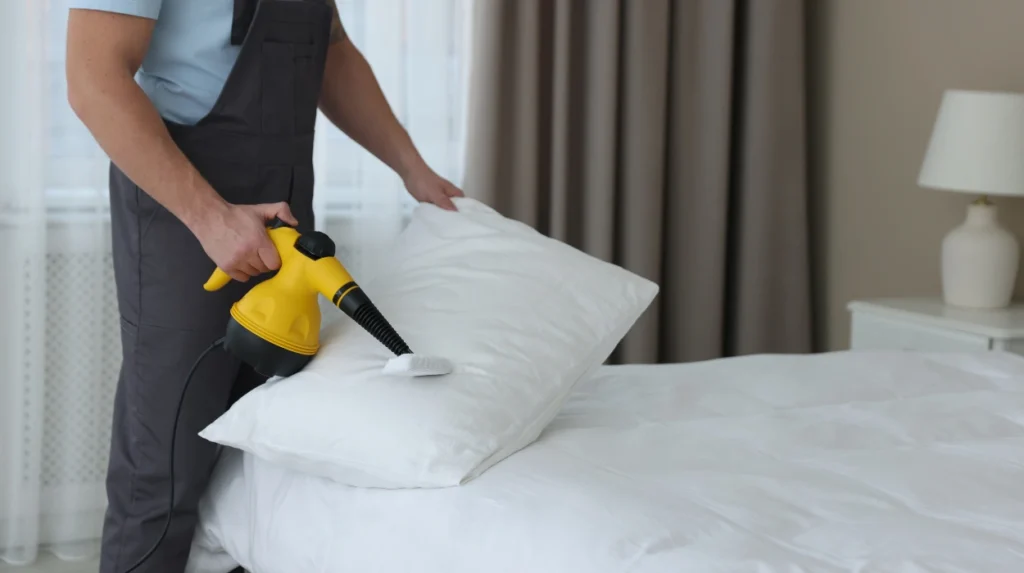
Professional mattress cleaning offers a deeper solution when home methods are no longer enough. Trained cleaners use controlled moisture and specialised equipment to remove bacteria, sweat residues, and odours safely. For Altrincham homes, this is especially helpful in properties where ventilation is limited or mattresses are heavily used.
Professional treatment not only improves freshness but also supports better sleep hygiene. Many homeowners notice improved comfort and fewer lingering smells after a deep clean. It can also extend the lifespan of a mattress, delaying the cost of replacement. This approach works well for families, allergy sufferers, and anyone dealing with persistent mattress odours that keep returning despite regular care.
How Night Sweats Can Quietly Damage Your Mattress
Night sweats are more common than many people realise, even in cooler Altrincham homes. Stress, diet, warm duvets, or health changes can all cause the body to release moisture during sleep. That moisture does not disappear by morning. It sinks slowly into the mattress layers, carrying body oils and bacteria with it. Over time, this creates the perfect conditions for sweat stains and unpleasant odours to develop. Many homeowners assume the issue comes from poor bedding, but the mattress is often the real source. Even light sweating, repeated every night, can leave lasting marks. This is why mattress smells sometimes return quickly after surface cleaning. Addressing night sweating through better room ventilation and breathable bedding helps protect the mattress and reduce future odour build-up.
Why Mattress Odours Affect Sleep More Than You Think
A mattress that smells unpleasant can quietly disturb sleep without people fully noticing why. Lingering odours often trigger discomfort, restlessness, or shallow sleep. In Altrincham households, where bedrooms may be closed overnight to retain warmth, smells can become trapped in the air. The brain reacts to these scents, even during rest. This can lead to tossing and turning or waking up feeling tired despite enough hours in bed. Clean mattresses contribute to better sleep hygiene by creating a calmer, fresher environment.
Removing sweat-related odours also reduces bacteria and allergens that may irritate the skin or airways. Many people report improved sleep once mattress freshness is restored. It is not just about comfort but about creating a healthier sleeping space that supports proper rest night after night.
Seasonal Changes and Their Impact on Mattress Freshness
Seasonal changes play a bigger role in mattress freshness than most people expect. During warmer months, increased sweating leads to faster moisture build-up inside the mattress. In colder seasons, closed windows and indoor heating reduce airflow, trapping humidity. Altrincham’s changing weather patterns mean mattresses face different challenges throughout the year. Without regular care, sweat stains and odours become more noticeable during seasonal shifts. This is often when homeowners first realise there is a problem.
Adjusting mattress care routines based on the season can help maintain freshness. Allowing extra airing time, improving bedroom ventilation, and monitoring indoor humidity all support mattress hygiene. Being aware of seasonal effects helps prevent odours from settling in and becoming harder to remove later.
How a Clean Mattress Improves Sleep and Home Hygiene
A clean mattress supports more than just comfort. It plays a role in overall home hygiene and sleep quality. When odours are removed, bedrooms feel fresher and more relaxing. Reduced bacteria and allergens can help ease breathing issues and skin irritation.
From personal experience, many people do not realise how much a mattress affects their rest until it is properly refreshed. Sleep becomes deeper when the bed feels clean and dry. Maintaining mattress hygiene also protects other bedding and reduces the spread of allergens around the home. It is one of those hidden factors that quietly improve daily life without much notice, until it is neglected.
Sweat stains and odours on your bed are common in Altrincham homes, but they do not have to be permanent. Simple habits, gentle refresh methods, and knowing when to seek professional help can make a real difference. A mattress that smells fresh supports better sleep, comfort, and home hygiene. If home methods are no longer working, trusted local support can help restore your mattress safely and effectively. For expert mattress cleaning tailored to local homes, Bee Cleaning Services Manchester offers professional solutions designed to refresh your mattress and improve sleep comfort.