

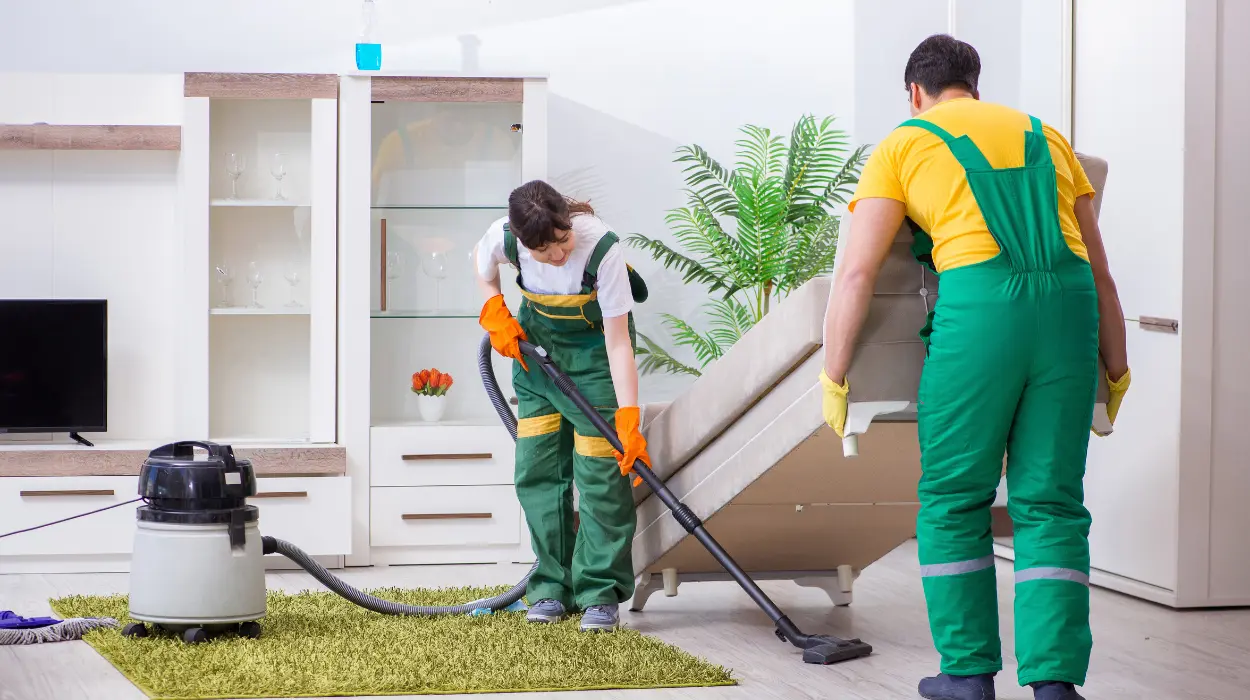
The Difference Between a Regular Clean and a Domestic Deep Clean comes down to scope, intensity and frequency. A regular clean maintains everyday hygiene, while a domestic deep clean targets built-up dirt and neglected areas.
For most homes, regular cleaning is the right choice for ongoing maintenance, while deep cleaning is more suitable when grime has accumulated or the property needs a complete reset.
What Is the Difference Between a Regular Clean and a Domestic Deep Clean?
A regular clean is designed to maintain a home’s existing level of cleanliness through recurring tasks such as dusting, vacuuming, mopping and bathroom cleaning. A domestic deep clean goes further by addressing areas that are normally missed during routine visits.
Regular cleaning normally concentrates on accessible surfaces and high-use rooms. Deep cleaning gives additional attention to skirting boards, doors, detailed kitchen surfaces, bathroom grout, window frames, appliance exteriors and other neglected areas.
The difference is therefore not simply how long a cleaner spends inside the property. It is the depth of the work, the number of areas included and the amount of effort required to remove accumulated dirt.
For homeowners in Oldham, choosing between the two services should depend on the condition of the property rather than choosing a cleaning type based only on price.
What Does a Regular Domestic Clean Usually Include?
A regular domestic clean focuses on repeatable household maintenance that prevents everyday dust, dirt and surface grime from becoming difficult to remove. It is normally scheduled weekly, fortnightly or at another agreed frequency.
Typical work includes dusting furniture, vacuuming carpets and floors, mopping hard flooring, cleaning kitchen worktops, wiping accessible surfaces and cleaning sinks, toilets and bathroom fixtures.
Regular cleaning is particularly useful for occupied homes where dirt is generated continuously by cooking, walking through the property, children, pets and normal household activity. Frequent visits reduce the amount of accumulated work required during each appointment.
The main purpose is consistency. Instead of waiting until the home requires intensive restoration, regular cleaning keeps the property at a manageable baseline.
This makes routine cleaning suitable for homeowners who already maintain a reasonably clean home and want professional help with recurring household tasks.
What Areas Receive More Attention During a Deep Clean?
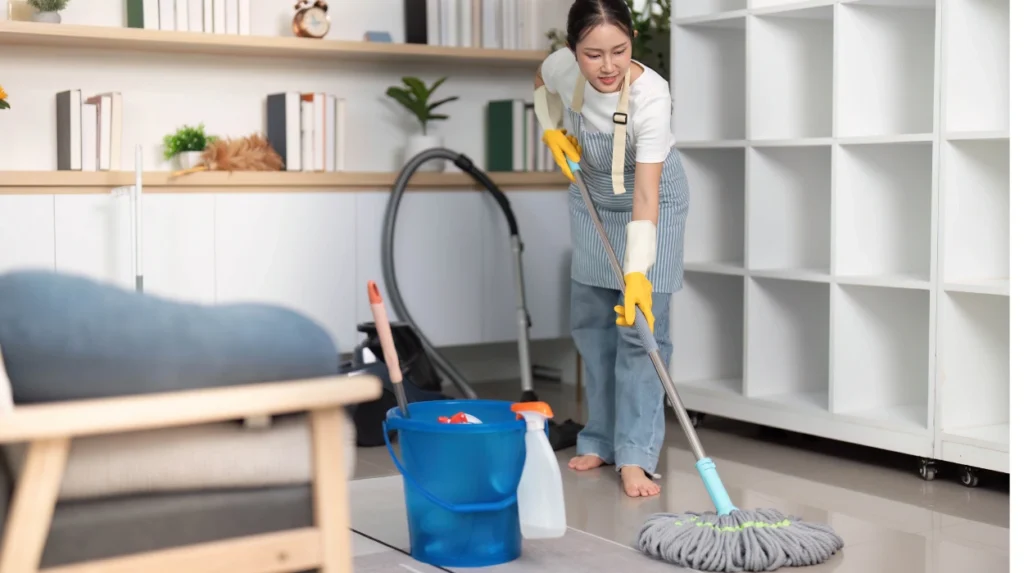
A deep clean concentrates on areas where dust, grease, limescale and other deposits can accumulate over time. These areas may receive limited attention during a normal maintenance visit because they require additional labour or specialist cleaning methods.
In kitchens, deep cleaning can include detailed degreasing of surfaces, cleaning around appliances, cupboard fronts, splashbacks and difficult-to-reach areas. Bathrooms may receive more intensive treatment for soap residue, limescale, grout and accumulated surface dirt.
Bedrooms and living rooms can receive detailed dusting around skirting boards, doors, furniture edges and other less accessible surfaces. Floors may also require more intensive vacuuming or mopping.
The purpose is to remove accumulated contamination rather than simply refresh visible surfaces.
This distinction is particularly important when comparing professional domestic cleaning options because a home can look tidy while still containing significant dirt in low-access areas.
Why Does Cleaning Equipment Matter During a Deep Clean?
Cleaning-equipment can influence both the efficiency and the result of a domestic deep clean. Different surfaces and types of dirt require different tools, cleaning products and techniques.
A professional team may use commercial vacuum systems, microfiber materials, brushes, steam equipment or specialist products where appropriate. The correct equipment allows cleaners to work more effectively without relying on excessive scrubbing.
Regular cleaning usually requires fewer specialised tools because the objective is routine maintenance. Deep cleaning can involve more intensive equipment because the work often includes stubborn deposits and difficult-to-access surfaces.
Equipment also needs to match the surface being cleaned. Incorrect products or aggressive tools can damage materials such as natural stone, delicate flooring, painted surfaces or specialist finishes.
For this reason, professional cleaning is not simply a matter of bringing more products into a property. It involves selecting suitable cleaning-equipment and applying it correctly.
When Should You Choose a Regular Clean?
A regular clean is appropriate when the home is already maintained reasonably well and the main requirement is ongoing household upkeep. The service works best when cleaning needs are predictable and recurring.
Weekly cleaning can help busy households control everyday dust, kitchen residue, bathroom dirt and floor debris. Fortnightly cleaning can work for smaller households or properties that experience less daily activity.
Regular cleaning is also useful after a deep clean because it helps preserve the improved condition of the property. Without ongoing maintenance, dirt will gradually return to the same high-use areas.
The key advantage is consistency. Each visit deals with normal household accumulation before it becomes a larger cleaning problem.
For homeowners comparing residential cleaning services in Oldham, the regular option is generally the better fit when the property does not require extensive restoration or detailed one-off cleaning.
When Is a Domestic Deep Clean the Better Choice?
A domestic deep clean becomes more appropriate when routine cleaning is no longer enough to restore the property’s overall condition. Visible grime, neglected areas and persistent buildup are common indicators.
It can be useful before or after moving home, following a long period without professional cleaning, before hosting an important event or after major household disruption.
Deep cleaning can also be appropriate when a property has accumulated grease in the kitchen, limescale in bathrooms, dust around skirting boards or dirt in areas that are rarely cleaned.
The service provides a reset rather than simply maintaining the current condition.
The decision should be based on the property’s actual cleaning requirements. A home that receives frequent maintenance may need only a regular clean, while a neglected property may benefit from a more intensive first visit.
Bee Cleaning Services Manchester provides both general and deep cleaning options, with the company’s published pricing showing separate rates for general cleaning and deep cleaning according to property size.
How Does Property Size Affect the Cleaning Requirement?
Property size affects cleaning because larger homes contain more rooms, floors, surfaces and high-use areas. However, size is not the only factor that determines the amount of work required.
A two-bedroom home with heavy grease, pet hair and accumulated bathroom deposits may require more detailed work than a larger property that receives frequent maintenance.
The number of bathrooms and kitchen areas can also affect cleaning time because these rooms generally require more detailed surface treatment.
Furniture placement matters as well. A property with limited access around furniture can require additional preparation and movement before certain areas can be cleaned effectively.
This is why professional cleaning assessments should consider both property size and condition instead of relying on bedroom count alone.
How Often Should a Home Have a Deep Clean?
There is no single schedule that applies to every household because cleaning requirements depend on occupancy, pets, lifestyle, property condition and existing maintenance.
A home that receives weekly professional cleaning may need an intensive deep clean only periodically. A busy family property with children and pets may require deeper attention more frequently.
Deep cleaning can also be scheduled around specific events. Moving into a property, preparing for guests, completing renovation work or returning to a property after a long absence can all create a practical reason for a detailed clean.
The most effective approach is to use regular cleaning for maintenance and deep cleaning when the condition of the property requires additional attention.
This combined approach prevents routine cleaning from becoming overloaded with tasks that belong to a more intensive service.
What Should You Check Before Hiring a Residential Cleaner in Oldham?
Before hiring a cleaner, homeowners should confirm exactly what the service includes, which rooms will be cleaned and whether cleaning products and equipment are supplied.
It is also useful to ask about insurance, staff vetting, cancellation arrangements, availability and how the company handles requests for additional cleaning tasks.
Pricing should be compared against the scope of work rather than the hourly figure alone. A cheaper service may exclude important tasks, while a more comprehensive service may include equipment, management and additional quality controls.
For further consideration before choosing a provider, homeowners can review guidance on what to look for when hiring a home cleaner in Oldham.
Clear expectations reduce misunderstandings and help homeowners select a cleaning service that matches the actual condition and requirements of their property.
Is a Deep Clean More Expensive Than a Regular Clean?
A deep clean generally costs more because it involves more labour, more detailed tasks and potentially additional equipment or specialist cleaning products.
Bee Cleaning Services Manchester currently publishes general cleaning prices from £70 for a one-bedroom property to £130 for a four-bedroom property, while its listed deep cleaning prices range from £140 to £250 for those property sizes.
However, price should not be considered separately from the scope of work. A deep clean may deliver more value when a property requires extensive attention that would not reasonably fit into a routine appointment.
For comparison, a recent Oldham one-off cleaning guide from the same business places professional deep-refresh costs around £140 to £260 for a standard three-bedroom property, depending on property condition and requirements.
Homeowners should therefore request a clear service scope before comparing quotations.
How Can Regular Cleaning Help Maintain a Deep Clean?
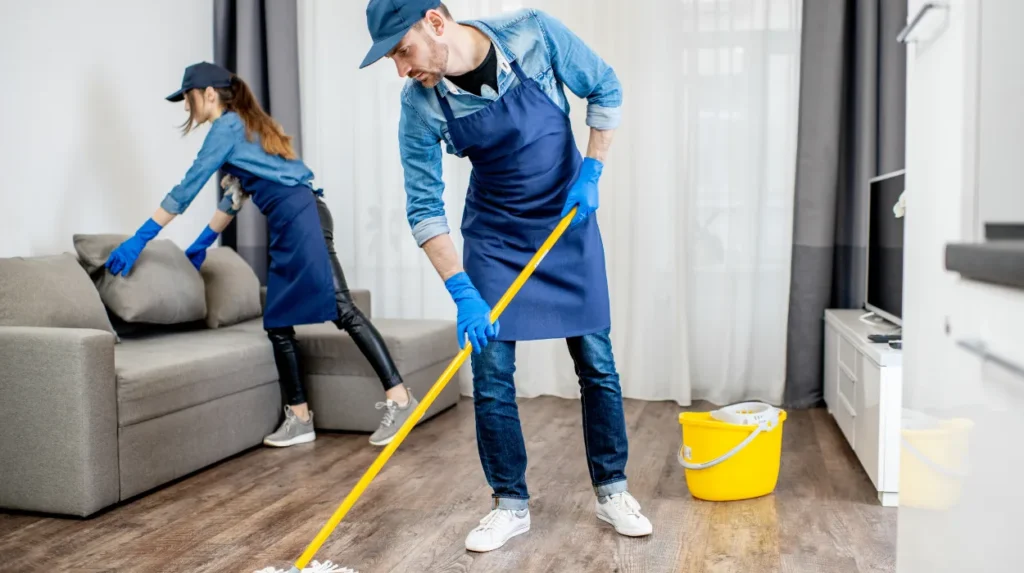
A deep clean creates a stronger starting point, but regular cleaning is what helps maintain that condition. Without routine maintenance, dust, grease, hair and surface deposits gradually return.
Regular visits can concentrate on high-traffic areas, kitchens, bathrooms, floors and other surfaces that experience daily use.
This approach also makes future cleaning more predictable. When accumulated dirt is controlled consistently, subsequent appointments usually focus on maintenance rather than intensive restoration.
For homeowners using Residential Cleaning Services in Oldham, combining an initial detailed clean with a suitable recurring schedule can provide a practical long-term cleaning structure.
The objective is not to deep clean every week. It is to use the appropriate level of cleaning at the appropriate time.
What Is the Best Cleaning Approach for an Oldham Home?
The best approach depends on whether the property needs maintenance or restoration. Regular cleaning is the practical option for homes that are already maintained, while deep cleaning is better when accumulated dirt requires detailed attention.
Homeowners should consider the condition of kitchens, bathrooms, floors, high-touch surfaces and neglected areas before selecting the service.
If routine cleaning no longer produces the desired result, a deep clean can establish a cleaner baseline. Regular visits can then maintain that condition.
Bee Cleaning Services Manchester provides professional cleaning solutions for households that need either ongoing domestic maintenance or more intensive cleaning work.
Understanding the difference between the two services allows homeowners to choose based on actual cleaning requirements rather than simply selecting the cheapest option.
The difference between regular and domestic deep cleaning is primarily the scope, intensity and purpose of the work. Regular cleaning maintains everyday hygiene, while deep cleaning tackles accumulated dirt and areas that require more detailed attention.
For homeowners in Oldham, selecting the correct service can make cleaning more efficient and prevent routine visits from becoming overloaded with intensive tasks.
Bee Cleaning Services Manchester provides professional cleaning solutions designed around different household cleaning requirements, from ongoing maintenance to more detailed property refreshes.
Frequently Asked Questions
Is a regular clean enough for most homes?
Yes, regular cleaning is enough for homes that receive consistent maintenance and have no significant buildup.It normally covers dusting, vacuuming, mopping, kitchen surfaces and bathroom cleaning.
How long does a domestic deep clean take?
The duration depends on property size, condition, number of rooms and the scope of work.
A detailed deep clean generally takes considerably longer than a routine maintenance visit.
Kitchens and bathrooms can require additional time because of grease and limescale.
Furniture, access and heavily soiled surfaces can also affect the schedule.
A professional cleaner should confirm the expected duration before the appointment.Do professional cleaners bring their own cleaning equipment?
Many professional cleaning companies supply their own products, tools and cleaning equipment.
This can include vacuum systems, microfiber materials, brushes and specialist cleaning products.Should I deep clean before starting regular cleaning?
A deep clean can be useful when the property has accumulated dirt that routine cleaning cannot efficiently address. It creates a cleaner starting point for a recurring domestic cleaning schedule.
Regular visits can then focus on maintaining kitchens, bathrooms, floors and frequently used surfaces.What should I ask a cleaner before booking?
Ask what rooms and tasks are included, how pricing is calculated and whether equipment is supplied.
You should also check insurance, staff vetting, cancellation terms and additional-service charges.