

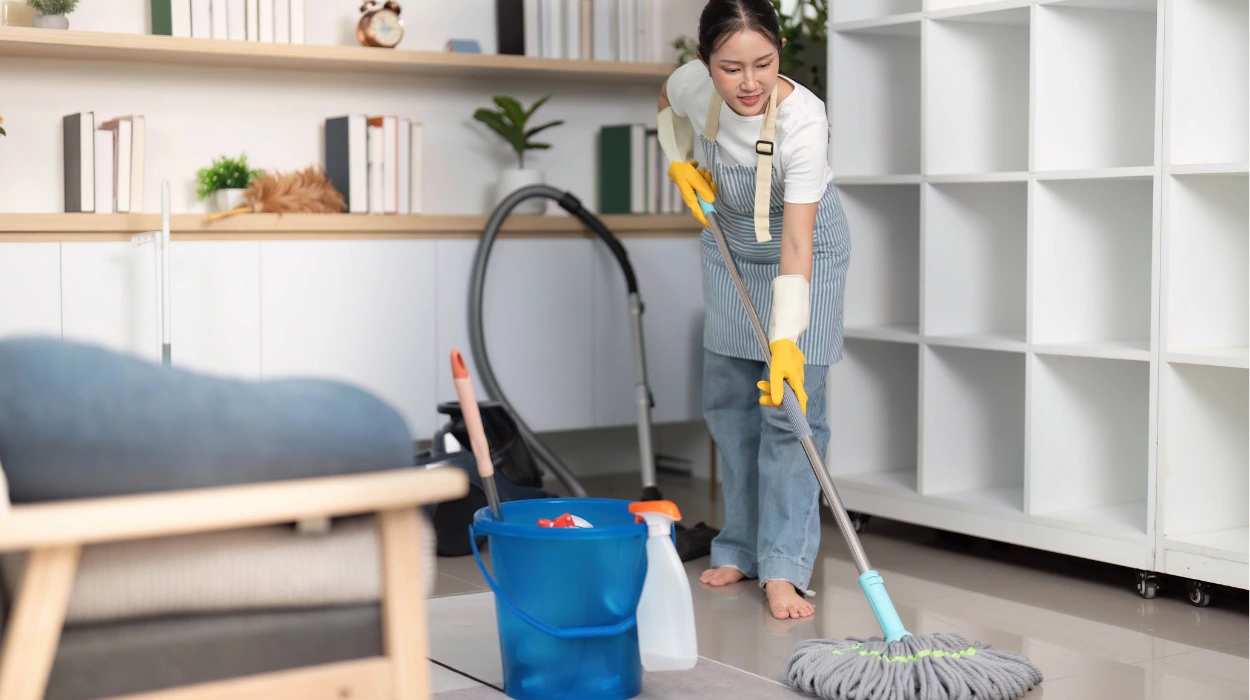
Touch up cleaning vs final clean after building work comes down to scope. Touch up cleaning corrects small marks and dust after minor repairs, while a final clean resets the entire property for handover. Most properties need both, in that order, once the builders have finished.
Many Oldham homeowners, landlords and site managers assume one visit will cover everything, then find fine dust on shelves or paint specks on glass days after moving back in. Construction creates a specific mix of debris, including plaster dust, adhesive residue, sawdust, silicone smears and packaging waste. Each material needs a different removal method, and each appears at a different stage of the build. Understanding how the two cleaning types divide this work helps you book the right service at the right time and avoid paying for the same job twice.
What Touch Up Cleaning Involves After Building Work
Touch up cleaning is a short, targeted visit that deals with marks and residue left behind by trades who return after the main build is complete. This typically happens during snagging, when painters retouch walls, joiners adjust doors, electricians fit final sockets and plumbers seal around taps. Each of these jobs leaves small amounts of dust or debris in areas that were already clean. A touch up visit focuses on skirting boards, window sills, switch plates, door frames and floor edges, where fresh dust settles quickly. It is faster and cheaper than a full clean because the surrounding spaces are already in good condition.
What a Final Clean After Building Work Covers
A final clean is the complete, top-to-bottom clean carried out once every trade has left and no more building activity is planned. It is the stage that makes a property genuinely ready to occupy, sell or hand to a tenant. The work moves from ceilings, light fittings and high shelves down to walls, worktops, cabinets, sanitary ware and floors, so that dust falling from above is always removed later. Cleaners also detail-clean the insides of cupboards, oven cavities, window frames and tracks, and remove protective films and stickers. This full sequence is what most people mean when they ask for after builders cleaning.
How Timing and Scope Separate the Two Services
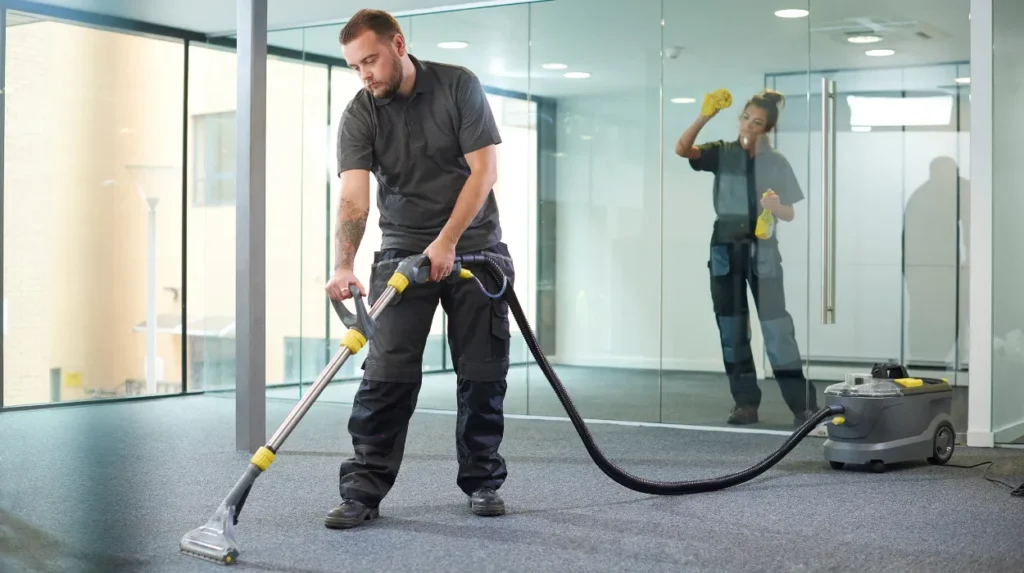
The clearest difference is when each clean happens. Touch up cleaning sits in the middle of the finishing phase, often repeated as snagging items are resolved, and it addresses isolated areas. A final clean happens once, at the very end, and treats every surface in every room. Scope follows from timing. Because touch up work responds to recent, light disturbance, it rarely requires deep-cleaning methods. A final clean must handle settled construction dust in hidden places, such as the tops of door frames, radiator backs and extractor grilles, so it takes more hours, more staff and a more structured room-by-room approach.
Cleaning Equipment Used at Each Stage
The cleaning equipment matches the level of contamination. Touch up visits usually rely on microfibre cloths, hand-held vacuums with fine filters and gentle surface cleaners that will not disturb fresh paint or sealant. A final clean calls for heavier cleaning equipment, including industrial vacuums with HEPA filtration, scrapers for dried plaster and paint, steam cleaners for grout and sanitary ware, and floor machines for hard surfaces. HEPA filtration matters because plaster and cement dust are extremely fine and can pass straight through standard household vacuum bags, returning to the air within hours of cleaning.
When Oldham Properties Need Each Option
Residential projects such as extensions, loft conversions and kitchen refits often benefit from a touch up visit after snagging and a full final clean before the family moves back in. Commercial projects follow a similar pattern but with tighter deadlines, because delays affect trading and tenant handovers. For managers refitting shops or workspaces, post construction cleaning for Oldham retail units and offices explains how the final clean is scheduled around fit-out completion, safety inspections and opening dates. In both settings, ordering the clean too early is the most common mistake, since remaining trades will simply recreate the dust.
How to Decide Between Touch Up and Final Cleaning
The simplest test is to ask whether building activity is still happening. If any trade remains on site, a final clean is premature and touch up visits are the sensible choice. If all work is signed off and only dust remains, the property needs a full final clean. Some projects need both, particularly larger renovations with staged completion. It also helps to understand how regular cleaning differs from post construction cleanup, because routine domestic methods are not designed to remove cement dust, adhesive or paint overspray safely. Choosing the wrong service can damage surfaces and leave residue behind.
What a Professional Post-Builder Clean Looks Like
A professional clean follows a written sequence rather than an improvised one. It starts with a walkthrough to identify hazards, protected surfaces and problem areas such as stained glass or unsealed stone. Cleaners then remove loose debris, dry-dust from the highest points down, and wet-clean surfaces with products suited to each material. Floors come last, and a final inspection checks glass, mirrors and fittings under natural light. Health and safety practices apply throughout, including the use of dust masks, correct chemical storage and careful waste handling. The result is a space that passes both a visual check and a wipe test.
Touch up cleaning and a final clean are complementary stages, not competing options. One protects the finish while trades complete their work, and the other delivers the full reset that makes a property usable. Bee Cleaning Services Manchester provides professional after builders cleaning in Oldham for homes, offices and retail spaces, using suitable equipment and a structured process at each stage. Matching the right clean to the right point in your project saves time, protects new surfaces and helps a finished build look the way it was designed.
Frequently Asked Questions
Is touch up cleaning necessary if I am already booking a final clean?
Not always. If trades finish and leave before the final clean, a separate touch up is unnecessary. It only helps when snagging work continues after an earlier clean has already been done. Ask your contractor whether further visits are planned.
How long after builders leave should I book a final clean?
Book it once all snagging is signed off, ideally within one to three days of the last trade leaving. This keeps dust from settling into hard-to-remove layers and gets the property ready for handover quickly.
Why does dust keep coming back after builders finish?
Construction dust is extremely fine and settles in hidden places such as vents, door tops and behind radiators. Air movement releases it again. HEPA vacuuming and top-to-bottom cleaning remove it far more effectively than standard household methods.
Can I clean up after builders myself?
You can handle light debris, but plaster, cement and paint residue can scratch surfaces and clog household vacuums. Many people find a professional clean faster and safer, especially for glass, flooring and kitchens.
Does a final clean remove paint and sealant marks?
Small dried paint specks and sealant smears can usually be removed with plastic scrapers and suitable solvents without damaging the surface. Larger or older marks on porous materials may need specialist treatment, so cleaners test a small area first.