


End of Tenancy Cleaning Services in Oldham can help tenants avoid deposit disputes and understand their legal responsibilities when moving out. UK law does not allow landlords or letting agents to force tenants to pay for professional cleaning, but tenants must still return the property in a clean condition.
What Are End of Tenancy Cleaning Laws in the UK?
End of tenancy cleaning laws are mainly linked to tenancy agreements, deposit protection rules, and the Tenant Fees Act. Many tenants assume they must hire professional cleaners before moving out. In reality, landlords cannot legally require tenants to pay for a professional cleaning service as a condition of ending a tenancy. However, tenants remain responsible for returning the property in a similar state of cleanliness to when they moved in.
This distinction is important because landlords can still make reasonable deductions from a protected deposit if a property is left significantly dirtier than its original condition. Evidence such as inventory reports, check-in photographs, and inspection records are commonly used when disputes arise. Understanding these legal principles helps tenants protect their deposits while avoiding unnecessary cleaning expenses.
Can Landlords Require Professional Cleaning?
Since the introduction of the Tenant Fees Act, landlords and letting agents in England generally cannot force tenants to pay for professional cleaning services at check-out. A tenancy agreement may mention professional cleaning, but that alone does not automatically make the requirement enforceable. The legal focus is on the property’s condition rather than who performed the cleaning.
A tenant can clean the property themselves if they achieve a comparable standard. If the property was clean when the tenancy began, it should be returned in a similarly clean condition. This approach protects tenants from unfair charges while still maintaining reasonable expectations for property care.
What Standard of Cleaning Is Expected?
The expected standard depends on the property’s documented condition at the start of the tenancy. Landlords are entitled to receive the property back in substantially the same condition, allowing for fair wear and tear. Normal aging, minor marks, and everyday use are not usually considered cleaning issues.
Areas commonly checked during inspections include kitchens, bathrooms, flooring, appliances, windows, cupboards, and skirting boards. Professional-grade cleaning equipment may help achieve better results, but the law focuses on cleanliness outcomes rather than the method used. Many disputes occur because tenants overlook hidden areas such as ovens, extractor fans, and behind appliances.
How Deposit Deductions Work
Tenancy deposits in the UK are protected under approved deposit protection schemes. If a landlord believes cleaning is required after check-out, they must usually demonstrate that the property’s condition is worse than it was at move-in. Evidence plays a significant role in resolving disagreements.
A landlord cannot automatically deduct money simply because a professional cleaning invoice is not provided. Instead, they must show that cleaning was necessary and that the claimed costs are reasonable. Tenants who keep photographs and copies of inventories often have stronger positions during disputes.
The Importance of Check-In and Check-Out Inventories
An inventory is one of the most important documents in any tenancy. It records the property’s condition at the beginning of the tenancy and serves as a reference during the final inspection. Without a detailed inventory, proving cleaning-related claims becomes more difficult for both parties.
Tenants should review inventory reports carefully when moving in and raise concerns immediately if any areas are already dirty. Likewise, landlords should maintain accurate records supported by photographs. Clear documentation reduces misunderstandings and helps create fair outcomes during deposit assessments.
What Happens If a Property Is Not Cleaned Properly?
If a property is left in poor condition, landlords may arrange additional cleaning and seek reasonable costs from the deposit. This does not mean they can charge excessive amounts or upgrade the property’s condition beyond its original standard.
For example, if a tenant leaves grease in the oven, stains in bathrooms, or excessive dust throughout the property, cleaning costs may be justified. However, landlords cannot use cleaning charges as a way to improve the property beyond its condition at check-in. The principle of fairness remains central to tenancy law.
Why End of Lease Cleaning Services in Oldham Remain Popular
Although professional cleaning is not legally required in most cases, many tenants still choose specialist cleaning services. Moving out can be stressful, and professional teams often have the tools, experience, and cleaning-equipment needed to address difficult areas efficiently.
Many residents use End of Lease Cleaning Services in Oldham to prepare for final inspections and reduce the likelihood of disputes. Services commonly include deep kitchen cleaning, bathroom sanitisation, carpet treatment, appliance cleaning, and detailed dust removal. Companies such as Bee Cleaning Services Manchester provide structured cleaning processes designed around landlord and letting-agent expectations.
For tenants wanting guidance on deposit protection and inspection preparation, this article about deposit return cleaning requirements is useful:
https://beecleaningservices.co.uk/blogs/blog/do-i-need-end-of-lease-cleaning-services-in-oldham-to-get-my-deposit-back/
Common Areas That Cause Cleaning Disputes

Kitchens
Kitchens generate more cleaning complaints than almost any other area. Ovens, hobs, extractor fans, cupboards, and tiled surfaces frequently accumulate grease and food residue. These areas are often examined closely during final inspections.
Bathrooms
Bathrooms must be free from mould, soap scum, limescale, and visible dirt. Shower screens, taps, sinks, and toilets are common points of attention. Thorough sanitisation helps present the property in a well-maintained condition.
Carpets and Flooring
Carpets should be vacuumed and free from excessive stains where possible. Hard flooring should be swept and cleaned. Tenants are generally not responsible for normal wear caused by everyday use.
Appliances
Built-in appliances often form part of the tenancy agreement. Refrigerators, ovens, microwaves, and washing machines should be emptied and cleaned before the property is handed back.
How Tenants Can Avoid Deposit Disputes
Preparation should start before moving day. Taking photographs, reviewing the inventory, and creating a cleaning checklist can make the process more manageable. Cleaning room by room helps ensure that no important area is missed.
Many tenants also schedule a pre-inspection with their landlord or agent. This allows concerns to be addressed before the final handover. Bee Cleaning Services Manchester often advises tenants to focus on kitchens, bathrooms, and appliances first because these areas receive the most scrutiny during inspections.
For a complete guide to inspection preparation, see:
https://beecleaningservices.co.uk/blogs/how-to-pass-final-inspection-when-moving-out/
Are End of Tenancy Cleaning Laws Different Across the UK?
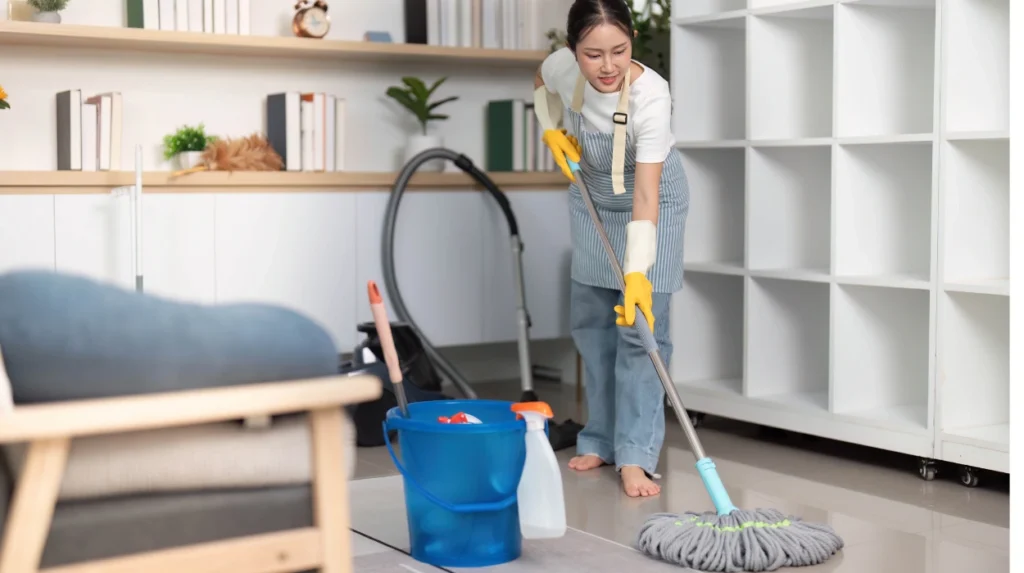
While the general principles are similar, housing regulations can vary between England, Wales, Scotland, and Northern Ireland. Tenants should always review local regulations and tenancy agreements. However, across the UK, cleanliness expectations generally focus on returning the property in an acceptable condition rather than mandating a specific cleaning provider.
Understanding local guidance helps tenants make informed decisions when planning their move. It also reduces the risk of confusion when dealing with landlords, letting agents, or deposit protection schemes
End of Tenancy Cleaning Laws in the UK: What Every Tenant Should Know comes down to one key principle: tenants are responsible for returning a property in a clean condition, but they are not normally required to pay for professional cleaning simply because a tenancy agreement says so. Keeping records, following the inventory, and addressing cleaning issues before check-out can significantly reduce deposit disputes. Bee Cleaning Services Manchester supports tenants through professional cleaning solutions that help properties meet inspection expectations while making the moving process easier.
Frequently Asked Questions
Can a landlord force me to hire a professional cleaner?
No. Under current rules, landlords generally cannot require tenants to pay for professional cleaning services. The property simply needs to be returned in a suitably clean condition. The standard matters more than who performs the cleaning. Deposit deductions must be supported by evidence.
Can cleaning costs be taken from my deposit?
Yes, if the property is left dirtier than it was at the start of the tenancy. Landlords must provide evidence showing that cleaning was required. Any deductions should be reasonable and proportionate. Deposit protection schemes can resolve disputes.
What is considered fair wear and tear?
Fair wear and tear refers to normal deterioration caused by everyday living. Minor carpet wear, faded paint, and small marks often fall into this category. Tenants are not usually charged for these issues. Excessive dirt or neglect is treated differently.
Do I need receipts for cleaning?
In most cases, no. If you clean the property yourself and achieve an appropriate standard, receipts are generally unnecessary. However, photographs and records can help if a dispute arises later. Good evidence is often more valuable than receipts alone.
Is end of lease cleaning worth paying for?
Many tenants believe it is, especially when moving under time pressure. Professional cleaners often have specialised cleaning-equipment and experience dealing with inspection standards. This can reduce stress and improve presentation. The decision ultimately depends on the property’s condition and the tenant’s available time.