

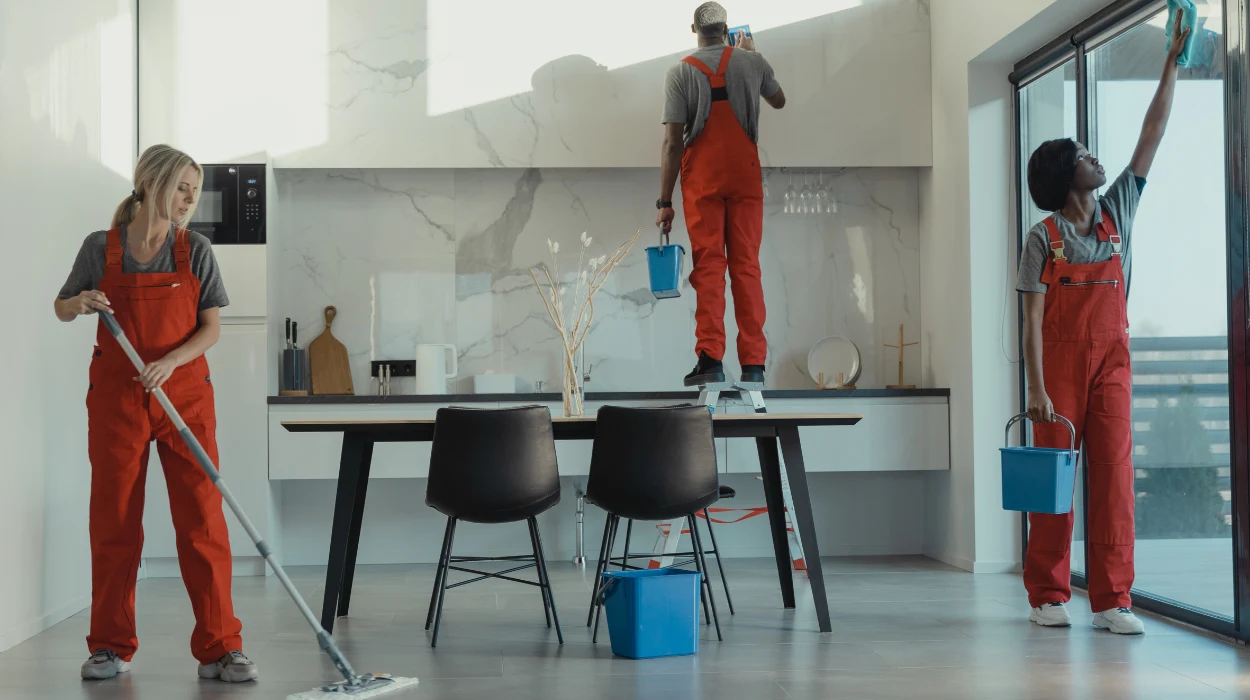
Curtains require professional cleaning when they exhibit visible dust accumulation, lingering odors, or noticeable fabric discoloration that standard vacuuming cannot resolve. If residents in the area notice triggered allergies or stiffening fabric, it is time to seek Curtain Cleaning Services in Farnworth to restore the indoor environment.
Identifying Visible Dust and Airborne Particulates
One of the most immediate indicators that your window treatments require attention is the presence of a gray or dull film across the fabric surface. Curtains act as massive air filters for the home, trapping dust, pollen, and skin cells that circulate through the ventilation system or enter through open windows. When you shake the fabric and see a cloud of particles released into the light, the fibers have reached their saturation point. This accumulation does not just affect the appearance of the room; it actively contributes to poor indoor air quality by recirculating allergens every time the curtains are drawn.
The texture of the fabric often changes as dust settles deep into the weave over several months or years. If the material feels gritty to the touch or appears significantly darker than its original shade, the debris has likely bonded with the fibers due to ambient humidity. Standard domestic cleaning methods often fail to reach these embedded particles, which is why Curtain Cleaning Services in Farnworth are essential for a thorough extraction. Professional equipment can penetrate the dense layers of heavy drapes, ensuring that the hidden buildup is removed without damaging the delicate structure of the textile or causing unsightly shrinkage.
Lingering Odors and Atmospheric Contaminants
Fabric is highly porous, meaning it readily absorbs molecules from the surrounding environment, including cooking grease, tobacco smoke, and pet scents. If a room retains a stale or musty smell despite regular cleaning and ventilation, the curtains are often the primary culprit for harboring these unwanted aromas. Over time, these odors become trapped within the internal lining and the face fabric, making them nearly impossible to eliminate with simple fabric freshening sprays. A professional deep clean breaks down these organic compounds at a molecular level to neutralize the scent at its source rather than masking it temporarily.
In households with pets or active kitchens, the rate of odor absorption increases significantly as oils and steam carry particles directly into the window dressings. These contaminants can eventually lead to the degradation of the fabric if left untreated, as acidic residues from smoke or grease weaken the structural integrity of the fibers. By choosing a comprehensive expert fabric restoration, homeowners can ensure that these microscopic pollutants are stripped away effectively. This process not only refreshes the scent of the living space but also prevents the permanent yellowing often associated with long-term exposure to airborne oils and kitchen vapors.
Impact on Respiratory Health and Allergies
For individuals suffering from asthma or seasonal allergies, the state of the curtains can have a direct impact on their daily comfort and well-being. Dust mites thrive in the folds of heavy drapes, feeding on organic matter and multiplying in the stagnant areas near the window glass. If family members experience increased sneezing, itchy eyes, or respiratory irritation specifically when spending time in a particular room, the window treatments may be serving as a reservoir for biological triggers. Regular maintenance is a health necessity rather than a purely aesthetic choice in these specific environments.
Modern homes are often sealed tightly for energy efficiency, which can lead to a buildup of biological pollutants if soft furnishings are neglected. When the curtains are moved, these allergens are dispersed into the breathing zone, creating a cycle of irritation for sensitive occupants. Understanding what professional curtain care entails can help homeowners identify when their current cleaning routine is falling short of health standards. Professional steam or dry cleaning methods are specifically designed to eliminate dust mite populations and fungal spores that standard washing machines might miss due to temperature limitations or mechanical constraints.
Visual Discoloration and Sunlight Damage
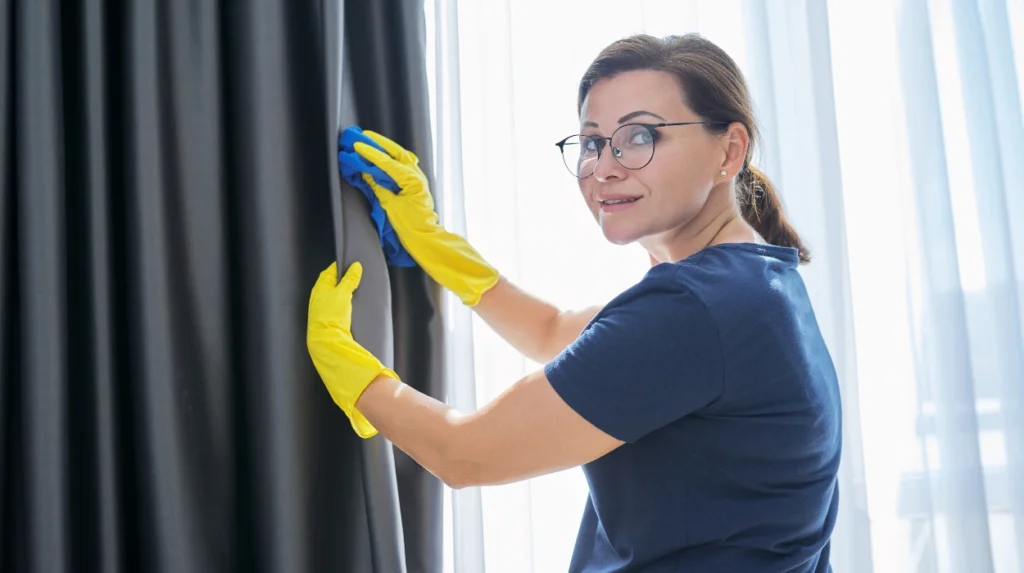
Sunlight is a double edged sword for window treatments; while curtains protect furniture from UV rays, they bear the brunt of solar damage themselves. Over time, the combination of UV exposure and embedded dust can lead to a process known as dry rot, where the fibers become brittle and prone to tearing. If you notice that the edges of your curtains are beginning to fray or if the color has faded unevenly, it is a sign that the fabric is under stress. Professional cleaning removes the abrasive dust particles that accelerate this wear and tear when the fabric moves against the window frame.
Water stains or tidemarks are another common sign that curtains need expert intervention, often caused by condensation on the window panes or minor leaks. These marks appear as dark or yellowish rings that can become permanent if the minerals in the water are allowed to set into the dye of the fabric. Prompt attention from specialized cleaners can often lift these stains before they cause lasting damage to the aesthetic of the room. By utilizing high quality localized cleaning, residents can address these specific visual flaws quickly to maintain the professional appearance of their home interior.
Changes in Fabric Drape and Texture
The way a curtain hangs can provide subtle clues about its cleanliness and the state of the fibers. When curtains are heavy with dust and moisture, they may lose their crisp pleats or begin to sag in a way that looks untidy and neglected. High quality fabrics like silk, velvet, or heavy brocade rely on their natural oils and structure to maintain their shape, but dirt acts as an abrasive that weighs them down. If the fabric feels stiff or “crunchy” when you open the curtains in the morning, it indicates a significant buildup of particulate matter.
Professional cleaning restores the natural flexibility of the textile, allowing it to drape elegantly as originally intended by the designer. This mechanical restoration is particularly important for formal window dressings that utilize intricate header tapes or weighted hems to achieve a specific look. Without regular intervention, the weight of the dirt can actually stretch the fabric permanently, leading to lopsided hems and an uneven appearance that ruins the room’s symmetry. Bee Cleaning Services Manchester focuses on preserving these structural elements while ensuring every fiber is free from the debris that causes premature aging and unsightly fabric stiffness.
Professional Care and Fabric Longevity
Maintaining curtains is an investment in the longevity of a home’s interior design and the comfort of its inhabitants. While it may be tempting to ignore the subtle signs of wear, proactive care prevents the need for expensive replacements and ensures a hygienic living environment. Bee Cleaning Services Manchester offers specialized solutions tailored to the unique climate and environmental factors found in the local area. By identifying the signs of buildup early, homeowners can maintain the beauty and functionality of their window treatments for many years while enjoying the benefits of a cleaner and fresher home.
Can curtains cause allergies?
Curtains act as a filter for the home, trapping dust mites, pollen, and pet dander within their folds. When these fabrics are moved, they release allergens into the air, which can trigger respiratory issues and sneezing for sensitive individuals.
How often must curtains be washed?
While some lightweight synthetic fabrics are machine-washable, many professional window treatments are prone to shrinking, shredding, or losing their shape in a drum. It is essential to check the care label, as natural fibers often require specialized dry cleaning to prevent permanent damage.
Can I wash my curtains in my washing machine?
Dry cleaning is highly effective because it removes deep-seated pollutants and odors without exposing the fabric to the risks of water-based shrinking. This professional process extends the lifespan of the material and ensures the pleats and linings remain structurally sound and aesthetically pleasing.
Is it worth getting curtains dry cleaned?
If a fabric is suitable for water, cold water is generally safer to prevent the fibers from contracting or the dyes from bleeding. Hot water is effective for killing bacteria but poses a high risk of damaging the delicate weave or thermal linings found in most high-quality drapes.
Should I wash my curtains in hot or cold water?
Most experts recommend a professional deep clean every 6 to 12 months to maintain air quality and fabric integrity. Households with smokers, pets, or high levels of nearby traffic may require more frequent maintenance to prevent the buildup of soot and persistent odors.