

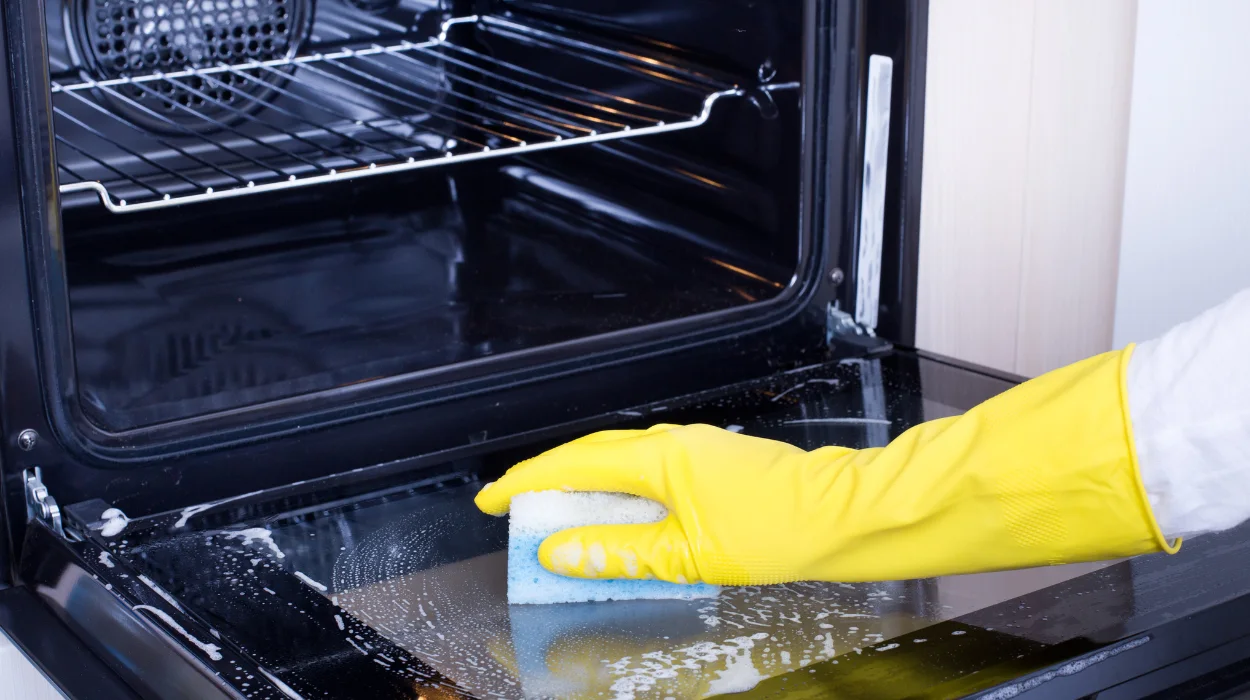
Oven Cleaning Services in Farnworth are commonly requested when electric ovens begin showing thick black carbon layers inside trays, walls, and heating areas. Black carbon buildup forms when grease, oils, food particles, and cooking residue repeatedly burn during high-temperature cooking cycles. Over time, these materials harden into stubborn deposits that ordinary wiping cannot remove effectively. Many households ignore the early warning signs, allowing residue to accumulate gradually until smoke, odours, and uneven cooking become noticeable problems inside the appliance.
Electric ovens create enclosed dry heat that continuously circulates around food during cooking. While this improves cooking consistency, it also spreads grease vapours and tiny food particles across internal oven surfaces. Once exposed to repeated heating, these contaminants carbonize into dark residue that sticks firmly to enamel surfaces, fan systems, and heating compartments. The longer the buildup remains untreated, the harder it becomes to remove safely without specialist cleaning methods.
Why Grease Is the Main Cause of Carbon Deposits
Grease is one of the biggest reasons electric ovens develop black carbon buildup. During roasting, grilling, or baking, oils and fats naturally splatter across trays, oven walls, and heating elements. Every time the oven heats again, those grease particles burn repeatedly and gradually transform into hardened carbon residue. This process continues even when the visible grease appears minor after cooking.
Fatty foods such as roasted meats, cheese dishes, and fried products accelerate the buildup process significantly. Cooking without tray covers or protective liners allows grease vapours to circulate freely throughout the oven cavity. These vapours settle onto internal surfaces where they bake into dark stains after repeated exposure to heat. Professional technicians at Bee Cleaning Services Manchester often find that neglected grease accumulation is the main source of persistent smoke and unpleasant cooking odours.
Another issue with grease-related carbon buildup is airflow contamination. Once grease reaches internal fan systems or hidden compartments, the residue continuously reheats during cooking cycles. This spreads burnt smells throughout the appliance and may affect the taste of freshly cooked food over time.
How Food Spills Turn Into Hardened Carbon
Food spills are another major contributor to black carbon buildup inside electric ovens. Small crumbs, sauces, melted cheese, and sugary liquids may seem harmless initially, but repeated heating transforms them into dense carbon deposits. Once food residue burns several times, it bonds tightly with oven surfaces and becomes far more difficult to remove than fresh spills.
Sugary foods are especially problematic because sugar caramelizes rapidly under high temperatures. As it burns, it leaves behind sticky black residue that traps additional grease and dirt. Frozen pizzas, baked pasta dishes, and roasting trays frequently create spills that gradually carbonize beneath oven racks and tray holders. Many homeowners do not notice these hidden deposits until the oven begins producing visible smoke during ordinary cooking sessions.
Cleaning food residue immediately after cooking greatly reduces long-term carbon buildup. However, once the residue hardens through repeated heating cycles, ordinary kitchen sprays usually become ineffective. This is one reason many households eventually seek professional Oven Cleaning Services in Farnworth to restore heavily used electric ovens safely.
Why Self-Cleaning Oven Cycles Sometimes Fail
Modern electric ovens often include self-cleaning functions designed to burn away residue using extremely high temperatures. While these systems can reduce light dirt, they are not always effective against thick grease and advanced carbon buildup. In heavily contaminated ovens, self-cleaning cycles may actually worsen smoke and odour problems.
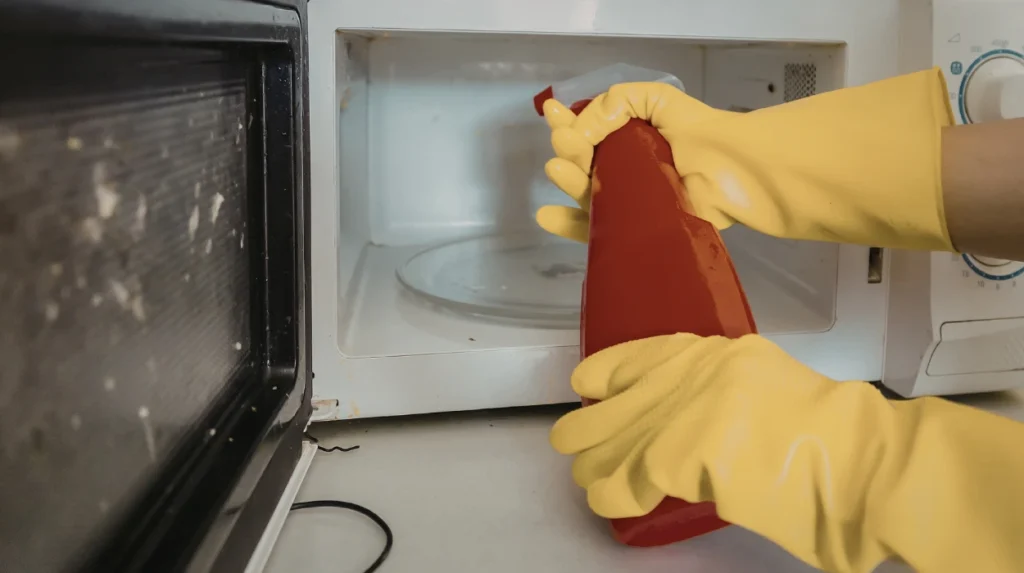
During the cleaning process, large amounts of grease and burnt food are exposed to intense heat all at once. Instead of disappearing completely, some residue partially burns and settles back onto oven surfaces as ash-like carbon material. This often leaves stubborn stains around fan systems, ventilation openings, and heating components that remain difficult to remove afterward.
Another common issue is overreliance on self-cleaning features without routine maintenance between cycles. Many users assume the appliance cleans itself fully, while hidden grease continues accumulating behind removable panels and underneath trays. Bee Cleaning Services Manchester regularly cleans ovens where self-cleaning functions have failed to remove deeply embedded carbon deposits.
How Carbon Buildup Affects Oven Performance
Black carbon buildup does more than create an untidy appearance. Thick deposits interfere with heat distribution and airflow inside the oven cavity, reducing cooking efficiency and consistency. Food may cook unevenly because carbon-covered surfaces absorb and redirect heat differently across the appliance interior.
Heating elements coated in grease residue may also lose effectiveness over time. This forces the oven to work harder and maintain high temperatures for longer periods, potentially increasing energy usage. In fan-assisted ovens, carbon accumulation around ventilation systems can disrupt airflow and reduce cooking precision during baking or roasting.
Carbon buildup also creates hygiene concerns. Burned residue releases smoke and strong odours whenever the oven heats up. These fumes may affect indoor air quality and alter food flavour during cooking. Many households only realise the severity of buildup when smoke alarms begin triggering regularly during normal meal preparation.
Hidden Areas Where Carbon Commonly Builds Up
One of the biggest challenges with electric ovens is that carbon buildup often develops in hidden areas that users rarely inspect. Beneath the oven floor panel, around tray rails, behind fan covers, and inside door edges are common locations where grease and burnt residue accumulate over time. These hidden deposits continue reheating during every cooking cycle, even if visible surfaces appear reasonably clean.
Oven doors are another major problem area. Grease vapours condense on internal glass panels where they slowly harden into dark carbon stains. This buildup reduces visibility and traps additional heat within the door structure. Many DIY cleaning attempts fail because homeowners cannot safely access these enclosed sections properly.
Fan compartments also collect grease quickly due to constant airflow circulation. Once residue builds around the fan, it spreads burnt particles throughout the appliance during cooking. Professional cleaning methods are often required to fully remove contamination from these difficult-to-reach areas without damaging internal components.
Why Store-Bought Oven Cleaners Often Struggle
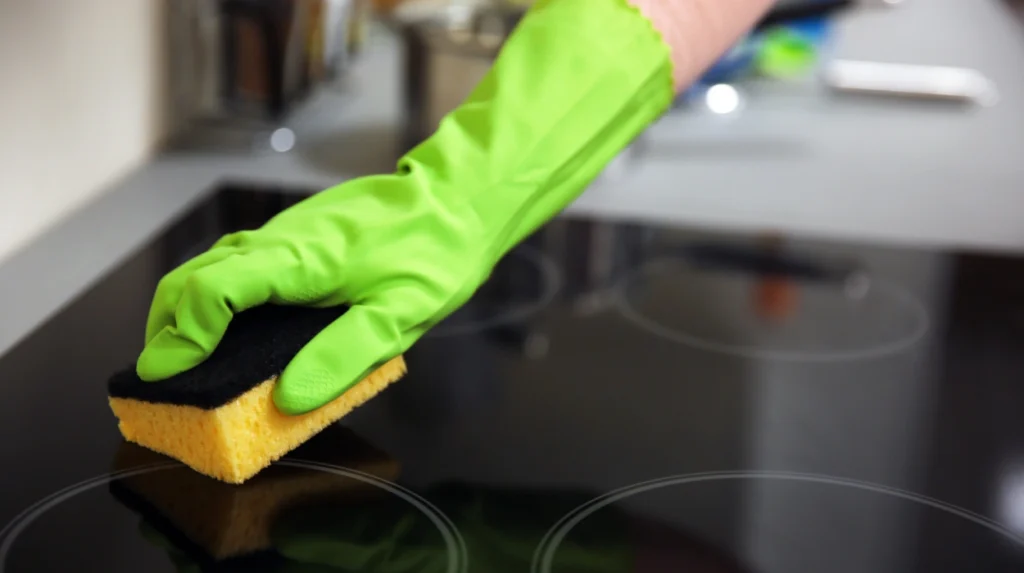
Many supermarket oven cleaners are designed for light maintenance rather than severe carbon buildup. Hardened residue requires stronger degreasing methods and longer treatment times than most standard household sprays can provide. While these products may remove surface dirt temporarily, deeply carbonized grease often remains underneath.
Aggressive scrubbing also creates risks for oven interiors. Abrasive tools can scratch enamel coatings, damage protective finishes, or weaken delicate components around heating systems. Some chemical cleaners also produce strong fumes that become unpleasant inside poorly ventilated kitchens.
Incomplete cleaning is another frequent issue with DIY methods. Visible surfaces may appear cleaner after treatment, but hidden grease trapped around fans, hinges, and heating elements often remains untouched. This leftover contamination continues producing smoke and carbon buildup during future cooking cycles.
Preventing Black Carbon Buildup in Electric Ovens
Preventing carbon buildup starts with consistent oven maintenance habits. Spills should be cleaned shortly after cooking once the appliance cools safely. Fresh grease and food residue are far easier to remove before they harden through repeated heating cycles.
Using oven-safe trays, roasting covers, and protective liners can also reduce grease spread significantly. Covered dishes prevent airborne oils from circulating throughout the oven cavity, while routine tray cleaning minimizes burnt residue accumulation beneath cooking surfaces.
Regular professional cleaning is especially beneficial for households that cook frequently or prepare grease-heavy meals. Deep cleaning methods target hidden contamination that ordinary household maintenance cannot fully remove. Bee Cleaning Services Manchester provides specialist cleaning solutions designed to restore electric ovens safely while protecting delicate internal surfaces.
The problem usually develops from repeated grease exposure, burnt food spills, sugary residue, and long-term neglect of regular cleaning. As these materials repeatedly burn under high temperatures, they harden into stubborn carbon deposits that affect oven hygiene, airflow, and cooking performance.
Routine maintenance and early spill removal can reduce buildup significantly, but advanced carbon contamination often requires deeper professional treatment. Bee Cleaning Services Manchester continues to provide practical and reliable Oven Cleaning Services in Farnworth for households looking to maintain cleaner, safer, and more efficient kitchen appliances.
FAQs About Best Oven Cleaning Services in Farnworth for Carbon Buildup
Why does my electric oven keep producing black smoke while cooking?
Black smoke usually comes from burned grease, old food residue, or carbon buildup stuck around heating elements and trays. Every time the oven heats up, these deposits burn again and release smoke. Regular deep cleaning helps prevent this problem from getting worse over time.
Can black carbon buildup damage an electric oven permanently?
Yes, heavy carbon buildup can affect airflow, reduce heating efficiency, and place extra strain on oven components. Over time, neglected residue may shorten the lifespan of heating elements and fan systems. Routine maintenance helps keep the appliance working safely and efficiently.
Why do self-cleaning ovens still smell bad after cleaning cycles?
Self-cleaning functions often burn surface residue but may not fully remove thick grease hidden behind panels or around fans. The remaining burnt particles continue producing odours during cooking. This is why some ovens still smell unpleasant even after using the self-clean feature.
Is professional oven cleaning better than store-bought oven kits?
Professional cleaning usually reaches hidden areas that DIY kits cannot clean properly. Store-bought products may remove light grease, but hardened carbon deposits often need specialist degreasing methods. Professional services also reduce the risk of damaging oven surfaces with harsh scrubbing tools.
How often should an electric oven be professionally cleaned?
For average households, professional oven cleaning every 4 to 6 months helps prevent severe grease and carbon buildup. Homes that cook frequently, especially with roasted or greasy foods, may need cleaning more often. Regular maintenance improves hygiene, cooking performance, and energy efficiency.