

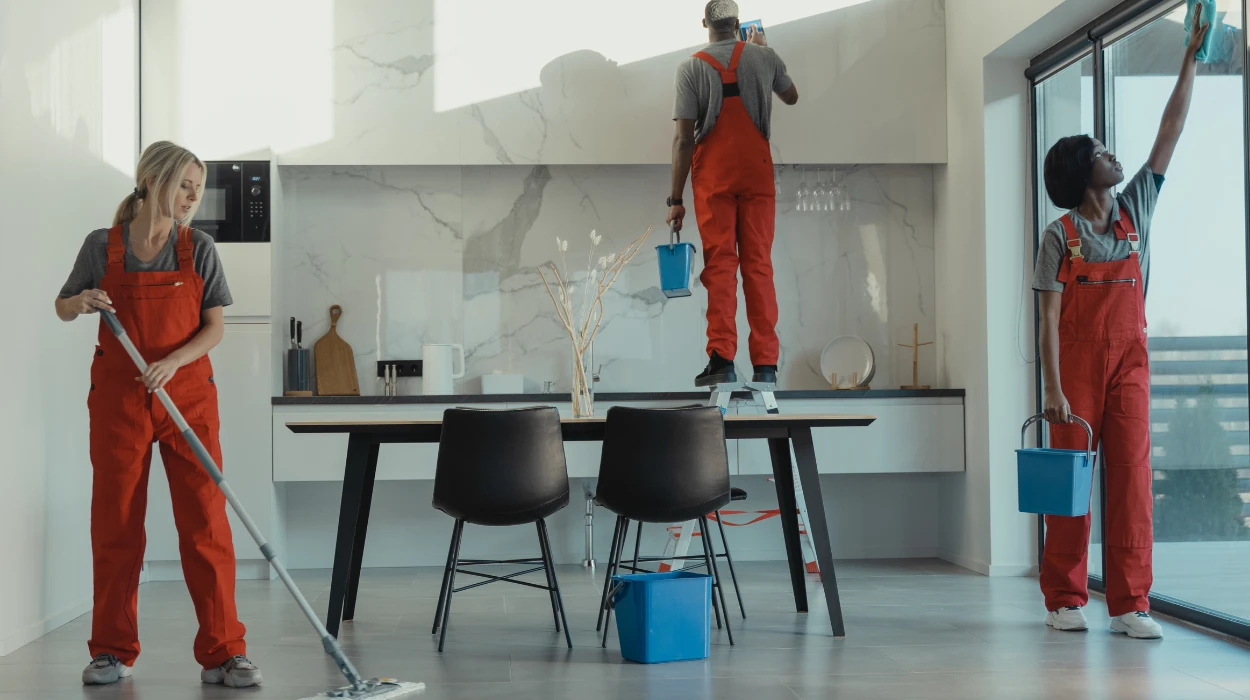
End of lease cleaning includes a detailed clean of kitchens, bathrooms, bedrooms, living areas, floors, fixtures, and other commonly inspected parts of a rental property. The aim is to leave the property clean, hygienic, and ready for the landlord or letting agent’s final inspection.
What Is Included in an End of Lease Cleaning?
An end of lease cleaning is more detailed than an ordinary household clean because the entire property needs attention before the tenancy ends. The work normally covers visible surfaces as well as areas that may be checked during a final inspection. This can include removing accumulated dust, cleaning floors, sanitising bathrooms, degreasing kitchen surfaces, and wiping fixtures throughout the property. The exact scope depends on the tenancy agreement, property condition, and any requirements recorded in the original inventory. A professional cleaning team can also identify areas that are commonly overlooked during a rushed move-out clean. This makes the service useful when time is limited and the property needs a consistent standard before handover.
For tenants in Oldham, the most important step is to understand what the landlord or letting agent expects before booking. The tenancy agreement and check-in inventory can indicate whether particular appliances, carpets, windows, or other areas require additional attention. Professional cleaners can then work around those requirements instead of treating every property as identical. This approach is particularly useful for larger homes where several rooms require different cleaning methods. Bee Cleaning Services Manchester provides professional cleaning solutions for properties requiring detailed move-out preparation. A clear cleaning scope also helps tenants understand which specialist treatments may need to be arranged separately.
Kitchen Cleaning at the End of a Lease
The kitchen is usually one of the most important areas during a final property inspection because grease, food residue, and limescale can become highly visible. A thorough end of lease clean normally involves wiping worktops, splashbacks, cupboard fronts, sinks, taps, and accessible surfaces. Floors are vacuumed and mopped, while visible marks around doors, handles, and switches are cleaned carefully. Where included in the agreed service, appliances such as ovens, hobs, extractor areas, refrigerators, and microwaves can receive additional attention. The objective is to remove accumulated dirt rather than simply make the kitchen appear tidy. Particular attention should be given to areas that have experienced heavy daily use during the tenancy.
Oven and Appliance Cleaning
Oven cleaning can require additional time because baked-on grease is more difficult to remove than ordinary surface dust. A suitable degreasing treatment can loosen deposits from racks, trays, internal surfaces, and accessible areas. Cleaning products should always be selected according to the appliance manufacturer’s guidance to avoid damaging finishes or components. Refrigerators should be emptied before cleaning if their internal surfaces are included in the agreed scope. Small appliances and extractor areas may also need attention where cooking residue has accumulated. Tenants should confirm these details when obtaining a quotation so there is no uncertainty about what the service covers.
Bathroom Cleaning and Sanitisation
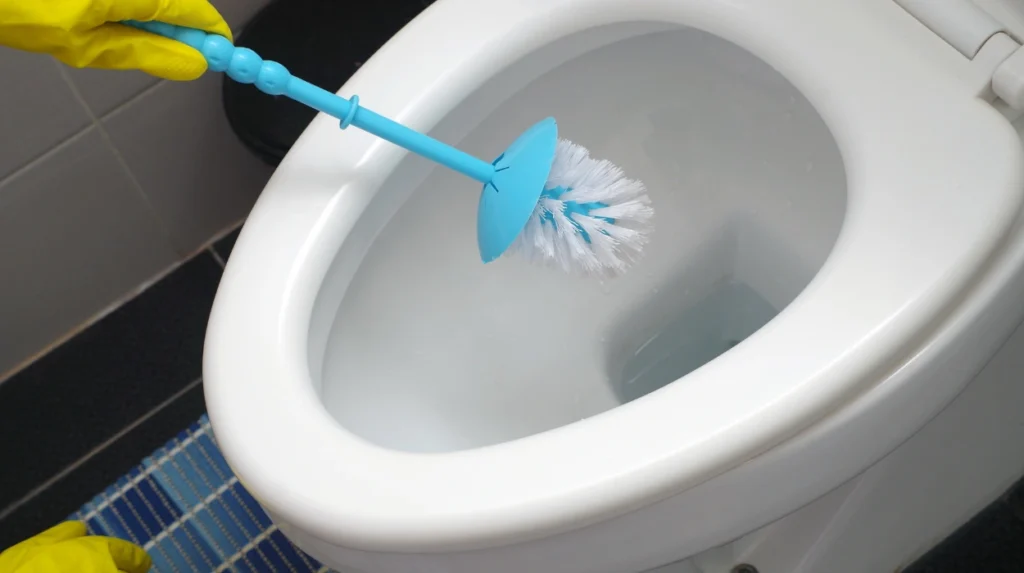
Bathrooms require detailed cleaning because soap residue, limescale, moisture, and everyday use can leave visible deposits on multiple surfaces. A professional clean normally addresses toilets, sinks, taps, showers, baths, mirrors, tiles, and accessible floor areas. Limescale around taps and shower fittings may require a suitable descaling treatment rather than ordinary surface wiping. Grout lines and corners can also receive additional attention where dirt has accumulated. High-touch areas such as handles and switches should be cleaned as part of the wider hygiene process. The final result should leave the bathroom visibly clean and free from avoidable residue before inspection.
Shower Screens, Tiles and Fixtures
Glass shower screens can show water marks and mineral deposits even when the rest of the bathroom looks clean. Professional cleaners use appropriate products and cleaning-equipment for glass, tiles, chrome, ceramic, and other surfaces. Abrasive products should be avoided when they could scratch delicate finishes or damage protective coatings. Mirrors are cleaned to remove fingerprints and streaks, while accessible fixtures are wiped and polished where appropriate. The same careful approach applies to shower fittings, taps, handles, and other frequently touched surfaces. These smaller details can make a noticeable difference during a final visual inspection.
Bedroom and Living Area Cleaning
Bedrooms and living areas require systematic dust removal, vacuuming, floor care, and surface cleaning before a property is handed back. Skirting boards, doors, door frames, light switches, shelves, and accessible furniture surfaces can collect dust throughout a tenancy. Carpets should be thoroughly vacuumed, while hard floors should be cleaned using products suitable for their specific material. Marks on accessible surfaces may require spot treatment where the material allows it. Empty rooms are generally easier to clean because furniture no longer blocks access to corners and floor areas. However, tenants should not assume that moving out automatically means every mark or item can be removed through cleaning.
Carpet condition is especially important when the original inventory records a professional clean or identifies existing stains. Professional carpet treatment may be appropriate when visible soiling is beyond normal daily wear. However, cleaning cannot necessarily restore permanent fibre damage, fading, or other deterioration caused by age or ordinary use. The distinction between cleaning requirements and fair wear and tear should therefore be considered before the final inspection. Bee Cleaning Services Manchester can provide professional cleaning solutions for rental properties where carpets and other high-use surfaces require additional attention. Reviewing the original inventory remains important because it establishes the condition against which the property may be assessed.
What About Windows, Doors and Skirting Boards?
Small surfaces can be easy to overlook during a move-out clean, yet they contribute significantly to the overall appearance of a property. Internal window glass, sills, frames, doors, handles, skirting boards, and accessible ledges may collect dust and fingerprints during normal occupation. Cleaning these areas helps create a consistent finish throughout the property instead of leaving isolated dirty sections. Internal windows can be cleaned with suitable glass-cleaning methods to reduce streaks and residue. Door frames and skirting boards should be checked for visible marks before the property is handed over. External windows are often treated as a separate service unless they are specifically included in the quotation.
Floors and Carpets
Floor cleaning forms another important part of a complete move-out clean because dirt accumulates heavily in entrances, kitchens, hallways, and other high-traffic areas. Hard floors can usually be vacuumed or swept before mopping with a suitable product for the flooring material. Carpeted areas require thorough vacuuming to remove loose dust, hair, and debris from the fibres. Where stains or heavy soiling remain, specialist carpet cleaning may be considered as an additional treatment. Professional cleaning-equipment can make a significant difference when dealing with larger areas or embedded dirt. The correct method should always match the carpet or flooring type to avoid unnecessary damage.
Does End of Lease Cleaning Include Cleaning Inside Cupboards?
Inside cupboards and built-in storage areas are commonly overlooked during ordinary cleaning but may be relevant at the end of a tenancy. Empty cupboards can be vacuumed or wiped to remove crumbs, dust, hair, and other residue. Kitchen drawers and cabinets may need extra attention because food particles and grease can accumulate around handles and internal corners. Wardrobes and storage units can similarly collect dust during the tenancy. Whether internal storage areas are included depends on the agreed cleaning specification. Tenants should confirm this before the appointment, particularly if the property is being inspected against a detailed inventory.
What Cleaning-Equipment Is Used?
Professional cleaners generally use equipment selected according to the surface and type of contamination being treated. Common items can include commercial vacuum cleaners, microfibre cloths, mops, brushes, glass-cleaning tools, and specialist floor or carpet equipment. Colour-coded materials can help separate equipment used in bathrooms from equipment used in kitchens and living areas. Appropriate cleaning products are selected according to surfaces such as glass, stainless steel, ceramic, wood, laminate, and painted finishes. Using suitable cleaning-equipment helps improve consistency while reducing the risk of transferring dirt between different areas. Professional teams may also use specialist machinery when a standard household clean is insufficient.
What Is Usually Not Included Automatically?
Not every cleaning task is automatically included in a standard end of lease package. Specialist carpet extraction, upholstery cleaning, exterior window cleaning, mould treatment, heavy stain removal, and appliance interiors may require additional arrangements. The same applies to rubbish removal, garden work, repairs, painting, or the removal of unwanted belongings. These activities are different from ordinary cleaning and may require separate equipment, labour, or specialist expertise. Asking for a written scope before booking helps prevent misunderstandings about what is included. It also makes it easier to compare quotations from different cleaning providers fairly.
How Should You Prepare Before the Clean?
Preparation can make the final cleaning appointment more efficient because cleaners can focus on the property rather than removing personal belongings. Tenants should normally remove furniture and possessions that they are taking with them before the cleaning team arrives. Food, rubbish, clothing, and other loose items should also be cleared wherever possible. Appliances should be emptied if their interiors are included in the service. Keys, access arrangements, parking information, and the inspection deadline should be confirmed in advance. Most importantly, tenants should check their tenancy agreement and inventory so the cleaning plan reflects the actual handover requirements.
How Can You Check the Property Before Handover?
A final walkthrough can help identify areas that were missed during packing or cleaning. Check the kitchen for grease, appliance residue, cupboard interiors, and marks around handles. In bathrooms, inspect taps, shower screens, tiles, toilets, mirrors, and floor edges for visible deposits. Bedrooms and living spaces should be checked for dust on skirting boards, doors, switches, and accessible surfaces. Floors and carpets should also be inspected under normal lighting because marks can become more noticeable once furniture has been removed. Taking dated photographs after cleaning can provide a useful record of the property’s condition at handover.
Why Does a Detailed Cleaning Scope Matter?
A written cleaning scope gives tenants and cleaning companies a shared understanding of the work being requested. It should identify the property size, number of rooms, major appliances, flooring types, specialist treatments, and any exclusions. This is particularly important when the property has unusual requirements or when the tenant has a strict inspection deadline. Clear communication also makes it easier to establish whether carpet, oven, window, or upholstery cleaning is included. A detailed scope reduces the chance of discovering an unexpected omission on the day of the final inspection. It also allows the cleaning team to bring the appropriate cleaning-equipment and products for the job.
When Should You Book an End of Lease Clean?
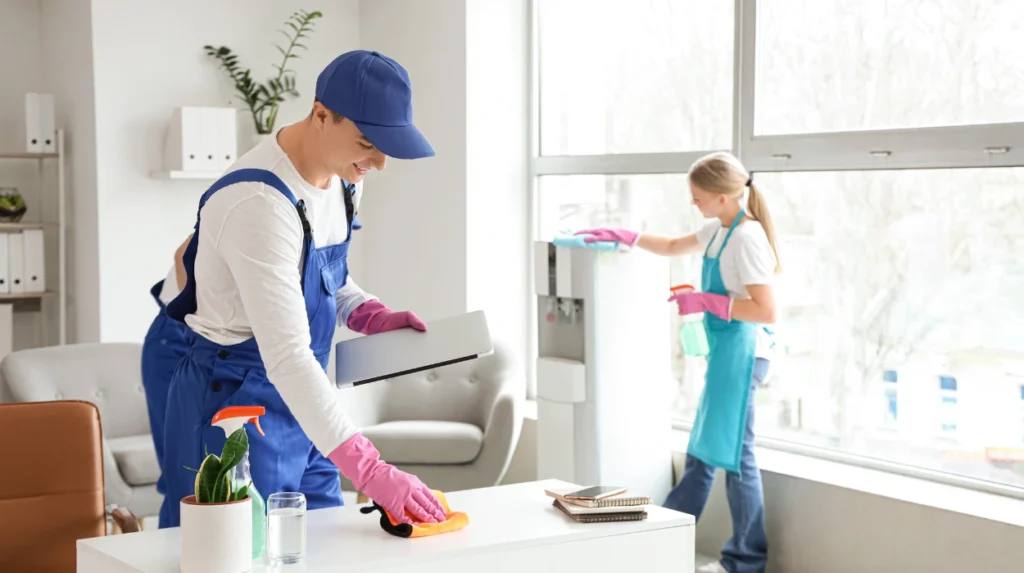
The best time to arrange a move-out clean depends on the tenancy end date, access arrangements, and inspection schedule. Ideally, cleaning should be completed after personal belongings have been removed and before the landlord or agent conducts the final inspection. Booking too close to the handover deadline can create unnecessary pressure if the property requires additional work. Same-day or urgent availability may sometimes be possible, but this depends on the provider’s schedule and the size and condition of the property. Planning ahead gives tenants more opportunity to review the result and address any overlooked areas.
For further preparation, tenants can review guidance on passing a final inspection when moving out to understand which details deserve attention before handover.
What Should You Look for When Hiring a Cleaning Service?
When comparing providers, look beyond the basic description of “deep cleaning” and ask exactly what the quoted service covers. A reliable provider should explain the rooms, surfaces, appliances, flooring, and specialist treatments included in the agreed scope. It is also useful to ask whether the team supplies its own cleaning products and cleaning-equipment. Availability, insurance, staff experience, pricing structure, and communication should also be considered. A written quotation can help you compare services without relying only on headline prices. This approach is particularly useful when the clean has to be completed before a fixed inspection date.
Tenants who want to understand the difference between a general one-off clean and a more comprehensive service can also review what a one-off cleaning service includes in Oldham. This can help clarify why property condition, size, and specialist requirements influence the amount of work involved.
A complete end of lease clean should cover the property systematically, from kitchens and bathrooms to floors, carpets, storage areas, doors, fixtures, and other commonly inspected surfaces. The exact scope should always be checked against the tenancy agreement, inventory, property condition, and cleaning quotation. Planning the work before the final inspection gives tenants a better opportunity to identify and address cleaning-related issues. For residents arranging End of Lease Cleaning Services in Oldham, Bee Cleaning Services Manchester provides professional cleaning solutions designed around practical property-cleaning requirements. A clear scope, suitable cleaning-equipment, and careful room-by-room process can make the handover cleaner and more organised.
FAQs About End of Lease Cleaning
Does an end of lease clean include the kitchen?
Yes, a comprehensive service normally includes kitchen surfaces, sinks, floors, cupboard fronts, splashbacks, and other accessible areas. Oven and appliance interiors should be confirmed because they may be separate or specialist services.
Are carpets included in end of lease cleaning?
Carpet vacuuming is commonly included, while professional carpet extraction or stain treatment may be an additional service. The appropriate treatment depends on the carpet condition and tenancy requirements.
Does end of lease cleaning include windows?
Internal windows may be included in some cleaning packages, but external window cleaning is often separate. Always check the written scope before booking if windows are important for the final inspection.
Do cleaners bring their own equipment?
Professional cleaning companies commonly supply their own equipment and products. However, this should be confirmed during booking, particularly if specialist carpet, floor, or appliance cleaning is required.
Can professional cleaning guarantee a deposit return?
No cleaning service can automatically guarantee a deposit return because deductions can involve issues beyond cleanliness, including damage, unpaid rent, or fair wear and tear. A thorough clean can, however, help address cleaning-related concerns before inspection.