

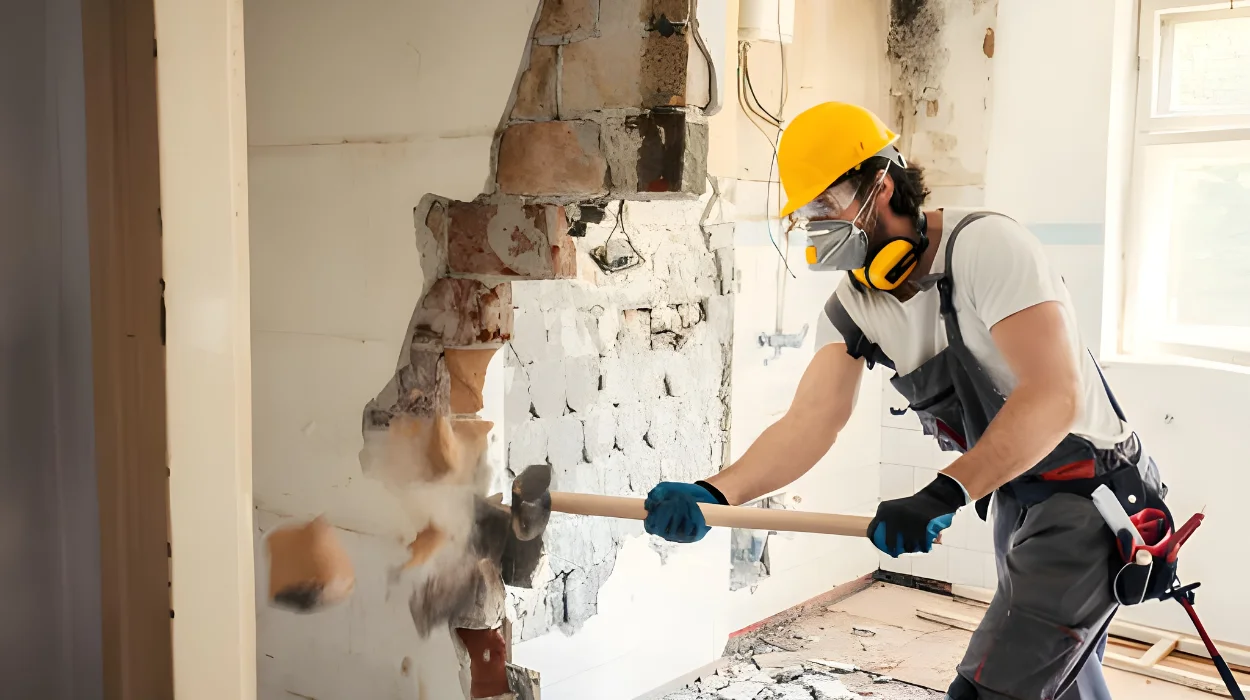
Post-construction cleaning involves removing dust, debris, adhesive residues, and building waste after renovation or construction work. It ensures the property is safe, hygienic, and ready for occupancy or inspection.
This specialised cleaning process goes far beyond standard cleaning. It requires professional equipment, trained cleaners, and a structured approach to deal with construction dust, paint splatters, and leftover materials that builders typically leave behind.
Post-Construction Cleaning
Construction and renovation projects often leave behind a significant amount of dust, debris, and residue that cannot be removed through regular cleaning methods. Post-construction cleaning focuses on restoring the property to a livable or workable condition once builders complete their tasks. The process targets fine dust particles, leftover building materials, and surface contaminants that accumulate during construction activities.
Unlike routine cleaning, this service requires specialised techniques because construction dust spreads easily through ventilation systems, carpets, and hard surfaces. Professional cleaners understand how to remove these contaminants without damaging newly installed floors, fixtures, or painted surfaces. This ensures that the building is presented in its best possible condition before occupants move in.
For property owners and contractors in Farnworth, professional services such as Construction Cleaning Services in Farnworth help prepare properties for handover, inspection, or immediate use.
Why Post-Construction Cleaning Is Necessary
After construction work, properties often appear finished but still contain hidden dust and debris. Fine particles from drywall, wood cutting, cement, and plaster can settle on surfaces throughout the building. These particles can affect air quality and create an unhealthy indoor environment if not properly removed.
Post-construction cleaning also improves safety within the property. Loose nails, wood splinters, packaging materials, and leftover adhesives may remain after building work. Removing these hazards helps reduce the risk of injury and ensures that the space meets health and safety expectations.
Another important reason is presentation. Newly constructed or renovated spaces should look clean, polished, and ready for use. Thorough cleaning highlights the quality of the construction work by removing stains, fingerprints, and protective film from surfaces.
The Three Main Phases of Post-Construction Cleaning
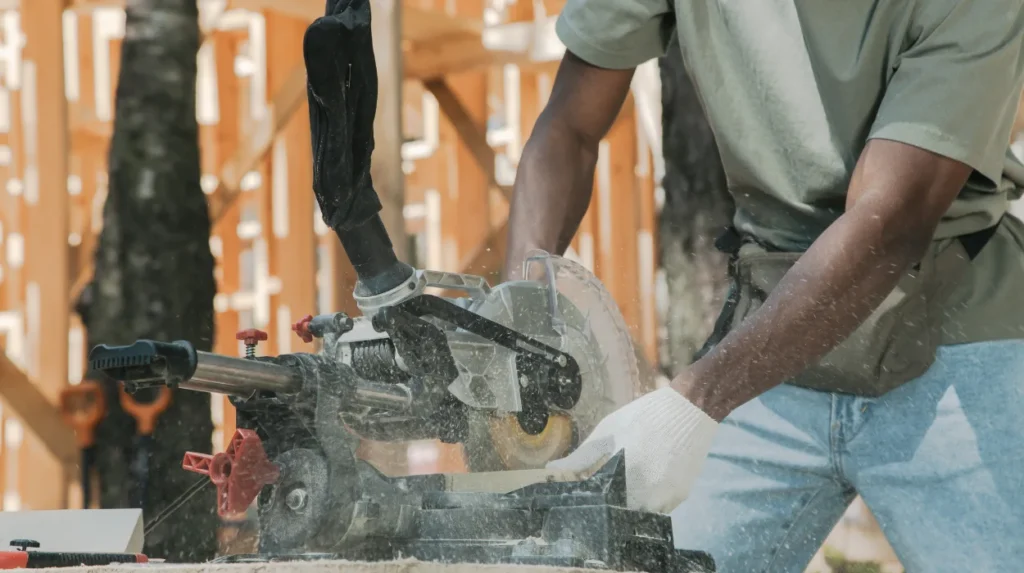
Post-construction cleaning is typically completed in several stages to ensure thorough results. Each stage focuses on different tasks depending on the condition of the property and the type of construction work completed.
Rough Cleaning Stage
The rough cleaning stage takes place shortly after the major construction work finishes. During this phase, cleaners remove large debris such as wood scraps, packaging materials, and leftover building supplies. The goal is to clear the space so that the final cleaning stages can be performed effectively.
Workers also begin wiping down surfaces to remove initial dust buildup. Protective stickers, labels, and plastic coverings that remain on windows, appliances, or fixtures are often removed during this stage. Although the property will still require additional cleaning, rough cleaning creates a manageable starting point.
Detailed Cleaning Stage
The detailed cleaning phase is the most intensive part of the process. At this stage, cleaners focus on removing fine dust and construction residue from all surfaces within the property. Walls, ceilings, floors, and fixtures are carefully cleaned to remove stubborn particles that remain after building work.
Windows, window tracks, and frames receive special attention because construction dust often accumulates in these areas. Floors are vacuumed using industrial equipment that captures fine particles that normal vacuums cannot handle. Hard surfaces are then cleaned with appropriate solutions to remove paint marks, adhesive residue, and plaster dust.
This phase often requires several passes because construction dust tends to resettle after initial cleaning.
Final Touch Cleaning
The final stage focuses on preparing the property for occupancy or inspection. During this phase, cleaners polish surfaces, clean mirrors and glass panels, and ensure that all areas look presentable. Kitchens, bathrooms, and newly installed fixtures are sanitised to remove fingerprints and dust that may have settled after earlier cleaning.
Attention to detail becomes particularly important during this stage. Small marks, smudges, or leftover debris are removed to ensure the property appears completely finished. This step transforms a construction site into a clean and functional environment.
Areas Typically Cleaned During Post-Construction Cleaning
Post-construction cleaning involves a wide range of surfaces and structural elements within the property. Each area requires specific cleaning methods to remove construction residue without damaging newly installed materials.
Floors often require multiple cleaning techniques depending on the material used. Hardwood, tile, laminate, and carpeted surfaces all respond differently to construction dust and adhesive residue. Professional cleaners apply suitable methods to ensure surfaces are cleaned safely.
Walls and ceilings are also important because dust from sanding and plaster work spreads easily across vertical surfaces. Light fixtures, ventilation vents, and door frames frequently collect fine particles during construction and must be wiped thoroughly.
Bathrooms and kitchens require detailed sanitisation because they contain multiple fixtures, cabinets, and fittings where dust can accumulate. Countertops, sinks, and appliances must be carefully cleaned to remove construction residue before the property becomes usable.
For property developers seeking a complete preparation process, professional post construction property cleaning solutions in Farnworth help ensure that every area meets cleanliness expectations before occupancy.
Tools and Equipment Used in Construction Cleaning
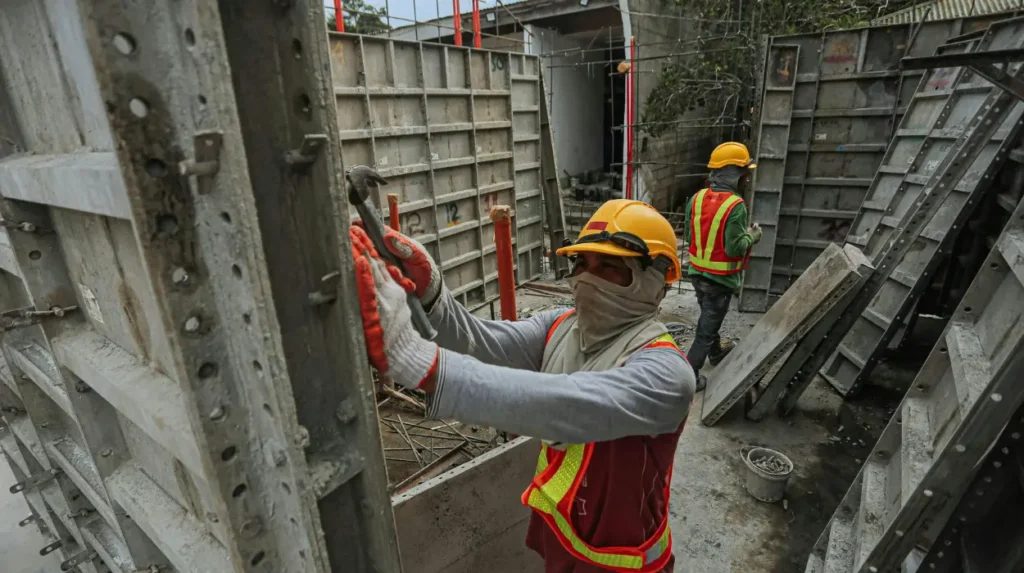
Construction cleaning requires professional-grade tools designed to manage heavy debris and fine dust. Standard household equipment is usually not sufficient to remove construction particles that settle deeply into surfaces.
Industrial vacuum cleaners with high-efficiency filters are commonly used to capture fine dust from carpets, floors, and vents. Microfiber cloths help trap dust particles rather than spreading them across surfaces. Specialised scrapers and non-abrasive cleaning solutions remove paint splatters and adhesive marks without damaging finishes.
Protective equipment is also an important part of the process. Cleaning professionals often use gloves, masks, and eye protection while working in areas where construction dust may still be present. This ensures both safety and effective cleaning results.
Professional companies such as Bee Cleaning Services Manchester rely on this specialised equipment to perform thorough cleaning without risking damage to newly installed materials.
Common Challenges in Post-Construction Cleaning
Cleaning a construction site presents several challenges that differ from routine cleaning tasks. One of the most common issues is the persistence of fine dust. Even after cleaning surfaces once, dust may resettle from ventilation systems or high areas that were not previously addressed.
Adhesive residue and paint splatters also require careful removal techniques. Using the wrong chemicals or tools can damage delicate surfaces such as polished floors or newly painted walls. Professional cleaners understand which solutions are appropriate for different materials.
Another challenge is time management. Construction projects often have tight deadlines before handover or occupancy. Coordinating cleaning services with construction schedules ensures the property is ready on time without delaying inspections or move-in dates.
Understanding these challenges is important when selecting a professional cleaning provider. Businesses and property owners can learn more about evaluating providers by reviewing important questions to ask before hiring a construction cleaning company in Farnworth.
When Should Post-Construction Cleaning Be Scheduled?
Timing is an important factor when planning post-construction cleaning. The service should typically be scheduled once major construction work is complete and contractors have removed most building equipment from the property. This allows cleaners to access all areas without interference.
In larger projects, cleaning may be scheduled in phases while construction continues in other sections of the building. This helps maintain safe working conditions and ensures that finished areas remain presentable.
Property managers and developers also schedule cleaning shortly before inspections or property handovers. Completing the cleaning too early may allow dust to accumulate again if construction continues nearby.
Proper scheduling ensures that cleaning efforts deliver lasting results and that the property is presented in its best condition when it matters most.
The Value of Professional Construction Cleaning
While some construction teams perform basic cleanup, professional cleaning services provide a much higher level of detail. Specialists are trained to remove construction residue from delicate surfaces without causing damage. They also understand how dust spreads throughout buildings and how to eliminate it effectively.
Professional cleaners also work more efficiently because they use equipment specifically designed for construction environments. This allows them to handle large areas and difficult cleaning tasks that would take much longer using standard cleaning tools.
For property owners in Farnworth, hiring experienced cleaners helps ensure that newly completed spaces are safe, hygienic, and visually appealing before occupancy. Businesses that want to prepare their property quickly can explore getting a professional quote for construction cleaning services in Farnworth to determine the most suitable cleaning approach for their project.
Post-construction cleaning is an essential step in completing any building or renovation project. The process removes construction debris, eliminates fine dust, and prepares the property for safe use. Through structured stages such as rough cleaning, detailed cleaning, and final touch cleaning, the property is transformed from a construction site into a clean and functional space.
Professional cleaning teams understand how to manage construction residue, delicate materials, and strict project timelines. Their specialised equipment and structured approach ensure that every surface receives proper attention.
Bee Cleaning Services Manchester provides professional cleaning solutions designed to support property developers, businesses, and homeowners after construction work. With careful methods and industry knowledge, the team helps ensure that newly completed spaces are clean, safe, and ready for use.
What is the 30 3 rule for cleaning?
The 30–3 rule encourages people to clean for 30 minutes and then take a 3-minute break to maintain productivity and avoid fatigue. This method helps cleaners stay focused while completing larger cleaning tasks efficiently.
What are the 4 pillars of cleaning?
The four pillars of cleaning include removing visible dirt, disinfecting surfaces, maintaining hygiene standards, and preventing contamination. Together, these steps ensure a space remains safe, healthy, and properly maintained.
What is a catchy slogan for cleaning?
A catchy cleaning slogan is a short phrase that highlights cleanliness and reliability. Examples include “Cleaning That Shines Every Time” or “Where Clean Meets Care,” which emphasize trust and quality service.
What are the 7S of cleaning checklist?
The 7S cleaning checklist expands on the workplace organization method: Sort, Set in order, Shine, Standardize, Sustain, Safety, and Spirit. This approach promotes efficiency, cleanliness, and a well-organized working environment.
What is the Japanese method of housekeeping?
The Japanese housekeeping method is commonly known as the 5S system, which focuses on organization and cleanliness. It includes Sort, Set in order, Shine, Standardize, and Sustain to maintain an orderly and efficient workplace.