
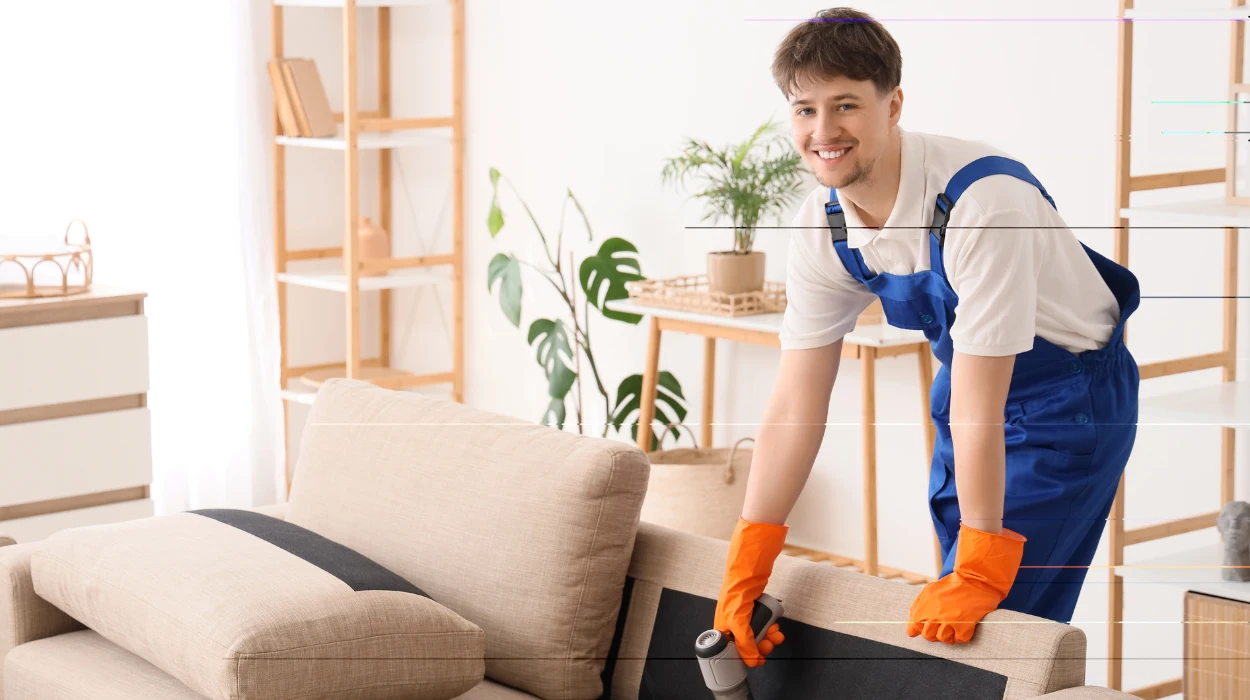
Your domestic seating fabric accumulates significant volumes of skin flakes, microscopic dust mites, airborne environmental allergens, and various strains of bacteria over months of daily use. Finding the best Upholstery Cleaning Services in Oldham requires understanding how specialized deep extraction methods work to completely restore structural fabric hygiene and protect indoor air quality.
The domestic living room serves as the central hub for relaxation in most households, yet the primary seating remaining there often acts as an unintended environmental filter. While visible spills and surface stains receive immediate structural attention, the hidden layers beneath the textile weave gradually collect daily bio-burden materials. Every individual who sits down displaces invisible particles into the air or forces them deeper into the internal polyurethane foam cushions. Over several months, this steady accumulation creates an ecosystem that supports microscopic life and harbors biological triggers that affect sensitive individuals. Understanding the exact nature of this invisible accumulation is the first step toward establishing a healthier, completely sanitized indoor environment.
The Microscopic Ecosystem of Household Dust Mites
Microscopic dust mites thrive inside residential soft furnishings due to the constant regulation of ambient indoor temperatures and the abundant presence of shed human skin cells. These organisms are invisible to the naked eye, yet their reproductive cycles and subsequent waste products accumulate heavily within tight fabric weaves. As these microscopic waste particles break down over time, they turn into highly concentrated particulate matter that easily becomes airborne whenever someone sits on the cushions. Vacuuming the surface removes only a small fraction of these deep-set particles, leaving the vast majority embedded within the internal backing materials. Over prolonged periods, this accumulation can cause minor respiratory irritation or skin sensitivity for individuals who spend long hours resting on the furniture.
Tracking the Accumulation of Airborne Allergens
Soft furnishings act like large, stationary filters that continuously catch floating environmental particles from open windows, pet activity, and foot traffic. Pollen grains, microscopic mold spores, and fine outdoor soot settle deep into the fabric valleys where standard household cleaning tools cannot reach them. For households with companion animals, pet dander forms a sticky bond with synthetic and natural fibers alike, resisting basic suction methods. This continuous chemical and organic accumulation remains stable within the lower support layers of the furniture for months at a time. Consequently, individuals with pre-existing environmental sensitivities may experience unexplained flare-ups while resting inside their main living spaces due to these trapped particles.
Identifying the Bacterial Strains in Cushion Foam
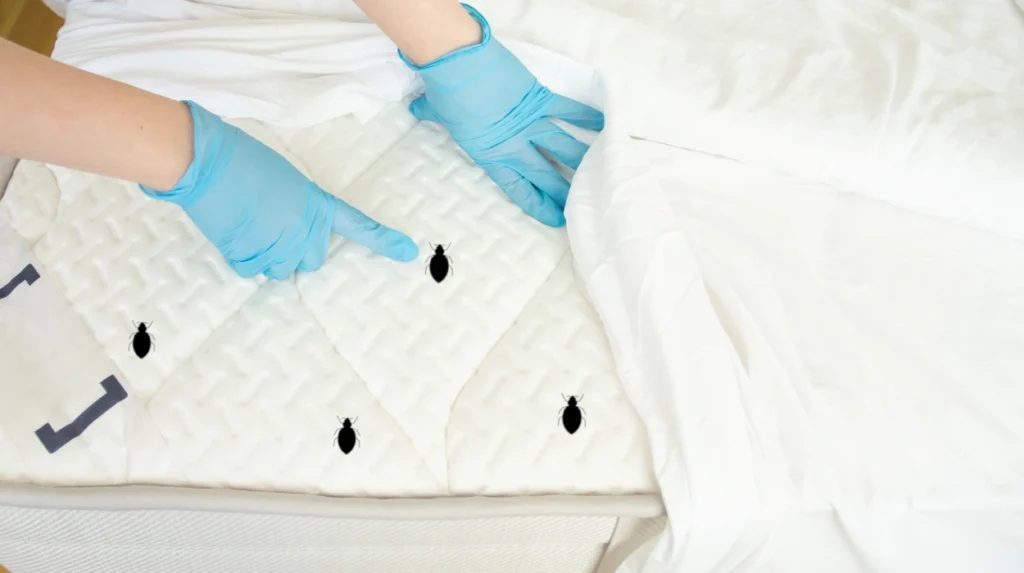
The warmth and subtle moisture introduced by regular human contact create an environment where various common bacterial strains can persist on fabric surfaces. Studies of domestic textiles frequently reveal the presence of environmental bacteria, skin-associated microbes, and outdoor pathogens brought in on clothing or bags. Food crumbs and accidental beverage spills that drop down between the seams provide a steady source of nutrients that helps these microbes survive. Without deep sanitization, these invisible colonies can cause faint, stubborn odors that persist no matter how much fabric refresher spray is applied. Eliminating this deep-seated biological presence requires deep thermal action or targeted sanitizing solutions designed to safely break down microbes without ruining the fabric.
The Limits of Standard Domestic Cleaning Methods
Standard household upright vacuums and over-the-counter foam sprays are designed primarily for superficial maintenance rather than deep structural decontamination. Consumer equipment generally lacks the high-powered water pressure and heavy-duty extraction suction needed to pull damp contaminants out from thick layers of foam. Topical chemical sprays often leave behind a sticky residue that can actually attract airborne dust and accelerate future particle build-up. Furthermore, over-wetting a couch with DIY spot cleaners without proper extraction can trap moisture inside, creating conditions that encourage mold growth. True restoration requires specialized equipment that can safely balance water temperature, pressure, and extraction force to remove deep-set particles without damaging underlying wood frames.
How Professional Upholstery Cleaning Services in Oldham Restore Hygiene
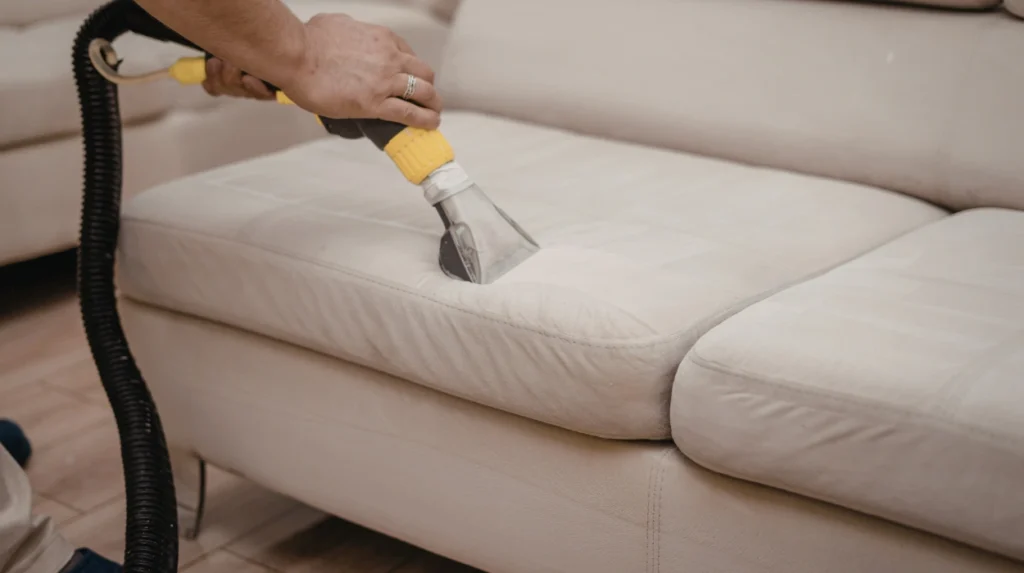
Professional intervention uses advanced truck-mounted or industrial portable hot water extraction systems to flush out the embedded bio-burden hidden deep inside your furniture. These systems inject pressurized sanitizing solutions deep into the cushion structure while simultaneously drawing out the dirty liquid with high-powered vacuum tools. This dual action removes dust mites, neutralizes embedded bacterial colonies, and lifts away sticky pet dander from the individual fibers. Property owners who utilize specialized Upholstery Cleaning Services in Oldham see a significant, measurable reduction in airborne dust and lingering fabric odors. Routine deep cleaning helps preserve the structural integrity of your furniture fibers while supporting a cleaner, more hygienic indoor living environment.
Long-Term Maintenance and Protecting Fabric Health
Maintaining a clean and hygienic sofa after a professional deep clean involves a combination of consistent surface care and managing the surrounding indoor environment. Using a vacuum with a certified HEPA filter weekly helps catch surface dust before it can settle deep into the backing material. Rotating loose cushions regularly distributes physical wear evenly and prevents dust from packing tightly into the high-pressure seating zones. For long-term protection, applying a specialized fabric protector can help repel liquids and keep dry soils from bonding with the fibers. Combining these simple preventative habits with periodic professional deep cleaning ensures your seating remains a safe, clean, and comfortable place for your family.
Frequently Asked Questions
How often should a family sofa undergo professional deep cleaning treatment?
Most residential seating should undergo a professional deep cleaning every twelve to eighteen months to manage dust and allergen levels. Households with pets, young children, or family members with respiratory sensitivities often require a shorter interval of six to nine months. Regular professional extraction stops organic matter from building up deep within the internal foam layers where standard vacuums cannot reach.
Can a dirty sofa affect the overall indoor air quality of a living room?
Yes, a contaminated sofa acts as a reservoir that releases dust, pet dander, and microscopic mite waste back into the air every time someone sits down. This motion creates an invisible cloud of fine particles that can circulate throughout the room and settle into nearby carpets or drapes. Regular deep extraction cleaning removes these hidden triggers, leading to a noticeable improvement in overall indoor air quality.
What is the main difference between professional extraction and DIY fabric steam rental tools?
Professional systems utilize much higher water temperatures and stronger vacuum extraction power compared to typical domestic rental equipment. This allows industrial machines to inject cleaning solutions deep into heavy fabrics and pull the dirty water out completely within seconds. DIY tools often lack the power to extract all the water, leaving cushions damp for too long and risking mold growth.
Do professional cleaning methods remove stubborn pet odors completely from deep upholstery foam?
Professional techniques eliminate odors by neutralizing the deep-seated bacterial colonies and organic proteins that cause the smell in the first place. Topical consumer sprays simply mask odors temporarily with artificial scents, whereas hot water extraction flushes out the actual source from the fabric fibers. This complete removal ensures that stale odors do not return once the furniture dries out.
Is professional hot water extraction safe for delicate materials like suede or fine velvet?
Certified technicians adjust their water pressure, chemical solutions, and heat settings based on the specific fiber tags found on the furniture piece. Delicate or non-colorfast materials often receive specialized low-moisture treatments or dedicated dry-cleaning solutions to prevent shrinkage or color running. Identifying the exact fabric blend beforehand ensures the cleaning process is safe, effective, and free from structural risks.