
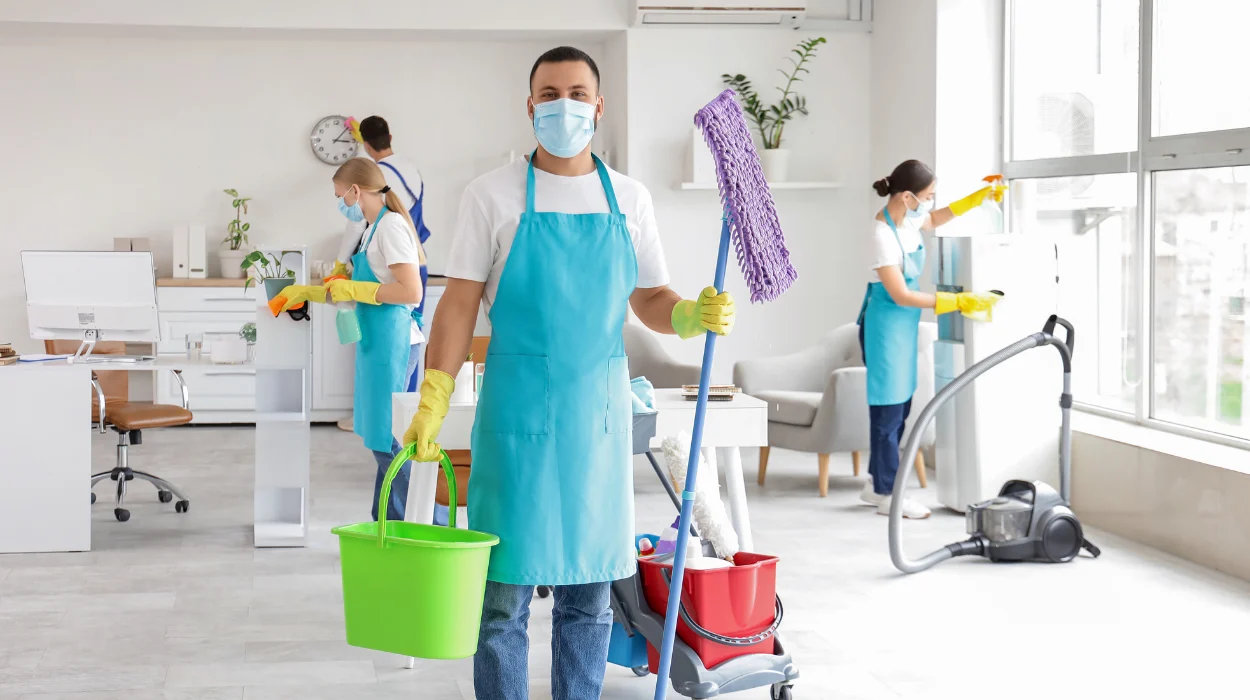
Roles & Responsibilities Explained in simple terms involve the comprehensive upkeep of business facilities. These trained professionals handle everything from standard daily sanitization tasks to operating heavy-duty cleaning-equipment to ensure that workspaces remain safe, compliant, and hygienic for everyone.
Core Purpose of Facility Maintenance
The primary objective of hiring professional maintenance staff is to ensure that a business environment remains visually appealing and hygienically safe. These individuals are trained to handle the unique demands of large-scale properties, ranging from corporate offices to industrial warehouses. Unlike standard residential upkeep, the commercial sector requires a systematic approach to deal with high foot traffic and specific industry regulations. They follow strict protocols to minimize the spread of germs, reduce workplace hazards, and create an atmosphere that promotes productivity among employees.
Key Differences Between Residential and Commercial Environments
While domestic housekeeping focuses on living spaces, commercial environments present an entirely different set of challenges. Business properties generally feature larger square footage, specialized flooring, and communal areas that harbor high concentrations of bacteria. The professionals working in these sectors must understand cross-contamination prevention and occupational health and safety standards. They are also equipped to handle specialized tasks that standard housekeepers are not trained for, ensuring that every corner of a large facility is addressed. This level of detail is exactly why companies look to invest in expert Commercial Cleaning Services in Oldham to guarantee long-term property preservation.
Standard Duties in Daily Facility Maintenance
A structured daily routine forms the foundation of any successful facility management strategy. Professionals arrive on-site with a clear schedule that covers all high-traffic zones, communal areas, and individual workspaces. Their daily tasks typically include emptying central waste bins, wiping down shared surfaces, and ensuring that all access points are clear of debris. By maintaining this consistent baseline of cleanliness, they prevent the gradual buildup of dirt that can lead to more severe hygiene issues over time. Consistent daily attention ensures the property always looks welcoming to visitors and comfortable for staff.
Floor Care and Surface Sanitization
Proper floor maintenance is a critical aspect of any business property care routine. Depending on the facility, professionals might need to vacuum expansive carpeted areas, mop hard floors, or buff specialized surfaces to a high shine. They often utilize advanced cleaning-equipment to extract deep-seated dirt that manual tools simply cannot reach. Surface sanitization extends beyond floors to include desks, door handles, light switches, and kitchen countertops. These high-touch areas require medical-grade disinfectants to effectively neutralize viruses and bacteria, protecting the workforce from seasonal illnesses.
Waste Management and Restroom Hygiene
Waste disposal in a business setting requires careful sorting and compliance with local environmental regulations. Maintenance teams are responsible for separating recyclables, handling confidential paper waste securely, and disposing of general rubbish in designated exterior bins. Restroom hygiene is equally vital, as these facilities can quickly become biological hazards if neglected. Professionals deep clean toilets, sinks, and mirrors daily, while also restocking essential supplies like soap, paper towels, and hand sanitizers. A pristine restroom reflects positively on the company and demonstrates a commitment to employee wellbeing.
Specialized Tasks in the Commercial Sector
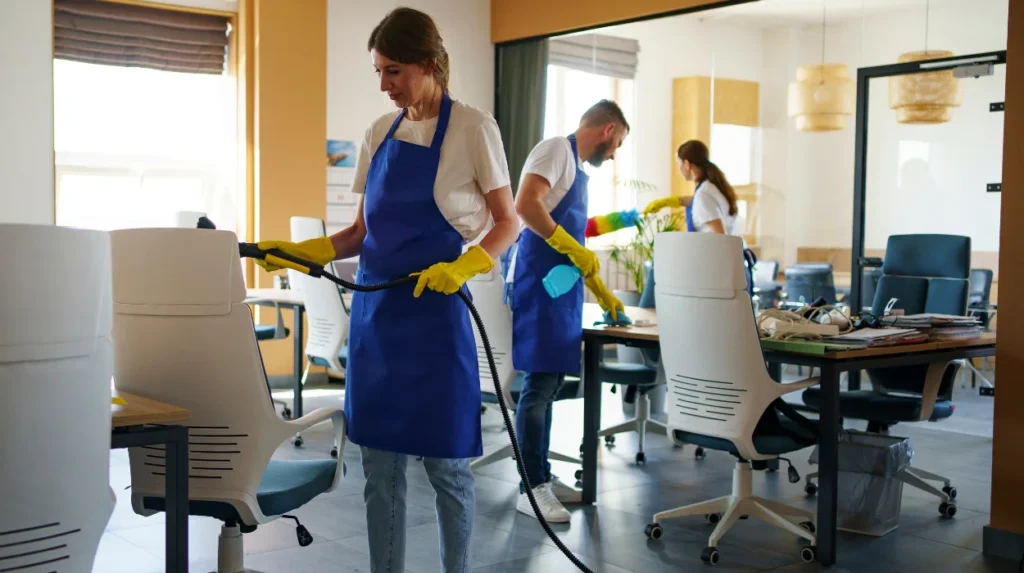
Beyond daily upkeep, these experts are often called upon to perform highly specialized tasks tailored to specific industries. Medical facilities, for example, require stringent sanitization protocols to prevent healthcare-associated infections, utilizing distinct color-coded tools to prevent cross-contamination. Educational institutions need robust strategies to handle the mess created by hundreds of students daily. When managing retail spaces, professionals follow a thorough retail store cleaning in Oldham checklist for managers to ensure product displays and customer walkways remain absolutely immaculate.
Health and Safety Compliance
Operating a business means adhering to strict government regulations regarding workplace health and safety. Cleaners play a pivotal role in ensuring that a facility passes health inspections and avoids costly compliance fines. They are trained to identify potential hazards, such as chemical spills, slippery floors, or mold growth, and address them immediately. Furthermore, they keep detailed logs of their activities, providing management with documented proof that all necessary hygiene protocols are being actively followed. This documentation is crucial for liability protection.
Operating Industrial Grade Machinery
Large commercial spaces simply cannot be maintained using consumer-grade tools and products. Professionals are trained and certified to operate heavy machinery, such as industrial floor scrubbers, high-pressure washers, and commercial steam cleaners. Using this advanced cleaning-equipment requires a deep understanding of machine mechanics and chemical application to avoid damaging delicate surfaces. Their expertise ensures that the machinery is used efficiently, providing a deeper level of sanitation while minimizing water waste and chemical runoff into the local environment.
The Importance of Professional Standards in Business Spaces
First impressions are everything in the corporate world, and the cleanliness of your facility speaks volumes about your brand values. Clients who walk into a pristine lobby automatically perceive the business as organized, successful, and detail-oriented. Conversely, a neglected workspace can quickly drive away potential partners and damage your corporate reputation. Partnering with a reliable provider like Bee Cleaning Services Manchester guarantees that your facility consistently reflects the high standards of your organization. Their trained staff understands the nuances of corporate presentation.
How Often Do Workplaces Need Professional Maintenance?
Determining the ideal frequency for facility maintenance depends entirely on the size of the workforce and the nature of the business operations. High-traffic environments, such as retail centers or large corporate headquarters, generally require daily attention to manage the constant influx of dirt and waste. Smaller offices with fewer staff members might only require bi-weekly or weekly visits to maintain a healthy environment. It is highly recommended to consult with a provider of Commercial Cleaning Services in Oldham to assess your specific foot traffic and develop a customized schedule.
Daily Versus Weekly Schedules
A daily maintenance schedule focuses on immediate hygiene needs, such as sanitizing communal kitchens, refreshing restrooms, and emptying central trash receptacles. This ensures the workplace starts fresh every single morning, boosting staff morale. A weekly schedule, on the other hand, is suitable for lower-traffic environments where waste accumulation is minimal. Weekly visits often combine general upkeep with more thorough tasks, ensuring that the facility remains presentable without interrupting the daily workflow of a smaller, quieter office environment.
Deep Cleans and Periodic Maintenance
Even with a rigorous daily or weekly schedule, every commercial facility requires periodic deep cleans to tackle hidden grime. These intensive sessions are typically scheduled quarterly or bi-annually and involve tasks like professional carpet extraction, high-level dusting, and deep window washing. Deep cleaning resets the baseline hygiene of the building, addressing areas that are inaccessible during normal working hours. This proactive approach extends the lifespan of office furniture, carpets, and hard flooring, ultimately saving the business money on premature replacement costs.
Tailoring Strategies for Different Business Types
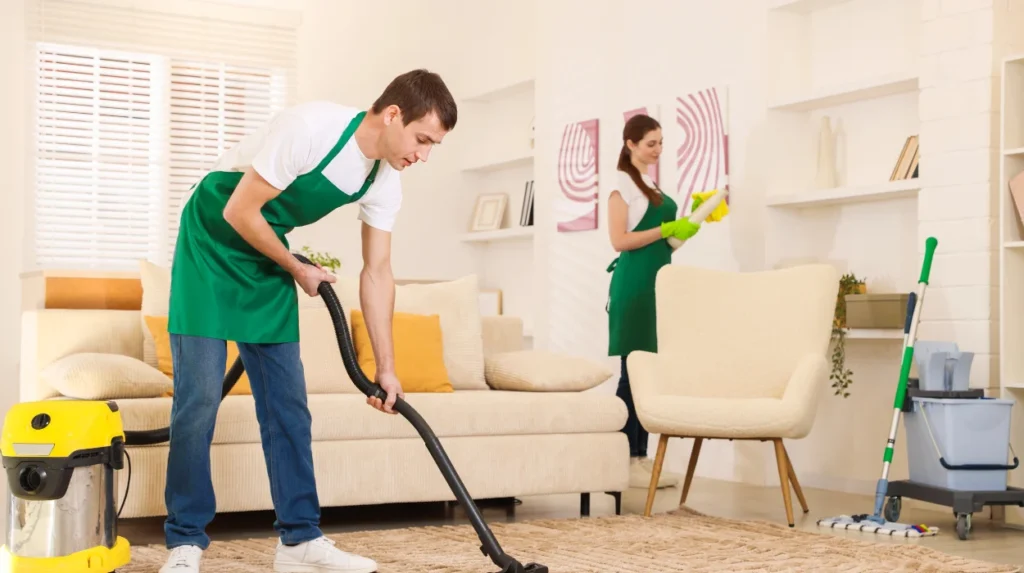
No two businesses are exactly alike, which means a one-size-fits-all approach to hygiene rarely yields optimal results. A manufacturing plant requires heavy degreasing and industrial waste removal, while a corporate law firm needs discreet, detail-oriented dusting of delicate electronics and confidential document areas. Automotive businesses, for example, must maintain spotless showrooms to highlight their inventory, which is why managers often book a professional team for car dealership cleaning services in Oldham. Customizing the strategy ensures maximum efficiency and effectiveness.
Office Buildings and Corporate Spaces
Corporate environments require a subtle approach, as maintenance staff often work around expensive technology and sensitive documents. The focus here is on creating a distraction-free environment that fosters focus and productivity among the workforce. Dusting computer monitors, sanitizing keyboards, and organizing communal break rooms are top priorities. Furthermore, professionals must be vetted and trained to respect corporate confidentiality, ensuring that no sensitive information is disturbed or compromised while they perform their essential duties throughout the building.
Retail Spaces and Showrooms
In the retail sector, the visual presentation of the space directly impacts consumer purchasing behavior and overall sales. Clean, gleaming floors and crystal-clear windows invite customers inside and encourage them to spend more time browsing the merchandise. Fitting rooms, checkout counters, and display shelving require constant attention to remove smudges and dust. A dedicated maintenance team understands how to work discreetly during opening hours or efficiently after closing to ensure the retail space is always prepared for the next wave of shoppers.
Why Training and Vetting Matter
Allowing external contractors access to your business premises requires a high level of trust and security. This is why reputable agencies invest heavily in comprehensive background checks and rigorous training programs for their staff. Proper training ensures that the workers understand chemical safety, manual handling techniques, and emergency protocols. When you hire an established company like Bee Cleaning Services Manchester, you gain peace of mind knowing that the individuals on your property are fully insured, highly skilled, and thoroughly vetted for commercial operations.
Understanding the diverse roles and responsibilities of professional maintenance teams highlights just how vital they are to business continuity. From handling hazardous waste to presenting a spotless corporate image, these experts take the burden of property management off the shoulders of business owners. By utilizing the correct tools and adhering to strict industry protocols, they create environments where employees thrive and clients feel welcome. If you are looking to elevate your workspace, Bee Cleaning Services Manchester offers customized Commercial Cleaning Services in Oldham tailored to meet your exact operational requirements.
Frequently Asked Questions
What exactly does a commercial cleaner do on a daily basis?
On a daily basis, these professionals handle a variety of tasks designed to maintain workplace hygiene. Their duties include emptying trash bins, vacuuming carpets, mopping hard floors, and sanitizing communal areas like kitchens and restrooms.
Do commercial cleaners bring their own supplies and machinery?
Yes, professional teams typically provide all their own industrial-grade chemicals, tools, and heavy machinery required for the job. This saves business owners the expense and hassle of purchasing and storing hazardous materials on their premises.
How is commercial facility maintenance different from regular domestic housekeeping?
Commercial maintenance focuses on large-scale business environments, requiring specialized training in occupational health, safety regulations, and cross-contamination prevention. The machinery used is much larger and more powerful than standard household vacuums or mops. Additionally, business environments often require out-of-hours scheduling to avoid disrupting staff or customers.
What qualifications or training are required for this profession?
While formal academic degrees are not required, professionals undergo extensive on-the-job training covering health and safety protocols. They must learn how to handle hazardous chemicals safely (such as COSHH regulations in the UK) and operate complex industrial machinery.
Can businesses schedule maintenance outside of regular working hours?
Absolutely, the vast majority of business maintenance takes place outside of standard operating hours to minimize disruption. Teams are accustomed to working early mornings, late evenings, or even overnight shifts depending on the client’s preference.