


Practically Manchester landlords complain about most regarding carpets are the greatest pain killers at the termination of tenancy. From smudged stains to the Oduors that are difficult to remove, carpet problems are always among the leading causes of deposit controversy and disagreements between tenants. It can be red wine spilled on the carpet of an upstairs bedroom, or deep-set dirt in a high-traffic hallway, but the end result is that poor carpet condition will cost the landlords time and money.
And as the landlords know that normal fair wear and tear is being experienced, when the carpets are in a worse condition than at the beginning of the tenancy, it causes frustration, arguments, and even formal complaints. Exercising judgment as to when tenants should bear liability and when the landlords have to step in can prove to be quite a tedious chore, but being aware of what landlords grumble about the most and how to go about such circumstances in a professional manner goes a long way.
Main Carpet Problems Landlords Report
To most of the landlords in Manchester, a carpet is not just a flooring material; it is a property that must remain in good condition. Among the most frequent complaints are those about the stains and spills left behind by the tenants. There are always carpets that landlords find spoiled by the spills of food and drinks, in particular wine and coffee, that are impossible to clean with the usual cleaning agents. Another common situation is pet accidents. Nevertheless, the smell of pet urine and hair, which is ingrained in the fibres of carpets, can be hard to clear, even in cases when tenants clean immediately.
Property checks are also riddled with the dirty carpets. The dirt in the carpets of a living room or hallway makes a property appear untidy, and this may result in deductions of deposits and arguments, particularly when the tenancy agreement did not explicitly state the requirement of cleaning.
Chessington Carpet Cleaning
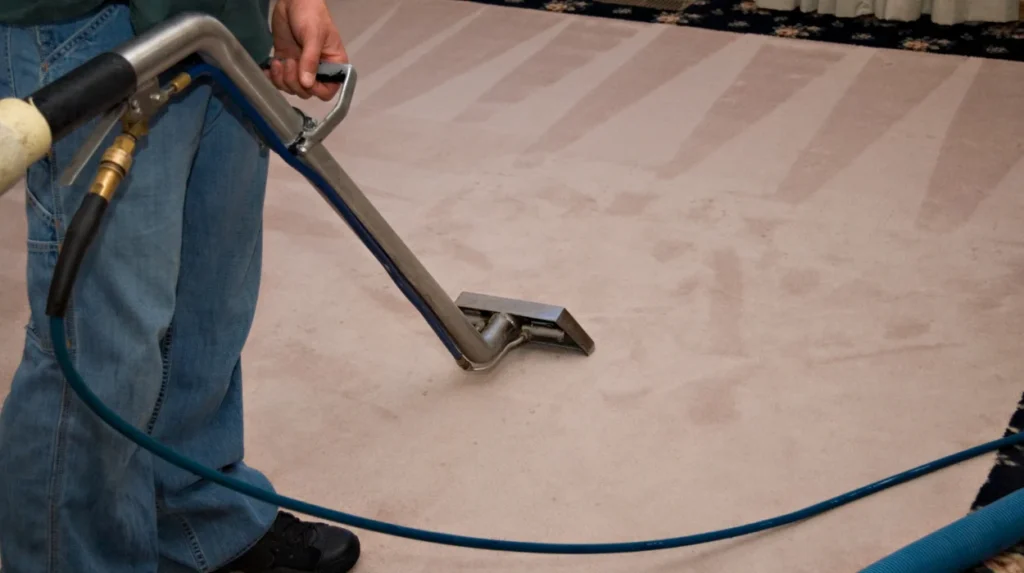
To the landlords, these issues are not cosmetic ones. They influence the appearance of a property to prospective tenants and may even influence the amount of rent a landlord will be able to charge. In cases where the carpets are very nasty, landlords might feel that they are left with no choice other than deducting professional cleaning fees or even replacement fees from the deposit of a tenant. But that is just in case the damage is beyond the normal wear and tear a fundamental difference that is prone to cause quarrels.
Carpet Damage vs Fair Wear and Tear
Guests who cannot distinguish between normal wear and tear and actual damage are one of the greatest grounds of complaints among Manchester landlords. There is a distinct difference between the legal and practical. Fair wear and tear is defined as the natural degradation as a result of daily living, such as a carpet which is flattening gradually in a crowded living room or fading a little because of sunlight. These are the duties of the landlords as opposed to tenant’s duties.
Conversely, any damage that surpasses wear and tear, i.e. big stains, burns, rips, or holes, is normally regarded as the responsibility of the tenant. When such situations occur, landlords have the right to ask to reimburse a percentage or all the deposit to clean or repair such damaged property. However, to be justified, landlords have to be prepared to demonstrate that the damage did not occur due to the inhabitance, but due to the presence of the tenant, and that it will not be possible to remove it with a reasonable amount of effort. This difference plays a major role in preventing conflicts and ensuring a good landlord-tenant relationship.
Why Poor Carpet Condition Leads to Tenant Disputes
Carpet complaints tend to get out of control since they are not established at the beginning. Most of the tenancy contracts do not have specific terminologies on the degree of cleanness that is acceptable, particularly for carpet cleaning. Other poor landlords do not realise that there is a problem until the last check, when it is too late to talk about the problem with the tenant. The arguments about whether a stain is due to the fault of the tenant or it is one of the accidents that happen in life may result in a formal dispute via a deposit protection scheme or adjudicator.
www.makeurmove.co.uk
The other source of conflict is inappropriate documentation. Without an elaborate record of the carpet in the form of photographs and a meticulous inventory of the condition of the carpet at the time when the tenancy began, it becomes even more difficult to establish that the tenant was the cause of the damage.
How to Document the Right Carpet Condition
You are in charge of one property or a portfolio in Manchester; the only thing that will protect you against carpet disputes is documentation. Prior to the move-in, photograph all of the carpets in the rooms by walking into the room and taking clear, date-stamped photographs. Any marks, stains, or scraped areas should be written in the inventory report. Be sure that this record is duplicated by both parties.
When the tenancy is inspected, make notes in this inventory on any changes. When a dispute arises at the end of a tenancy, landlords usually regret that they did not do so.
Practical Carpet Care Tips for Landlords
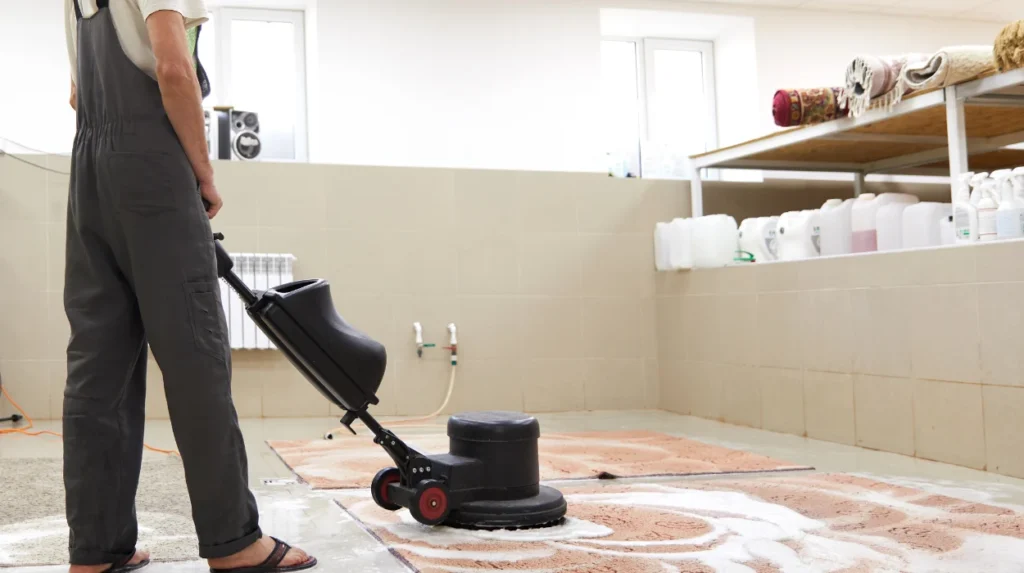
The problem that comes up with many Manchester landlords is that it is better to prevent complaints first rather than deal with them later. Periodic inspection of carpets should be performed on a regular basis, say after every six months, so that landlords can detect the problems with carpets in time. To minimize misunderstandings, tenants should be encouraged to solve spills as soon as they occur and specify what is expected in the agreement. There is also an even point that the landlord and the tenant come to an agreement on before a new tenant is introduced to the property, as some landlords will hire professionals to clean the carpets before a new tenant can move into the premises.
Where carpets require cleaning after tenancy, the landlords need to look at the cost of cleaning as opposed to replacement, unless the damage is immensely serious. It is never fair that landlords should charge for normal carpet ageing or dirt which would have been removed by a vacuum, that is just fair wear and tear.
What Manchester Tenants Are Most Often Held Responsible For
Based on the information about the disputes and complaints, there are certain carpet problems that are repeated. Odours of pets and the embedded fur can be the bane of landlords since they may persist much after professional cleaning. Wine or coffee that spills onto the fibre and hardens is another common complaint, since this may need deep and specialised cleaning. Mud also makes its way in through the door, and this is particularly common during the fall and winter seasons, which are also the cause of complaints regarding cleanliness.
And although tenants can claim that some of these problems are all of normal life, Manchester landlords tend to point out that these problems are way beyond what a carpet would encounter due to mere daily use. This is why it is so important to understand tasks in the tenancy agreement and record all the activities between move-in and move-out.
In Manchester, landlords most commonly complain about carpets not only because they tend to get dirty but also because the exact state of carpets can only be determined fairly in the presence of clear documentation and expectations. Therefore, if you want to safeguard your investment and prevent deposit arguments, it is advisable to begin with strong tenancy agreements, detailed inventories and good communication.
On the other hand, if carpets create a conflict, having a dependable cleaning partner can totally change the situation. For carpet care and end-of-tenancy cleaning that Manchester landlords trust, contact Bee Cleaning Services Manchester your property will get a clean that is beyond questioning and is satisfactory to both landlords and tenants.